News
Horgen/Schlieren, ZH — CDR-Life announces a novel drug candidate for the treatment of axial spondyloarthritis. This chronic inflammatory rheumatic disease, also known as ankylosing spondylitis, can be largely controlled with treatment, but there is currently no cure.
(CONNECT) CDR-Life has announced a new candidate for its M-gager antibody technology platform. According to a press release, the drug in question is CDR209, a novel T-cell engager for the treatment of axial spondyloarthritis. T-cell engagers are a class of engineered bispecific monoclonal antibodies that are currently being studied as anticancer agents. If the new candidate proves effective, it would be “an important step toward expanding our M-gager platform to autoimmune diseases,” CEO Dr. Christian Leisner is quoted as saying. The new drug candidate thus complements the oncology portfolio of the biotech company, which is a member of the Bio-Technopark Schlieren-Zurich. Its anti-cancer candidate, CDR404, is currently in a Phase 1 clinical trial.
Axial spondyloarthritis is better known in German-speaking countries as Morbus Bechterew. This chronic inflammatory disease primarily affects the spine and the sacroiliac joints. It is typically accompanied by back pain, limited range of motion, and possible stiffness in these joints. In the U.S. alone, an estimated 2.7 million adults are affected. It is true that treatment options have improved in recent years. However, according to the statement, many patients are still unable to adequately manage their condition.
On its M-gager platform, CDR-Life has now developed CDR209, a candidate that targets TRBV9-positive T cells. These specific T cells appear to play an important role in the immune response in many patients. In preclinical studies, CDR-Life has reprogrammed healthy T cells to selectively eliminate these TRBV9 T cells without attacking other cells.
“The selective removal of these cells while preserving the rest of the immune system opens up the possibility of interrupting the disease process at a more fundamental level,” said Denis Poddubnyy, professor of internal medicine and director of the Division of Rheumatology at the University of Toronto’s Temerty Faculty of Medicine. "In the long term, the goal is to determine whether such an immunological reorientation can lead to sustained disease control or even to remission without the need for treatment."
Founded in 2017, CDR-Life AG is headquartered in Horgen and is a member of the Bio-Technopark Schlieren-Zurich. ce/mm

Ankylosing spondylitis mainly affects the spine and the sacroiliac joint. Stock image: Pexels
News
Zurich/Affoltern am Albis, ZH/Traunreut — At the new Movecity multisport arena in Affoltern am Albis, ASB’s digital LED glass floor is now permanently available to a wide audience for the first time. The Arena by ASB GlassFloor can be booked for various sports, games, and events.
(CONNECT) The Arena by ASB GlassFloor is part of the new Movecity multisport arena at Moosbachstrasse 13 in Affoltern am Albis. Until now, digital sports flooring has been used primarily in professional venues and at major sporting events, such as at FC Bayern Basketball’s BMW Park in Munich. According to a press release, the LED glass floor from ASB Systembau Horst Babinsky GmbH, based in Traunreut, Bavaria, is now available for booking by the general public for the first time.
The ASB GlassFloor is controlled via a software platform and can be programmed for a variety of uses. For example, field markings for various sports, as well as animations, graphics, logos, and live data, can be displayed directly on the 28-by-15-meter surface. A tracking system also enables interactive games in which participants control what happens on the floor through their movements.
The arena can be booked by individuals, groups, clubs, schools, and businesses. In addition to recreational sports, events, workshops, and corporate functions are also possible. It is operated at Movecity as a shop-in-shop by Zurich-based Athlete World GmbH in collaboration with Zug-based ASB Arena & Event Services AG (AES), a subsidiary of ASB.
movecity ag held its official opening weekend in early September. Spanning just under 13,000 square meters, the facility brings together ten sports and activity areas. These include a trampoline park, a zipline, courts for padel and pickleball, a freestyle park for skateboarding, BMX, mountain biking, and scooters, as well as activities for freerunning and rock climbing. ce/as

Thanks to the glass floor, pitch markings for various sports, as well as animations, graphics, logos and live data, can be displayed directly on the 28-by-15-metre surface. Stock image: Sayeed Chowdhury/Pexels
News
Schlieren, ZH/Lausanne — Corintis from Ecublens, VD, has won the Top100 Swiss Startups competition for the second year in a row, followed by DeepJudge from Zurich and PAVE Space from Villeneuve, VD. The best robotics startup of 2026 is Flexion Robotics from Zurich, ranked 6th. Memo Therapeutics from Schlieren, ZH, recorded the largest exit.
(CONNECT) At the awards gala on September 9, 2026, the Gold Award for the Top 100 Swiss Startups 2026 went to Corintis, just as it did last year. Founded in 2022 as a spin-off from the Swiss Federal Institute of Technology in Lausanne (EPFL) by Remco van Erp and Sam Harrison, this engineering startup is developing microfluidic cooling technology for high-performance chips used in data centers.
More than 100 jury members awarded the Silver Award to DeepJudge from Zurich. The core product of the legal tech company founded in 2022 by CEO and co-founder Paulina Grnarova, which emerged from the Swiss Federal Institute of Technology in Zurich, is a proprietary artificial intelligence system. It can highlight a law firm's expertise, which is based, among other things, on documents, strategies, and precedents.
PAVE Space (Villeneuve, VD) received the Bronze Top 100 Award. Founded in 2023 at EPFL, the spin-off of the student-led and co-founded Gruyère Space Program is developing the Kickstage spacecraft. It can transport satellites from low Earth orbit to their final destination in a matter of hours rather than months.
In addition to the main prizes, special awards were also presented in six categories. The top newcomer is Dexterous Endoscopes (Epalinges, Vaud), the only company in the top 100 founded in 2026. The largest round of financing, totaling $225 million, went to Kandou Bus (Saint-Sulpice, VD).
In 2026, Memo Therapeutics (Schlieren, ZH) recorded the largest exit, with an estimated value of over 700 million. The highest-ranked biotech startup is Aukera Therapeutics (Saint-Sulpice). The best cleantech startup is Voltiris (Epalinges). And Flexion Robotics (Zurich) was named the best startup in robotics.
“The founders featured in this year’s Top 100 are tackling some of the most important challenges facing our world,” says Stefan Steiner, program director of the event—also known as the “Oscars of Swiss Startups”—in a press release. "Their ambition, combined with Switzerland's unique strengths in research, engineering, and entrepreneurship, is helping to build the next generation of global market leaders."
The competition is organised by the "Handelszeitung" and Venturelab. Over the course of its 16-year history, 677 high-tech startups have been honored. Together, they raised 18.8 billion francs in venture capital and created 27,288 jobs. 111 of the companies successfully exited, 11 became unicorns, and another 11 are now publicly traded. ce/mm

DeepJudge, based in Zurich, has come second in the top 100. Image: Courtesy of Venturelab
You are currently viewing a placeholder content from YouTube. To access the actual content, click the button below. Please note that doing so will share data with third-party providers.
More InformationVoices
We asked Simona Fehlmann, CEO and co-founder of sallea, what innovation means to her. Sallea manufactures 3D-printed salt templates that enable the production of lighter and stronger carbon components.
You are currently viewing a placeholder content from YouTube. To access the actual content, click the button below. Please note that doing so will share data with third-party providers.
More InformationYou are currently viewing a placeholder content from YouTube. To access the actual content, click the button below. Please note that doing so will share data with third-party providers.
More InformationVoices
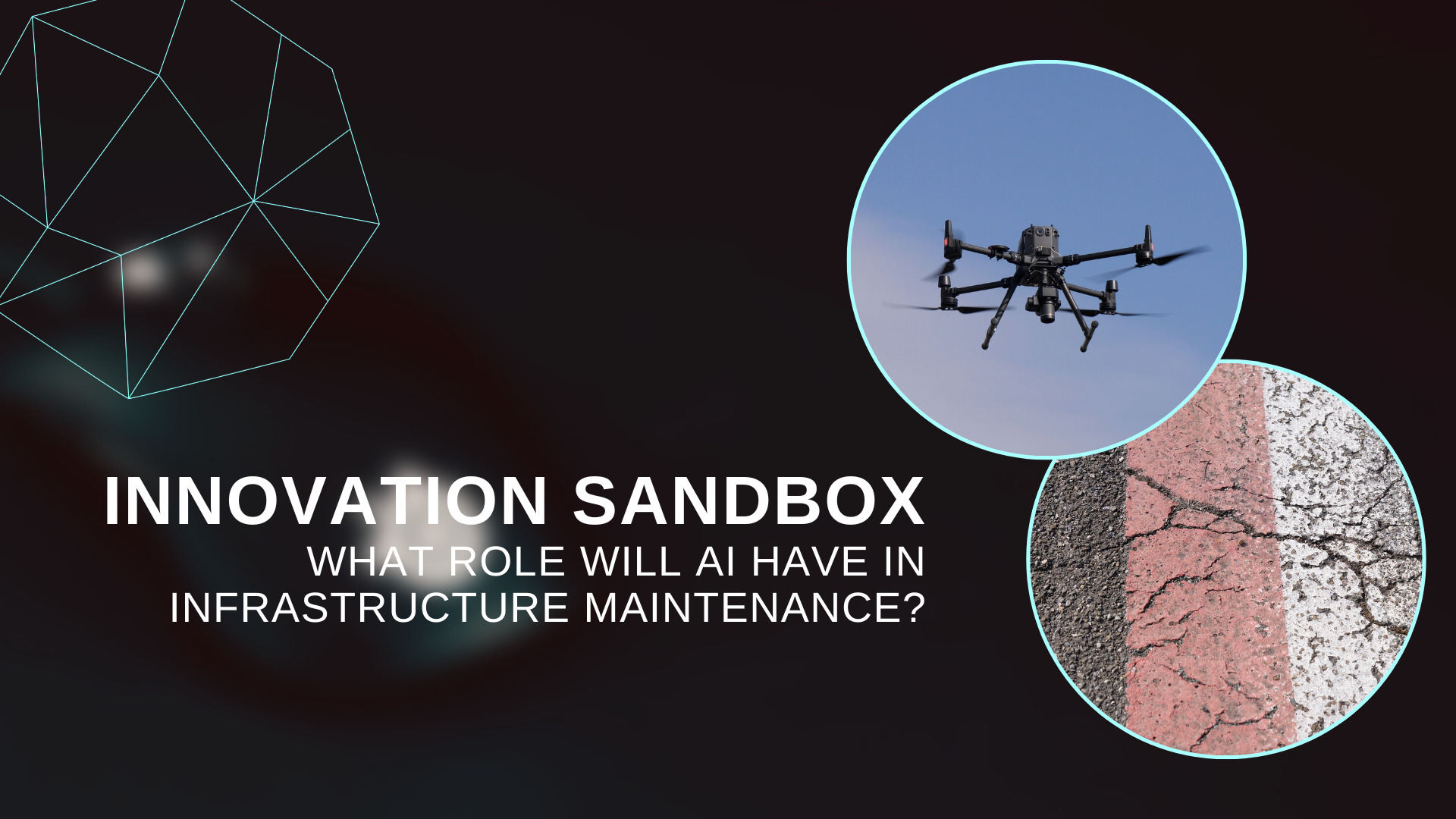
From 2024 to 2026, five AI projects were successfully implemented in the second implementation phase of the Innovation Sandbox for AI: AI in medical documentation, autonomous inspection robots, digital eye clinic, sensor-based bridge monitoring and AI for building permits. As artificial intelligence is becoming increasingly important for companies and society, the Innovation Sandbox will begin its third implementation phase this year. Together with partners, further AI projects are tested under real conditions and open regulatory issues are clarified.
You are currently viewing a placeholder content from YouTube. To access the actual content, click the button below. Please note that doing so will share data with third-party providers.
More InformationYou are currently viewing a placeholder content from YouTube. To access the actual content, click the button below. Please note that doing so will share data with third-party providers.
More InformationVoices
We asked Richard König, Deputy Head of Legal and Construction at Gossweiler Ingenieure AG, what innovation means to him. Gossweiler is an engineering company that offers consulting, planning and construction as well as analyses, measurements and tests in various areas. Its services are geared towards cities, municipalities, community-based businesses, companies and private individuals.
You are currently viewing a placeholder content from YouTube. To access the actual content, click the button below. Please note that doing so will share data with third-party providers.
More InformationNews
Under the patronage of the Obersee-Linth regional management, the canton of Glarus, Schwyz Next, Standortförderung Zürioberland, Impulsort and Wirtschaftsförderung Höfe OST organizes innovation conferences on various topics several times a year.
Detailed information can be found at the respective events, see link to the website.
Participation in the events is generally free of charge.

News
Taste, smell, discover: Startups, farmers, companies, and projects are opening up their world and inviting you to experience the future of food firsthand—from regional circular economies to alternative ingredients and new crops. You can sample some things right away, take a lot of them home, and experience it all.
Come on by to taste and shape your own future when it comes to healthy and sustainable eating in everyday life!

News
INNOVATE Bau- PIONEERS.BAUEN.ZUKUNFT.
INNOVATE Bau is not a traditional conference, but a co-creation platform for applied innovation in the construction industry. INNOVATE Bau creates an environment in which new partnerships are formed, innovations are accelerated and concrete projects are initiated. INNOVATE Bau stands for sustainable construction – socially, economically and ecologically compatible.
What sets INNOVATE Bau apart:
– 30 Interactive sessions: Participate instead of just listening
– Co-creation formats: Developing content together instead of consuming it
– Practice-oriented innovation: focus on transfer to real projects
– Targeted networking: matchmaking & speed dating for new partnerships
– Makers’ Zone: experience solutions, prototypes and start-ups live
– Innovate Magazine: Comprehensive magazine with background reports, facts and interviews
Organized by Switzerland Innovation Park Central and Empa NEST.

News
Researchers from the University of Zurich and ETH Zurich are conducting a pioneering study examining how different organisational arrangements shape individuals’ willingness to share knowledge in the age of AI and invite organisations to participate.
The Swiss economy is losing valuable critical knowledge every year as experienced professionals retire or leave their companies. That knowledge is the operational intelligence required for AI transformation to succeed. Switzerland competes on expertise, precision, institutional continuity and not cost. As Baby Boomers approach retirement they will be participating in knowledge handover activities and letting that expertise retire without capture is a threat to the foundation of its economic advantage.
Researchers from the University of Zurich and ETH Zurich are conducting a pioneering study examining how different organisational arrangements shape individuals’ willingness to share knowledge after retirement.
THE STUDY – From Experience to Organisational Memory : An Experimental Vignette Study on Tacit Knowledge capture in Late-Career Transitions – forms part of project – Silver AI, an AILAS applied research initiative exploring the human side of AI-assisted knowledge retention and translating research insights into practical systems for organisational memory.
The study is supported by the Digital Society Initiative, UZH.ai, the Data Innovation Alliance and Industry Partners.
Swiss organizations with more than 150 employees are invited to participate or sponsor and help shape practical frameworks for Al-assisted knowledge retention. Participating companies receive benchmarked survey results, early access to findings, and priority access to pilot programs.
Founder / Researcher
Janmejay Singh
janmejay@ailas.ch
+41783306975

News
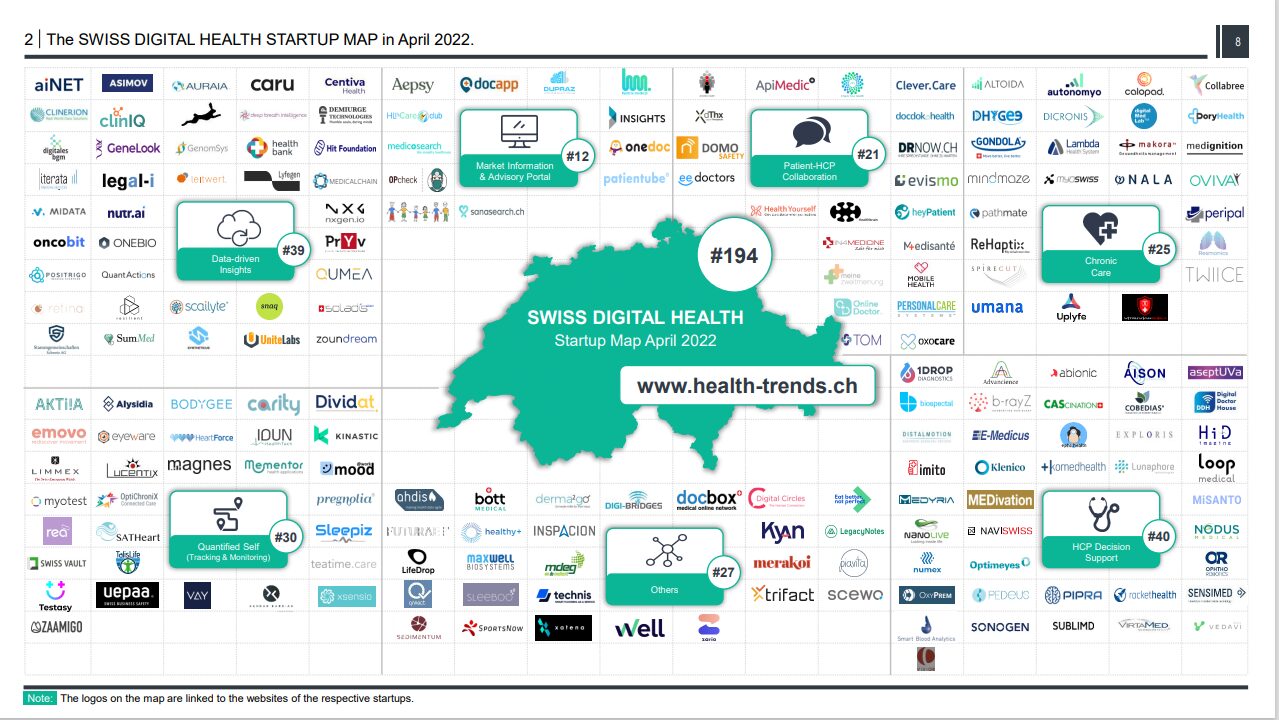
The SWISS DIGITAL HEALTH Startup Map provides a unique and comprehensive overview on digital health startups in Switzerland. Currently, Health-Trends has identified 194 Swiss-based digital health startups.
This is the second edition of the SWISS DIGITAL HEALTH STARTUP MAP status report, following the first publication in October 2021. In this report, Health Trends provides an update on the latest changes on the map. You will learn which digital health startups have been added, including detailed information about them. In addition, we inform you which digital health companies are no longer part of the map. And, you will also find a lot of background information on Health Trends in the report.
News
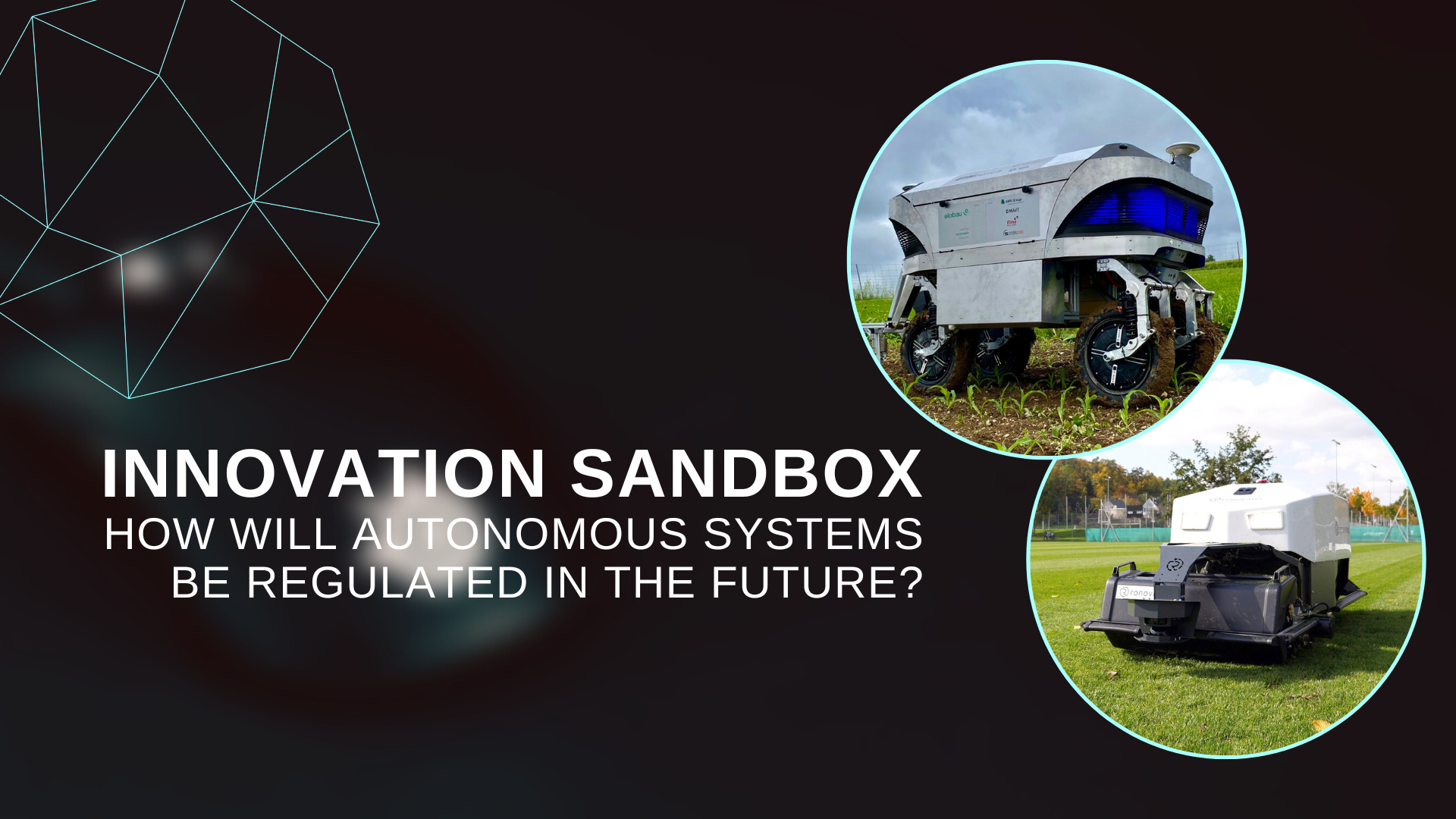
The regulation and standardisation of autonomous systems are currently not keeping pace with technological developments. As a result, the legal framework in this domain is insufficiently clear to many manufacturers. As part of the “Innovation Sandbox for Artificial Intelligence”, a guideline was developed which provides an overview of the most important questions.
The goal of the present guidelines is to clarify legal questions in relation to autonomous systems. The focus is on autonomous ground vehicles and systems for commercial purposes, potentially in operation in public spaces.
The guidelines are primarily designed for manufacturers with a strong focus on product development. These manufacturers often have limited know-how and resources available to dedicate to clarifying regulatory aspects, or to have these aspects clarified for them. With that in mind, the purpose of these guidelines is to provide an overview of the most important questions, and to serve as an entry point for a more in-depth and manufacture-specific exploration of the topic. The present guidelines are exclusively for manufacturers in Switzerland.
News
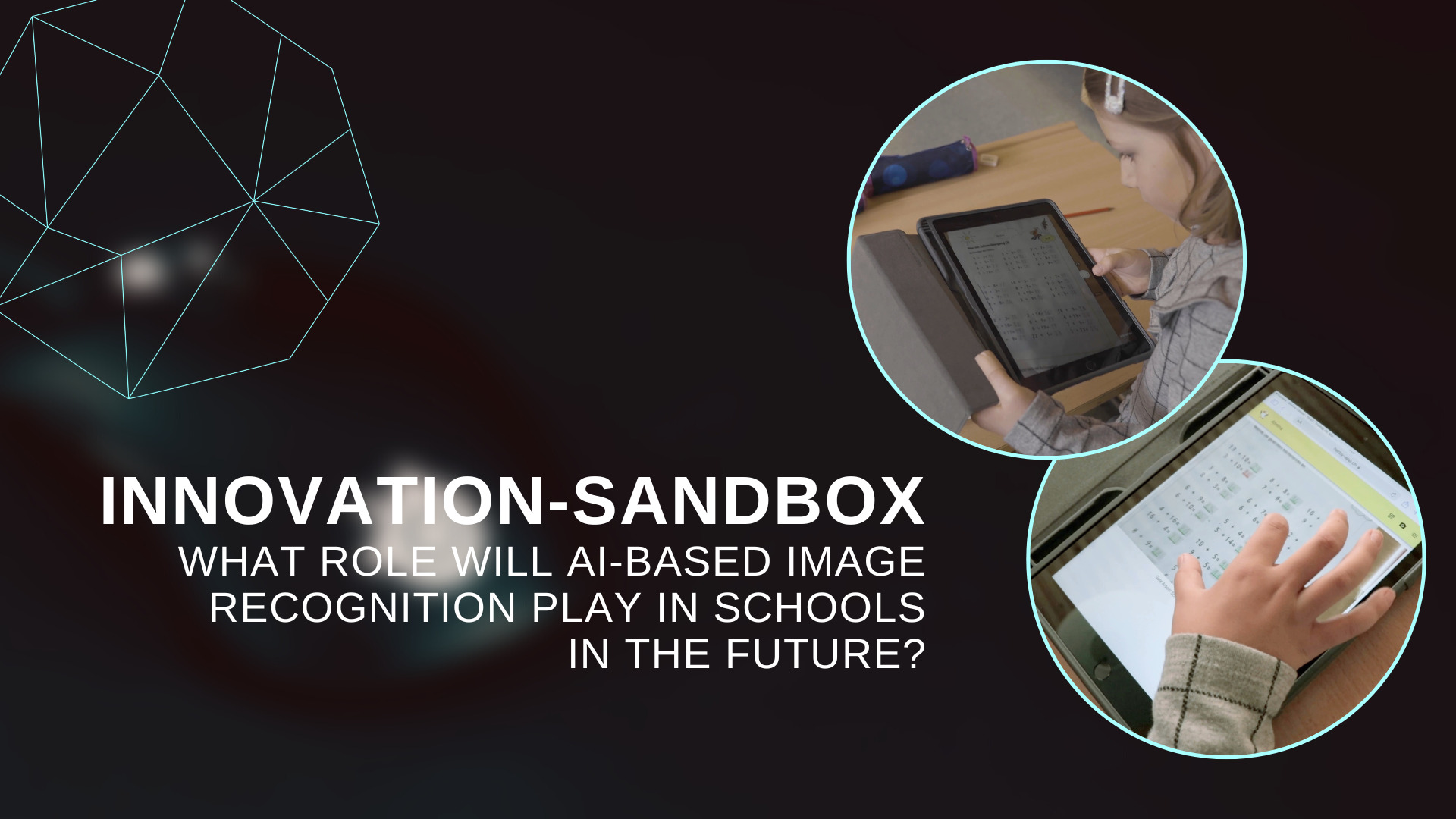
Artificial Intelligence (AI) offers great potential within education. AI applications enable individualised learning and can provide support to teachers by reducing the burden of repetitive tasks such as correction work. However, there are also various regulatory and ethical challenges. While AI-supported tools are already in use in schools, the legal framework is often insufficiently clear to AI solution providers, teachers and school officials.
The present guidelines provide an overview of legal aspects such as data protection and copyright, for when implementing AI applications. This document was drawn up based on a specific use case during which school pupils used a smartphone scan to automatically correct their handwritten math work and spelling exercises. Whereas these guidelines are based on the legal framework of a state school in the Canton of Zurich, the legal situation is similar in other cantons. The relevant regulations are, however, applied differently from canton to canton. While primarily directed at AI solution providers, these guidelines may also offer helpful insights to school officials as well.
You need to load content from reCAPTCHA to submit the form. Please note that doing so will share data with third-party providers.
More InformationYou are currently viewing a placeholder content from Turnstile. To access the actual content, click the button below. Please note that doing so will share data with third-party providers.
More InformationYou are currently viewing a placeholder content from Vimeo. To access the actual content, click the button below. Please note that doing so will share data with third-party providers.
More InformationYou are currently viewing a placeholder content from YouTube. To access the actual content, click the button below. Please note that doing so will share data with third-party providers.
More InformationYou need to load content from reCAPTCHA to submit the form. Please note that doing so will share data with third-party providers.
More Information