News
SAAM recap of year 2022
After a very interesting year 2022 there are a lot more activities planned in 2023.
What’s planned for the year 2023:
1. EU project Ultimo:
SAAM is participating in one of the biggest EU-projects called Ultimo (more information here). Ultimo will focus on scaling deployments in three locations across Europe (Geneva, Munich, Olslo), with 15 vehicles per location. The aim is to operate without a safety driver on board, in fully automated mode (SAE Level 4).
2. AV-friendly road law texts will be finalized with SAAM's support:
With the support of our president Hans Wicki and our board member Thomas Probst, we have become an important partner in the process of adapting the law. Astra recognizes SAAM as a center of excellence in the context of automated driving (more Information here).
3. Innosuisse Flagship program:
14 organizations from SAAM are preparing a pre-proposal to be submitted by the end of January.
Stay tuned, as 2023 will reveal more exciting autonomous mobility advancements!

You are currently viewing a placeholder content from YouTube. To access the actual content, click the button below. Please note that doing so will share data with third-party providers.
More InformationNews
Zurich/Basel – Bell Food Group has invested in vertical farming start-up Yasai. Bell Food CEO Lorenz Wyss will also become a member of the Board of Directors, as will the second new investor Theo Stolze. He is a former shareholder of the Stolze Group, which specializes in technical solutions for greenhouse systems.
The Basel-based Bell Food Group has invested an undisclosed amount in Yasai's convertible bond through its subsidiary Eisberg. Eisberg is already its nationwide distributor, according to a media release from Yasai . The capital is intended to support the Zurich-based start-up, which was founded in 2020, in its growth goals.
Yasai also announced that the food company's CEO, Lorenz Wyss, has joined its board of directors as part of this investment. "With Mr. Wyss as an industry expert and Bell Food Group as a new investor, YASAI's position in the market will be further strengthened," the statement said.
The second new member of the Board of Directors, Theo Stolze, brings specialist expertise in new agricultural technologies. Stolze has also reportedly invested in the spin-off from the Swiss Federal Institute of Technology in Zurich. He was a shareholder of the Dutch Stolze Group for 30 years and led the company, which specializes in technical solutions for greenhouse systems, to success as export director.
In the coming years, Yasai reportedly plans to increase its production capacity tenfold. The construction of two more industrial farms is already planned, he said. In addition, one of the largest vertical farming projects in Switzerland is to be built in the new Lymhof development in Schlieren ZH from 2026. Then Yasai wants to supply the local population not only with herbs grown without pesticides, but also, together with its partners, with leaf lettuce and other fresh vegetables. mm, Café Europe

News
Zurich – Zurich Resilience Solutions and South Pole are joining forces to advise companies on climate resilience and net zero measures. A climate-conscious commitment by companies makes economic sense, but is also increasingly relevant for stakeholders, he said.
The two Zurich-based companies Zurich Resilience Solutions (ZRS) and South Pole will collaborate in the future to support companies in climate protection measures. According to a media release, the core of the cooperation is a holistic climate strategy in the transition to net-zero emissions and climate resilience. The offer is to be launched in Germany and Switzerland after the USA.
The environmental consulting services of South Pole, a spin-off from the Swiss Federal Institute of Technology Zurich, and the expertise of ZRS, which is part of Zurich, will result in a holistic climate strategy for companies and create the basis for effective climate protection and adaptation measures. In implementing their shared environmental ambitions, the focus is on measuring physical climate risks and emissions and a strategy for minimizing factors that harm the climate.
According to the two partners, climate protection measures are having an increasing impact on economic success, and not only within operational business activities. Target groups also demanded transparent presentation of solutions with which companies actively address the minimization of their environmental risks, including along the value chain.
The release quotes the Climate Disclosure Project as saying that the financial benefits of climate action are at least 15 times higher than the costs of the corresponding risks. South Pole CEO Renat Heuberger agrees: "Companies that fail to demonstrate their progress in building resilience and reducing emissions are likely to pay dearly in terms of their reputation as well as financially." heg, Café Europe

News
Swiss start-up Dufour Aerospace today announced the successful closing of its Series B financing round with the participation of the world’s leading private aviation group Vista Global Holding (Vista). The investment will further drive Dufour’s development of sustainable technologies in aviation.
In addition to Vista, existing investors and two new investors also participated in the financing round. Vista's investment and extensive experience in the aviation industry will provide valuable support in developing the potential of Dufour's innovative tilt-wing technology. This technology will be used in the Aero2 unmanned aerial vehicle and the Aero3 manned passenger aircraft.
"We are honored that this financing round was led by Vista, such a respected leader in private aviation," said Thomas Pfammatter, CEO of Dufour Aerospace. "Vista's investment is an important milestone in our journey. They have recognized how important it is today to develop successful products and solutions for the future of hybrid-electric tilt-wing aircraft."
Thomas Flohr, Founder and Chairman of Vista, highlights, "We are pleased to support Dufour's team as they continue to develop their sustainable solutions - an exciting time for all. Dufour's products have the potential to complement our global service network in the future. This investment fits into our strategy for promoting green mobility solutions in aviation and underscores our commitment to a greener future for our industry."

News
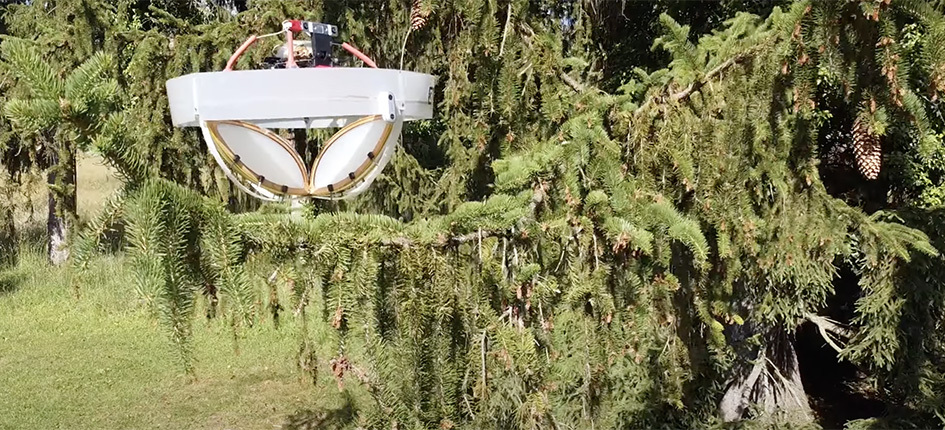
Zurich/Birmensdorf ZH – Zurich researchers have developed a special drone that can land on trees. On its underside, the drone collects environmental DNA to determine species diversity. Now she is being trained for a challenging competition in the Singapore rainforest.
Scientists have developed a special drone that can autonomously collect samples on tree branches. The team included researchers from the Swiss Federal Institute of Technology Zurich (ETH) and the Swiss Federal Institute for Forest, Snow and Landscape Research (WSL) in Birmensdorf, as well as the French-Canadian company Spygen , based in Le Bourget du Lac Cedex and Montreal in the Canadian province of Quebec, according to a media release.
The collected samples contain so-called environmental DNA. Laboratory analysis can then be used to determine which species are present in a given area. This helps ecologists to gain knowledge about biodiversity in areas that are otherwise difficult to access. The particular challenge for the roboticists was reportedly to program the flying device so that it could land on branches with varying degrees of vibration and remain there for a certain amount of time.
The new drone is being trained in the Masoala rainforest at Zurich Zoo. "This has the advantage of knowing which species are present," explains Stefano Mintchev. He is co-author of the study, which has just been published in the journal Science Robotics. "This will help us better assess how completely we are collecting environmental DNA traces with this technique or if we are missing something."
Now the drone is being prepared and further improved for its use in a competition in a 100-hectare rainforest area in Singapore. There, it must be able to fly to and collect samples from ten times as many trees in just 24 hours as it has been able to do in three days. mm
News
The Swiss Academy of Engineering Sciences (SATW) is supporting six innovative projects from the food sector with CHF 25,000 each.
As part of the "Food 4.0" funding program, the Swiss Academy of Engineering Sciences (SATW) is supporting six projects with CHF 25,000 each. Funding is primarily being provided for projects that are looking for ways to increasingly replace animal proteins with plant proteins, as SATW writes in a statement. Fourteen projects were submitted, and a team of experts made the selection.
The aim of the "Food 4.0" program is to strengthen the Swiss food system and equip it for the future by promoting transdisciplinary and innovative projects. The lively scene of start-ups and spin-offs and competitive research would contribute to the fact that Switzerland is on its way to becoming a leading foodtech location.
The projects supported:
Dairy utilization
The BFH Bioconversion and Protective Cultures team led by Daniel Heine and Lisamaria Bircher is working with Agroscope Liebefeld and Doris Erne's start-up company Lokal-Genuss AG to investigate how whey from Swiss cheese production can be fully utilized for human nutrition thanks to lactic acid fermentation.
Peas without bean flavor
The team led by Christoph Denkel (Food Process Technology) and Christian Trindler (Flavor Analytics) is investigating how the concentration of unwanted flavor molecules can be controlled during protein extraction from peas without compromising the protein properties.
Structures for the steak from the laboratory
Simona Fehlmann and her team at ETH Zurich want to further develop a scaffold, an edible foam, on which the cells of cultured meat can grow into a thick piece of meat. The scaffold is based on an open pore system so that nutrients and muscle cells can be distributed homogeneously as the muscle tissue grows.
Shrimp without hook
The start-up Catchfree, led by Lukas Böcker and Severin Eder at ETH Zurich, is developing a process to mold a mass of vegetable protein into shrimp. It should also be possible to produce other vegetable seafood in this way one day.
Vegan glaze sticks
Stephan Bolliger and his team from ice cream manufacturer Cuckoo Produktions AG want to produce vegan ice cream that not only tastes the same as ice cream made from animal proteins, but that can also be shaped as desired - for example into coated ice cream sticks or into ice cream cakes.
Reduce mold in grain
Susanne Miescher Schwenninger and her team at ZHAW are working on microorganisms that naturally reduce a cereal-typical mycotoxin. They would like to explore how exactly this happens, thereby estimating the potential for application to cereals.

News
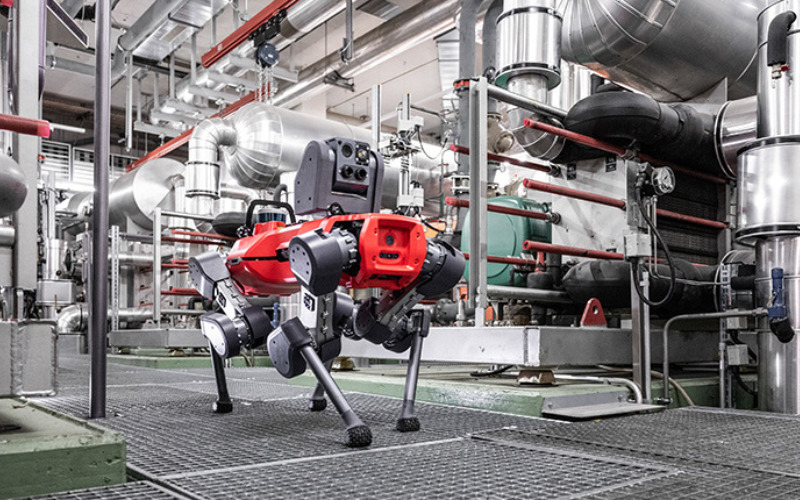
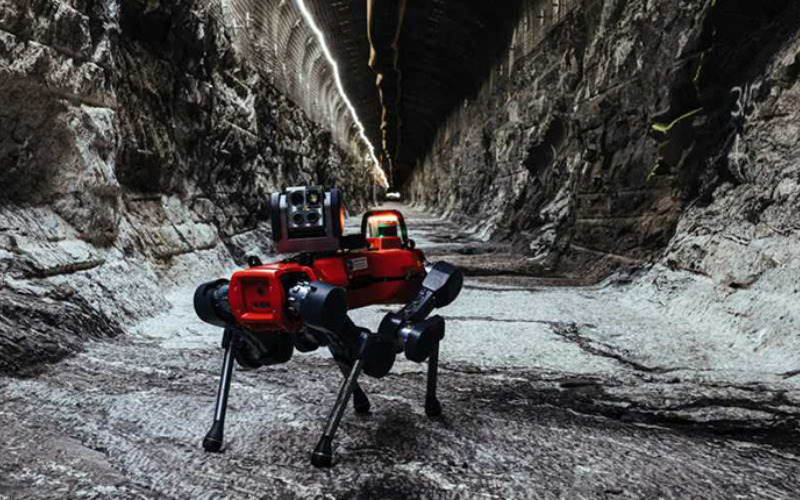
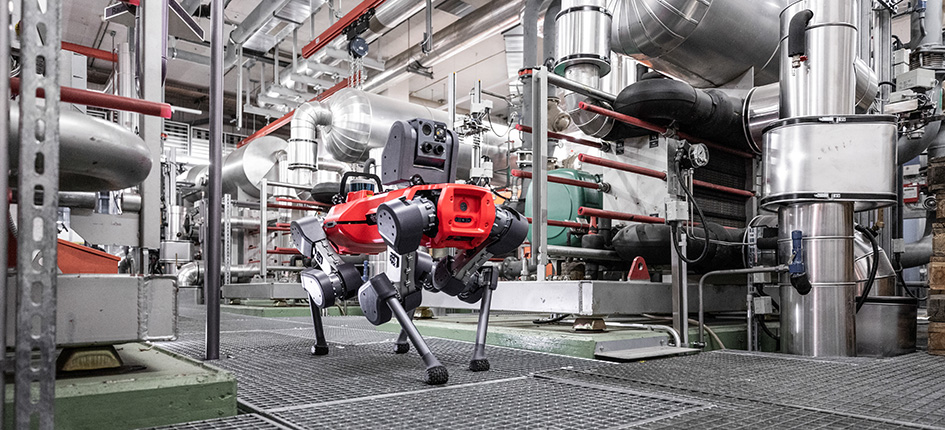
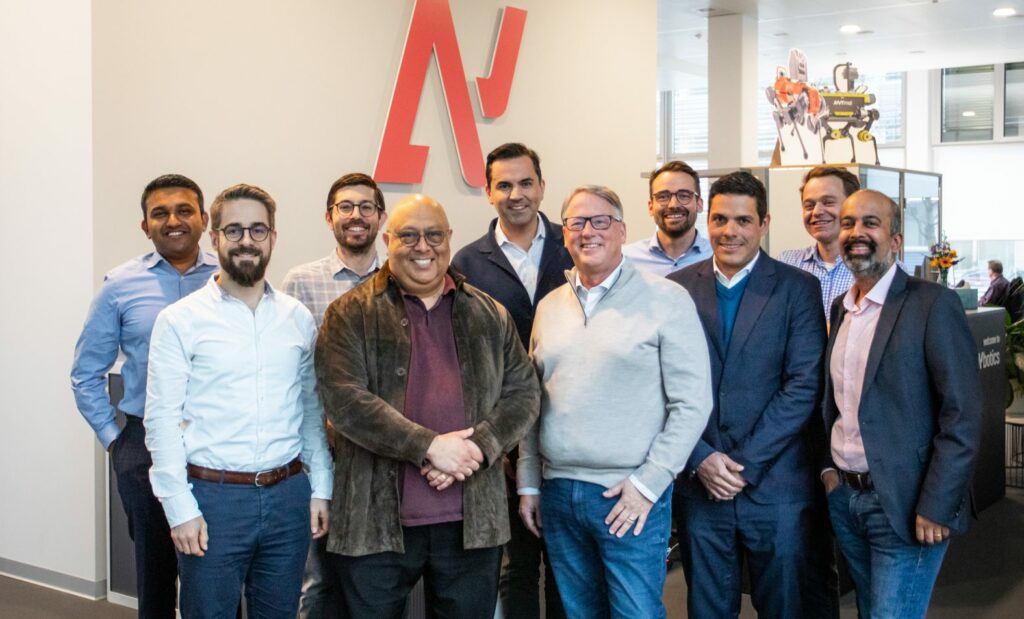
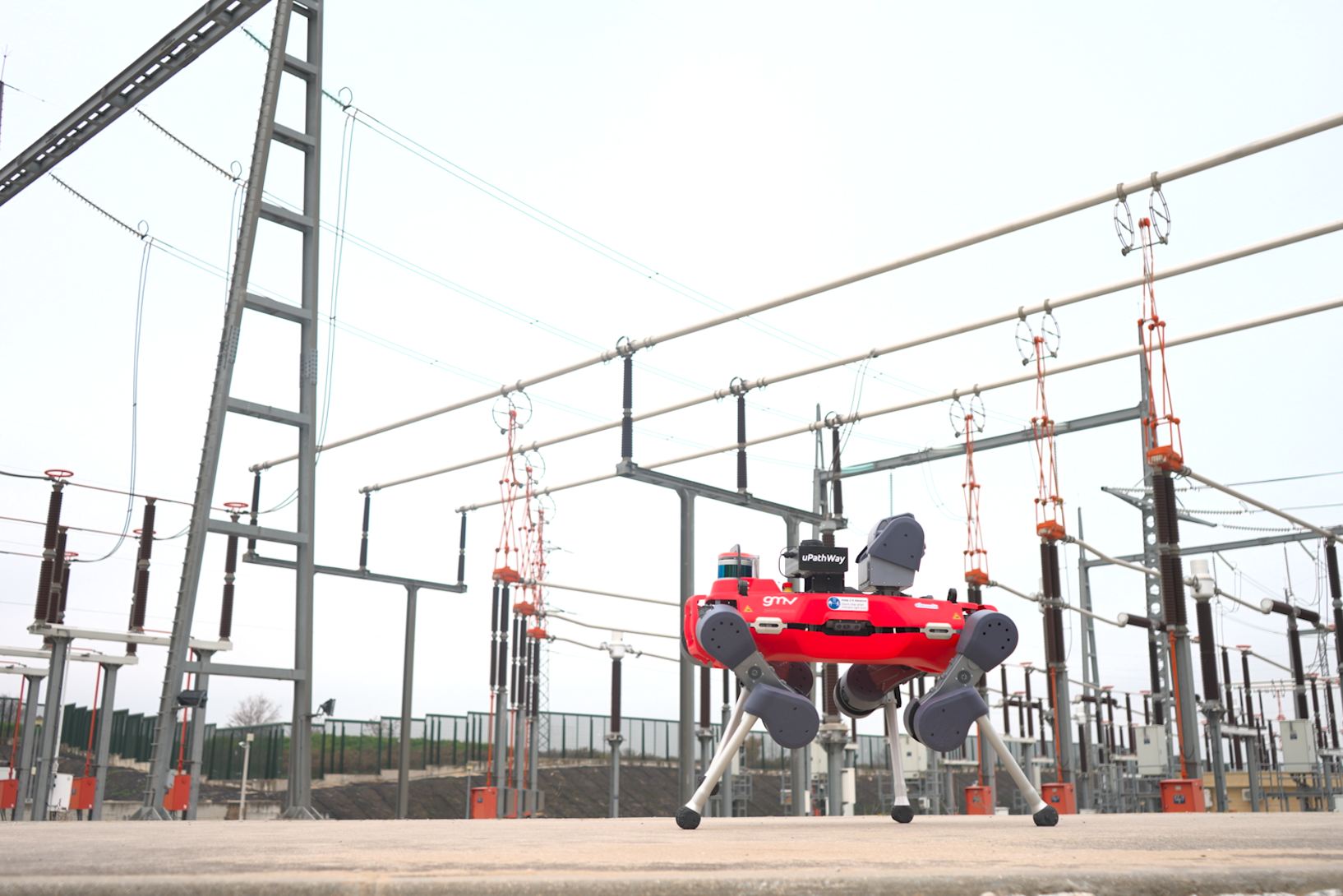
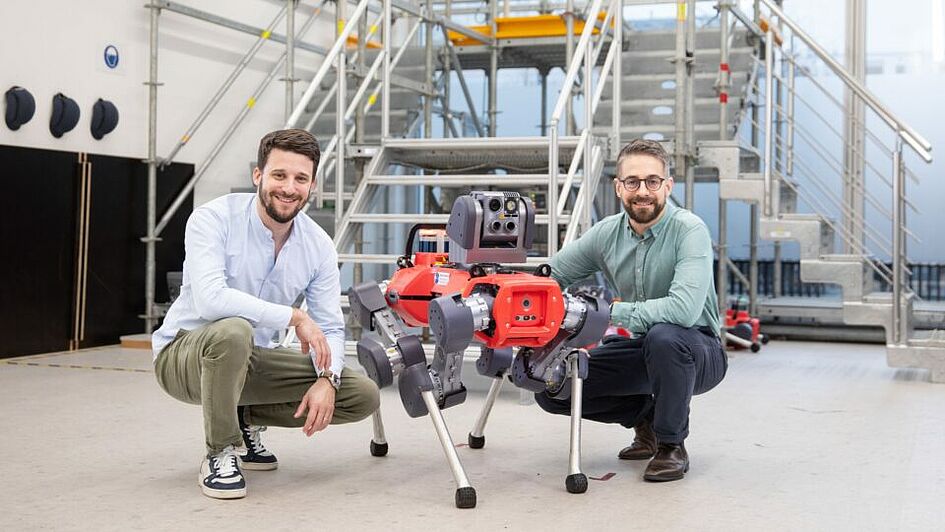
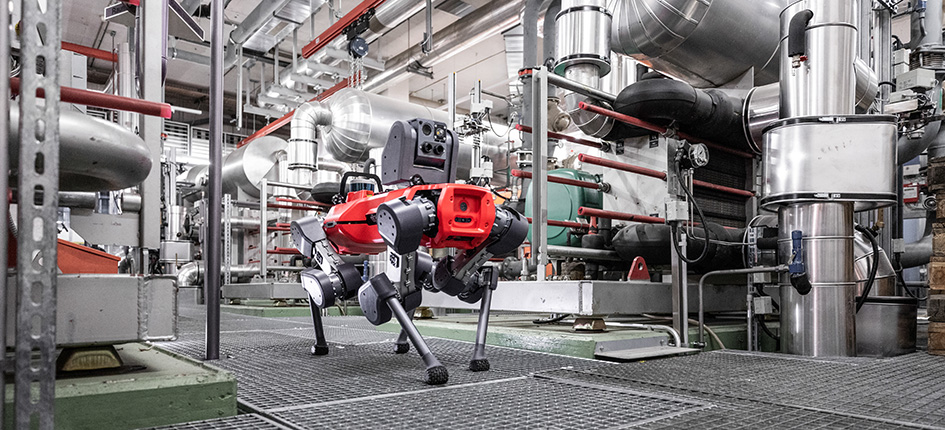
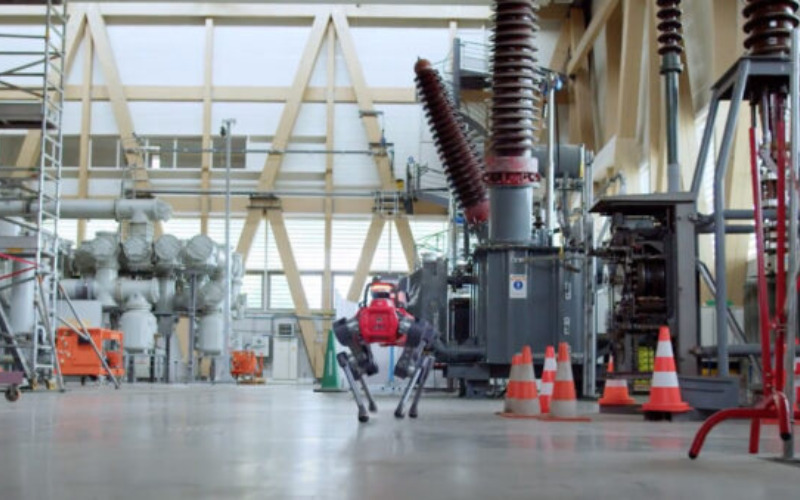
Zurich/Heerbrugg SG – ANYbotics’ autonomous four-legged inspection robot ANYmal now accesses Leica Geosystems’ integrated and three-dimensional scanner detection of the environment. It creates digital twins of the inspected assets more accurately, more quickly, and much more cost-effectively.
The two Swiss companies ANYbotics from Zurich and Leica Geosystems from the St.GallenBodenseeArea are working together, according to a statement on LinkedIn. This cooperation has resulted in an innovation in ANYbotics' ANYmal inspection robot. It consists of the integration of Leica Geosystems' BLK ARC technology into the autonomous four-legged robot ANYmal. This software ecosystem from Leica automates its high-precision 3D environment capture.
ANYbotics, a spin-off from the Swiss Federal Institute of Technology Zurich(ETH), informs about this in a message on LinkedIn. In addition, ANYbotics points to a recorded webinar where Product Manager Sten-Ove Tullbeg and UX Design Lead Florent Mennechet explain about the product update.
The ANYmal thus improved provides operators with 3D models on demand. So while the robot performs its autonomous inspection task, accurate digital twins of the inspected asset can be created via the ANYmal user interface. According to ANYbotics, this is done through a single interface and is more accurate, faster, and about seven times more cost-effective than external scanning.
According to ANYbotics, the ANYmal is the world's only legged robot certified for hazardous areas. This makes it suitable for use in the oil, gas and chemical industries. It enables the complete digitization of monitoring processes and thus also unmanned installations. Its locomotion, navigation and inspection expertise is based on artificial intelligence. According to a media release from September 2022, delivery of the ANYMAL X is planned from mid-2023. mm
News
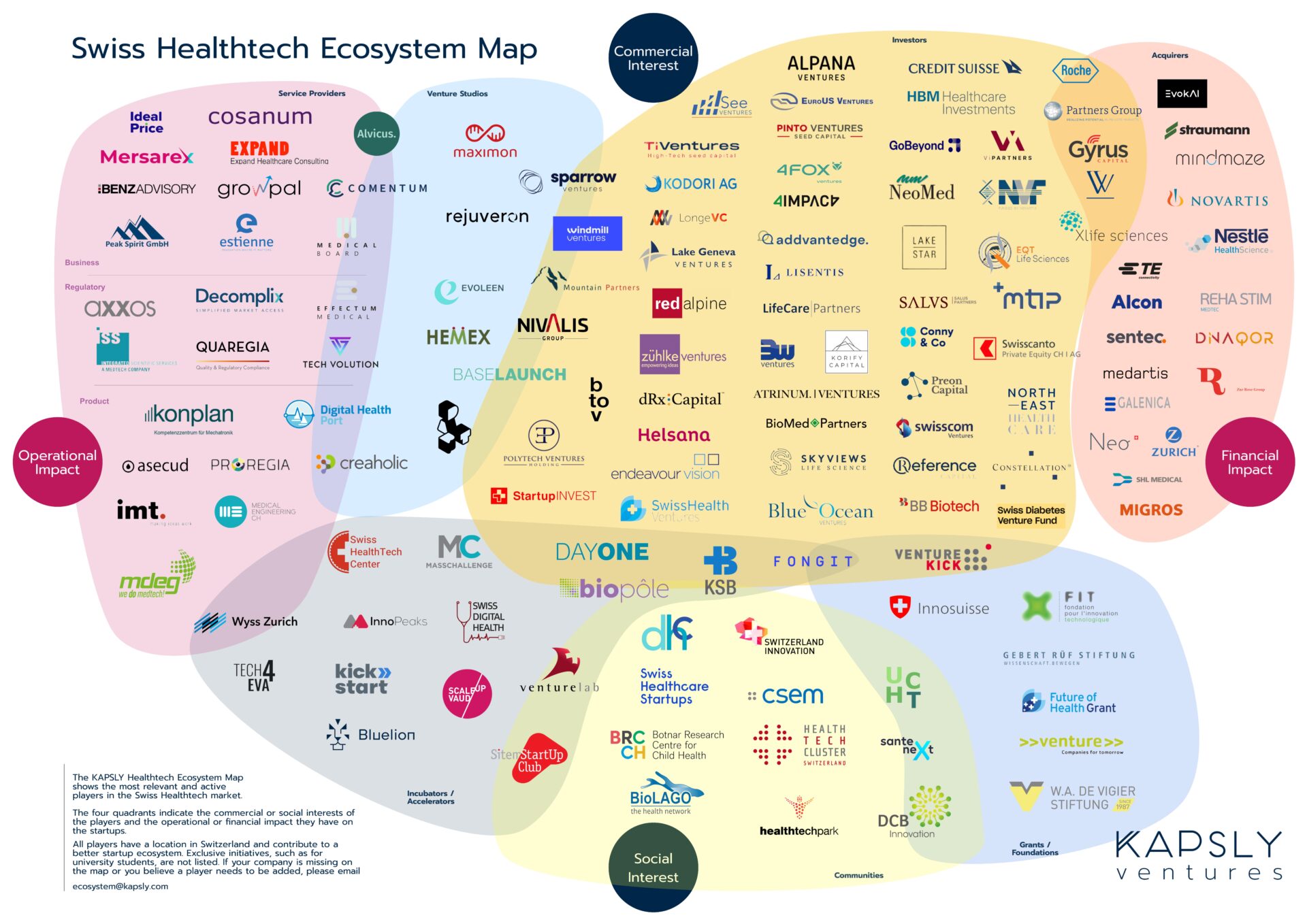
The KAPSLY Healthtech Ecosystem Map shows the most relevant and active players in the Swiss Healthtech market. The four corners indicate the commercial or social interests of the players and the operational or financial impact they have on the startups. All players have a location in Switzerland and contribute to a better startup ecosystem. Initiatives by Universities are not listed.
Investors are the largest group of players, with a variety of funding options available across all startup phases. We identified 126 funding rounds (excl. grants) in Switzerland in the healthtech space in 2022, with over CHF 935 million invested in 102 reported rounds. Additionally, we found that 65 Swiss startups had an exit over the past three years. Our analysis also revealed a surprisingly strong presence of venture studios, with 26 identified in Switzerland and 16 with activities in the healthtech sector. However, only 5 would be considered a venture studio in a more traditional definition. The map illustrates that most players have a commercial interest and financial impact. Incubators and grants cover the social aspects of supporting new companies. We hope to see more operational support for founders in the future. The venture studio model is gaining popularity with more and more players, and it proves its efficacy with impressive success rates. A common believe is that this is due to the professional execution, which reduces operational risks and increase success chances. However, most venture studios remain closed communities, unlike KAPSLY Ventures and its partners, which are also on the map. We also found a large number of service providers, incubators/accelerators, and communities that are highly valuable to the sector, as well as 11 grants relevant for the health vertical. However, it's worth noting that our research only included providers that have a direct affiliation with the healthtech sector or provide additional value for startups, and we didn't include general options and state-funded possibilities.
Investors and Acquirers
Investors are by far the largest group of players in Switzerland. A positive sign is that we identified investors across all startup phases, from early-stage, over growth funding to private equity and buyout funds. We found that most Investors specialise on financing only, whereas we found 22 to be fit the category of acquirers. In 2022 Crunchbase recorded 199 funding rounds in Switzerland in the healthtech space (incl. Pre-Seed to Series E, Grants, Convertible Loans, Venture Debt). In 161 reported funding rounds over CHF 980 million has been invested. In the pre-seed and seed phase only 53 funding rounds have been recorded. Over the past three years (2020-2022), we identified 65 Swiss startups that had an exit. Out of these, 14 acquisitions happened within Switzerland, 9 startups have been sold to German companies and 23 have been sold to U.S.-based companies. Swiss companies acquired 84 healthtech companies (incl. pharma, 56 without pharmaceuticals), which is a large amount compared to 378 total acquisitions by Swiss companies. This could imply that Switzerland is an attractive exit market and has room for more healthtech acquisitions within the country. Swiss companies acquired 9 German companies and 37 U.S.-based companies. Hence there seems to be an equilibrium between bought and sold companies to other countries.
Venture Studios
We encountered 16 venture studios in Switzerland, of which we identified 16 to fit the category healthtech Venture Studio. We further came to understand this category as the most fluent of all in a business sense, as their focus, services and expertise vary greatly, creating various overlaps into other fields.
Service Providers
Out of the hundreds of specialists in the health tech sector, we found 26 to have a special knack for startups in particular. Generally, the healthtech sector, specialists up to large corporations, are openminded towards assisting healthtech innovation, even if they do not specifically specialise in supporting startups. We found this to be a very positive sentiment in the market overall.
Incubators/Accelerators
Out of the growing incubator and accelerator ecosystem in Switzerland that are predominantly agnostic regarding their vertical, we found 14 to offer specific knowledge in the health tech sector. Therefore, general options as well as state funded possibilities such as Innosuisse were not included.
Communities
Among the many founder-focused networks, we identified 15 communities that are highly valuable to the sector, with several groups and platforms offering a variety of services. We did not include Newsletter / Telegram / Facebook / Twitter groups, and also excluded University affiliated groups such as alumni chapters and science related interest groups.
Grants
We found 11 grants that we considered worth mentioning for the health vertical so far. There are a variety of vertical agnostic grants, which are open for innovation in health as well. However, having no in depth knowledge about medical technologies and industry processes, we excluded the majority of founder oriented grants.
Download the map here.
News
Zurich-based startup TONI Digital has secured 12 million Swiss francs in a Series B financing round. The company is a digital insurance-as-a-service provider that offers insurance solutions for consumers and businesses based on its technology platform. The solutions so far cover, among other things, car insurance, personal liability, household contents and payment protection insurance. The company primarily takes a B2B2C approach, working with leading retail and insurance brands and brokers on the distribution side.
The financing round includes participation from new investors as well as existing investors who continue to believe in the success and growth of the company. "The financing is a clear indication of TONI's continued growth and the attractiveness of its business model. The demand for digital and integrated insurance solutions will continue to grow in order to meet customers' expectations and requirements," says Philippe Regazzoni, Chairman of the Board of Directors.
"We would like to thank our investors for their continued support and confidence in our team and vision. We plan to use the proceeds from this financing round to expand our technology platform and launch several new insurance programs and products, as well as to enter new European markets. We will expand our team in sales, underwriting/actuarial and technology," said Bernard El Hage, CEO of TONI Digital.
"In parallel with our business growth, we will continue to expand our scaling capabilities on the technology side by abstracting complexity into configurable no-code/low-code solutions. This allows us to meet the need for customization while using the same technology modules for all products and partners, as well as for all regions and time zones," said Alexander Sanders, CTO at TONI.

News
Continuing education at Empa – designed by specialists for industry.
Rapid technological development in industry, business and society requires a comprehensive overview of a wide range of research and development areas. In this context, the Empa Academy serves Empa as a platform for knowledge transfer, where experts from research and industry can exchange ideas with each other, but also with the general public. One of the aims of the Empa Academy is therefore to regularly inform the public about the knowledge gained in numerous research projects, studies and investigations. It also offers its partners access to Empa's primary strengths: comprehensive, interdisciplinary know-how, scientific expertise and an extensive national and international network of contacts.

News
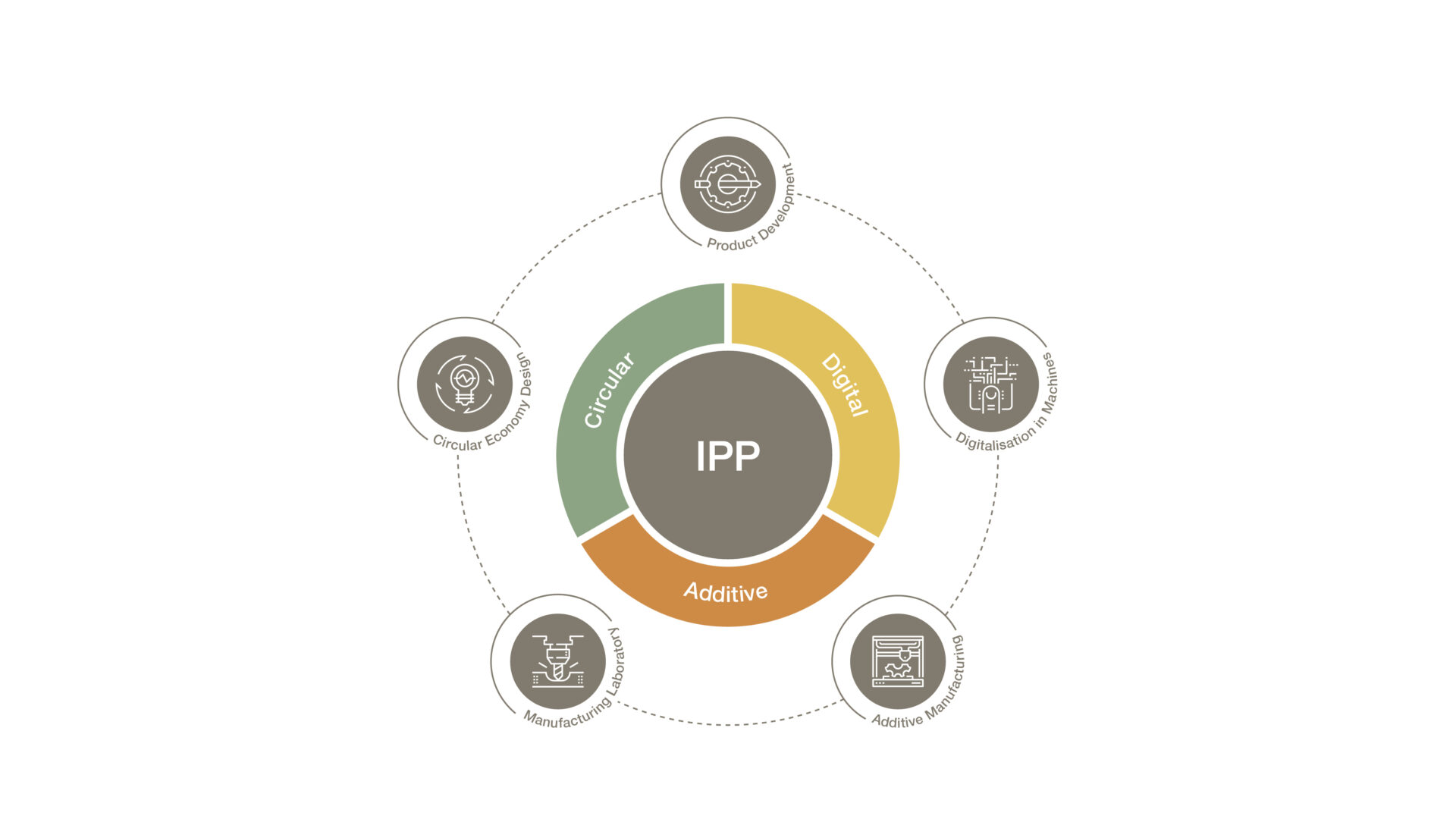
Winterthur – The Institute of Product Development and Production Technologies (IPP) has been founded at the Zurich University of Applied Sciences (ZHAW). It focuses on circular economy, digitalization and additive manufacturing.
The new Institute of Product Development and Production Technologies (IPP) at the Zurich University of Applied Sciences (ZHAW) is positioned in the field of circular economy, digitalization and additive manufacturing. According to a media release, the UAS Board approved the creation of IPP from the School of Engineering's former Center for Product and Process Development (ZPP) in December.
According to the ZHAW, the IPP team imparts its expertise in the mechanical engineering, industrial engineering and transportation systems degree programs, as well as in the master's program and in various continuing education courses. The institute also co-initiated the new Master in Circular Economy Management at the ZHAW. It will be offered for the first time in the fall of 2023.
With its strategic focus on the circular economy, digitalization and additive manufacturing, the institute aims to contribute to the transformation from a linear to a circular society and economy. Regarding the topics, the university's statement says that in order to survive in the market in the future, product ideas must be designed in such a way that a closed material cycle is possible. The institute, which has been the leading house of the Innovation Booster Applied Circular Sustainability funded by Innosuisse since 2020, contributes its expertise to these interdisciplinary issues.
Other focal points are digitization as an overall concept and expertise in additive manufacturing. This involves metal printing and also research projects on printing ceramics, sustainable materials and multi-material printing. gba
News
Starting this year, it will be easier for startups that come from the scientific community to get money to start a business. The reason is the revised Federal Law on the Promotion of Research and Innovation.
You are currently viewing a placeholder content from Default. To access the actual content, click the button below. Please note that doing so will share data with third-party providers.
More InformationThe FIFG revision increases Innosuisse's room for maneuver and flexibility. This is important for our funding activities. For example, national and international innovation projects become even more attractive. Swiss SMEs in particular benefit from this. The revision also provides a basis for targeted new funding opportunities.
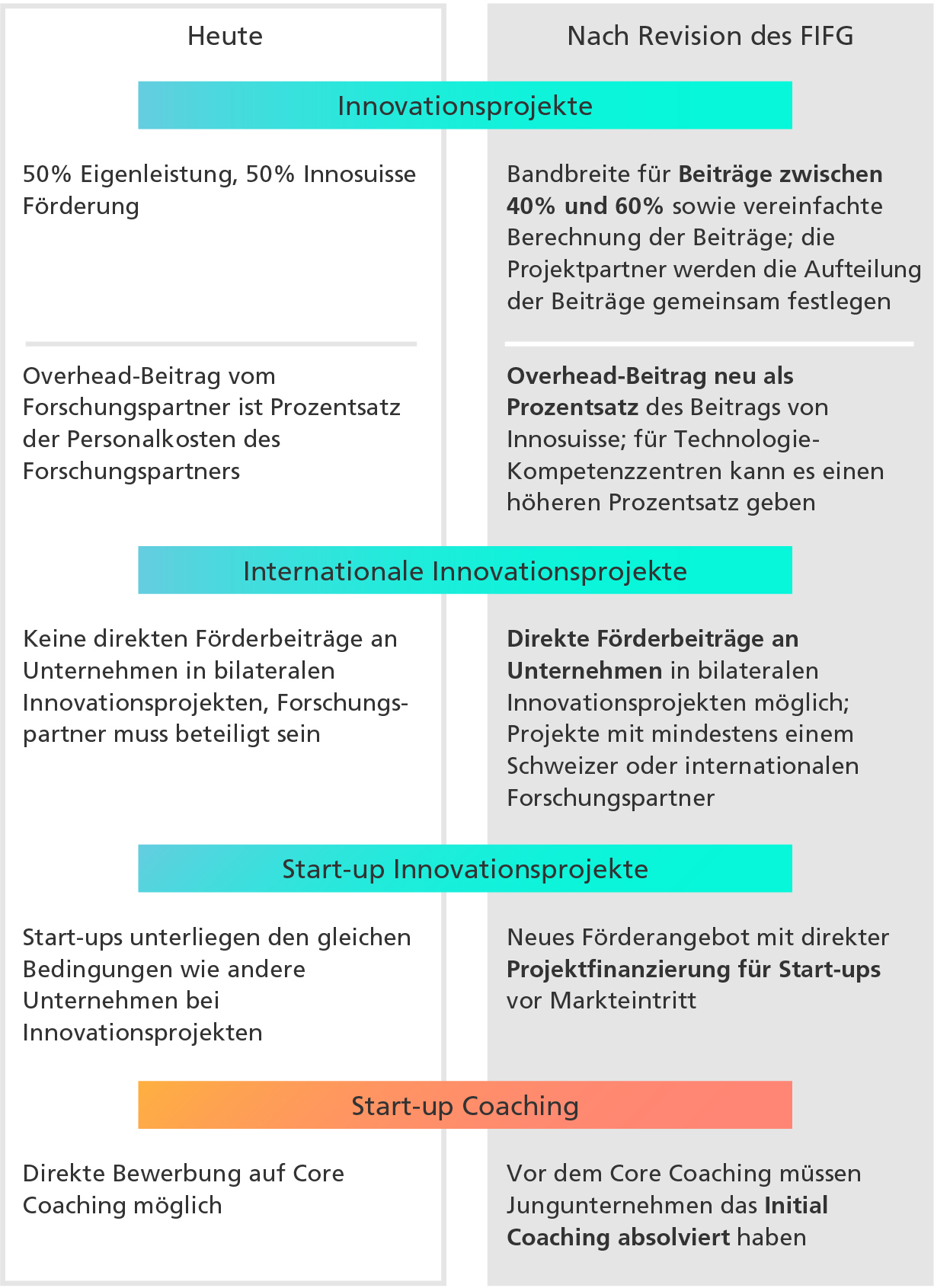
There are changes in various offers. Firstly, in innovation projects, the core of our funding, the division between the participating companies' own contribution and Innosuisse's funding contribution will become more flexible. Second, the funding conditions for international innovation projects are changing. Third, we slightly customize the process in start-up coaching. And last but not least, there is a new funding offer for start-ups: the start-up innovation projects.
Let me briefly elaborate: Innovative companies - such as SMEs, large corporations, start-ups - or other private or public organizations develop novel services and products together with Swiss universities and research institutions within the framework of innovation projects . Today, participating companies as implementation partners must bear 50 percent of the direct project costs themselves. Innosuisse covers the other half, thereby covering the costs of the Swiss research institutes. From January 2023, this own contribution by companies for new innovation projects can be between 40 and 60 percent. The project partners will jointly determine the distribution of contributions. Innosuisse will continue to cover only the direct project costs incurred by Swiss research institutions.
In addition, Innosuisse simplifies the calculation of the various contributions in the project budget. The overhead contribution of the research partner is now assessed as a percentage of the total project contribution of Innosuisse and no longer only on the contribution to the personnel costs of the research partner. We will publish an aid to apportionment and calculation in the project application in late fall.
No, Innosuisse supports projects in all subject areas. This is already the case today. However, the new contribution regulation explicitly mentions both technical and social innovations. This is an important signal of the importance of non-technical innovations. The revised Contribution Ordinance also strengthens the issue of sustainability in Innosuisse's funding.
From 2023, Swiss implementation partners, for example SMEs or start-ups, will be able to receive direct funding in the context of international innovation projects, even if the international project cooperation does not take place within the framework of Eurostars or the thematic EU partnerships .
This is common practice abroad. Without this possibility of direct financial support, Swiss companies have so far been at a slight disadvantage compared to their foreign project partners. The innovation means that Innosuisse can also enter into bilateral collaborations with partner organizations in countries such as the USA, Brazil, South Korea, Israel or Sweden and make contributions to direct project costs of Swiss companies in jointly funded projects from 2023. We will communicate more information on contributions in late fall and list them in more detail in the 2023 calls.
In order to simplify the process and further increase the quality of coaching, from 2023 startups will have to apply to participate in the Core Coaching apply first for Initial Coaching . Only after successful completion of this first phase can start-ups apply for Core Coaching . In the latter, the start-up companies receive support from coaches for a maximum of three years, on the one hand in general terms, and on the other hand with specialist questions in important areas such as intellectual property, financial planning, legal aspects or capital procurement, in order to develop the company further. Now, not only founders as individuals, but also start-up companies as organizations may submit an application. Thus, the coaching services are available for the whole team.
Until now, startups that want to develop science-based innovations and bring their innovations to market have not been eligible for direct financial support. However, the revised FIFG will allow Innosuisse to directly fund science-based innovation projects by start-ups from 2023. Such projects with significant innovation potential must prepare the first market entry of the young companies. Projects do not require a research partner. Innosuisse covers a maximum of 70 percent of the start-ups' eligible project costs. The aim is to support start-ups in the difficult phase leading up to market entry and to accelerate this process.
The start-up innovation projects are not covered by the budget for usual innovation projects, but an additional funding budget is available. We will communicate more information about the funding instrument in late autumn, and details about the start-up innovation projects will be published in January 2023.
The Swiss Accelerator for Swiss SMEs and startups, which we were already able to launch in spring 2022, is a transitional measure for Horizon Europe. This measure is based on an emergency clause in the revised FIFG. In this context, Innosuisse promotes very innovative projects with direct contributions to Swiss start-ups and SMEs.
From 2023, the Swiss Accelerator will only be open to companies that are already established in the market. Before entering the market, young companies can submit a start-up innovation project. Innosuisse is likely to issue calls for projects for the Swiss Accelerator until Switzerland is again associated with the European Union's Framework Research Program. As soon as Swiss SMEs and start-ups can apply for the EU's EIC grants again, the Swiss Accelerator will be discontinued.
You need to load content from reCAPTCHA to submit the form. Please note that doing so will share data with third-party providers.
More InformationYou are currently viewing a placeholder content from Turnstile. To access the actual content, click the button below. Please note that doing so will share data with third-party providers.
More InformationYou are currently viewing a placeholder content from Vimeo. To access the actual content, click the button below. Please note that doing so will share data with third-party providers.
More InformationYou are currently viewing a placeholder content from YouTube. To access the actual content, click the button below. Please note that doing so will share data with third-party providers.
More InformationYou need to load content from reCAPTCHA to submit the form. Please note that doing so will share data with third-party providers.
More Information