News
Many aspects of decarbonising buildings are connected to the sun. But how can new methods and building components such as façades be tested under controlled climate conditions? Dr. Arno Schlüter, ETH Prof. and Director of the new Zero Carbon Building Systems (ZCBS) Lab, had the idea to emulate qualities of the sun.
The sun is a dominant theme in building construction. How can we manage solar radiation? How do we take the regional climate into account? How can we build in a climate-neutral manner? How can we capture solar radiation on buildings to generate energy? All these questions are becoming increasingly urgent in times of climate change and are also being addressed by building technology research. Currently, Prof. Schlüter's team at the Chair of Architecture and Building Systems is tackling these questions and putting the ambitious idea of emulating sunlight and climatic conditions to test full-scale, 1-to-1 building components.
Located on ETH’s Hönggerberg campus, the research group has built a test lab that is unique worldwide. The Zero Carbon Building Systems (ZCBS) Lab consists of several test rooms and a control centre. In the respective test rooms, façade, roof, floor, and wall elements can be installed, and, subsequently, heated or cooled in a controlled way. The largest room – the climate chamber – houses a spectacular solar emulator. Using an array of LED-powered light sources that are concentrated with mirrored reflectors and mounted on a swivelling arm, the solar emulator can be moved both horizontally and vertically to mimic the sun’s path. With this method, the climate and solar radiation of different geographic locations can be created and building component performance data can be generated in much shorter time periods.
"The solar emulator allows us to replicate aspects of sunlight at an exceptional combination of quality and scale," explains Prof. Schlüter. He continues, ”…and it is a uniquely ETH project, where different scientific workshops across ETH have shared their practical know-how with our research team to ensure a future-proof facility.”
First experiments
The first test object is the digitally printed polymer façade from a project of the NCCR Digital Fabrication. The optical and thermal properties of this façade can be customised. Testing with the solar emulator will provide insight into when the façade should allow sunlight through, when it should block sunlight, and when heat should pass through it. This opens up numerous possibilities for rethinking façade design, and more generally building construction and a better use of material resources.
In the future, the Zero Carbon Building Systems (ZCBS) Lab will not only be used by ETH internal research groups but will also be available to external researchers and industry partners. Most recently, a researcher supported by a fellowship from the Velux Foundation has joined the group to conduct research using the ZCBS Lab facilities. Additionally, collaborations to test innovative building components and technologies are in planning with several companies and academic partners.
According to Dr. Krishna Bharathi, the Executive Director of the ZCBS Lab, "Another very special dimension of the lab is that now, it is possible to simultaneously evaluate the technical performance of building components while observing occupant behaviour and interaction. A central aim of this new experimental facility is to keep building users in the design loop.”
Author: Tünde Kirstein, ETH-News
Image source: ETH Zurich / ETH transfer

News
21.co, the world’s leader in providing access to crypto through simple and easy to use products, today announced a $25 million round led by Marshall Wace. This round values the business at approximately $2 billion, making 21.co Switzerland’s largest crypto unicorn. With this round of financing, 21.co will continue to drive rapid, targeted growth through first-of-their-kind products, key market expansions and strategic talent acquisitions. Other investors in the round include Collab+Currency, Quiet Ventures, ETFS Capital and Valor Equity Partners.
In addition to funding, the company also announced its new parent company, 21.co. 21.co is a collection of companies, the largest of which is 21Shares, the world’s largest issuer of cryptocurrency exchange traded products (ETPs) – which is powered by Onyx, a proprietary technology platform used to issue and operate cryptocurrency ETPs for 21Shares and third parties – in addition to Amun, a token provider focused on making the DeFi world more accessible.
This round – raised during Crypto Winter – was the company’s first raise in over two years, a testament to the company’s early success and growing investor demand in the asset class. To prove such investor demand, the company ended 2021 on a nine-figure revenue run rate and has seen sustained inflows, even during down markets. Year-to-date, from September 2021 to September 2022, 21.co recorded over $650 million in net new assets, and hit its peak AUM at $3 billion in November of 2021. To support this rapid business growth, 21.co grew its headcount 75% during this period.
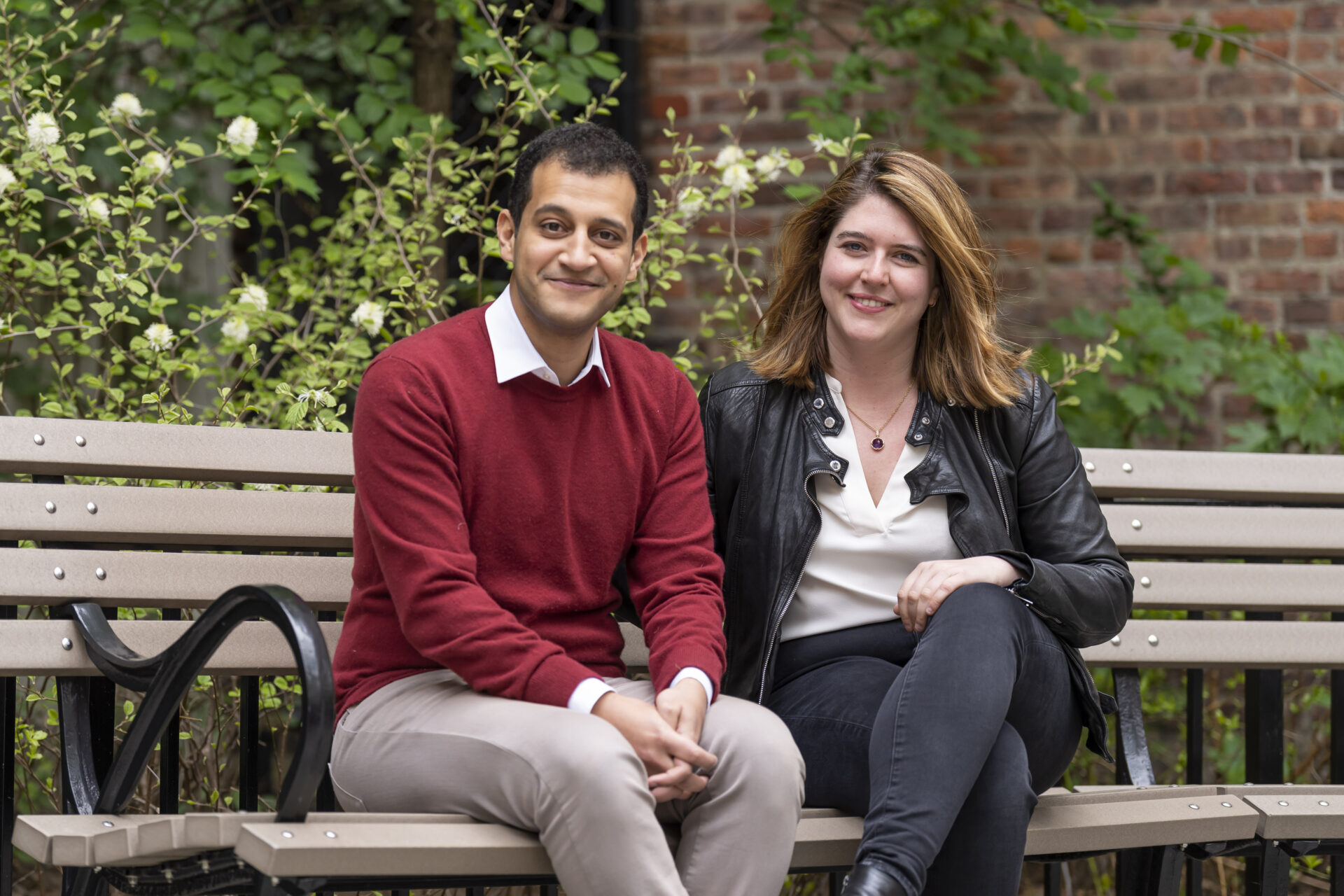
Launched in 2018, by Ophelia Snyder and Hany Rashwan, 21.co was founded to build bridges into the crypto world. Since then, 21.co has been on a tremendous journey to stay at the forefront of the market by providing investors with the most innovative crypto exchange-traded products (ETPs), the broadest token solutions, a decentralized software platform to create, list and manage ETPs globally and more forward-thinking solutions – all powered by free institutional-grade research to educate investors about the evolving industry.
“My co-founder, Ophelia, and I set out with a simple mission to make crypto more accessible,” said Hany Rashwan, CEO and Co-Founder at 21.co. “Now, we’re the highest valued and largest tech startup in Switzerland – and we’re still only in the early days. 21.co remains committed to building innovative products that meet investor demand as this asset class continues to gain rapid momentum.”
“The success 21.co has experienced over the past four years is truly amazing,” said Ophelia Snyder, President and Co-Founder at 21.co. “We have built an incredibly diverse team, with some of the brightest minds in crypto and brought on best-in class investors. Our drive to revolutionize the world of crypto and build bridges into the asset class is only just getting started.”
“At Marshall Wace, our culture is built around innovation – and we saw an immediate alignment of values when meeting with the team at 21.co. 21co is a first-mover in the crypto industry: the company is focused on growth, and committed to bringing new and innovative products to investors across markets – in a secure, accessible way,” said Amit Rajpal, Partner and CEO Asia at Marshall Wace. “Even in the midst of crypto winter, MW believes that 21.co has the potential to revolutionize the industry globally and we’re looking forward to working alongside the team.”
“When I first met the team at 21.co, I understood their long-term vision and truly believed the company would transform the crypto ecosystem,” said Cathie Wood, Founder, CEO and CIO of ARK Investment Management LLC, and an independent board member of 21.co. “This round is a testament to 21.co’s early success and its ability to thrive in both bull and bear markets. I’m proud to be a part of the 21.co growth story.”
News
Zurich – Sygnum is the first Swiss bank to open a hub in the Metaverse. With this, the world’s first bank for digital assets wants to offer investors new access to its products in the crypto-based economy. The launch is on 27 September.
Sygnum is the first Swiss bank to open a hub in the Metaverse. There, the world's first bank for digital assets will present its Web3 product innovations. In addition, this virtual branch will offer "a trusted entry point for investors into the emerging $5 trillion crypto-based metaverse economy", according to a media releasevideo provides first glimpses. The Web3 portal features a Video gewährt erste Einblicke. Das Web3-Portal verfügt über einen CryptoPunk receptionist, an interactive NFT gallery with curated exhibitions by Sygnum, its clientele and artists, and a space for events and launches. The official opening will take place with a livestream event in Decentraland on 27 September at 11am. For the "tele-transport" to this public event, Sygnum will provide a link to interested parties. mm/Café Europe
You are currently viewing a placeholder content from Vimeo. To access the actual content, click the button below. Please note that doing so will share data with third-party providers.
More Information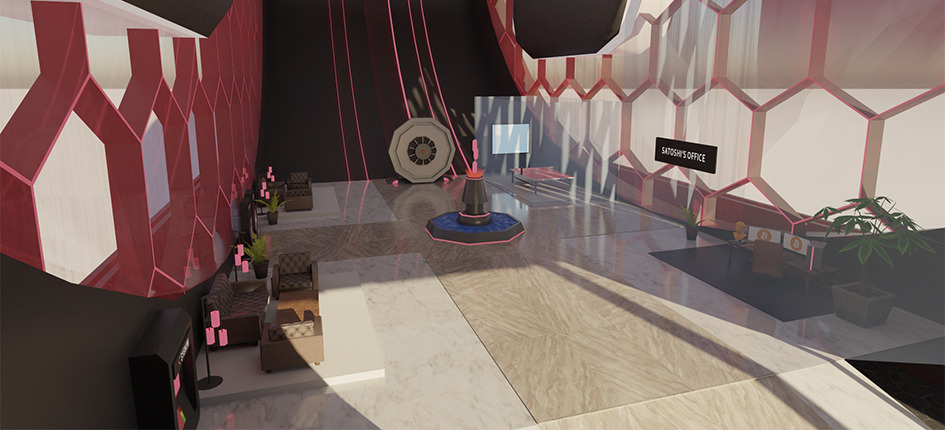
News
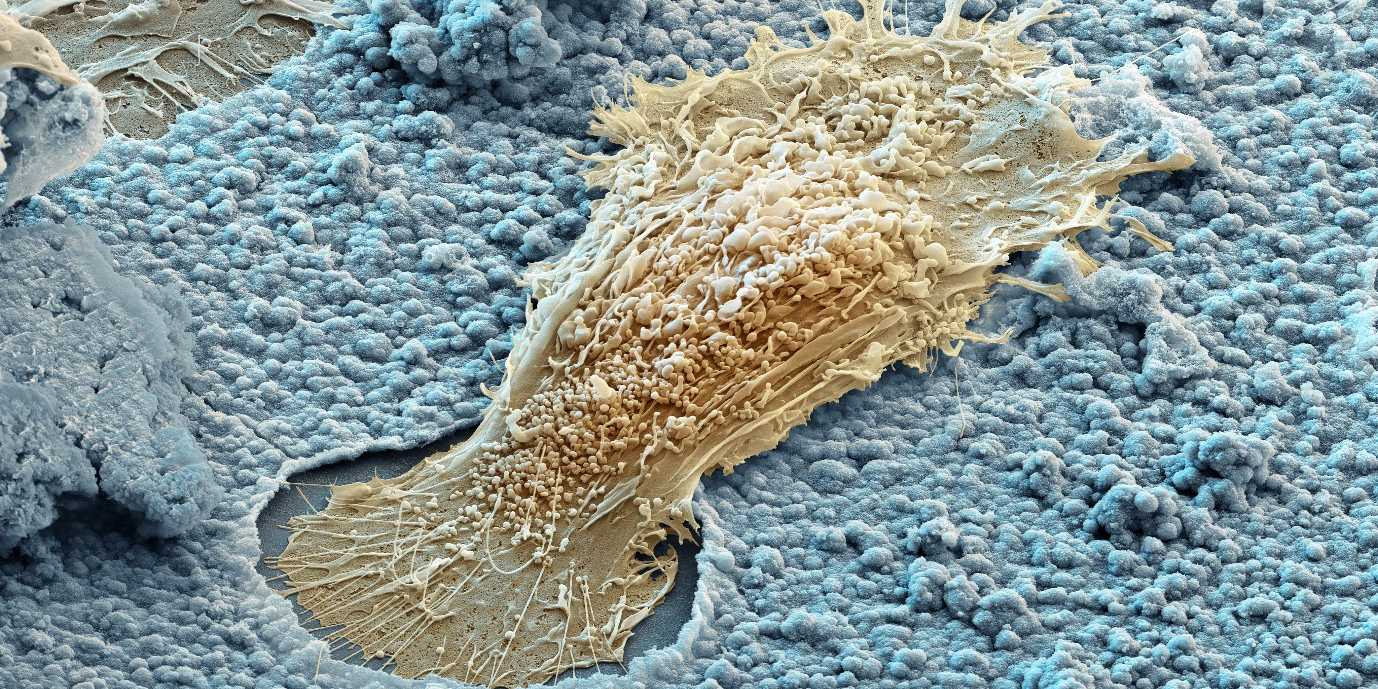
Heart attacks in women are more likely to be fatal than in men. The reasons are differences in age and in comorbidity burden which makes risk assessment in women a challenge. Researchers at the University of Zurich have now developed a novel artificial-intelligence-based risk score that improves personalized care for female patients with heart attacks.
Heart attacks are one of the leading causes of death worldwide, and women who suffer a heart attack have a higher mortality rate than men. This has been a matter of concern to cardiologists for decades and has led to controversy in the medical field about the causes and effects of possible gaps in treatment. The problem starts with the symptoms: unlike men, who usually experience chest pain with radiation to the left arm, a heart attack in women often manifests as abdominal pain radiating to the back or as nausea and vomiting. These symptoms are unfortunately often misinterpreted by the patients and healthcare personnel – with disastrous consequences.
An international research team led by Thomas F. Lüscher, professor at the Center for Molecular Cardiology at the University of Zurich (UZH), has now investigated the role of biological sex in heart attacks in more detail. “Indeed, there are notable differences in the disease phenotype observed in females and males. Our study shows that women and men differ significantly in their risk factor profile at hospital admission,” says Lüscher. When age differences at admission and existing risk factors such as hypertension and diabetes are disregarded, female heart-attack patients have higher mortality than male patients. “However, when these differences are taken into account statistically, women and men have similar mortality,” the cardiologist adds.
In their study, published in the prestigious journal The Lancet, researchers from Switzerland and the United Kingdom analyzed data from 420,781 patients across Europe who had suffered the most common type of heart attack. “The study shows that established risk models which guide current patient management are less accurate in females and favor the undertreatment of female patients,” says first author Florian A. Wenzl of the Center for Molecular Medicine at UZH. “Using a machine learning algorithm and the largest datasets in Europe we were able to develop a novel artificial- intelligence-based risk score which accounts for sex-related differences in the baseline risk profile and improves the prediction of mortality in both sexes,” Wenzl says.
Many researchers and biotech companies agree that artificial intelligence and Big Data analytics are the next step on the road to personalized patient care. “Our study heralds the era of artificial intelligence in the treatment of heart attacks,” says Wenzl. Modern computer algorithms can learn from large data sets to make accurate predictions about the prognosis of individual patients – the key to individualized treatments.
Thomas F. Lüscher and his team see huge potential in the application of artificial intelligence for the management of heart disease both in male and female patients. “I hope the implementation of this novel score in treatment algorithms will refine current treatment strategies, reduce sex inequalities, and eventually improve the survival of patients with heart attacks – both male and female,” says Lüscher.
Author: UZH News
Image source: iStock/Svitlana Hulko

News
Game developers from the ETH Game Technology Center have created an app that explains bone remodelling in a playful way. If students point the camera of their mobile device at the textbook, they find themselves transported to the bone’s surface, where they help cells break down bone tissue.
While textbooks are useful and contain valuable knowledge, their high information density often makes them inaccessible and can be off-putting. Have you ever imagined engaging with the contents of your textbook in a playful and interactive way? The AR Osteoclast app makes this possible. Game developer Jascha Grübel, from the ETH Game Technology Center (GTC), and Bernd Stadlinger, a member of the ETH AI Center and Chief of Service at the Clinic for Cranio-Maxillofacial and Oral Surgery at the Center for Dental Medicine in Zurich, designed the app to give dentists a better understanding of bone remodelling processes.
If students point the camera of their tablet or smartphone at a certain image in their Cell-to-Cell Communication textbook, they end up on the bone surface next to a blood vessel. In this microcosm, magnified by a factor of 600, players control otherwise automatic biological and biochemical processes. Each of the game’s six chapters is introduced by a voice explaining the ins and outs of bone resorption as well as the students’ role in the game.
Every year, 10 percent of our skeleton undergoes bone remodelling without us noticing. Cells known as osteoclasts break down bone tissue, while osteoblasts synthesise new bone. This is crucial knowledge for dentists, since osteoclasts play an important role not only in tooth exfoliation but also in the integration of dental implants into the natural bone structure. On top of that, they protect the jaw bones against bacterial infection and support tissue repair after a tooth extraction.
Before getting started, the game’s main developer Grübel had to come to grips with the subject matter: “I watched instructional videos and mind mapped all the cells involved as well as their functions, actions and interactions.” Since these bodily processes are automatic, Grübel had to figure out which ones to assign to the players. “For instance, when the player taps on the screen, the osteoclast releases messenger substances to attract stem cells, which then turn into osteoblasts and repair the bone,” Grübel explains. On occasion, the players receive symbolic aids: in chapter three they control two taps – one for acid and another for enzymes – enabling them to dissolve the bone with the right amount of each substance. Grübel builds these game mechanisms on a game development platform called Unity. “It’s important for a game for time to pass in the computer as well and to determine the next step in the game,” Grübel says. “Unity predetermines the background for that, such as the laws of physics that should apply in the game.” Because, at the end of the day, all game mechanisms are mathematical computations, Grübel explains.
Finding the right balance between play, science and education is the main challenge, according to the GTC’s Managing Director Fabio Zünd: “A game must be fun and a source of motivation. This means we have to simplify the biological processes without distorting them.” To this end, the game developers entered into an intense exchange of ideas with dental specialists, researchers and the publishers. “Certain moves reminded the researchers of outdated knowledge. So we had to work out together how best to represent the current state of knowledge,” Grübel reports.
Another challenge was to ensure that the app would work on as many devices as possible: “At the GTC, we usually deal with research prototypes – so they might only run on one device, but they can do crazy things,” Zünd says. AR Osteoclasts, by contrast, is an app store product intended to reach as many people as possible. In fact, the developers had to restrict the technology in AR Osteoclasts to ensure that the app would work on older devices as well. The digital artist Violaine Fayolle has compressed the detailed 3D model of the bone on whose surface the player is located to prevent devices from running hot when displaying the game. The 3D model was created by medical film producer interActive Systems. The company participated in the development of the app alongside the publishers
A study is currently underway to determine if the app improves students’ motivation and learning performance. However, the two computer scientists are both convinced that games have great educational potential. “Games can be a vehicle for information, but it’s difficult to know what to communicate,” Grübel says. “We still need more results from the learning sciences.” In striking a balance between play and knowledge transfer, the app may not have turned out as playful as Grübel had hoped; however, considering the short development time, he is pleased with the result. “Turning the contents of a book into an interactive experience is new,” he says. But the developer will get a chance to play around some more after all: together with Bernd Stadlinger, who co-edited Cell-to-Cell Communication, he plans to take the project one step further. “We would like to realise the game in virtual reality, which offers more opportunities for interaction and allows us to study how people and the computer interact,” Zünd says.
Autor: Stéphanie Hegelbach, ETH-Zürich
ETH News
Image source: eye science
News
Pfäffikon ZH – Huber+Suhner is supplying Bosch with 3D radar antennas for autonomous driving. With this partnership, the technology company is continuing its expansion strategy in the automotive industry.
Huber+Suhner is to become a new supplier and development partner for German automotive supplier Bosch. According to a media release, the globally active supplier of connectivity systems has received an order to develop and manufacture radar antennas for semi-automated and automated driving.As the company writes, "the faithful mapping of the vehicle environment by means of radar" is considered the basis on the way to autonomous driving of the future. Huber+Suhner's 3D antenna technology allows driving assistance systems to recognise the driving environment from a long distance.
The antennas are equipped with metallised plastic and can determine the position, relative speed and direction of movement of other road users and objects even at higher speeds.
Huber+Suhner sees the partnership with Bosch, the world's largest automotive supplier according to the company's statement, as a milestone in the implementation of its growth strategy in the automotive industry. The company, based in Pfäffikon ZH and Herisau AR, was already selected in September 2021 by Continental, also of Germany, a leading manufacturerof driving assistance systems, as a partner for the development and series production of radar antennas.
Author: heg, Café Europe
Image source: Huber+Suhner

News
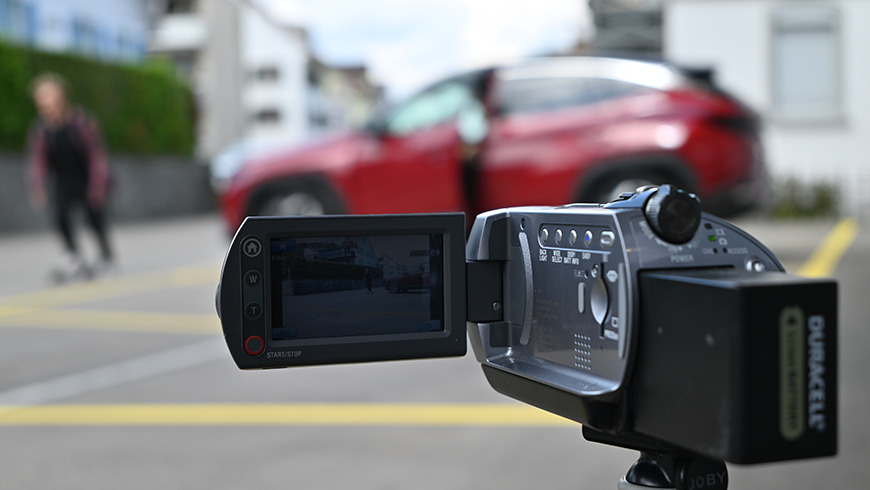
Empa, together with EBP and Fussverkehr Schweiz, analyzed in spring 2022 in Thalwil (ZH) how pedestrians react to automated vehicles. The automated parking assistant that had been used is the first system approved in Switzerland that moves a vehicle without a person sitting in it. The findings of the research project, which was co-financed by AXA’s Foundation for Prevention, create an important basis for prevention measures and design principles for sustainable road spaces.
Automated driving will shape everyday urban mobility in the future. However, many questions are still open, such as how pedestrians will react to automated vehicles and how a sustainable and safe mobility system can be designed for all road users. The research project "Pedestrians and Automated Driving" provides initial answers and opens up the dialog on interaction between automated vehicles and pedestrians, which is crucial for the future.
In this first phase of the project, field studies were conducted on two test days in Thalwil to determine how pedestrians react to an automated vehicle in real-life situations. To this end, parking situations were carried out with a vehicle equipped with a parking assistant. Empa experts contributed their in-depth knowhow about vehicle technology to this social science pilot study. "Safety was of central importance in the field studies. Our research team ensured that the vehicle was properly equipped and also operated correctly," explains Empa researcher Miriam Elser. Also involved in the field studies was project manager Bettina Zahnd from EBP Switzerland: "What we noticed already on the first day of the trial is that many people react to the driverless vehicle and look for eye contact with a person who is in control of the car." This finding was confirmed in the interviews: Almost 70% of the interviewees recognized the driverless car and 60% of the interviewees saw or actively looked for the person in charge.
The reactions of the passers-by varied depending on their age. For example, older passers-by sought eye contact with a responsible person more often than younger people did. In addition, older people were more wary of the new technology, whereas younger people assume that the technology works or it hardly impresses them. The results further point to a knowledge gap in the population: For only about 20% of respondents, the topic of "automated driving" was not entirely new. Many people are not yet aware that driverless technologies are already approved in Switzerland. The project team recommends, for example, an information campaign as a possible measure to raise public awareness of the topic.
Also of interest: Roughly the same number of people are neutral/positive as negative about automated vehicles. It is clear that automated vehicles will play an increasingly important role in Swiss traffic in the future and that the discourse about this must be stimulated already today.
News
This episode is about Lean. Alfred and Patrick report on projects in Germany, Austria and Switzerland that deal with Lean in GP practices, long-term care and hospitals.
Since the last summer special a year ago with Johanna Stahl (which, by the way, is currently the second most successful episode of this podcast), a lot has happened. And so Alfred Angerer once again chats out of the closet and has invited the new member of his team and well-known Lean podcast colleague Patrick Betz.
Patrick, the grand seigneur of Lean, now combines his passion for teaching with his consulting work in his new position at the Winterthur Institute for Health Economics. Creating evidence for Lean in the healthcare sector is one of the goals that the new research assistant in Alfred's team is pursuing.
And Lean is one of the topics of this episode. Alfred and Patrick report on projects in Germany, Austria and Switzerland that deal with lean in GP practices, long-term care and hospitals.
But they also take a comprehensive look back at projects in the team that deal with value-based healthcare and digital health. And it turns out, working in team management in healthcare doesn't get boring.
Listen in to this podcast episode and learn more about the opportunities and challenges facing the Lean Optimisation philosophy and what Alfred and his team are dealing with beyond that!
You are currently viewing a placeholder content from Default. To access the actual content, click the button below. Please note that doing so will share data with third-party providers.
More InformationThe podcast "Marketplace Healthcare" is the podcast on healthcare management and leadership. Alfred Angerer is a professor at the ZHAW for Management in Healthcare and the founder of Marktplatz Gesundheitswesen. In the podcast he interviews exciting people with whom he discusses the current trends. In doing so, he is looking in a forward-thinking direction that does not neglect topics such as digitalization and process optimization.
News
Alzheimer’s disease damages the brain decades before the first symptoms appear.
Prof. Rafael Polania and Caroline Lustenberger are developing convenient home monitoring solutions to detect Alzheimer's early and intervene in time.
Author: Tünde Kirstein, ETH Zurich
ETH News
Image source: ETH Zurich / ETH transfer

You are currently viewing a placeholder content from YouTube. To access the actual content, click the button below. Please note that doing so will share data with third-party providers.
More InformationNews
The Digitalization Initiative of the Zurich Higher Education Institutions (DIZH) is funding four innovation structures with a total of 16 million Swiss francs. These structures will intensify the exchange between higher education institutions in the canton of Zurich and real-world companies and partners in the long term.
The DIZH digitalization initiative launched by the University of Zurich, the Zurich University of Applied Sciences, the Zurich University of the Arts and the Zurich University of Teacher Education is funding four innovation structures with a total of 16 million francs, as was reported in a press release.
The new organizational forms will focus on areas including cybersecurity and innovations in digital health, strengthening the collaboration between higher education institutions in the canton of Zurich and companies or partners in practice in the long term.
The structures include a new place at the Dübendorf Innovation Park where experts from science and industry will in future shape the future of autonomous systems, such as independently navigating drones.
The Zurich Applied Digital Health Center will also receive funds. It researches digital health solutions in the hospital context and brings together experts from clinics, research, development and industry.
A third structure being backed is the Cyber Resilience Network of the Canton of Zurich. Its goal is to increase the resilience of Zurich as a business location and its population against cyber risks.
The Digital Health Design Living Lab is the fourth structure, as a hub for participatory design in digital health care. It will design innovative digital solutions “in the interest of high-quality, human-centered and value-based healthcare” with participation from the population.
Author: Café Europe / ko
swisstrade
Image source: DIZH

News
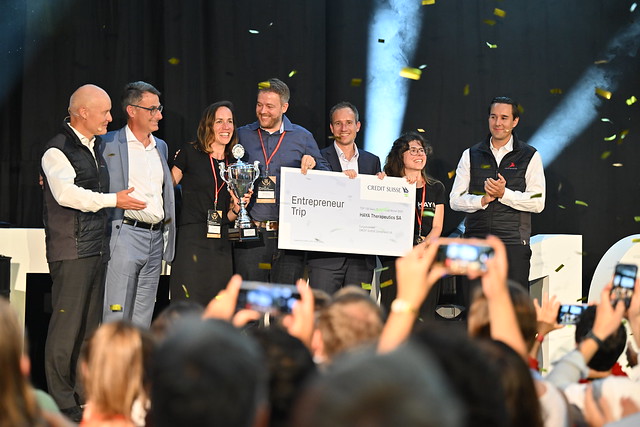
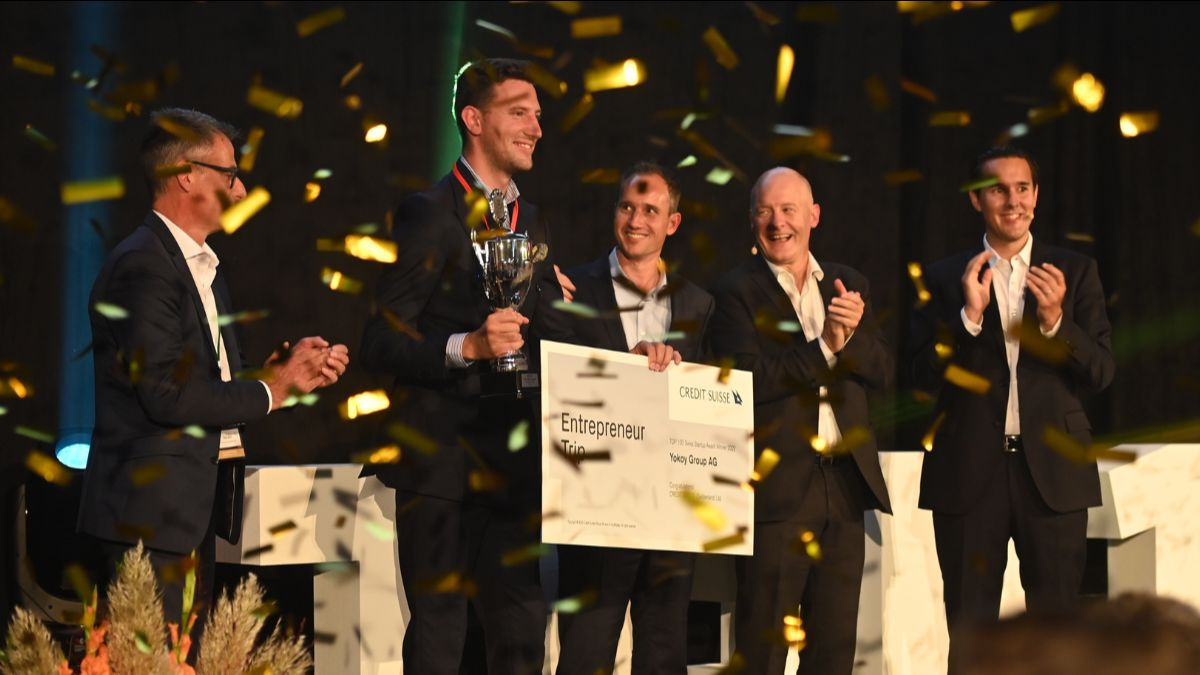
Yokoy (1st), Planted Foods (2nd), and Ledgy (3rd) were the top picks of the expert jury. A selected audience of startups, investors, and key partners of the TOP 100 were present at the event, held at startup space in Schlieren. In the afternoon 100 handpicked Swiss and international investors met the startups at the TOP 100 Investor Summit 2022.
Three startups from the fintech and foodtech sectors lead the TOP 100 Swiss Startup ranking in 2022. Yokoy, Planted Foods, and Ledgy represent the diversity and potential of Swiss startups: They are, on average, three and a half years old, have already created over 420 new jobs, and have raised a cumulated CHF 153 million. For the first time since the creation of the TOP 100 Ranking, a fintech startup has taken first place, which illustrates the meteoric growth of this field in recent years. The 12th edition of the TOP 100 Swiss Startup Award was organized by Venturelab and facilitated by its presenting partners Credit Suisse and Swiss Venture Club.
First place: Yokoy | Zurich | Company expenses and credit cards on autopilot
Fintech company Yokoy uses artificial intelligence to automate the entire corporate spend and corporate credit card process. The Zurich-based startup was founded in 2019 by Melanie Gabriel, Devis Lussi, Thomas Inhelder, Philippe Sahli, Lars Mangelsdorf and was ranked 20th in 2021.
Second place: Planted Foods | Kemptthal (ZH) | Turning plants into “meat”
Planted Foods revolutionizes the food industry by creating plant-based protein made of 100% animal-product-free ingredients. The vegan meat alternatives do not include any additives. Planted Foods was founded in 2019 by Christoph Jenny, Eric Stirnemann, Lukas Böni, and Pascal Bieri and ranked 37th in 2020.
Third place: Ledgy | Zurich | Setting equity for growth
Ledgy is an equity management platform that helps startups manage their cap table, employee participation plans, funding rounds, and investor relations. The ICT startup was founded in 2017 by ETH Zurich physics graduates Yoko Spirig, Ben-Elias Brandt, and Timo Horstschäfer and ranked 13th in 2021.
Ranks 4- 10
4 CUTISS AG | Zurich | Biotech
5 CREAL SA | Vaud | Engineering
6 9T Labs AG | Zurich | Engineering
7 Carvolution AG | Bern | ICT
8 HAYA Therapeutics SA | Vaud | Biotech
9 Bloom Biorenewables SA | Fribourg | Cleantech
10 Daphne Technology SA | Vaud | Cleantech
With more than 40 new nominees, the 2022 ranking offers a unique panoramic view of this innovative ecosystem, which is positioned among the best internationally. You can find the complete ranking with more information about the Top 100 startups plus a ranking of the 25 best scale-ups and several background articles in the Top 100 magazine which was again published in five languages.
“This year’s ranking reflects the strength of the Swiss ecosystem” says TOP 100 program director Stefan Steiner. “With a record 2.6 billion francs in venture capital already affected into startups during the first half of the year, it is in Olympic share, and we aim to continue on this track, despite the current crises affecting the global economy”.
10 winners of the public Voting
In parallel to expert ranking, the public was also invited to select their favourite startup in ten verticals. The winners are:
Biotech: TissueLabs Sagl | Ticino
Cleantech: SoHHytec SA | Vaud
Engineering: dimpora AG | Zurich
Fintech: Alpian SA | Geneva
Foodtech: myDropz AG | Aargau
ICT: Almer Technologies AG | Bern
Medtech: Bearmind SA | Vaud
Proptech: Popety SA | Geneva
Robotics: Sevensense Robotics AG | Zurich
Security: Strong Network SA | Vaud
Multiple events, magazines and more
Born in 2011 as a ranking and event to celebrate the best Swiss startups, the “TOP 100 Swiss Startup” has grown into a benchmark in Switzerland. Today the TOP 100 offers an Investor Summit, multiple events along the year, the only startup magazine translated in five languages and the flagship evening TOP 100 Swiss startup award, often referred to as “The Swiss Oscar for startups”, which took place in Schlieren and was again live-streamed for a global audience. The 512 Swiss deeptech startups that have been featured in the TOP 100 Ranking over the past 12 years have created 16,149 jobs and raised CHF 11,1 billion. 71 exits and eight IPOs top off the achievements of these innovators.
Author: startupticker.ch
Bildquelle: startupticker.ch
News
What is Open Innovation and how can you benefit from it?
Sari Depreeuw, IP lawyer at Crowell & Moring, introduces you to the benefits of open innovation, the default rules of IP that apply in the setting and how to well prepare the handling of IP issues before and during open innovation.
The Swiss IPI maintains an IP advisory network that offers free initial consultation on issues concerning patent protection and software copyright protection: More information
Innovation ideas supported by one of the Innovation Boosters can benefit from an assisted patent search by the IPI for free: More Information
You are currently viewing a placeholder content from YouTube. To access the actual content, click the button below. Please note that doing so will share data with third-party providers.
More InformationYou need to load content from reCAPTCHA to submit the form. Please note that doing so will share data with third-party providers.
More InformationYou are currently viewing a placeholder content from Turnstile. To access the actual content, click the button below. Please note that doing so will share data with third-party providers.
More InformationYou are currently viewing a placeholder content from Vimeo. To access the actual content, click the button below. Please note that doing so will share data with third-party providers.
More InformationYou are currently viewing a placeholder content from YouTube. To access the actual content, click the button below. Please note that doing so will share data with third-party providers.
More InformationYou need to load content from reCAPTCHA to submit the form. Please note that doing so will share data with third-party providers.
More Information