News
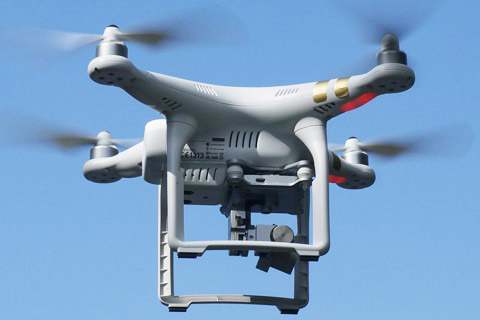
The Joint Committee of the bilateral agreement between Switzerland and the European Union on air transport decided on November 24, 2022, that Switzerland will adopt the EU drone regulations as well as other EU legislation. New regulations will apply to drone pilots from January 1, 2023. The Swiss drone industry will benefit from the harmonized legal framework with the EU. The Federal Council has approved the adoption of the new provisions.
Under the bilateral air transport agreement, Switzerland and the European Union (EU) regulate the internationally oriented aviation sector uniformly and through a joint committee. The Joint Aviation Committee has decided that the regulatory framework for unmanned aerial vehicles (drones, model aircraft and unmanned aerial vehicles of other categories) already in force in the EU will also come into force in Switzerland from January 1, 2023.
European regulation sets safety standards for the manufacture, certification and operation of drones. A new distinction is made between the three categories "open", "special" and "subject to approval", depending on the operating risk. All remote pilots who wish to operate a drone in the open category must have a certificate obtained after training with a final examination. The adopted regulation provides for mutual recognition of the respective certificates in the EU and Switzerland.
Improved protection
New maximum flight altitudes, weight limits as well as area restrictions apply. To address the concerns of the population, regulations were introduced in the areas of environmental protection, privacy and security.
Switzerland will also apply the European regulation on "U-Space". This is a set of digital and automated functions and processes deployed in a defined airspace. U-Space aims to safely integrate the increasing number of civil drone flight movements into the airspace to ensure the conflict-free coexistence of manned and unmanned aviation systems. From now on, pilots have a better overview of the traffic situation.
The Joint Committee also updated several existing provisions. Adjustments to the regulation of slots at airports clarify airlines' entitlement to slots in the upcoming scheduling period in the context of the COVID-19 pandemic. For fuel planning, existing requirements will be adjusted to account for new fuel or energy sources as well. In addition, administrative facilitations allow several air carriers of the same group of companies to jointly apply for a permit to perform aircraft maintenance operations (CAMO).
For Switzerland, the Director of the FOCA, Christian Hegner, signed the decision of the Joint Aviation Committee. The Federal Council approved the adoption of these provisions at its meeting on November 9, 2022. The new provisions of the agreement will enter into force on January 1, 2023.
News
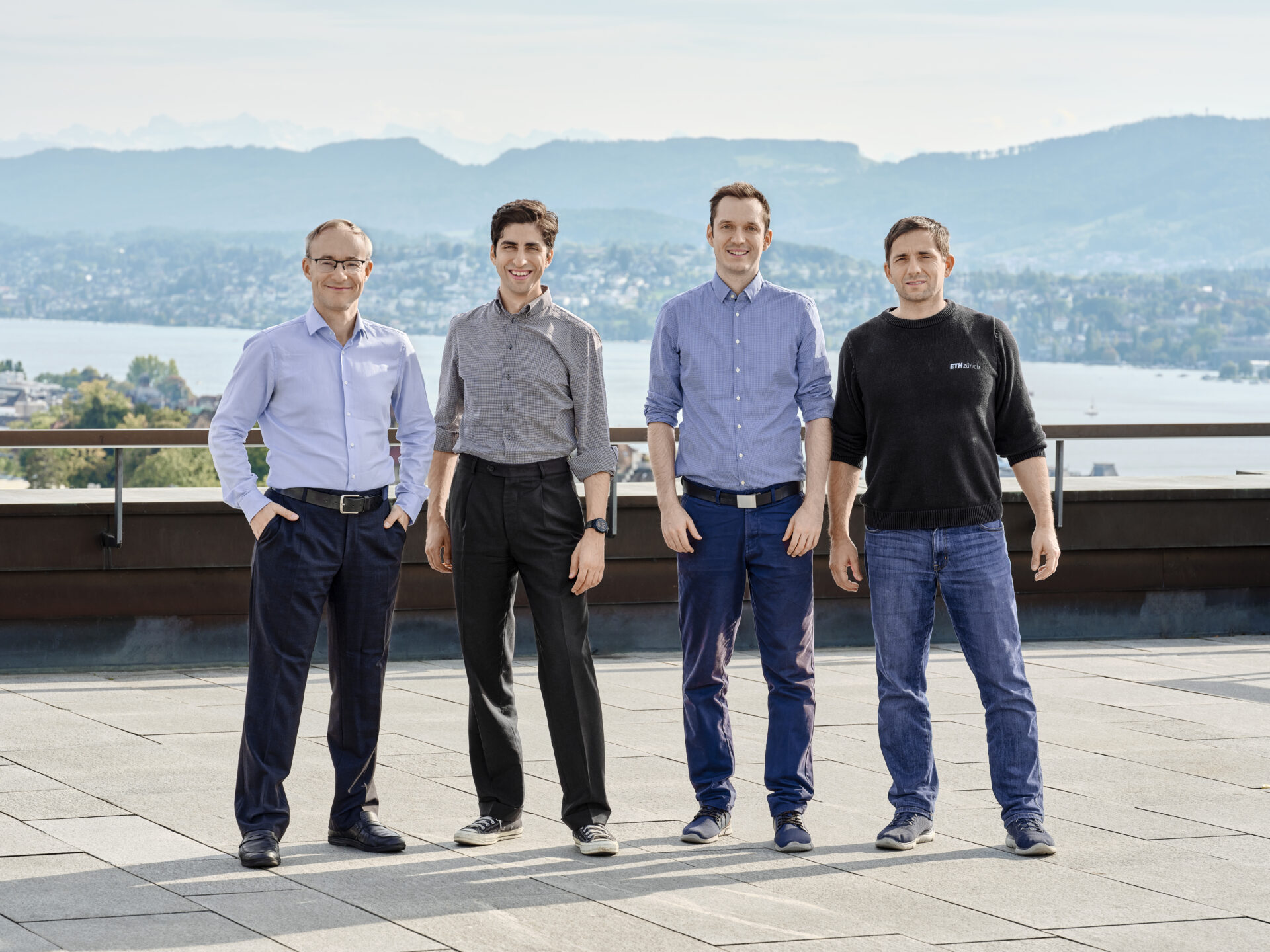
LatticeFlow, a startup that was spun out of Zurich’s ETH in 2020, helps machine learning teams improve their AI vision models by automatically diagnosing issues and improving both the data and the models themselves. The company today announced that it has raised a $12 million Series A funding round led by Atlantic Bridge and OpenOcean, with participation from FPV Ventures. Existing investors btov Partners and Global Founders Capital, which led the company’s $2.8 million seed round last year, also participated in this round.
As LatticeFlow co-founder and CEO Petar Tsankov told me, the company currently has more than 10 customers in both Europe and the U.S., including a number of large enterprises like Siemens and organizations like the Swiss Federal Railways, and is currently running pilots with quite a few more. It’s this customer demand that led LatticeFlow to raise at this point.
“I was in the States and I met with some investors in Palo Alto, Tsankov explained. “They saw the bottleneck that we have with onboarding customers. We literally had machine learning engineers supporting customers and that’s not how you should run the company. And they said: ‘OK, take $12 million, bring these people in and expand.’ That was great timing for sure because when we talked to other investors, we did see that the market has changed.”
As Tsankov and his co-founder CTO Pavol Bielik noted, most enterprises today have a hard time bringing their models into production and then, when they do, they often realize that they don’t perform as well as they expected. The promise of LatticeFlow is that it can auto-diagnose the data and models to find potential blind spots. In its work with a major medical company, its tools to analyze their datasets and models quickly found more than half a dozen critical blind spots in their state-of-the-art production models, for example.
The team noted that it’s not enough to only look at the training data and ensure that there is a diverse set of images — in the case of the vision models that LatticeFlow specializes in — but also examine the models.
“Ifyouonlylookatthedata — and this isafundamentaldifferentiatorfor LatticeFlowbecause we not only find the standarddataissueslikelabelingissuesor poor-qualitysamples,butalsomodelblindspots,whicharethescenarios where themodelsarefailing,” Tsankov explained. “Once the model is ready, we can take it, find various data model issues and help companies fix it.”
He noted, for example, that models will often find hidden correlations that may confuse the model and skew the results. In working with an insurance customer, for example, who used an ML model to automatically detect dents, scratches and other damage in images of cars, the model would often label an image with a finger in it as a scratch. Why? Because in the training set, customers would often take a close-up picture with a scratch and point at it with their finger. Unsurprisingly, the model would then correlate “finger” with “scratch,” even when there was no scratch on the car. Those are issues, the LatticeFlow teams argues, that go beyond creating better labels and need a service that can look at both the model and the training data.
LatticeFlow itself, it is worth noting, isn’t in the training business. The service works with pre-trained models. For now, it also focuses on offering its service as an on-prem tool, though it may offer a fully managed service in the future, too, as it uses the new funding to hire aggressively, both to better service its existing customers and to build out its product portfolio.
“The painful truth is that today, most large-scale AI model deployments simply are not functioning reliably in the real world,” said Sunir Kapoor, operating partner at Atlantic Bridge. “This is largely due to the absence of tools that help engineers efficiently resolve critical AI data and model errors. But, this is also why the Atlantic Bridge team so unambiguously reached the decision to invest in LatticeFlow. We believe that the company is poised for tremendous growth, since it is currently the only company that auto-diagnoses and fixes AI data and model defects at scale.”
Author: Frederic Lardinois, TechCrunch
Image source: LatticeFlow
News
During the Climathon 2022, participants worked intensively for 24 hours on solutions for climate protection and climate adaptation in Zurich. Of the 21 ideas presented, an interdisciplinary jury selected the 6 most convincing and rewarded them with a total of 40,000 Swiss francs in prize money. The city is using the hackathon to promote innovation and as a participatory format on the path to the net-zero climate goal.
Around 110 participants from business, science, non-profit organizations and administration took part in this year's Climathon, which was organized by the Impact Hub at Kraftwerk Zürich. Over the course of 24 hours, they worked together in teams to develop ideas to help the city of Zurich achieve its net-zero 2040 climate goal. The city provided the tasks, called climate challenges, and assisted the teams with expertise. The solutions were diverse, ranging from repair platforms to sustainable shipping boxes to educational quiz apps. The event was opened by City Councillor Simone Brander, Head of the Department of Civil Engineering and Waste Management, who in her speech pointed out the power of the Climathon: "The Climathon conveys hope and motivation and is an incentive to change something, to move something together with others."
The result was 21 project ideas, of which the 6 most convincing were awarded by the jury. "Innovation and drive are needed on the road to net zero," says jury member René Estermann, Director of Environmental and Health Protection Zurich. "With the Climathon we support promising projects, new start-ups and valuable collaborations are created." Following the hackathon, all teams have the opportunity to revise their projects, present them online on the Climathon platform and further develop them in dialog with others.
The following projects were awarded a total of 40,000 Swiss francs in prize money:
Fountain: Beverage stations enable consumption of healthy, flavored beverages on the go and reduce PET bottle consumption.
MiniMenu: As a digital assistant, MiniMenu makes cooking easier for single-person households thanks to climate-friendly recipe suggestions.
SugarCup: SugarCup makes it easier to repair clothes by connecting neighbors and nearby repair services through an app.
Klimit: The reward and information system motivates companies and end customers to eat more sustainably.
Blocsy: Blocsy offers a furniture system made of reclaimed wood that can be reassembled again and again depending on the needs and space.
Cyclix: Cyclix connects customers and bike stores and helps to find the right store for repairs.
The Climathon was initiated by EIT Climate-KIC. Climathons are held in over 200 cities worldwide. In Zurich, the event is organized by Impact Hub. The main local partner and sponsor is the city of Zurich. Lara Mogge, Project Manager at Impact Hub Zurich, says: "The Climathon brings together people from different backgrounds and shows how each of us can actively and collaboratively develop local climate solutions. The Climathon connects and inspires people to contribute and implement their own ideas."
Source: City of Zurich
News
AWS Europe (Zurich) Region allows customers to run workloads and replicate applications and data across distinct groups of data centers called Availability Zones. This new Region has three fully redundant Availability Zones located in the vicinity of Zurich. It offers low-latency access to applications while meeting data residency requirements.
Regions and Availability Zones
AWS (Amazon Web Services) has the concept of a Region. Each Region is fully isolated from all other Regions. Within each Region, they have built Availability Zones. These Availability Zones are fully isolated partitions of their infrastructure that contain a cluster of data centers. Availability Zones are typically separated by multiple kilometers to mitigate the impact of disasters that could affect data centers. The distance between Availability Zones varies between Regions. The distance is large enough to avoid having data centers impacted by the same event at the same time but close enough to allow workloads with synchronous data replication. Availability Zones are linked by redundant, high-bandwidth, and low-latency network connections. Regions are linked by our custom-built, global, low-latency, private network with exabits per second of capacity in Europe.
Unlike other cloud providers, who often define a region as a single data center, the multiple Availability Zone design of every AWS Region offers advantages such as security, availability, performance, and scalability.
Continuous Investments in Switzerland
AWS has a long history of presence in Switzerland. They have worked with Swiss customers and partners since the launch of AWS 16 years ago. The first Swiss office was opened in Zurich in April 2016 to host the growing local team of technical and business professionals dedicated to supporting Swiss customers. In 2017, the AWS network was expanded into Switzerland with the launch of an Amazon CloudFront edge location and an AWS Direct Connect location. To support this growth, a second AWS office was opened in Geneva.
AWS plans to invest up to 5.9 billion Swiss francs in the Europe (Zurich) Region from 2022–2036 as they build, maintain, operate, and develop data centers to support the projected growth in demand for AWS technologies by our customers.
According to an AWS Economic Impact Study (EIS), this investment will contribute 16.3 billion Swiss francs to the GDP of Switzerland during the same period. This includes the value added by AWS services to the IT sector in Switzerland, as well as the direct, indirect, and induced effects of AWS purchases from the Swiss data center supply chain. The study estimates that this investment will support an average of 2,500 full-time jobs annually at external businesses in the Swiss data supply chain from 2022–2036.
Available Today
The new Region is available today on the AWS Management Console and for API calls.
Image source: AWS Economic Impact Study

News
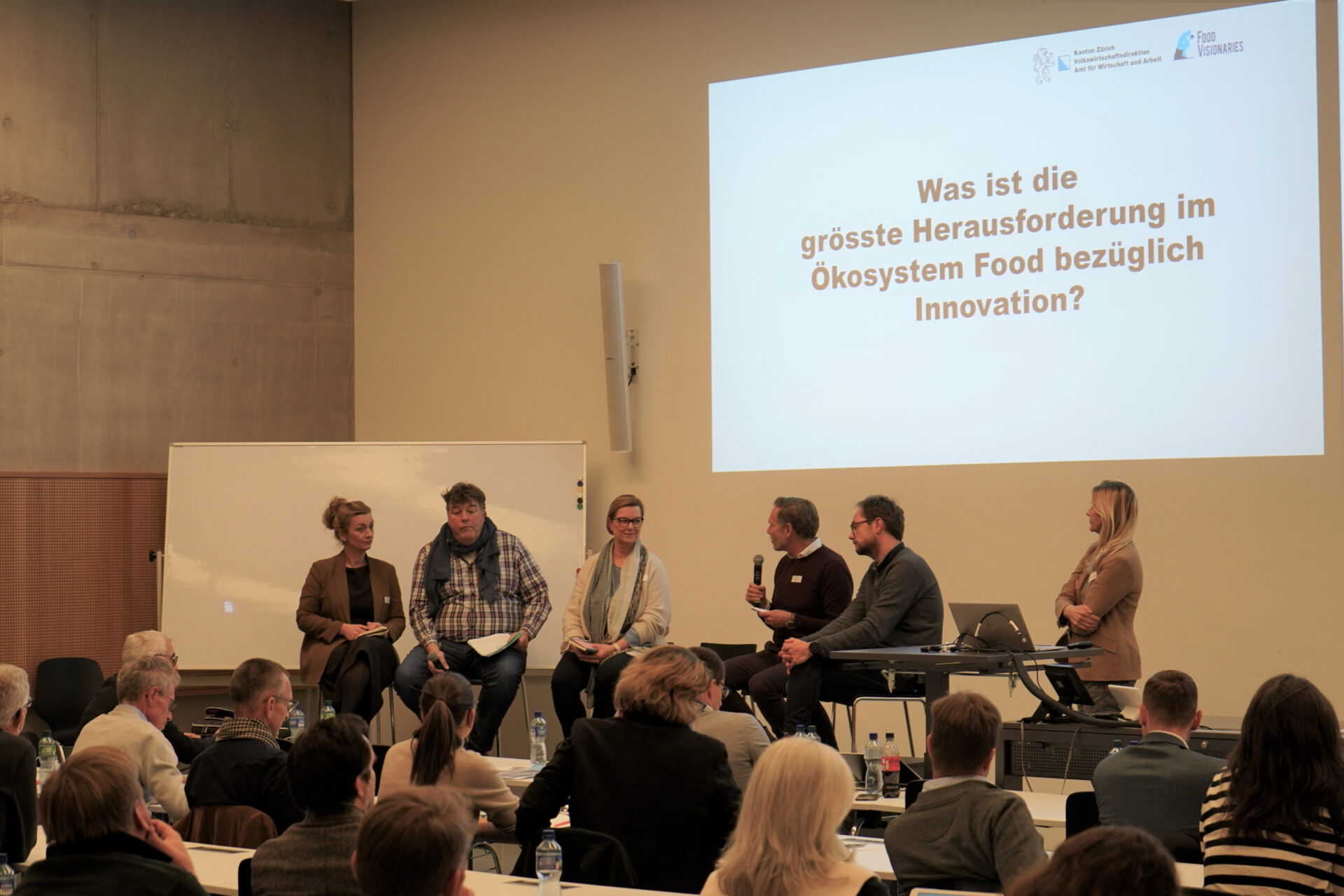
The Division of Business and Economic Development in the Canton of Zurich and the think tank Food Visionaries network the cantonal food ecosystem. At the first major networking event, a current study on the needs of the Zurich FoodTech scene was presented and discussed.
The Network Food Canton Zurich invited people from the Zurich food ecosystem to a first major event in Wädenswil. Two virtual roundtables had taken place in 2021. Now, the Division of Business and Economic Development of the Canton of Zurich and the Food Visionaries think tank took the network to the next level to further strengthen regional innovation in the food sector. The network came together at the Wädenswil site of the Zurich University of Applied Sciences (ZHAW), where a center for the so-called agro-food business is united under one roof. More events are to follow, said Anne Schmidt, project manager food of the Division of Business and Economic Development of the Office of Economic Affairs. According to Food Visionaries co-founder Bettina Brinkmanns, the platform aims to bring together the entire value chain.
In order to create a basis for effective networking, the innovation network SwissFoodResearch has analyzed the needs of the food ecosystem on behalf of the location promotion. Lucas Grob and SwissFoodResearch CEO Peter Braun presented the results at the event. Among other things, the study identifies the lack of production sites, regulatory hurdles or the low rate of those who make use of subsidies as starting points for assistance. Peter Braun said, "A cluster approach to innovation systems already exists in the Zurich economic area - not many regions have that."
The sticking point of regulatory hurdles was addressed by Bettina Brinkmann in her capacity as President of the Swiss Food-Agro-Tech Association (SFATA). SFATA supports the development and approval of innovations. Brinkmann referred to the experimentation article from the health sector. According to the Federal Health Insurance Act, this is intended to create the legal basis for innovative pilot trials for cantons, among others." Investor Daniel M. Böhi of Alphorn Ventures presented the project The Forge in Thayngen SH. In cooperation with Unilever Switzerland, an innovation center specializing in nutrition is planned here on 40,000 square meters. The center will offer expert support as well as access to machinery.
In the panel, five experts ended up discussing what could spur food innovation. Christina Senn-Jakobsen of the Swiss Food Nutrition Valley association looked at the strong innovation support of other countries. "That's what we're missing," she emphasized. Money is available, said Marina Helm Romaneschi - director of the innovation cooperative dieCuisine, among others. But it is not always clear where and how to obtain it, he said. The canton could play an important role here as a guide.
Martijn Sonneveldt, as director of the ETH Zurich World Food System Center, advocated, among other things, institutional dialogue in the ecosystem and overcoming cantonal thinking. Michel Roux, co-president of the Zurich Nutrition Forum, focused on an intensive examination of eating habits. Fundamentally, the managing director of the Zurich Farmers' Association, Ferdi Hodel, affirmed: "We have to give food a value, at the moment we define it by price." Then it could become clearer which innovation is future-oriented. Fabian Streiff, as Head of the Division of Business and Economic Development, concluded with the quote: "Those who want to go fast must go alone. Those who want to go far must go together with others."
News
The lightweight and recyclable gold alloys from ETH spin-off Goold enable a circular economy for gold.
In doing so, they are helping to mitigate the environmental impacts and social problems associated with gold mining.
Author: Tünde Kirstein, ETH Zurich
ETH News
Image source: ETH Zurich / ETH transfer

You are currently viewing a placeholder content from YouTube. To access the actual content, click the button below. Please note that doing so will share data with third-party providers.
More InformationNews
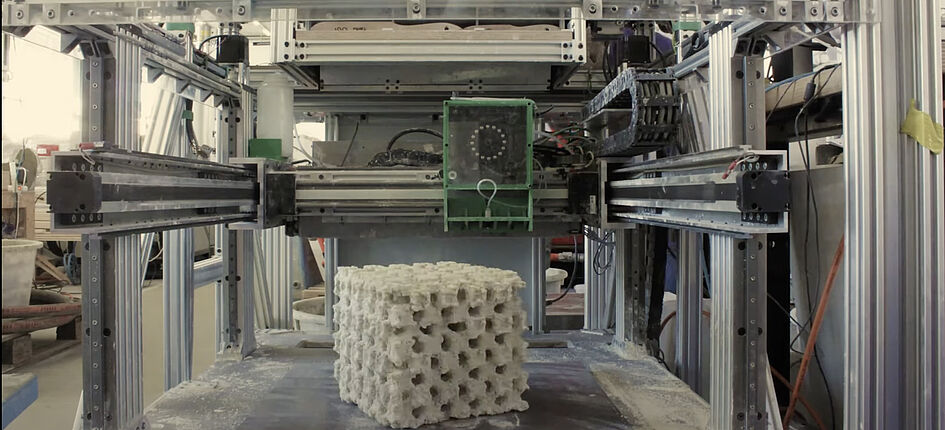
Dübendorf ZH – The Swiss Federal Laboratories for Materials Testing and Research has developed a swarm of drones modeled on bees that cooperatively print and place 3D materials in flight. These BuilDrones are monitored by ScanDrones.
An international research team from the Swiss Federal Materials Testing and Research Institute (Empa) has developed a swarm of cooperative drones for use in construction. The model is the cooperation of bees and wasps. How the Empa reports, the flying robots print out 3D materials in the air under human control and place them in the designated locations. The performance of these BuilDrones is recorded and monitored by a second fleet, the ScanDrones. They also specify the upcoming manufacturing steps.
Empa also demonstrates in a video that this is the first time such detailed 3D printing has been performed by a free-flying robot. The scientific journal "Nature published the study of the team of Professor Mirko Kovac of the Materials and Technology Centre of Robotics on Sept. 21 online and made them available in its most recent issue of the September 22 to the Cover Story.
Called aerial additive manufacturing, the drones are designed to adapt their activity to the different geometries of the structure as the building process progresses. They act autonomously during their deployment. A human controller observes the process and makes adjustments as necessary based on information provided by the drones.
"We have demonstrated that the drones can operate autonomously to construct and repair buildings, at least in the lab," Kovac is quoted as saying. This could facilitate work in hard-to-reach areas such as high-rise buildings. Now, according to Empa, the experts want to work with construction companies to validate the developed solutions in practice and develop new repair and manufacturing options. mm/Café Europe

News
PreComb Therapeutics announced today that it closed its 1.3m CHF Pre-Series A Round. Biotech and deep tech-focused venture capital firms LongeVC and Kinled, in addition to family offices and private investors, participated in the investment. PreComb is developing an evidence-based therapy prediction for cancer drug discovery and therapy guidance using its patented 3DTwin® technology.
Cancer remains one of the leading killers, with about 10 million deaths worldwide attributed to the disease in 2020. While personalised medicine is gaining traction in other medical fields, only 5%–10% of cancer patients currently benefit from customised treatment plans matching their unique genetic profile.
PreComb’s groundbreaking technology generates 3D tumour twins that mimic the behaviour and characteristics of the original tumour. The 3DTwins® then undergo AI-supported testing using a broad range of cancer drugs to determine which treatments will be most effective for an individual cancer patient. In the future, physicians will be able to use PreComb to conduct fully automated tests directly in their clinics for rapid results and direct treatment planning.
“Cancer is an incredibly individualised disease,” said Jens M. Kelm, CEO and co-founder of PreComb. “Success of treatment depends largely on the unique tumour profile as well as the patient's biology. PreComb removes the guesswork from treatment protocols to ensure patients receive therapies tailored to their unique needs. We look forward to working with our new investors to advance our technology’s capabilities and reach.”
LongeVC Managing Partner and co-founder Sergey Jakimov said, “Personalised medicine is the future of healthcare. PreComb is using this technology to transform the narrative on cancer treatment and help individuals live longer and healthier lives post-diagnosis. We are proud to back their industry-defining work in oncology.”
Chairman of Kinled Patrick Aisher said, “PreComb will not only help patients receive the best treatments available but also serve as an invaluable resource for physicians and drug developers. By investing in their technology, we aim to unlock a greater understanding of cancer medicine for all.”

News
Every company strives to be innovative, but most are missing key ingredients. How can you identify which ingredients your organization needs — and which employee styles can fill in the gaps? The authors’ research distills four key innovation styles that can lead to success — generators, conceptualizers, optimizers, and implementors — and explains how common they are across sectors. Then, they outline a four-part framework for ensuring your team or organization has all four styles represented.
How do you identify and empower innovators in your company?
Collectively, we have spent over 40 years researching this question. Our research on innovation styles identifies and examines the different preferences and roles people take on when pursuing innovation. By understanding this concept, organizations can better identify where specific people are needed and who should work together to generate new breakthrough ideas.
Our latest study relies on data collected between October 2006 and January 2021, across as many people in as many organizations as possible. Over 100,000 people — 112,497 to be precise, with nearly equal parts men and women — responded to the call, and we continue to collect data every day. Respondents came from 84 countries and work in a wide variety of companies and industries, including Microsoft, ArcelorMittal, Boston Symphony Orchestra, NASA, United Way, and Harvard University (and Harvard Business Review!).
Each respondent told us about what they like to do and what they do well when they solve problems (and what they do not like or do not do well). These answers revealed an individual’s preference for one of four unique innovation styles, each of which maps onto a distinct phase of a four-stage innovation process. Each style has a role to play in your organization, starting with finding new problems (generators), thoroughly defining problems (conceptualizers), evaluating ideas and selecting solutions (optimizers), and implementing selected solutions (implementers).
All four styles are necessary for innovation. Understanding which employees fall into which style enables an organization to manage their innovation efforts more effectively. However, in our experience, most organizations are lacking in some innovation styles — particularly generators — and we will be providing steps to help overcome this deficiency.
Generators find new problems and ideate based on their own direct experience. For them, physical contact with, and involvement in, the real-world alerts them to unresolved gaps and inconsistencies — problems that might be worth addressing as opportunities and possibilities. However, generators only find these problems at a high level; they do not necessarily gravitate towards articulating a clear understanding of a problem’s specifics or its potential solutions.
Across all organizational levels, generators are rare. Overall, just 17% of our sample were generators: 19% of executive managers, 18% of middle managers, 15% of supervisors, and 16% of non-managers. This means that, unless leaders are deliberate about including generators on teams, they may not be represented at all. Generators are perceptive of the world around them, and initiate and proliferate opportunities. So, a lack of generators makes it more likely that an organization will miss opportunities for valuable change. Given the importance of cognitive diversity in groups, this is a potential detriment to innovation performance.
That said, there are some occupations where generators are more common than others. School teachers (56%), academics (38%), and artists (34%) are the occupations with the greatest proportion of generators; engineering (8%), strategic planning (9%), and manufacturing (9%) have the lowest proportion. This means a lack of generators may be acutely felt on certain teams in certain fields. For instance, there is a 71% chance a four-person team from a strategic planning department has no generators at all.
Conceptualizers define the problem and prefer to understand it through abstract analysis rather than through direct experience. Like generators, they like to ideate; but in contrast they prefer to model the problem clearly — integrating the various parts, relationships, and insights together — which can then be used as the basis for one or more solutions.
Conceptualizers are the second rarest innovation style, making up only 19% of the sample. They are relatively evenly represented across most occupational levels, with 17%, 18%, and 17% of non-managers, supervisors, and middle managers as conceptualizers, respectively. But more executives — 25% percent — are conceptualizers. This likely reflects the specific cognitive demands for that role: executive managers must strategically plan for more distant goals, rather than execute more tactical tasks.
Conceptualizers are most common in jobs where understanding the definition of the problem is vital, such as organization development (61%), strategic planning (57%), and market research (52%). Conversely, conceptualizers are rarest in operations (7%), technical support (11%), and project management (13%).
Optimizers evaluate ideas and suggest solutions. They prefer to systematically examine all possible alternatives in order to implement the best solution among the known options.
Optimizers are most common among lower occupational levels (27% of non-managers) and decrease with a rise in occupational levels (23% of supervisors, 22% of middle managers, and 20% of executives). Because most solutions are implemented at lower levels of hierarchy, it makes sense that occupations at these levels are more likely to engage in optimization.
Optimizers are also most common in positions where practical, precise, and detailed plans, processes, and solutions are sought. Engineering (43%), manufacturing (38%), and finance (36%) had the highest proportion of optimizers. Product developer (9%), academic (10%), and school teacher (11%) had the lowest proportion.
Implementers put solutions to work. They enthusiastically (and sometimes impatiently) take action, experimenting with new solutions before mentally testing them and then make adjustments based on the outcome of these experiments.
Implementers are the most common innovation style, representing 41% of our survey respondents. Thirty six percent of executive managers are implementers, but are about as common among non-managers (41%), supervisors (44%), and middle managers (43%).
Individuals working in positions that require achievement of short-term results, such as IT operations (64%), customer relations (51%), and administration (50%) favor the implementer style. Artists (6%), strategic planners (7%), and designers (10%) are least likely to be implementers.
Two findings should stand out to managers. First, innovation styles are, generally, not evenly distributed. It is striking that only about 17% of individuals in our study were found to be generators while 41% were implementers. Second, people tend to sort into different occupational roles and levels of management based on their innovation style. For instance, generators are predominantly found in non-industrial occupations and conceptualizers are most common in strategic planning and organizational development.
These two findings contribute to the same problem: the organizations and teams you are working with are likely to lack the right balance of styles and be insufficiently cognitively diverse. If cognitive differences are unevenly distributed (e.g., there are more implementers and fewer generators) — and if people will choose roles and organizations based on their innovative style preference (e.g., generators are more likely to become artists and teachers, not executives and engineers) — we would expect most organizations and teams to lack the ideal cognitive diversity for innovation.
To innovate more effectively, organizations need to do two things: specifically, cultivate more generators who can find problems; and more generally, ensure skillful representation of all four innovation styles. To do both, we propose a four-step method for innovation that we refer to as the “SMRT” framework:
The best-in-class organizations we identified exemplify these tactics. While it was rare that any one company in our research deployed more than one of these four, we argue that these tactics are complementary and that using all four will supercharging innovation at your firm.
Managers and their teams tend to get stuck when attempting to solve complex, ill-defined problems because there is a wide divergence in potential solutions. If managers can identify and isolate the exact stage of the innovation process where they are facing this divergence, they might have some sense of the talent they need to converge towards a solution. But since they are rarely able to do this, it means that managers do not have the right team structure for these situations in the first place.
To improve innovation, managers will first want to ask: During which stage of the innovation process do our teams get stuck? Next, managers will need to identify and amplify the missing innovation style that’s needed at that stage. For instance, during a field experiment in a Google hackathon, we found that agile practices stymied innovation because they focused teams on the implementation phase of the innovation process, rather than the idea generation phase. In this type of situation, an organization might benefit from intentionally identifying generators and deliberately amplifying their contributions. If no generators are available, other team members may be asked to role-play as generators instead.
Even if your team struggles with optimization or implementation, this doesn’t have to prevent you from innovating. Take the experiences of a strategy development team for a large American health insurance company. Tasked with recommending a new corporate strategy to senior management, the team was unable to agree on a final recommendation and was struggling with paralysis by analysis. Each time they thought they had a recommendation to forward, someone insisted on revisions to take new information into account or to make the strategy more comprehensive. When we analyzed their innovation profile, we found the team to be composed entirely of conceptualizers, except for one implementer — the administrative assistant. Rather than try to reach a perfect understanding, the team diversified its membership by including people with an affinity for optimization and implementation to help them reach a strategy acceptable to management.
Our research finds that because organizations tend to incentivize and select people with specific innovation styles. For example, organizations that need to get to market hire implementers and incentivize implementation behaviors; organizations that need product improvements hire optimizers and incentivize optimization behaviors; and so on. Yet, the innovation process requires all four innovation styles, or organizations risk succeeding in one area of innovation while failing on another.
Senior leaders, therefore, have a challenge (and an opportunity) to demonstrate the importance of the needed-at-the moment style — top down — to their entire organization. This is possible because an innovation style is a cognitive state and not a fixed personality trait and can be learned from training. In fact, a leader’s specific style is less important than their ability to shift, as needed, during the flow of the innovation process.
Consider Elon Musk and the role he plays at SpaceX and Tesla. At SpaceX, Elon Musk has largely exhibited a generator style: he is well known for blowing up rockets in order to find out how they work (and why they do not). He has even normalized the activity by referring to rocket explosions as “rapid unscheduled disassembles” (RUDs). By modeling the importance of generator behavior, he encourages and allows his SpaceX team to do the same. Yet, which innovation style is mission critical can change over time. At his other company Tesla, the challenge today has become innovating on how to manufacture at volume. This innovation requires an optimization mindset. Thus, Musk demonstrates the optimizer style at Tesla: when Model 3 production was drastically behind schedule, Musk was public about sleeping on the factory floor and handling direct oversight over Model 3 production.
Some leaders in our sample demonstrated an exceptional capacity to shift during the innovation process, resulting in substantial organizational performance improvements. For example, like air traffic controllers, many firefighters intensely err towards implementation. In their daily problem-solving activities, they confront situations that need their immediate action towards saving lives or resolving dangerous situations.
But in one department we studied, the new fire chief and his lieutenants felt they had antiquated views and lacked a vision or strategy for the future. As mostly implementers, the team was struggling to create a new strategy — a task that tends to be conceptualizer work. Through modeling behavior by the new fire chief, however, the team established its vision of becoming an elite department. This started by the new fire chief developing a survey questionnaire to distribute to department members as a fact-finding tool (modeling generator behavior). Leading a two-day workshop, the new fire chief and his lieutenants worked with department members to develop a long-term vision supported by six action pillars (modeling conceptualization and optimization). Committees were then created to drive each action forward (modeling implementation).
Cycling through these behaviors allowed the new fire chief to work methodically through the process with his employees to create a strategy they all bought into. As a result, the department aligned funding to increase their staffing and implemented a dual career system to reward/support individuals wanting to specialize in core competencies like hazmat emergencies, medical response, and other core specialties. This allowed them to build higher mastery level versus other departments and gain such recognition from peers.
Because employees are rewarded for doing their job well, they tend to go out of their way to avoid problems which are outside of their job description. This also means they go out of their way to avoid finding new problems, particularly problems that are more complex, require them to do more work, or require them to work with different departments. This behavior is so prevalent that some researchers have deemed the activity of problem-finding “extra-role behavior” — one that requires individuals to go beyond the boundaries of their jobs.
Our field studies suggest that there is a clear solution to this limitation: companies should make problem-finding attractive for employees by offering rewards for this activity, beyond and in addition to just providing them with the freedom to do it. In 2020, The Wall Street Journal called 3M’s 15% rule, which invited employees to spend 15% of their time working on pet projects, as “Corporate America’s Most Underrated Innovation Strategy.” In addition, 3M makes problem-finding a component of every employee’s job description by delegating responsibility, encouraging considerable tolerance of mistakes, and ensuring that at least 30% of each division’s revenues comes from products introduced from the last four years.
Having given employees that level of freedom, 3M can then explicitly reward problem-finding in a number of ways. Their “Duel Ladder System” of advancement allows employees to choose one of two parallel ladders on which to progress their careers — both with equal pay and benefits — one side of which is responsible for advancing science and products and the other side for managing people. This incentivizes employees to direct their talent where they can do the most good and removes disincentives bright researchers may have about stepping away from science (and it avoids bright researchers from turning into bad managers). 3M’s prestigious “Carlton Society” honors, often called the “3M Nobel Prize,” also recognizes those who have radically reshaped an industry. Importantly, nominations come from co-workers, and not from company management as would be typical in most firms. Problem finding is so rare in our study, that we suggest all companies create incentives that encourage employees to take part in problem finding.
Another example, from our research, involved a large engineering company serving the airline industry that was having difficulty finding new products and markets to grow. During training sessions to familiarize employees with the innovation process, we determined that the majority of employees were implementers — and not a single person was a generator. This was reflected in the corporate motto “We’re on It,” which rewarded taking action to fix short term problems. To rectify the situation, the company instituted a brand-new reward system that encouraged employees to create new product or market ideas. In this system, 100% of all projects that fell under these categories were funded by the head office; prior to this, business units had to use their own budgets.
Most business (and business school) training steers future corporate leaders towards a preference for optimization and implementation. Why? Because they tend to present future leaders with problems that we’ve already solved (the frameworks are retroactively fitted to problem-solution combinations). Dating back to 1973, management thought leader Henry Mintzberg showed that managers spend most of their time doing short-term tasks. In other words, and as our own research found, most managers are implementers. But that can change.
For instance, one way to train people is by exposing them to problem-dense environments. In a study of Japanese companies, we found that in the best performing organizations engineers and scientists hired into the R&D department began their careers in sales, not the R&D department. When we asked why, they said, “We don’t want them to think that we are going to give them problems to solve. We want them to learn the problems of the customer.” These companies also developed effective employee suggestion systems by training their employees “to be dissatisfied” with their workflow and the current way of doing this. The problems they identified in these areas were then termed “golden eggs” — opportunities for innovation and improvement — for teams to solve. The results were tracked and celebrated on a regular basis.
Another group of participants in our study benefited from an unusual type of on-the-job training. A team of managers at a fast food chain included 17 implementers, four optimizers, two conceptualizers, and two generators. Once they realized they were trying solutions without slowing down to find and define the right problem, the team changed their behavior. They relaxed their deadline for solutions and spent more time on finding facts and forming a big picture—conceptualizer and generator behaviors. While there was a number of ways to shift the team mindset from implementation to conceptualization and generation, in this case managers did this by taking shifts serving customers. Solutions were found after previously unknown problems were discovered and defined, resulting in implementation in less time than provided by the original deadline. In effect, the team created conditions — serving customers — that enabled them to think more like hands-on generators and insightful conceptualizers.
Many organizations seek innovation, but very few know how to find it. We have proposed a blueprint that leaders can follow by implementing structures, rewards, and training, as well as modeling the power of the different styles of the innovation process.
While each innovation style is critical, it is important for leaders to recognize, protect, encourage, and reward employees who are generators. But perhaps the most important factor in finding innovation is a change in mindset. Rather than viewing problems as negative obstacles, leaders can help employees see problems as opportunities for innovation — and see themselves as possessing four key behaviors that can lead to success.
Authors: Andy Wu, Goran Calic, and Min Basadur, Harvard Business Review
Image source: Michael Blann/Getty Images

News
Good ideas can be worth their weight in gold. That is why successful products are often copied. This makes it all the more important that you integrate the handling of your intellectual property into your company’s strategy.
What do you want to protect?
You can register technical inventions (patent), product names (trademark) or the shape of an object (design) for protection at the IPI. Artistic works and software (copyright) are protected from creation without
Registration protected.
When do you need to protect?
Patents and designs have priority, you can still apply for a trademark later.
Where would you like to apply for protection?
Patents, trademarks and designs are protected only in countries where they are registered (except copyright). Think carefully about where you want to register your intellectual property. One clue, for example, is the current sales market.
Save time and money with searches
Use trademark searches and accompanied patent searches. Sometimes it is easier to pick up patent knowledge or acquire a license than to develop yourself what is already known. Searches also prevent you from infringing on the property rights of third parties.
Define responsibility
Define who is responsible for the management of intellectual property in the company. This also includes the analysis of which property rights are needed, the application, contracts and enforcement.
Punish violations consistently
With your resources and strategy in mind, watch the markets. Consistently admonish violations by third parties.
Intellectual property in contracts
Include an intellectual property clause in contracts with employees and third parties.
Information protection
Ensure in-house protection of confidential information. Divide sensitive technological know-how among several employees so that you can limit cluster risk if someone moves to the competition.
The checklist as PDF and further information can be found on the website.

News
Turn your protected intellectual property into money: With a license agreement, you can allow third parties to use your trademarks, patents, designs and copyrights. As the licensor, you retain the right to the intellectual property and at the same time receive royalties.
What can I license?
For example, patent, trademark, design or copyright. Depending on the subject matter, license agreements must necessarily be adapted to the specific needs. For example, is the license right exclusive, so you want to grant it to only one licensee? In addition, there is the simple license (several licensees and yourself as licensor) and the sole license (only one licensee and yourself as licensor). Take your time and don't just adopt ready-made contract templates. The law does not prescribe anything, but it is recommended in any case to conclude the contract in writing.
Use against fee
Describe exactly which property right you are granting to whom for use, to what extent (in which countries), for what remuneration and under what other conditions (with or without obligation to use). Clearly record the beginning, duration and termination of the contractual relationship. In return for the use, the licensee has to pay a fee (flat rate, percentage of sales or profit, or mixed form).
Warranty
As the licensor, you are liable if the licensee is allowed to dispose of the right and this infringes the rights of third parties. Limit liability if necessary.
Secrecy
This is important at all times: secrecy must be agreed on confidential matters for the time before the contract is concluded, during its validity and after its termination. The right to use shall remain under the control of the licensor. Signing a non-disclosure agreement (often referred to as NDA) prior to license negotiations reduces the risk for both parties of valuable information leaking to third parties.
Defend property right
Require the licensee to defend the IP right used. After all, he benefits from your innovation. Therefore, also place the order for market surveillance.
The checklist as PDF and further information can be found on the
Website
.
News
For 10 years, the UZH Foundation has been successfully raising funds for research, teaching and innovation – including for the Digital Entrepreneur Fellowship, which offers start-up support to help develop marketable products or applications for industry from research in the digital field.
"It was pure coincidence that an email from the university alerted me to the Digital Entrepreneur Fellowship call," recalls Merens Derungs, who was the first Fellowship grantee in 2021. At the time, he was writing his dissertation on digital equities and thought his project could fit well into the program. "With a digital share, a digital token is issued rather than a physical security. Switzerland is one of the first countries to allow this," he explains.Derungs had acquired the detailed knowledge of capital markets and their legislation, among other things, during the internship year for his bar exam in Zurich. At the time, however, he said he was not yet a fan of the crypto world and digital assets. That changed when Professor Caspar von der Crone, with whom he planned to write his dissertation, asked him to write an article on digital assets. Derungs then decided to found a startup based on the digitization of shares. With this idea, he won the first Digital Entrepreneur Fellowship 2021.
Derungs was able to profit above all from coaching. "The fellowship program provided me with a coach. He guided me through the various steps of building a startup," Derungs recounts in retrospect. He had helped him to develop the idea into a solid business concept. Based on this, Derungs founded the company Arcton a few months ago. The startup aims to build a marketplace for funding startups based on the blockchain. Through this platform, start-up companies could find investors from around the world faster and cheaper by offering digitized shares of their company. In return, investors could invest very diversified and already with small amounts in interesting startups and would also not have to wait ten years until they can sell their shares again.
In addition to coaching, Derungs was able to benefit from the Fellowship's reputation. It gave his crypto project the credibility it needed, which opened numerous doors for him, he said. The young lawyer used the start-up funding of 100,000 francs to buy licenses and software and to pay himself and his team a small salary. In addition to his co-founder Thomas Charrière, three developers in Georgia are currently working on the Arcton platform, which is scheduled to go live at the end of this year.
In December 2022, Marta Marciniak, one of this year's two Fellows, will start her program. A native of Poland, she studied psychology and is developing a mental wellness app for women. As a postdoc, she wanted to apply her psychological research in a practical way to help people. In Zurich, she worked for the research project DynaMORE - Dynamic Modeling of Resilience. There, she developed app-based interventions that improve mental health. She now plans to use the fellowship to further develop an app intervention to market readiness.
Most of the apps that already exist are not based on scientifically tested interventions and do not specifically address the needs of women. This is despite the fact that women suffer from stress-related psychological disorders twice as often as men and are additionally burdened by the hormonal fluctuations of the monthly cycle. "Thanks to the fellowship, I can fully focus on developing a mental wellness app for the market after finishing my dissertation. I will use the funds mainly to finance a team," says Marciniak. A portion would also be used for focus groups. The app is developed in close cooperation with the end users.
Marciniak and Derungs are among the winners of the fellowships and thus benefit from the financial grant and coaching. But Merens Derungs thinks applying for a fellowship is worth it even if you don't win in the end. "It helped me conceptualize my own application idea. Also, it's good practice for pitching and you get valuable feedback on the business concept."
Markus Hagmann, President of the Board of Trustees of the Hans Eggenberger Foundation, which makes the program financially possible, is also enthusiastic about the Digital Entrepreneur Fellowships. "Hans Eggenberger was a pioneer who brought radio to Switzerland. When he first demonstrated this new type of device in Zurich in 1922, which could receive music from the air, people were amazed," says Hagmann with a smile. Hans Eggenberger founded a successful company that imported electronic equipment such as radios and televisions into Switzerland, and made plenty of money from it. Since he had no children, the assets were transferred to a foundation with his name.
Back then, technology brought about major social upheavals, just as it is doing today with digitization. Especially the foundation of a startup in the field of blockchain like Merens Derungs' is highly interesting, says Hagmann. In addition, Hans Eggenberger has always been keen to support young entrepreneurs. The original mission of the foundation to promote electronics and electrical engineering has now been extended to include IT. That's why the Digital Entrepreneur Fellowship is an exciting project that fits the foundation's purpose, Hagmann said.
The Digital Entrepreneur Fellowship is an example of the new programs at UZH that specifically support innovative research. Already in 2017, the UZH Innovation Hub created a UZH Entrepreneur Fellowship in the field of biotech. The fellowship was so successful that a MedTech track was also introduced just one year later. Now this promising funding instrument has been extended to digital innovation, says Maria Olivares, head of the Innovation Hub at UZH.
However: The UZH Innovation Hub does not have its own funds for the implementation of such a project. "For funding instruments like the fellowship, we therefore rely heavily on third-party funding, i.e., donations and foundation money," Olivares says. "The UZH Foundation can provide us with professional support here. It knows the market and has a good overview of which topics can be used to approach potential target groups. With the Hans Eggenberger Foundation, it has found the perfect partner for funding the fellowship."
The UZH Foundation builds bridges between foundations, companies, private donors and patrons and university research projects that enable groundbreaking developments for society and advance the careers of young talents. "Such projects often cannot be funded with public money," says Annelise Alig Anderhalden, CEO of the UZH Foundation. The private funds raised by the Foundation enable or accelerate additional innovative research at UZH.
Numerous examples, such as research into sickle cell anemia, show that the projects supported ultimately benefit society. Until now, the severe genetic disease could only be treated with expensive gene therapy, until a team from the University of Zurich was able to prove that an already known Alzheimer's drug protects against the deadly sickling of blood cells.
The research studies on the coronavirus made possible by the UZH Foundation are a current example that clearly shows the relevance of the funded projects for our society. During the 2020 lockdown, the UZH Foundation, together with UZH, launched its first crowdfunding for a pandemic fund to finance research on the coronavirus. "Thanks to the results of these studies, schools have been able to reopen earlier," Alig says. Funds from the UZH Foundation also made possible the digitization of the letters of the Zurich reformer Heinrich Bullinger, which were thus made accessible to the public.
The launch of new funding instruments such as the Digital Entrepreneur Fellowship is intended to drive forward further innovative research projects in the digital field and encourage young researchers to develop their projects into market-ready products and applications.
Author: Jeannine Hegelbach,
UZH News
Image source:
Stefan Walter

You need to load content from reCAPTCHA to submit the form. Please note that doing so will share data with third-party providers.
More InformationYou are currently viewing a placeholder content from Turnstile. To access the actual content, click the button below. Please note that doing so will share data with third-party providers.
More InformationYou are currently viewing a placeholder content from Vimeo. To access the actual content, click the button below. Please note that doing so will share data with third-party providers.
More InformationYou are currently viewing a placeholder content from YouTube. To access the actual content, click the button below. Please note that doing so will share data with third-party providers.
More InformationYou need to load content from reCAPTCHA to submit the form. Please note that doing so will share data with third-party providers.
More Information