News
Baar ZG/Au ZH/Tokyo – Araris and Taiho are bringing the first antibody-drug conjugate developed on Araris’ AraLinQ platform into a clinical trial. It is designed for the selective killing of B-cell malignancies, one of the most common cancers of the lymphatic system.
(CONNECT) The Baar-based European subsidiary Taiho Oncology of the Tokyo-based pharmaceutical group Taiho and the biotech company Araris from Au, which it acquired in March 2025, can start a Phase 1 clinical trial. As they have now announced, the Federal Drug Administration (FDA), the regulatory authority in the USA, has cleared the way for this. The antibody drug conjugate (ADC) with the study name ARC-02 is being tested for the treatment of non-Hodgkin's lymphoma. It is designed to selectively combat and kill these malignant B-cell malignancies.
This is the first clinical trial of a compound developed using Araris' AraLinQ platform and marks Taiho's entry into the clinical development of ADCs for oncology. According to Dr. Fabio Benedetti, Global Chief Medical Officer of Taiho Pharmaceutical, "The entry of the first antibody-drug conjugate into the clinical phase underscores the continued expansion of the Taiho Group's oncology development capabilities. This first clinical trial will allow us to evaluate ARC-02 in patients and generate data to support the further development of both ARC-02 and our ADC platform."
Araris' proprietary linker technology, which binds the antibody to the drug, is exceptionally stable. After uptake into a cancer cell, the linker can be easily cleaved to release the active substance. In addition, the Araris linkers are hydrophilic, so they do not clump together in aqueous solutions such as blood. They can also have unique branching structures. This enables the production of ADCs that can transport several different active ingredients.
According to Taiho, AraLinQ allows the one-step production of ADCs using commercially available native or genetically modified antibodies. The company describes the process as fast, cost-effective and easily scalable. ce/mm
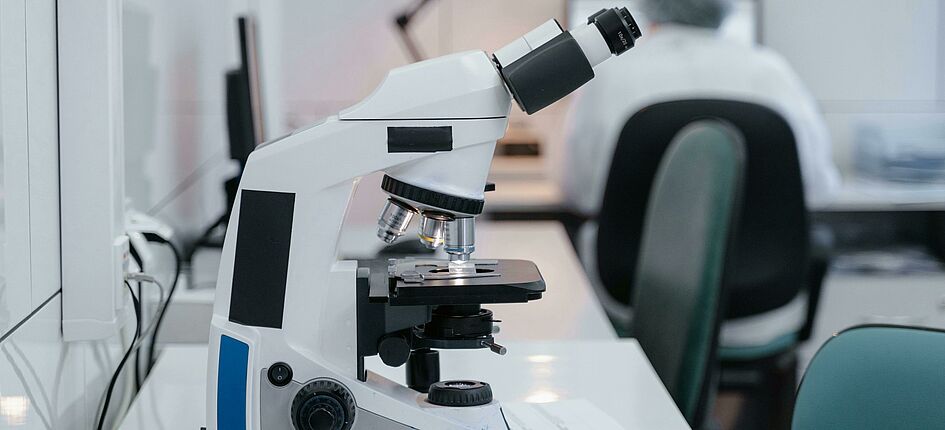
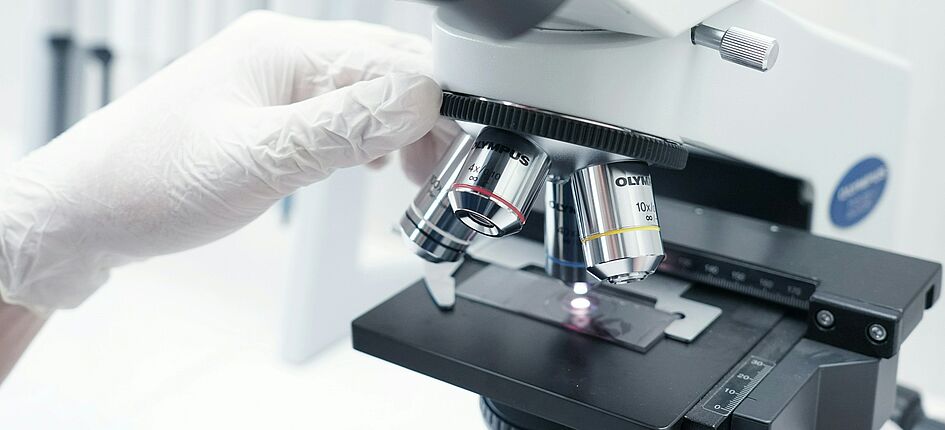
Taiho Oncology and the biotech company Araris are set to begin a Phase 1 clinical trial. Stock image: Tima Miroshnichenko/Pexels
News
Schlieren ZH/Cambridge – Repertoire Immune Medicines has started clinical trials of its immunotherapeutic against cancer in Europe and the USA. This T-cell receptor therapy is directed against a section of the molecule that occurs in all tumors. It would therefore be widely applicable after approval.
(CONNECT) Repertoire Immune Medicines has started clinical testing of its T-cell-targeted immunotherapeutic in humans. The biotech company, which is headquartered in Cambridge, Massachusetts, USA, and located in the Bio-Technopark Schlieren-Zurich, Switzerland, has announced that the first study participant has been treated with a novel therapy from Repertoire in a Phase 1/2 clinical trial. The study is being conducted at several clinical centers in the USA and Europe.
The T-cell receptor (TCR)-specific therapy with the study name RPTR-1-201 is directed against advanced solid tumors. It is designed to direct the body's own T cells of a diseased person towards a common, tumor-specific target. T-cell-specific therapies have shown that they can achieve profound and sustained remissions in some types of cancer, says Repertoire's Medical Director Robert Andtbacke: "Nevertheless, many patients with advanced solid tumors still have limited treatment options."
In preclinical studies, RPTR-1-201 reportedly showed strong efficacy against both immunologically hot and cold tumors and a favorable safety profile. In contrast to many other T cell-targeted therapies that focus on known antigens specific to a single tumor type, the new drug binds to a molecular segment (epitope) discovered using Repertoire's DECODE platform.
"This epitope," explains Repertoire, "is present in various solid tumors and could be relevant for up to 200,000 patients with metastatic or inoperable cancer each year in the USA and Europe." For Dr. Anthony J. Coyle, Head of Research and Development, this compound is so significant because it represents "the first confirmation of our ability to convert immune codes into potential immunotherapeutics against cancer". ce/mm
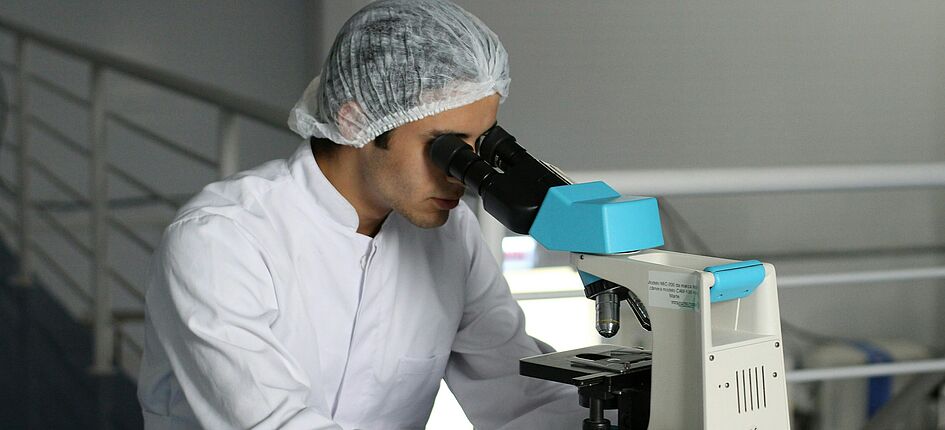
Repertoire Immune Medicines has begun clinical trials of its T-cell-targeted immunotherapy in humans. Stock image: Lucas Vasques/Unsplash
News
Dübendorf ZH – Researchers at the Swiss Federal Laboratories for Materials Science and Technology (Empa) are investigating the nanostructures of polycrystalline ceramics. The findings of these investigations are to be incorporated into the materials science development of new ceramics with applications ranging from mechanical engineering to medicine.
(CONNECT) Researchers at the Laboratory for Advanced Ceramics at the Swiss Federal Laboratories for Materials Science and Technology (Empa) in Dübendorf are investigating the nanostructures of sintered, polycrystalline ceramics. According to a press release, the findings of these investigations will be used to produce new ceramics that can be used in various areas, from mechanical engineering to medicine.
Ceramics are created by sintering fine mineral grains. At the points where the grains of different materials meet, interfaces of nanometric size appear. These interfaces are particularly interesting for materials science. Defects can occur on them or they can generate special effects.
"In the past, bicrystals were produced and examined, i.e. just two grains together," group leader Michael Stuer is quoted as saying in the press release. "We now want to see to what extent the findings from these basic studies can be applied to polycrystalline materials as they are used in the real world." In order to bring a systematic approach to the investigations, the researchers use ceramics based on the already well-known aluminum oxide. This allows you to focus on little-known influences of the grain interfaces. The researchers are also investigating how doping with rare earths affects the grain boundaries. "Targeted manipulation of the grain boundaries could be used to control the mechanical and optical properties of ceramics, for example," says Stuer. The results could be used for new applications in optics, microelectronics and medicine. ce/ww
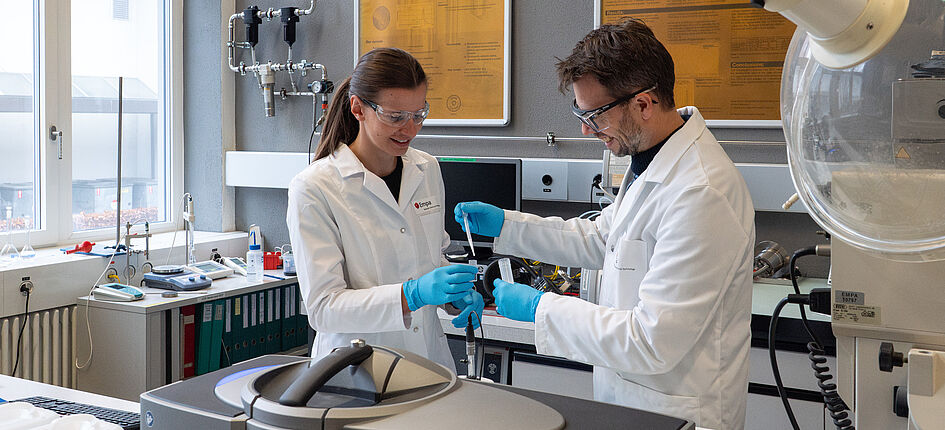
Empa researchers Annalena Erlacher and Michael Stuer aim to specifically influence the microstructure of ceramics. Photo: Empa
News
Zurich – Zurich-based designer Alfredo Häberli has been awarded the Order of the Lion of Finland, 1st class. The award recognizes Häberli’s contribution to Finnish design.
(CONNECT) Zurich-based designer Alfredo Häberli, whose sole proprietorship is Alfredo Häberli Design Development, has been awarded the Order of the Lion of Finland, 1st class. The award was presented by the Finnish Ambassador to Switzerland, Okko-Pekka Salmimies, in the name and on behalf of the Grand Master of the Order of the Lion of Finland, the President of the Republic of Finland, Alexander Stubb. Alfredo Häberli was honored for his contribution to Finnish design, according to a statement from Philipp Jordi, trade and economic advisor at the Finnish Embassy in Switzerland.
The designer has been working for the Finnish brand Iittala for years and has created design classics such as the Essence glasses, the Origo series and the Senta glasses. Häberli designed sustainable furniture made of solid wood for the furniture manufacturer Nikari. "He has succeeded in strengthening both the reputation and the success of Finnish design not only here in Switzerland and Central Europe, but also worldwide in a remarkable way," Okko-Pekka Salmimies is quoted as saying in an article on the Finland Abroad platform by the Ministry of Foreign Affairs and the Finnish representations abroad. Häberli has designed "the world's first gold-certified 'Cradle to Cradle' bed linen" for the furnishing company Pfister, according to an article by Swiss Architects.
The Order of the Lion of Finland (Suomen Leijonan ritarikunta) was established in 1942. It is the third highest award of the state. Finnish presidents use it to honor people at home and abroad who have rendered outstanding services to Finland. ce/ww
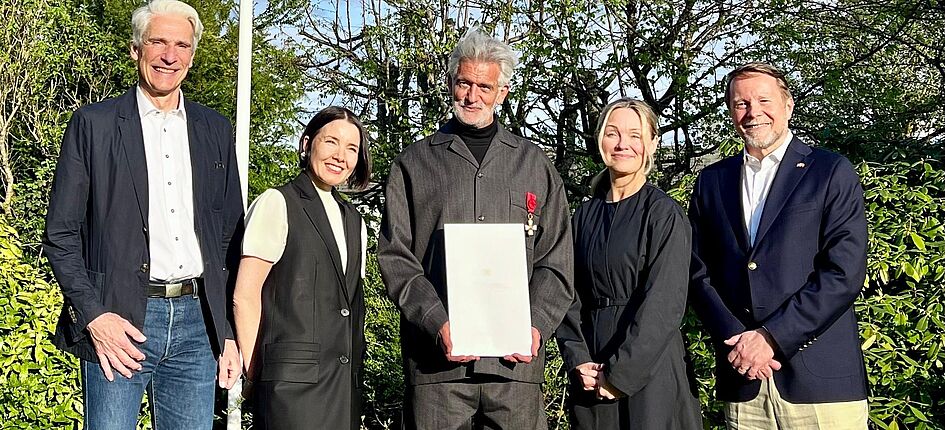
Alfredo Häberli has been awarded the Knight’s Cross of the Order of the Lion of Finland; pictured: (from left to right) Mikko Fritze (Director of the Finland Institute in Berlin), Jonna Puhakka (representative of Iittala), Alfredo Häberli, Johanna Vuorio (representative of Nikari) Okko-Pekka Salmimies (Finnish Ambassador to Switzerland). Photo: Embassy of Finland
News
Zurich – Ten start-ups have been selected as finalists for the Swiss FinTech Awards 2026. Four of them will qualify for the final round after a pitching event in May. The award ceremony will take place on June 23 in Zurich. Artificial intelligence (AI) dominates the field of participants.
(CONNECT) An expert jury of 19 people has selected ten start-ups from around 100 applications to take part in the Swiss FinTech Awards 2026 as finalists. According to a press release from Finanz und Wirtschaft, five companies will compete in each of the Early Stage and Growth Stage categories in May - four of which will qualify for the final on June 23 in Zurich.
Artificial intelligence characterizes this year's field of participants. Around half of the finalists are already using the technology productively, for example in fraud prevention, outsourcing or asset management.
The Early Stage category focuses on companies in an early phase of commercialization. Credura GmbH (Freienbach SZ) is developing an app for insurance advice and automatic contract optimization. ForenSwiss SA (Zollikofen BE) uses generative AI to combat online crime and money laundering. Porters Group AG (Zurich) offers AI-supported outsourcing for banking processes and Qubera AG (Zurich) analyzes alternative investments with AI-based infrastructure. Wealthcom AG (Zug) digitizes portfolio and order management for asset managers.
In the Growth Stage category, the jury primarily evaluates market presence and scalability. AIDONIC AG (Zug) uses blockchain for the transparent distribution of funds, while BLP Digital AG (Zurich) automates financial and procurement processes in companies. Calvin Risk AG (Kloten ZH) develops solutions for monitoring and controlling AI models, Switzerlend AG(Lend) from Zurich operates a credit marketplace that connects borrowers directly with investors, and Relai AG (Zurich) provides easy access to Bitcoin investments.
The award ceremony is part of the first Swiss FinTech Week, which is co-presented by the Finanz und Wirtschaft Forum. ce/as

Credura GmbH, ForenSwiss SA, Porters Group AG, Qubera AG, Wealthcom AG, AIDONIC AG, BLP Digital AG, Calvin Risk AG, Lend and Relai AG have been confirmed as finalists for the Swiss FinTech Awards 2026. Stock image: Giorgio Trovato/Unsplash
News
Zurich – A group of students at the Swiss Federal Institute of Technology in Zurich (ETH) is using digital technology to recycle building materials. For their research, they visit construction sites, dismantle buildings and evaluate the existing materials to develop new construction processes for external clients and users.
(CONNECT) Researchers at the Swiss Federal Institute of Technology in Zurich (ETH) are working on the reuse of old building materials, according to a press release. In a project-based interdisciplinary course developed by Prof. Dr. Catherine De Wolf, prospective engineering students from fields such as architecture or computer science are looking for ways to recycle in the construction industry in order to save resources and use materials for longer.
They apply their knowledge during construction site visits, workshops or in the workshop. ETH researchers spend around 70 percent of their time in the field. "They learn how to carefully remove materials from existing buildings, document them digitally, integrate them into new designs and finally implement them," it says. The experience of dismantling a building and reusing this demolition material, which would otherwise end up in landfill, for new construction processes demonstrates "how sustainable construction methods can be implemented in practice". In the Digital Creativity for Circular Construction course, teams work on feasible projects for external clients and users. Laser scanning, artificial intelligence and augmented reality are used to capture the building fabric.
The students' works were exhibited at the Kunsthalle Zürich, the Art Genève art fair and the Architecture Biennale in Venice and were used by external clients and users. ce/heg
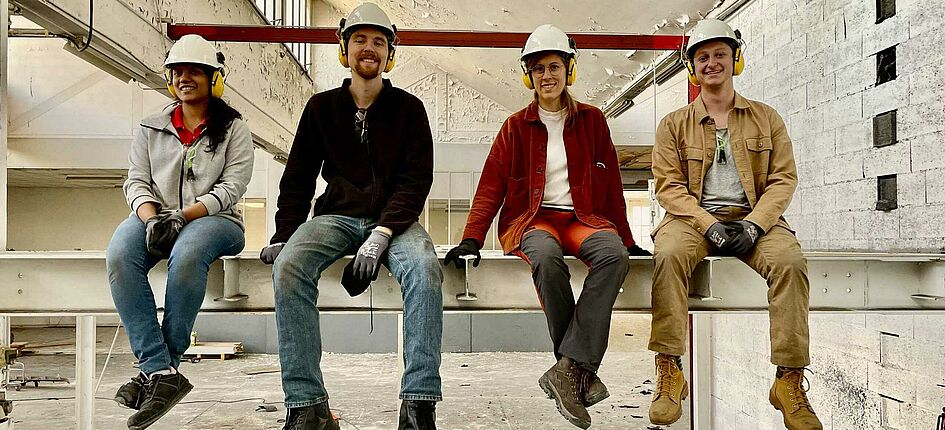
Catherine De Wolf (second from the right) with members of her laboratory. (Photo: Catherine De Wolf/ETH Zurich)
News
Dübendorf ZH – Bubble Robotics has announced the closing of a 5 million dollar pre-seed financing round. The round was led by Episode 1 Ventures, Asterion Ventures and Norrsken Evolve. The start-up is developing autonomous robotic systems that will operate permanently on the high seas in the future.
(CONNECT) Bubble Robotics GmbH has closed a pre-seed financing round of 5 million dollars, according to a statement. The round was led by Episode 1 Ventures, Asterion Ventures and Norrsken Evolve. Bubble Robotics develops stationary autonomous systems that operate around the clock at sea and carry out continuous inspections, monitoring and data collection. The fresh funding will be used to expand the engineering team in Europe and the USA and to carry out initial tests under real conditions.
With its autonomous systems, Bubble addresses central challenges of the industry on the high seas, which plays a key role in the energy transition, global data flows and international trade, according to the company. Operations on the high seas are currently hardly scalable due to the high costs for ships, crews and heavy equipment. At the same time, the industry is facing a structural shortage of skilled workers: according to the company, around 600,000 additional skilled workers will be needed in the energy sector alone by 2030. With Bubble's autonomous systems, the industry can reduce costs on the high seas, counter the shortage of skilled workers and increase the frequency of inspections and data coverage.
"Today, 80 to 90 percent of the costs for offshore inspections are attributable to ships and crews. By reducing this dependency, we are achieving fundamental progress in terms of costs, safety and frequency of use. What used to be done selectively is now possible on a continuous basis," says Jean Crosetti, CEO and co-founder of Bubble Robotics.
Bubble Robotics was founded by former robotics engineers from the US space agency NASA and the Swiss Federal Institute of Technology in Zurich. Bubble is building a fleet of intelligent robotic systems that can operate continuously at sea for months without human intervention. ce/ja

Bubble Robotics GmbH has completed a pre-seed funding round worth $5 million. Stock image: fauxels/Pexels
News
Adliswil ZH/Santa Clara – Marvell acquires ETH spin-off Polariton Technologies, which commercializes plasmonics for electro-optical products. The acquisition strengthens the end-to-end connectivity portfolio of the US provider of semiconductor solutions for data infrastructure.
(CONNECT) Marvell Technology, Inc., a California-based provider of semiconductor solutions for data infrastructure, has announced the acquisition of Polariton Technologies. Polariton Technologies is a spin-off of the Department of Information Technology and Electrical Engineering of the Swiss Federal Institute of Technology in Zurich(ETH), which develops high-speed, low-power silicon photonic devices based on plasmonics.
The acquisition strengthens Marvell's end-to-end connectivity portfolio in the fields of electro-optics, photonics, switching and customized semiconductor solutions. Polariton Technologies' plasmonic technology offers advanced modulation capabilities that enable continuous scaling of state-of-the-art optical interconnect platforms.
The background to the takeover is the growing demand for bandwidth due to the scaling of artificial intelligence. Data center infrastructures therefore require ever more powerful optical connections, especially for scale-across and data center interconnect (DCI) applications. Plasmonics for electro-optical products offers considerable advantages over conventional silicon photonics, as it enables optical connections with higher density and massively parallel operation with extremely low energy consumption per bit.
"The acquisition of Polariton adds differentiated modulation technology and a highly specialized team to our optical roadmap. This investment reflects our commitment to innovation across multiple technology approaches as we continue to expand our leadership position in high-speed connectivity," Sandeep Bharathi, President of the Data Center Group at Marvell, is quoted in the press release. ce/ja

Marvell acquires the ETH spin-off Polariton Technologies. Stock image: Thirdman/Pexels
News
Schlieren ZH – The DARE Campus in Schlieren invites you to its first event. On May 20th, interested parties can explore the building, where up to 20 selected companies are creating something new and inspiring each other with deep tech, artificial intelligence, robotics and applied research.
(CONNECT) The DARE Campus, which officially opened on April 14th, presents itself, its premises and the first six deep tech companies that have set up shop there. On May 20th, interested parties will be able to get an idea of the new hub for deep tech, artificial intelligence, robotics and applied research, including demos and presentations by its first residents, at the first event. The event is called Builders, Beer & Burgers by organizer and office provider Flexoffice. It is intended for female founders, engineers, researchers and innovation teams who want a dynamic and inspiring environment for their young companies.
The DARE Campus is located in Schlieren, more precisely in Building D of the Innovation Campus JED there. It offers large, flexible floor areas with team islands, individual workstations or self-contained offices. The recording is selective. Each tenant is selected "on the basis of their relevance and contribution", according to the DARE Campus website. "When the right people come along, the whole atmosphere changes."
The location offers access to the ecosystem with spin-offs of the Swiss Federal Institute of Technology in Zurich(ETH), the European festival GenAI Zurich, the ETH Entrepreneur Club and teams of innovative companies. In addition to desk and office space, the DARE Campus offers a program of lectures, workshops and community events and provides campus passes for partner organizations that want to work near the ecosystem without their own desk.
Forgis has been one of the tenants already based there since December 2025. The ETH spin-off is working on the brain of factories, a central interface that connects machines from all manufacturers, the necessary information and their logic. The companies Bottleplus, UrbanConnect, eeproperty, ClexBio and Tethys Robotics have also set up shop on the DARE Campus. ce/mm

The DARE Campus showcases itself, its premises and the first six deep-tech companies to have set up there. Photo: Courtesy of DARE Campus/FlexOffice (Switzerland) AG
News
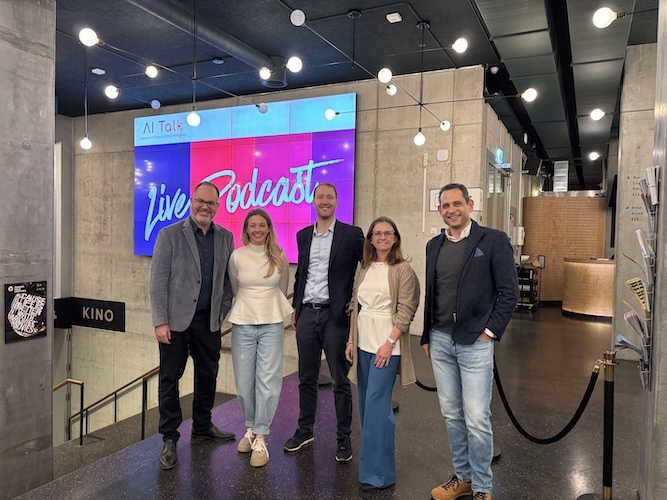
The AI Talk live podcast as part of Informatiktage Zürich 2026 made it clear how broadly positioned the Canton of Zurich’s AI sandbox is and how concretely artificial intelligence is already being used in various fields of practice. Presenter Stephan Lendi hosted the evening and spoke with Raphael von Thiessen, Head of the Innovation-Sandbox of the Canton of Zurich, and guests Gábor Márk Somfai, Michelle Plüss and Paula Reichenberg about three very different sandbox projects.
It was precisely this composition that made the format so appealing: Perspectives from clinical practice, HealthTech entrepreneurship, language AI and cantonal innovation promotion came together on stage. The evening thus showed in an exemplary manner that the AI sandbox is not an initiative for a single sector, but a platform on which AI applications are tested under real conditions, classified in regulatory terms and further developed in the interplay of technology, administration and practice.
Raphael von Thiessen and the sandbox perspective
Raphael von Thiessen, who heads the Innovation Sandbox for AI at the Canton of Zurich, played a key role. The Innovation Sandbox describes itself as a test environment in which players can implement AI projects within a clearly defined framework if technological, regulatory or data-related uncertainties would otherwise slow down innovation. The Sandbox aims to promote responsible AI innovation, build expertise in AI regulation and strengthen the interdisciplinary ecosystem in the Zurich area.
The fact that Raphael von Thiessen was present on the panel lent the event an important level of classification. It stood not only for the perspective of the Division of Business and Economic Development, but also for the question of how individual pilot projects can generate systematic findings for administration, business and research.
Gábor Márk Somfai and the Digital Eye Clinic
Gábor Márk Somfai, a representative of clinical practice who works as a senior physician at the Zollikerberg Eye Center and the Eye Clinic of Zurich City Hospital, was on stage. The Digital Eye Clinic project he represents stands for AI-supported diagnostics and the question of how image-based procedures can be reliably integrated into medical processes.
This project in particular illustrates how AI can be used in highly sensitive medical contexts without the requirements for validation, responsibility and trust becoming less important. During the live podcast, he made it clear that medical innovation is not only measured by technological performance, but also by how well it fits into everyday clinical practice.
Michelle Plüss and medical documentation
With MPAssist, Michelle Plüss contributed the perspective of a HealthTech start-up that deals with AI-supported medical documentation. The official event profile describes its contribution as an approach that relieves doctors, automates medical reports and at the same time increases quality and efficiency.
The focus was therefore on a field of application that is particularly tangible for many institutions: administrative relief in the healthcare sector. At the same time, this field in particular shows how closely productivity, data protection, professional secrecy and regulatory issues are intertwined as soon as AI works with sensitive health data.
Paula Reichenberg and machine translation
Paula Reichenberg represented the field of machine translation with NEUR.ON and spoke about the use of modern translation models in specialized contexts. The event profile emphasizes that quality, context and ethics are crucial if language barriers are to be overcome with AI.
It is important for the classification of the evening that this project is not assigned to the medical field, but to the legal or specialized institutional environment. It was precisely this difference that made it clear how broadly the sandbox is designed: it includes not only HealthTech, but also applications in which language, precision and institutional responsibility are at the forefront.
Three projects, one common logic
The three projects presented differed significantly in their technical logic: clinical diagnostics, medical documentation and machine translation in a legally sensitive context. Nevertheless, they were united by a common basic question: How can AI be developed and used under real conditions in such a way that it creates concrete benefits and at the same time meets the requirements of security, transparency and responsibility?
This is where the strength of the Innovation Sandbox becomes apparent. It is not just a showcase initiative for futuristic use cases, but a framework in which companies, research and the public sector work together to transform AI from an idea into viable practice.
More than just a technology event
The AI Talk Live podcast was therefore much more than a discussion about tools or trends. He showed that a productive approach to AI begins where different roles come together: a moderator who structures the debate in an understandable way, a sandbox manager who sets out the institutional framework, and guests who report on their specific projects.
With Stephan Lendi as host, Raphael von Thiessen as the voice of the Innovation Sandbox and Gábor Márk Somfai, Michelle Plüss and Paula Reichenberg as project representatives, a format was created that made the breadth of the Zurich AI ecosystem visible. It was precisely this combination that sent out the message of the evening: AI will become socially relevant if it is designed in an interdisciplinary, responsible and practical way.
News
Zurich/New York – Goldman Sachs Alternatives is investing 50 million dollars in BLP Digital. The Zurich-based company’s software extracts all information from incoming customer and supplier documents and compares it fully automatically with the resource planning system.
(CONNECT) Goldman Sachs Alternatives is investing 50 million dollars in BLP Digital as a growth investor, according to a statement. The spin-off of the Swiss Federal Institute of Technology in Zurich and the University of St.Gallen, which was established in 2019, is based in Zurich. It uses artificial intelligence (AI) to automate the processing of incoming documents relating to trade payables (accounts payable) in large companies.
BLP Digital's software extracts all information from incoming documents such as invoices, delivery bills and expense reports and compares it fully automatically with the Enterprise Resource Planning (ERP) system. "If everything is right, nobody has to lift a finger," says a self-description of the company. "In the event of deviations, the AI calls in the right person on site."
According to the press release, finance workflows are broken down into atomic tasks that are performed by specialized agents and orchestrated by a digital twin. Prefabricated and pre-trained AI agents work as one brain across many customers and do not need to be trained on a project-specific basis.
BLP CEO Tim Beck is quoted as saying that CFOs today do not need any more technology experiments, "but future-proof solutions that have a direct impact on the company's results. The entry of Goldman Sachs Alternatives as a growth investor underlines our mission." Alexander Lippert, Managing Director of Goldman Sachs Alternatives, believes BLP Digital is ideally positioned "to become a category leader and help companies modernize their core processes, increase operational efficiency and translate the use of AI into measurable business results."
Roger Niklaus, Head of Accounting at Migros, explains in another version of the press release that, with BLP Digital, his company has "found the platform that brings state-of-the-art AI from ETH research into our finance function right on our doorstep" and has introduced it in all of its cooperatives. "The results are so good and the potential so great that we are already in the process of rolling out BLP Digital in other areas of the company and additional processes." ce/mm

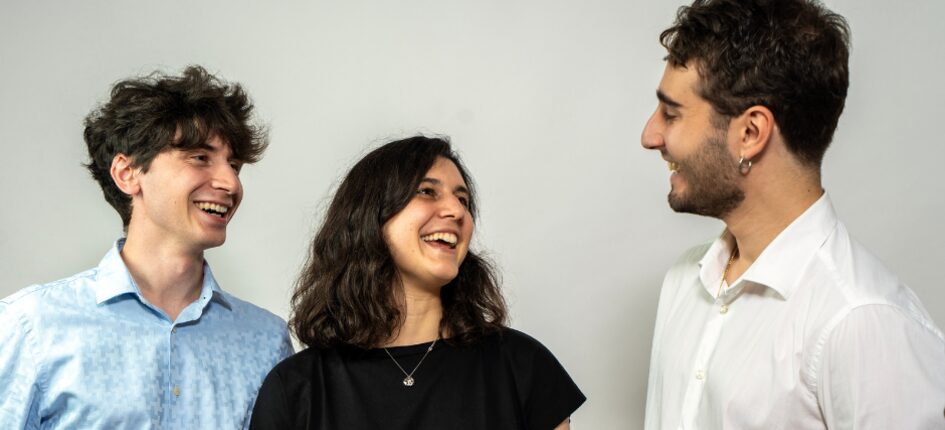
According to a press release, Goldman Sachs Alternatives is investing $50 million in BLP Digital as a growth investor; pictured is BLP CEO Tim Beck. Photo: courtesy of BLP Digital AG
News
Zurich – Ontinue AG has opened its new headquarters in Zurich. The computer security company wants to emphasize its commitment in Europe and especially in the DACH region.
(CONNECT) Ontinue AG has opened its new headquarters at Grubenstrasse 54 in Zurich. With the new headquarters, the company wants to underline its presence in Europe and, in particular, its commitment to the DACH region, according to a press release. Ontinue wants to meet the growing demand for its agent-based security model and support companies facing increasing digitalization with regional and operational expertise.
"Zurich has always been an important center for Ontinue, and this new headquarters marks the next chapter of our growth," Moritz Mann, CEO of Ontinue, is quoted as saying in the press release. "We are investing in exceptional talent and creating an environment where our teams can continue to innovate, collaborate and deliver meaningful results for our clients. This expansion underscores our commitment to Europe and our belief in the opportunity to lead the future of security operations on a global scale."
In addition to traditional SOC (Security Operations Center) functions, Ontinue offers predictive security options supported by artificial intelligence (AI). Ontinue's ION SecOps Platform uses real-time processing to continuously detect threats and prevent cyberattacks. The company has extensive expertise in Microsoft security technologies. ce/ww
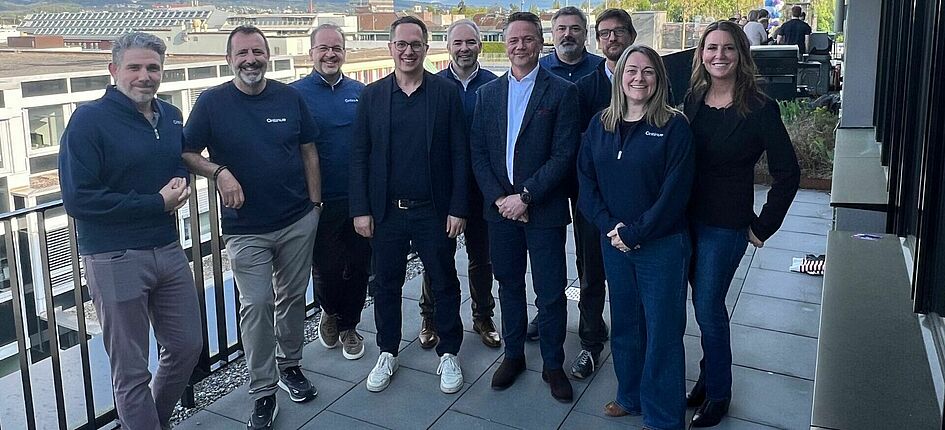
The Ontinue team has opened its new headquarters at Grubenstrasse 54 in Zurich. Photo: courtesy of Ontinue AG
You need to load content from reCAPTCHA to submit the form. Please note that doing so will share data with third-party providers.
More InformationYou are currently viewing a placeholder content from Turnstile. To access the actual content, click the button below. Please note that doing so will share data with third-party providers.
More InformationYou are currently viewing a placeholder content from Vimeo. To access the actual content, click the button below. Please note that doing so will share data with third-party providers.
More InformationYou are currently viewing a placeholder content from YouTube. To access the actual content, click the button below. Please note that doing so will share data with third-party providers.
More InformationYou need to load content from reCAPTCHA to submit the form. Please note that doing so will share data with third-party providers.
More Information