News
Zurich – CLIMADA and Resilens have presented the first climate risk analysis for the hospital network of the Canton of Zurich. The two companies, which focus on climate risks and climate adaptation, show why heat is increasingly becoming a systemic risk for hospitals and how this can be dealt with in an economically sensible way.
(CONNECT) CLIMADA Technologies and Resilens analyzed 39 locations with around 43,100 employees and 13,300 patients in the study entitled Hospitals under heat stress. The aim of this first comprehensive risk analysis is to provide an evidence-based decision-making basis for investments in heat protection. "The real challenge is not just the heat itself, but the dynamics behind it: a shifting climate system that multiplies burdens and pushes existing structures to their limits," Sebastian Glink, co-CEO and co-founder of Technopark Zurich-based CLIMADA, is quoted as saying. "Our analyses make this development visible, quantify it on a site-specific basis and clearly show how the effects can be limited through targeted adaptation."
The comparative risk analysis is based on a multi-factor model of climatic hazard, exposure and structural vulnerability. It shows that the hottest locations are not automatically the ones with the most urgent need for action. The Zurich Children's Hospital, for example, has a comparatively moderate overall risk despite the high risk because the new building, which will be completed in 2025, has optimal thermal building properties according to the analysis.
The study lists large acute hospitals such as the University Hospital Zurich, the Cantonal Hospital Winterthur and the City Hospital Zurich Triemli among the locations with a particularly high priority need for adaptation. The analysis compares seven adaptation measures on the basis of their five-year benefit-cost ratio, the required investment volume, the expected service life and the risk of maladaptation. Urban trees, air conditioning systems and green roofs are particularly economical.
"Our study shows exactly where the need for action is greatest and which measures have the greatest impact per franc invested," says Resilens CEO and co-founder Dr. Oliver Marchand. "In this way, we are creating a reliable basis for those responsible in politics, administration and hospitals to justify investment decisions, access funding and prioritize specific adaptation measures." ce/mm
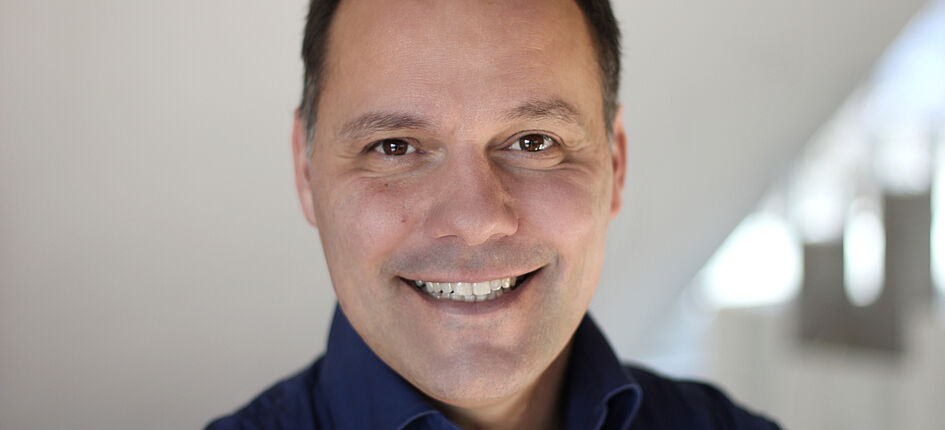
In a study entitled ‘Hospitals under Heat Stress’, CLIMADA Technologies and Resilens analysed 39 sites with around 43,100 staff and 13,300 patients; pictured is Resilens CEO and co-founder Dr Oliver Marchand. Photo: courtesy of Resilens AG
News
Dübendorf ZH – With its terahertz filter, Lepto-GmbH wants to help satellites communicate better with each other and with the earth. This is now to be followed by further components for terahertz radiation, such as polarizers. Areas of application also include medicine, mobile communications and security.
(CONNECT) Lepto GmbH from Dübendorf, a spin-off of the Swiss Federal Laboratories for Materials Science and Technology (Empa) founded in 2025, wants to bring its invention to market with the help of investors. According to a report by Empa, the two founders, CEO Elena Mavrona and CTO Erwin Hack, have developed highly effective terahertz filters in six years of research at Empa's Transport at Nanoscale Interfaces laboratory and have applied for a patent. As the two researchers also show in an Empa video, their terahertz filters consist of a thin polymer film with a microstructured surface made of pure gold, which is attached to a 3D-printed frame. This makes them particularly lightweight and customizable.
These filters and other components that the start-up is now developing, such as polarizers, are intended to help close the terahertz gap. The terahertz range was hardly researched for a long time, and technologies for generating and measuring radiation in this electromagnetic spectrum were correspondingly thin on the ground. It lies in the electromagnetic spectrum between the short-wave light and infrared waves and the longer micro- or gigahertz waves that are used for the majority of wireless communication technologies, from Bluetooth to WLAN.
"On the one hand, terahertz spectroscopy is an excellent method for investigating many phenomena in astrophysics and geophysics," Mavrona is quoted as saying. "On the other hand, terahertz is also ideal for communication between satellites and between a satellite and the earth." Terahertz is also considered a key technology for the next 6G mobile communications standard. In addition, it can penetrate superficial layers of tissue and is less harmful than X-rays. Applications on the skin are therefore possible, for example to diagnose cancer or to examine superficial blood vessels. There are other potential applications in security, such as body scans at airports.
Lepto is supported by glatec, Empa's business incubator, and by coaching from the Swiss Innovation Agency Innosuisse. Elena Mavrona is one of three Empa researchers who have been awarded the one-year Empa Entrepreneur Fellowship 2025. Lepto is currently looking for pre-seed funding. ce/mm
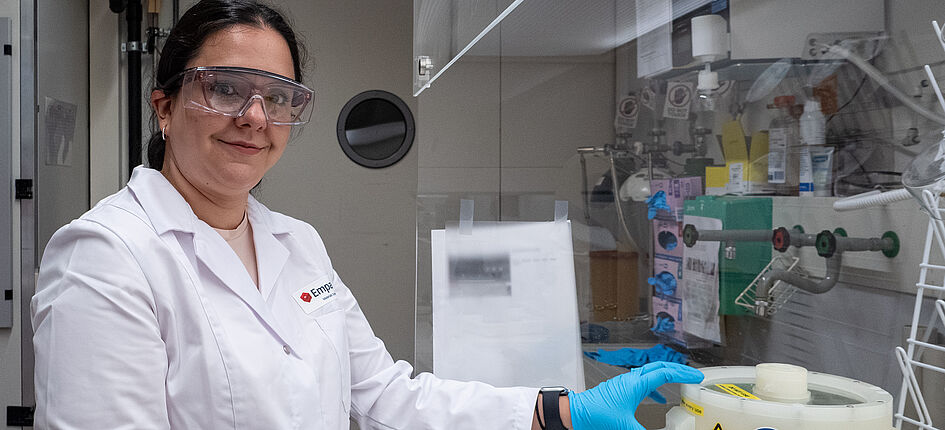
Lepto CEO Elena Mavrona holds up a terahertz filter. Photo: Empa
News
Zurich – Mosaic SoC has raised 3.8 million dollars in a pre-seed financing round. Two Swiss venture capitalists invested in the start-up’s perception chips, which are designed for real-time spatial intelligence in energy-efficient wearable devices, such as slim AR glasses.
(CONNECT) The Zurich-based semiconductor start-up Mosaic SoC has raised 3.8 million dollars in a pre-seed financing round, according to a statement. The round was led by the Zurich-based venture capital firm Founderful, which specializes in early-stage Swiss technology start-ups. The Basel Kick Foundation also took part. It aims to strengthen Switzerland as a business and innovation location through its promotional activities.
The fresh capital flows into Mosaic SoC chips. These chips should achieve nothing less than the breakthrough of smart glasses. These chips will be the first ever to be so light, energy-efficient and powerful that they can be integrated into smart glasses with augmented reality (AR) that are indistinguishable from conventional glasses. "This could fundamentally change the market for data glasses," predicts the North American business magazine "Forbes" in an article about Mosaic SoC on April 30, 2026.
"The next billions of intelligent devices will perceive and understand their environment, and the Mosaic SoC chip makes this possible on a large scale," Founderful investor Antonia Albert is also convinced of this. The two founders of the spin-off from the Swiss Federal Institute of Technology in Zurich, based in Technopark Zurich, the two electrical engineers Alfio Di Mauro and Moritz Scherer, "have the architecture, the platform vision and the team to realize this".
According to the article to which Mosaic SoC refers in its press release, the Zurich-based start-up has already signed a contract worth 1.5 million dollars with a major manufacturer of smart glasses. It envisages the development of a chip specifically for its glasses. According to the information provided, the Zurich-based company is now concentrating on developing a generic product that can be sold to several manufacturers. It should be on the market by the end of the year. ce/mm

Mosaic SoC has raised $3.8 million in a pre-seed funding round. Stock image: Sebastian Herrmann/Unsplash
News
Basserdorf ZH/Wattwil SG – Solabs Nanotechnology and React have jointly launched the Optray Sky SDT sports glasses. The Solar Defog Technology from Solabs absorbs infrared light from the sun’s rays and converts it into heat. As a result, fogging disappears ten times faster than with conventional glasses.
(CONNECT) Solabs Nanotechnology GmbH from Basserdorf, a spin-off from the Swiss Federal Institute of Technology in Zurich(ETH), is offering its Solar Defog Technology (SDT) commercially for the first time in cooperation with the Swiss sunglasses manufacturer optrel sports ag from Wattwil and its React brand. According to a press release, the Optray Sky SDT sports glasses use integrated nanotechnology and enable virtually fog-free lenses for sports and outdoor use.
The Solar Defog Technology developed by Solabs is based on an infrared-absorbing nano-coating. This absorbs up to 70 percent of the sun's infrared light and converts it into heat. As a result, existing fogging disappears up to ten times faster in sunlight than with uncoated lenses. Thanks to React's ShadeTronic technology, the glasses automatically adapt to changing light conditions in just seconds.
The glasses are aimed at sports and performance-oriented sunglasses wearers. Mountain bike pro Lars Forster is convinced by the anti-fog technology, according to the press release: "Even on intense climbs and rapid temperature changes, my vision remains clear - that makes all the difference in competition."
The Optray Sky SDT has been available from sports and eyewear retailers as well as online at React and selected online partners since April 30th, 2026. ce/ja
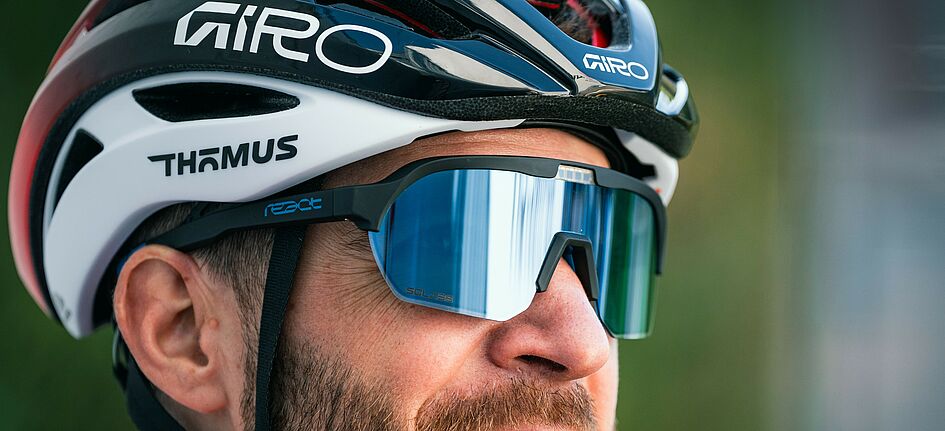
Solabs Nanotechnology and React are jointly launching the Optray Sky SDT sports glasses. Image: Courtesy of Solabs Nanotechnology GmbH
News
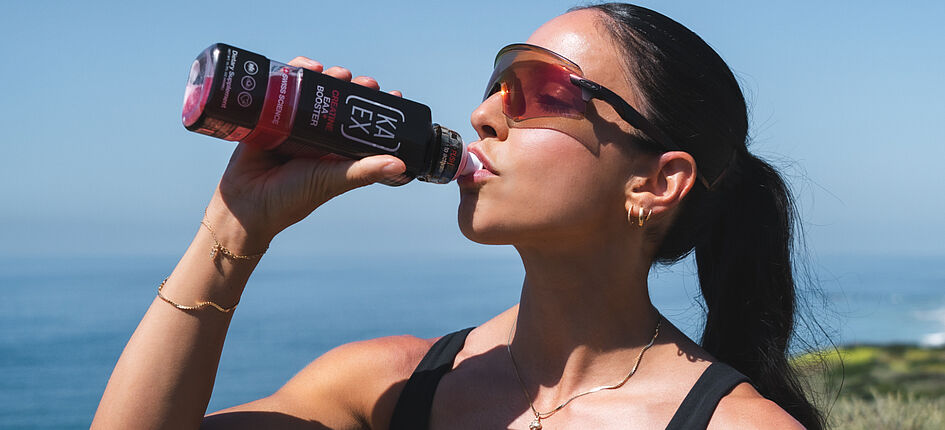
Zurich/Dübendorf ZH – ph. AG has introduced the Creatine EAA+ Booster for its dietary supplement KA-EX. As a functional energy drink, it is said to promote stamina, performance and concentration in athletes. A special technology ensures that the dissolved creatine does not break down and become ineffective within a short time.
(CONNECT) ph. AG has introduced the first ready-to-drink creatine product on the market for its dietary supplement KA-EX. According to a statement from the Zurich-based company, its Creatine EAA+ Booster is a next-generation functional energy drink for athletes to support endurance, performance and concentration. As the first ready-to-drink creatine product, it solves "a long-standing problem in the industry", according to the manufacturer: Creatine dissolved in water becomes ineffective and useless within a few days because it decomposes in dissolved form.
The patented ViCAP Push Cap technology from KA-EX provides a remedy here: a complete clinical dose of Creapure creatine is stored separately in the cap and only released into the liquid below shortly before consumption.
"Creatine is currently experiencing its breakthrough in the mainstream," Pedro Schmid is quoted as saying. The pharmacist, who trained at the Swiss Federal Institute of Technology in Zurich, is the founder and CEO of both KA-EX and ViCAP Global AG, which is based in Dübendorf. "Awareness of this has spread far beyond the gym, driven by more and more research findings on cognitive performance, healthy ageing and more energy in everyday life and reinforced by consumer education. Creatine is no longer a niche product."
The flagship drink of the KA-EX brand is its Cortisol Stress Reducer for the post-workout period. According to the manufacturer, this helps to reduce cortisol levels within 48 hours, thus promoting improved REM sleep, more energy and concentration in everyday life and faster regeneration between training sessions.
The product has also been available in the USA since summer 2025 and has become one of the best-selling products at Earthbar in Equinox gyms as well as on The Feed and Amazon. It was recently honored with the FoodBev World Food Innovation Award 2026. ce/mm
News
Schlieren ZH – Mabylon has received 1.46 million from the Eurostar funding program for innovative SMEs. The funding will flow into the international ASCEND project, with which Mabylon aims to bring its antibody therapy for chronic intestinal diseases into clinical development.
(CONNECT) Mabylon has announced that it has received a grant of 1.46 million euros. The funding comes from the Eurostar program of the international innovation network EUREKA, in which Switzerland and the European Union are also involved. EUREKA is the world's largest public network for international cooperation in research, development and innovation. It networks players from industry and research in order to promote cross-border projects.
The funding will benefit the ASCEND project run by Mabylon. The project consortium with the Swedish Karolinska Institute and the French biotech company Ambiotis aims to bring the antibody therapy with the study name MY012 against chronic inflammatory bowel diseases (IBD) such as Crohn's disease and ulcerative colitis into clinical development.
MY012 is a monoclonal antibody that targets the inflammasome, a major driver of chronic inflammation, through a genetically validated pathway by blocking released extracellular ASC protein. In order to position MY012 for clinical development as a highly differentiated therapy, the consortium is combining human and animal disease models with the development of biomarkers, according to the press release.
The biotech company Mabylon specializes in the development of human antibody therapies for allergies as well as neurological and inflammatory diseases. A central research focus is on the modulation of inflammosomes, i.e. protein complexes of the innate immune system that are responsible for the activation of inflammatory reactions. Mabylon was founded in 2011 as a spin-off of the University of Zurich and is based at the Bio-Technopark Schlieren-Zurich. ce/mm

Mabylon CEO Dr. Alcide Barberis. Photo: courtesy of Mabylon AG
News
Dübendorf ZH/Hanover – BTRY AG has been honored with the Hermes Startup Award 2026 at the Hannover Messe. The company impressed the jury with its ultra-thin solid-state batteries, which charge faster and offer higher safety standards than conventional lithium-ion cells.
(CONNECT) BTRY AG from Dübendorf received the Hermes Startup Award 2026 for its ultra-thin solid-state batteries, which combine fast charging, heat resistance up to 150 degrees Celsius and safety. The award ceremony took place during the Hannover Messe.
According to a press release, the batteries can be fully charged and discharged within around one minute from a thickness of just 0.1 millimeters. The technology is based on the transfer of production processes from the semiconductor industry to battery production, and no toxic solvents are used in the production process. The batteries are designed for small, networked devices such as Internet of Things sensors, trackers, wearables and medical applications.
"In view of global competition, speed of implementation is the order of the day in addition to quality. BTRY was able to demonstrate the performance of its product and production technology in equal measure," said jury chairman Prof. Dr. Ing. Holger Hanselka.
BTRY was founded as a spin-off of the Swiss Federal Laboratories for Materials Science and Technology (Empa) and the Swiss Federal Institute of Technology in Zurich (ETH) in 2023 and is close to market maturity. The market launch of the batteries is scheduled for early 2027. ce/as
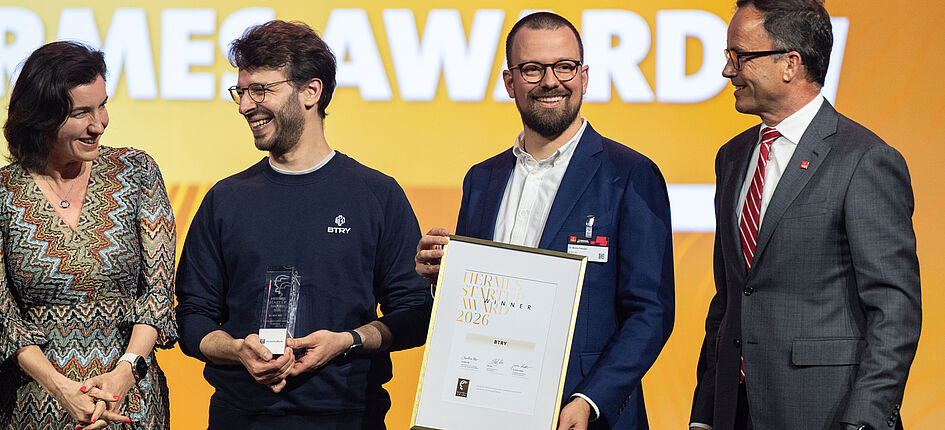
BTRY AG, based in Dübendorf, received the Hermes Startup Award 2026. Photo: Deutsche Messe
News
Zurich/Málaga – Sirin Orbital Systems, the European Space Agency (ESA) and the Space Robotics Lab at the University of Málaga are exploring novel methods for inspecting and maintaining space structures such as orbital data centers using robotized satellites. The research collaboration will last at least two years.
(CONNECT) The Zurich-based space technology company Sirin Orbital Systems, the European Space Agency (ESA) and the Space Robotics Lab at the University of Málaga (UMA) have launched a co-funded research agreement, as was reported in a statement. Their joint project entitled End-to-End Control for Handling Operations in Orbit (ECHO2) will – for an initial duration of two years – explore a vision-driven pipeline that enables orbital robotic systems to autonomously inspect, diagnose and repair large space structures without relying on visual markers, standardized interfaces or continuous human intervention.
The statement explains that “as space infrastructure expands, autonomous solutions are essential for reducing reliance on risky and costly astronaut extravehicular activities”. To validate this technology, the research team is conducting tests on the ESA’s free-floating test platforms.
Sirin Orbital Systems was founded in 2019 by Dr Matteo Madi. The company’s core product is a green, scalable, safe and reliable chemical micro-propulsion system for satellite constellations. It is designed to enhance the constellation’s agile maneuverability in orbit and enable rapid changes in orbital plane to avoid collisions with space debris, for example. “The market potential is colossal as this technology aims at autonomous deployment, inspection and maintenance of large-scale in-orbit infrastructures such as extended solar panels, heat dissipaters and radiators of In-Orbit Data Centres – such as those under development by Starcloud – The Future of AI among others", says Madi. Sirin Orbit Systems is reportedly already in contact with key players from Japan, the USA, the Middle East and Switzerland.
The Greater Zurich Area, the regional investment promotion agency, ranks the company among the region’s 100+ key players in robotics and autonomous systems for 2026. In 2024, Sirin Orbit Systems was announced as the winner of the Leading Innovation in Space Award at World Space Week, selected from among 100 companies nominated from around the world. ce/mm
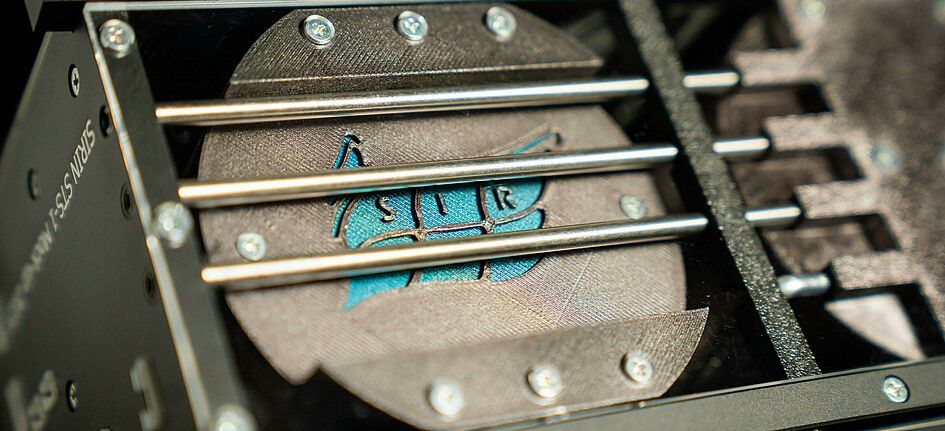
Sirin Orbital Systems, ESA and the Space Robotics Lab at the University of Málaga (UMA) have launched a co-funded research agreement. Image: Courtesy of Sirin Orbital Systems AG
News
Zurich – A team from the University of Zurich (UZH) has shown that the bonding hormone oxytocin also increases during group competition, but only in men and especially when it is against rivals from outside the group. This was probably not the case for women because their oxytocin levels were higher anyway.
(CONNECT) A study led by Charlotte Debras and Adrian Jaeggi from the Institute of Evolutionary Medicine at UZH has found evidence that oxytocin, known as the cuddle or bonding hormone, has a more complex effect than previously assumed. Their study results show that the values increase not only in moments of closeness, but also in group competition, for example in team sports - but not for everyone.
This was investigated among the indigenous Tsimane population in the Bolivian Amazon region by organizing football tournaments there. The researchers assumed that oxytocin plays an important role in social cohesion.
When analyzing the results, two things were surprising: Firstly, the oxytocin level only increased in men, and even more so when the opposing team was not members of the Tsimane, but a clear us-versus-them. "This suggests that oxytocin reacts sensitively to the social significance of the opponent - both with familiar rivals and with clearly demarcated foreign groups," Jaeggi is quoted as saying. Debras assumes that women showed virtually no changes due to their higher initial values - many were breastfeeding. Secondly, for women, competition is more about reputation or support and less about physical competitions.
The study leaves open the question of whether the increase in oxytocin primarily strengthens team cohesion or promotes differentiation from opponents. "Cooperation can be a successful strategy in competition, and oxytocin seems to be central to this," says Jaeggi. However, "oxytocin has also been linked to group conflict in numerous animal species, from fish to chimpanzees. The results suggest that similar mechanisms also work in humans." ce/mm

A study led by Charlotte Debras and Adrian Jaeggi from the Institute of Evolutionary Medicine at UZH has found evidence that oxytocin – known as the ‘cuddle’ or ‘bonding’ hormone – has a more complex effect than previously thought. Stock image: Louis Reed/Unsplash
News
Kloten ZH – NewcelX has received an investment of up to 3.4 million dollars, of which 1.35 million in cash and up to 2 million from the exercise of warrants. The funds will flow into the program for the potential cure of type 1 diabetes of the Zurich-based company, which was formed from a merger at the end of 2025.
(CONNECT) NewcelX strengthens its balance sheet with a private investment of 1.35 million dollars. The financing concluded in April 2026 and now announced on the occasion of the publication of its 2025 financial results also provides for additional potential proceeds of around USD 2 million from the future exercise of warrants. This financial transaction therefore involves up to 3.4 million dollars. According to the announcement by the Kloten-based company, which is listed on the NASDAQ, it also has access to its equity line of credit in the amount of 25 million dollars. It was "essentially" debt-free at the end of the year.
NewcelX was formed on October 30, 2025 from the merger between NLS Pharmaceutics Ltd. from Zurich and Kadimastem Ltd. from Nes Ziona, Israel. NewcelX is a clinical-stage regenerative medicine company developing stem cell-based therapies. Its flagship product NCEL-101 is a stem cell-derived islet cell therapy for insulin-dependent type 1 diabetes.
Dr. Julien Boisdron, a diabetes expert appointed to the Scientific Advisory Board at the beginning of January 2026 and Medical Director at Roche, will advise NewcelX on the further development of NCEL-101 towards clinical trials. To this end, NewcelX will reportedly continue to work closely with Eledon Pharmaceuticals from Irvine, California, in the current year.
"We are convinced that our scalable platform for the derivation of islet cells from stem cells in combination with targeted immune protection represents one of the few differentiated approaches for a potential functional cure for type 1 diabetes," Ronen Twito, Executive Chairman and CEO of NewcelX, is quoted as saying. "With our first annual results after the merger, the strengthened capital structure and the increasing scientific validation, we expect 2026 to be a year of significantly accelerated implementation." ce/mm

NewcelX has bolstered its balance sheet with a private investment of $1.35 million. Stock image: Yashowardhan Singh/Unsplash
News
Schlieren ZH/Munich – ALP Bio AG has raised 1.75 million Swiss francs in a pre-seed financing round. The fresh capital will flow into the start-up’s hybrid platform of immune organoids and artificial intelligence. It is intended to predict the immune reactions of antibodies.
(CONNECT) ALP Bio AG has raised 1.75 million Swiss francs in a pre-seed financing round. The round was led by the Munich-based venture capital company 42CAP. Start-up promoter Venture Kick - based in Schlieren like ALP Bio - and several business angels have also participated.
According to a statement from the start-up, which was founded in January 2026, the funds will be used to accelerate the development of its platform. It combines the biology of human immune organoids with generative artificial intelligence (AI) to help antibody developers identify, understand and reduce immunogenicity risk early in the drug development process.
According to ALP Bio, immunogenicity, i.e. the risk of immune reactions including the formation of antibodies against the drug, is one of the greatest risks in the development of biologics. This can force teams to cancel or revise programs in late stages of development when a lot of time and capital has already been invested. This is often only the case in clinical trials, when the costs for corrections are at their highest.
"Immunogenicity is one of the biggest hidden cost factors for biologics," ALP CEO Dr. Christian Vahlensieck is quoted as saying. "The industry has accepted surprises in late development phases as the norm for far too long. We are convinced that this risk should be assessed and reduced years earlier than in the past."
According to 42CAP partner Thomas Wilke, ALP Bio overcomes a crucial bottleneck. Immunogenicity has hindered development for decades. "The combination of immune organoid biology and AI at the sequence level is the most promising approach we have seen so far to get to the root of this problem." ce/mm
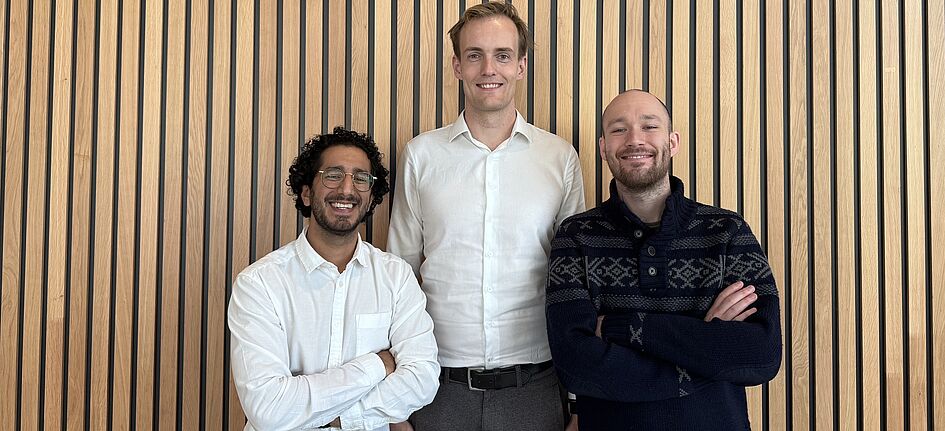
The ALP Bio team has raised 1.75 million Swiss francs in a pre-seed funding round. Image: courtesy of ALP Bio AG
News
Zurich – Nextesy launches its market entry. The start-up is scaling its platform for administration supported by artificial intelligence at companies. Its service software is aimed primarily at SMEs, freelancers and start-ups.
(CONNECT) Nextesy AG, based in Zurich, is entering the next phase of its corporate history. Following validation by the ecosystems of the Swiss Federal Institute of Technology in Zurich (ETH) and the University of St.Gallen (HSG), the company is announcing its official market entry, according to a press release. In this context, Nextesy has increased its workforce to 40 employees and expanded its management team.
Co-founder Dario Fazlic, who already brings experience from founding a so-called unicorn company, will become co-CEO. He will manage the company together with Aleks Grujic. Rouven Mayer joins the management team as the new Chief Commercial Officer (CCO) and will drive forward the national and international market presence in this role.
The Nextesy platform functions as an autonomous operating system for company administration. Based on modules supported by artificial intelligence (AI), the program networks operational processes from document management and invoicing through to complex workflow management. The offer is aimed at SMEs, start-ups and freelancers. Trustees can control their client administration in real time. "Pure digitalization is no longer enough today," Rouven Mayer is quoted as saying in the press release. "With the consistent AI-first approach, we are completing the paradigm shift towards autonomous administration. It's no longer about supporting tools, but about a completely new form of operational relief." ce/ww
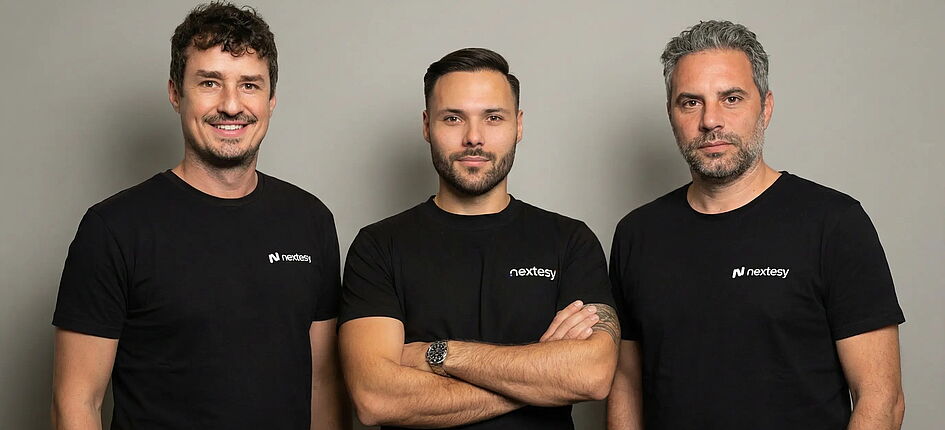
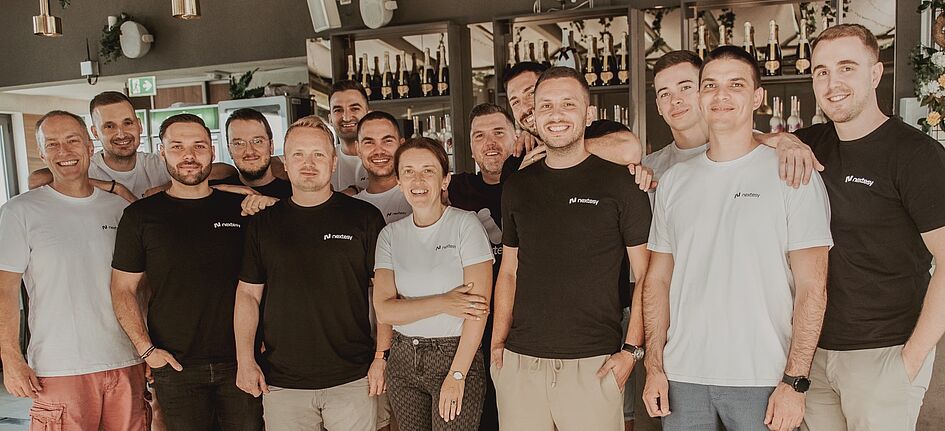
(from left to right) Dario Fazlic (Co-CEO), Aleks Grujic (Co-CEO) and Rouven Mayer (CCO) are preparing to launch Nextesy. Photo: nextesy AG
You need to load content from reCAPTCHA to submit the form. Please note that doing so will share data with third-party providers.
More InformationYou are currently viewing a placeholder content from Turnstile. To access the actual content, click the button below. Please note that doing so will share data with third-party providers.
More InformationYou are currently viewing a placeholder content from Vimeo. To access the actual content, click the button below. Please note that doing so will share data with third-party providers.
More InformationYou are currently viewing a placeholder content from YouTube. To access the actual content, click the button below. Please note that doing so will share data with third-party providers.
More InformationYou need to load content from reCAPTCHA to submit the form. Please note that doing so will share data with third-party providers.
More Information