News
Schlieren ZH/Andover – Lightium implements the Aras Innovator. The deep-tech start-up from Schlieren, which specializes in photonic chips, is thus taking advantage of the flexibility with which the Aras framework acts as a digital common thread to network data flows across the entire product life cycle.
(CONNECT) The deep-tech start-up Lightium, based in the Bio-Technopark Schlieren-Zurich, has decided to implement the Aras Innovator platform. With the solution from Aras in Andover, Massachusetts, Lightium wants to create a networked basis for mastering the complexity in the development of its photonic chips.
Aras is a provider of digital thread solutions for product lifecycle management (PLM) and engineering with artificial intelligence. According to a statement from Aras, Lightium chose Aras Innovator for its ability to support changing requirements and structure development processes. The platform forms the digital common thread that connects data, processes and specialist departments throughout the company.
"Lightium is active in one of the most technically demanding areas of our time," says Aras. Founded in 2023 and closely linked to the research and technology environment of the Swiss Federal Institute of Technology in Zurich, the pioneering company for thin-film lithium niobate photonic chips is dedicated to data transmission using photonic integrated circuits, i.e. light instead of electrical signals.
"In modern AI data centers, the biggest bottleneck is no longer computing power, but data transmission," Lightium founder and CEO Amir H. Ghadimi is quoted as saying. "This is exactly where we come in: With photonic integrated circuits, we can increase performance beyond current technologies and significantly reduce energy consumption at the same time."
Lightium represents "a new generation of high-tech innovators who are taking a fundamentally different approach to the development of photonic integrated circuits," explains Matthias Fohrer, Vice President EMEA at Aras. "In an area where established frameworks are still evolving, success depends on a foundation that adapts to their approach while allowing for scalability." This is precisely why, according to Lightium's data manager Kevin Radican, "Aras Innovator fits our requirements so well". ce/mm

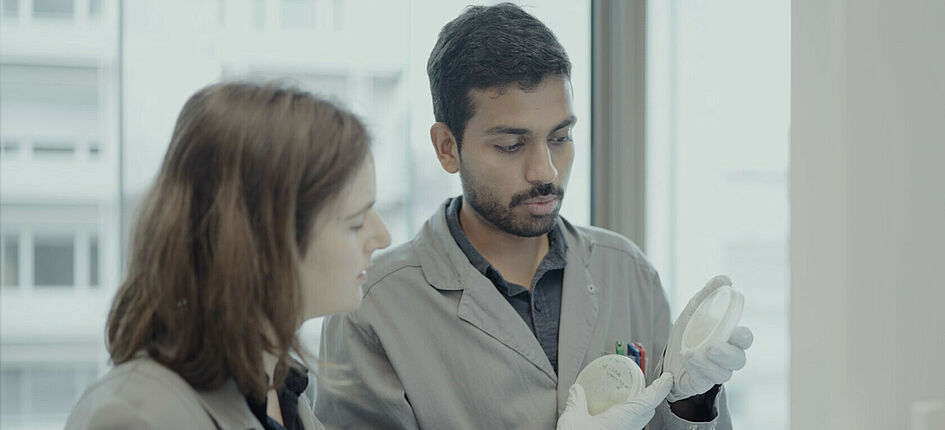
Lightium relies on the Aras Innovator platform to optimise the development of its photonic chips and the flow of data throughout the product lifecycle. Stock image: Umberto/Unsplash
News
Zurich/Kloten ZH – Cleantech company Synhelion has refueled an excavator with its renewable diesel for the first time. The heavy construction machine from Eberhard Bau AG is in use at the Brütten tunnel construction site near Bassersdorf ZH, where it is reportedly working smoothly.
(CONNECT) Synhelion has now demonstrated the suitability of its renewable fuel for use in heavy construction machinery. The cleantech company has refueled an excavator belonging to Eberhard Bau AG from Kloten with its synthetic solar diesel at the Brütten tunnel construction site near Bassersdorf.
"Our employees work with heavy construction machinery under demanding conditions," said Logistics Manager Silvan Eberhard in a Synhelion press release. "It is crucial that performance and reliability are right. This first use of Synhelion's diesel shows that renewable fuels also work smoothly in everyday construction site operations." Synhelion's renewable diesel delivers the same performance as conventional diesel and reduces net CO2 emissions by up to 100 percent. It can be used in existing engines without technical modifications.
Heavy construction site equipment is difficult to electrify, which is why machines in the construction and infrastructure sectors "will continue to rely on liquid fuels for a long time to come", says Synhelion co-founder and co-CEO Philipp Furler. "To make a real contribution to net zero emissions, it is now crucial that we scale up our technology to reduce production costs."
The diesel for this excavator comes from DAWN, the world's first industrial plant for the production of Synhelion's solar fuel at the German research center in Jülich. All innovations from the company, which was founded in 2016 as a spin-off of the Swiss Federal Institute of Technology in Zurich, are integrated there. With this demonstration plant, which will go into operation in 2024, Synhelion has validated its technology on an industrial scale and thus demonstrated its readiness for large-scale use. RISE, Synhelion's first commercial production plant, has been under construction in Spain since 2025 and is set to produce fuel from 2027.
Synhelion already concluded a long-term purchase agreement with Eberhard Bau AG in February 2026. From 2027, Eberhard will purchase renewable diesel to reduce the CO2 emissions of its construction machinery. Synhelion has already demonstrated the usability of renewable kerosene, diesel and gasoline in air, sea and road transportation. ce/mm
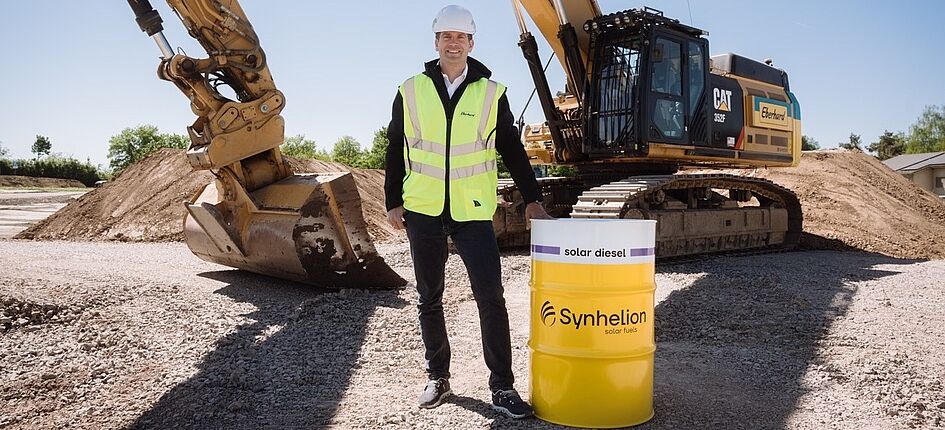
Philipp Furler, co-CEO and co-founder of Synhelion, stands in front of Eberhard’s excavator, which is powered by Synhelion’s synthetic diesel. Photo: Synhelion AG
News
Zurich – Researchers at the University of Zurich (UZH) and Balgrist University Hospital are investigating the regeneration of injured spinal cords. Their studies show that new nerve fibers can be formed and functional connections established with the use of antibodies.
(CONNECT) Researchers at the University of Zurich (UZH) and Balgrist University Hospital are working on the use of antibodies that can be used to regenerate injured spinal cords, as detailed in a press release. This shows that the use of NG101 antibodies can lead to the formation of new nerve fibers.
These antibodies were discovered at UZH 30 years ago. The antibodies are directed against the protein Nogo-A, which prevents damaged nerve fibers from regenerating in the event of an acute spinal cord injury. By blocking the protein Nogo-A, which is found in the sheaths of nerve fibers in the spinal cord and brain, NG101 allows new nerve fibers to form. These in turn can establish new functional connections to arm, hand and leg nerves. "With the help of modern imaging techniques, we were able to demonstrate how the antibody therapy works directly in the spinal cord in the new study," says Patrick Freund, UZH professor and head of the Center for Paraplegia at Balgrist University Hospital, in the press release.
The researchers hope that the results of the study will help to heal spinal cord injuries that can lead to tetraplegia and paraplegia and restore patients' physical independence. "Remaining and regrowing nerve fibers can thus find new connections to the spinal cord centers of the hand, arm and leg nerves. And these are crucial for ensuring that signals from the brain can reach the muscles again," says Freund. The study has been published in the current issue of Nature Communications. ce/ww
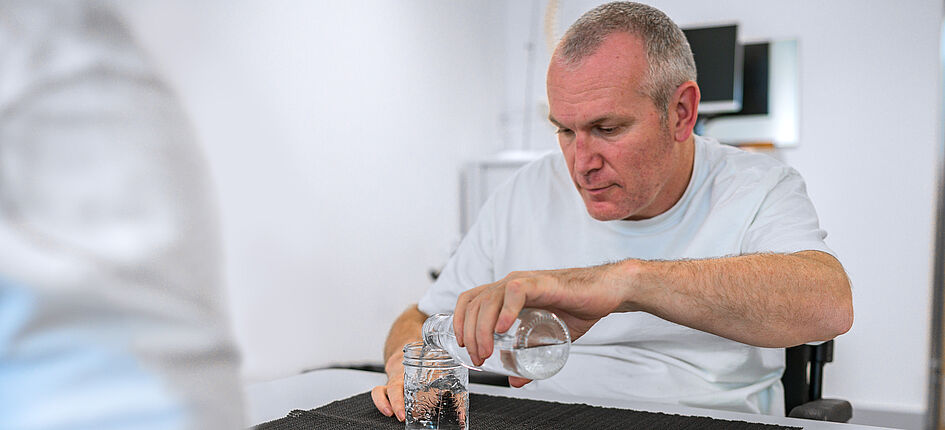
A patient receiving NG101 antibody treatment during occupational therapy. Photo: Balgrist University Hospital
News
Zurich – ETH Pioneer Fellow Svitlana Mykolenko’s new method enables the use of natural plant oils in cosmetics, food and medicines. They can be converted into stable oleogels using plant proteins. She is now pursuing this approach with her start-up Olexir.
(CONNECT) ETH scientist Svitlana Mykolenko's start-up Olixir, which emerged from the Swiss Federal Institute of Technology in Zurich (ETH), can replace synthetic ingredients in creams, serums and scalp and hair care products with natural plant oils. As the ETH explains in a press release, this has been difficult until now because they often do not meet requirements such as dimensional stability and durability. This is why they have mostly been replaced by synthetic alternatives in cosmetics, but also in food and medicines. These are usually based on fossil or animal fats. In addition, edible fats are often rich in harmful trans fats and saturated fatty acids.
This is where Mykolenko comes in. She has developed a method that converts liquid vegetable oils into so-called oleogels, i.e. gel-like protein-rich fat alternatives. Olixir uses the "natural structuring power" of proteins to achieve this. According to the company, this results in "transparent, silky and stable formulations that revolutionize the use of oils in beauty care". Olixir also describes them as "healthier, more sustainable and scientifically more advanced".
Svitlana Mykolenko is currently in the ETH Pioneer Fellowship Program at ETH. According to ETH, it offers "innovative thinkers ideal conditions for starting their entrepreneurial activities". It is primarily aimed at doctoral students, but is also open to Master's students and postdocs. Pioneer Fellows receive a grant of 180,000 Swiss francs over twelve to 18 months from the ETH Foundation and ETH as well as comprehensive coaching. ce/mm
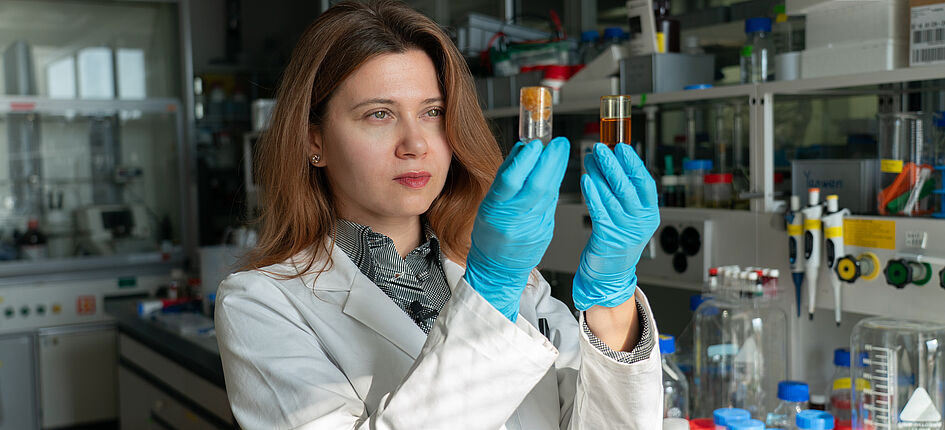
Svitlana Mykolenko transforms natural plant oils into stable cosmetic gels. Image: courtesy of Nicole Davidson/ETH Zurich
News
Dübendorf ZH/Root LU – The Dübendorf Center for Space and Aviation and the Lucerne Space Systems Innovation Platform want to work together in the new space economy. They combine the strengths that Switzerland already possesses: Precision, talent, stability, excellence in research and industrial depth.
(CONNECT) Two major Swiss centers for the emerging new space economy have officially announced their strategic collaboration: the Center for Space and Aviation Switzerland and Liechtenstein (CAS), based at the Switzerland Innovation Park Zurich on the airfield site in Dübendorf, and the Space Systems Innovation Platform (SSIP), operating at the Technopark Lucerne in Root.
According to the SSIP press release, this alliance stands for research and implementation, for science and industry, infrastructure and innovation as well as for national and international cooperation. "At a time when the global space economy is entering a new phase away from isolated missions and towards scalable, orbital infrastructure, Europe needs strong, execution-oriented ecosystems capable of transforming ideas into real industrial capabilities."
Together, CSA and SSIP aim to strengthen these areas of the space economy and provide an international framework for cooperation. These areas include life sciences, artificial intelligence systems and digital twins, pioneering industrial innovation and translational pathways between research and industry.
"Switzerland has all the ingredients," reads the press release, namely "precision, talent, stability, research excellence and industrial depth. The next step is orchestration." ce/mm
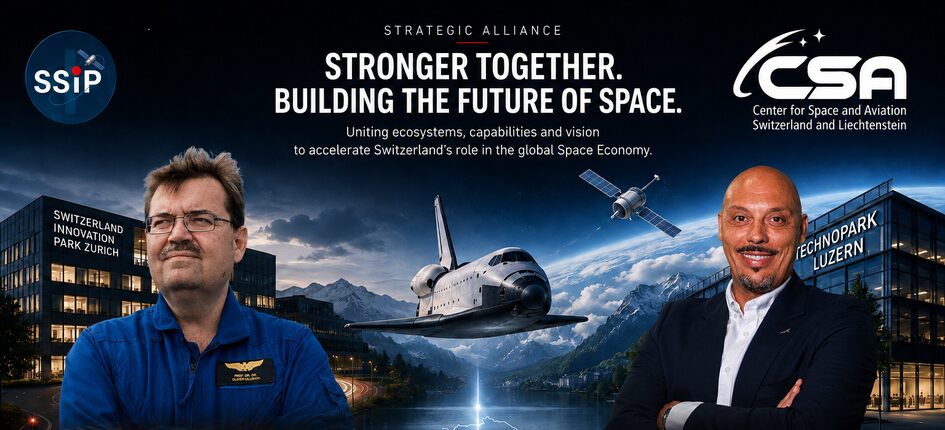
(from left to right) Dr Oliver Ullrich from the Centre for Space and Aviation Switzerland and Liechtenstein and Paulo Pinheiro from the Space Systems Innovation Platform (SSIP) will be working together in the new space industry. Photo: courtesy of Technopark Lucerne
News
Dietikon ZH – The Phänomena science exhibition at the Dietikon site has been extended from the end of April to June 21st. Individuals, families and companies with their employees can visit the exhibition until then at a special reduced rate.
(CONNECT) Phänomena On Tour is extending its exhibition in Dietikon and will be in Dietikon, near the Niderfeld station, until June 21st. Visitors also benefit from a reduced special price at the box office. The exhibition was originally scheduled to remain in Dietikon until April 19th before moving to the next location as a traveling exhibition.
According to its own information, the exhibition takes place in the world's largest inflatable tent and allows visitors to explore natural phenomena in a playful way. The focus is on artificial intelligence (AI) and robotics. It is suitable for individuals and families as well as for employee and customer outings.
"AI and robotics have long been part of our everyday lives - but how many of us really understand what's behind them? Phänomena makes this possible in a playful, interactive and impressive way," says a Phänomena flyer.
The exhibition is open on Wednesdays, Thursdays and Sundays from 10 am to 5 pm and on Fridays and Saturdays from 10 am to 6 pm. The rates in Dietikon have now been reduced from CHF 38 to CHF 28 for adults, from CHF 35 to CHF 25 for students and pensioners and from CHF 28 to CHF 19 for children. Guided tours for up to ten people are available for 150 francs. ce/nta
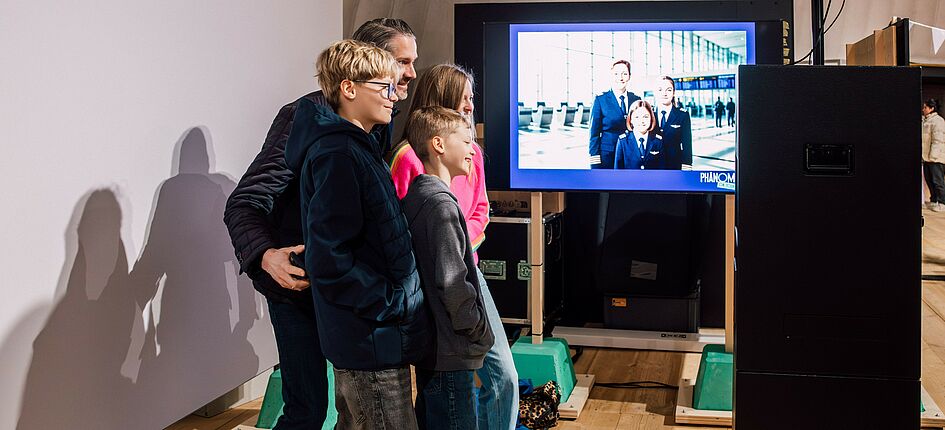
Visitors at Phänomena in Dietikon. Photo: Courtesy of Phänomena
News
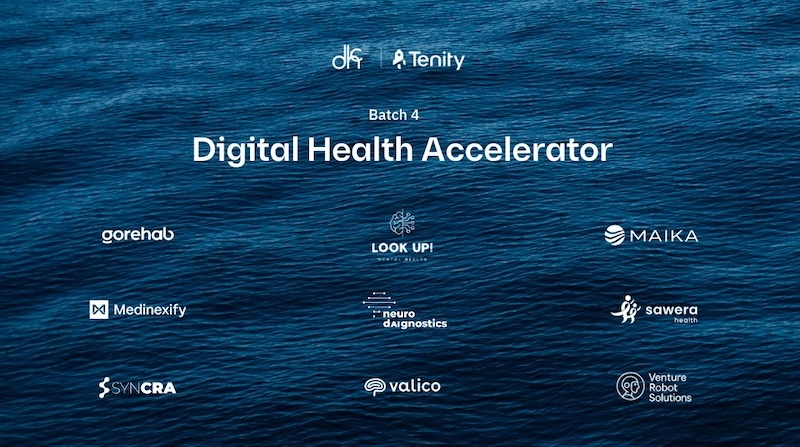
The digital health center bülach (dhc) and Tenity are proud to launch the fourth edition of their Digital Health Accelerator, once again in partnership with the Zürcher Kantonalbank (ZKB).
Since its inception, the program has built a strong track record. Its earlier cohorts have consistently produced innovative solutions and achieved meaningful traction across the digital health landscape.
After a highly competitive selection process, dhc and Tenity are pleased to reveal the 9 startups chosen for this fourth batch. The selected companies span a broad range of sectors, including clinical workflows, care navigation, rehabilitation, medication safety, mental health, oncology, robotics and cognitive assessment. They collectively represent the next generation of healthcare innovation.
“Digital health continues to be one of the most dynamic areas for early-stage innovation. Batch 4 brings together 9 ambitious startups, including a strong Swiss majority, that are addressing real needs across healthcare delivery, patient support and clinical workflows. For Zürcher Kantonalbank, the accelerator is a valuable opportunity to engage with promising founders early and support solutions with the potential to shape the future of healthcare.” Michelle Tschumi, Zürcher Kantonalbank (ZKB)
“At dhc, our mission is to connect startups, healthcare providers, industry partners and investors around the digital transformation of healthcare. This fourth cohort shows how practical and provider-oriented digital health innovation has become. The selected startups are tackling challenges that clinicians, patients and caregivers experience every day, and we are excited to support them as they validate and scale their solutions within the healthcare ecosystem.” Stefan Lienhard, CEO, digital health center bülach
Each of these ventures is developing solutions with the potential to fundamentally reshape how healthcare is delivered and experienced. Through the accelerator, they will gain access to a wide network of mentors, industry leaders, and investors, including founding partner the Zürcher Kantonalbank (ZKB), one of Switzerland's leading early-stage investors.
The program combines focused training, personalized support, and targeted networking opportunities to accelerate growth, foster collaboration, and raise the profile of these emerging companies within the broader health ecosystem.
In addition to mentorship and networking, participants will benefit from hands-on learning through a series of masterclasses:
Masterclass Schedule
· Masterclass 1: 18 - 22 May 2026
· Masterclass 2: 29 June – 3 July 2026
· Masterclass 3: 7 – 11 September 2026
· Masterclass 4: 26 – 30 October 2026
· Demo Day: 29 October 2026
“This year’s cohort marks a stronger focus on digital healthcare providers and the infrastructure that enables better care delivery. From medication safety and clinical trial setup to stroke navigation, rehabilitation and robotics, the startups are building solutions that can integrate into real healthcare workflows. That is exactly where acceleration can create tangible impact.” Matthias Herrmann, Head of HealthTech / Digital Health Lead, Tenity
Discover the selected startups through the below link.
News
Schlieren ZH/Cambridge – Repertoire has received Fast Track designation from the US Food and Drug Administration (FDA) for the treatment of triple-negative breast cancer with its novel immunotherapeutic agent. This could speed up its approval. The antibody is already being tested on humans.
(CONNECT) The U.S. Food and Drug Administration (FDA) has granted Fast Track designation to Repertoire Immune Medicines ' novel bispecific immunotherapy RPTR-1-201 for the treatment of triple-negative breast cancer (TNBC). This has now been announced by the biotech company. It is headquartered in Cambridge in the US state of Massachusetts and is represented in Switzerland in the Bio-Technopark Schlieren-Zurich.
This particularly aggressive form of breast cancer occurs in around one in six patients, primarily in younger women. It is considered particularly difficult to treat because it lacks three characteristics for targeted therapies, which is why it is referred to as triple-negative breast cancer.
"Patients with advanced TNBC often have few treatment options left after the disease has progressed with standard therapies," Repertoire's Medical Director Robert Andtbacka is quoted as saying in the press release. "The fast track approval underlines the severity of this disease and the unmet need for new treatment options." This status enables an accelerated procedure with shortened processes, reduced waiting times and faster development, also by means of an accompanying intensive exchange with the FDA.
RPTR-1-201 was discovered using Repertoire's DECODE platform. This is a T-cell receptor-specific therapy. It redirects the body's own T cells of a sick person, directs them towards a common, tumor-specific target and kills the tumor cells in this way. In contrast to many other T cell-targeted therapies, which focus on known antigens specific to a single tumor type, the new drug binds to a molecular segment (epitope) that is present in various solid tumors and could therefore be used against several tumors.
RPTR-1-201 is currently being investigated in a Phase 1/2 clinical trial in people with advanced solid tumors - as a monotherapy and in combination with a treatment that blocks the PD-1 protein on T cells. The study takes place in Europe and the USA. ce/mm

The FDA has granted fast-track status to Repertoire’s novel immunotherapy RPTR-1-201 for triple-negative breast cancer; pictured is Repertoire CEO Torben Straight Nissen. Photo: courtesy of Repertoire Immune Medicines
News
Dietikon ZH/Innsbruck – DuraMon has equipped the first underground parking garage in Austria with 160 of its sensors. They enable long-term monitoring of corrosion and data-based maintenance. Around half of the projects are located in Switzerland, the rest are mainly in the other DACH countries.
(CONNECT) DuraMon AG has successfully completed its latest project: An underground parking garage in Innsbruck is the first in Austria in which the spin-off of the Swiss Federal Institute of Technology in Zurich, founded in 2021, has installed its sensor technology. According to a company statement, a monitoring system with 160 sensors will monitor the corrosion status of critical areas and provide an early warning when intervention may be necessary. "By focusing on potentially critical zones - such as those with high chloride levels and moisture - the solution enables a deeper understanding of the condition of the building," says the young company, which moved into its first own premises in Dietikon a year ago.
With DuraMon's monitoring system, those responsible can determine whether corrosion has already begun in areas at risk. A "strong step towards data-based maintenance", comments Cem Güzel, Key Account Manager Sika Austria, on the announcement of the completion of the Innsbruck project.
The Austrian subsidiary of the Swiss specialty chemicals company has reportedly brokered it to DuraMon. Sika is a key investor in the young company and has participated in both the 2023 and 2025 early financing rounds. In its portfolio, the Baar-based company offers DuraMon corrosion monitoring to operators of large infrastructure projects.
DuraMon is already planning further parking lot projects. In addition, sensors are currently being placed on two retaining walls in Vienna, according to an article by "startupticker.ch", to which DuraMon refers. The eleven-strong team is currently overseeing 27 ongoing projects. In addition, the company has recently won four tenders. Half of its projects are in Switzerland and the other DACH countries. At the same time, DuraMon is working on further scaling the platform: the automation of data analysis and interpretation processes should increase efficiency and scalability. ce/mm

The DuraMon team is expanding across the DACH region and is deploying its sensor technology for corrosion monitoring in infrastructure projects to support data-driven maintenance. Image: DuraMon
News
Zurich – The Zurich-based start-up RTDT Laboratories has won this year’s ZKB Pioneer Award for its technology for optimizing wind turbines. GlycoEra and RoBoa also received awards. The Audience Award went to CCRAFT.
(CONNECT) RTDT Laboratories won the ZKB Pioneer Award Technopark 2026 on May 12 against four other finalists and won the prize money of CHF 100,000. CHF 10,000 each went to GlycoEra and RoBoa. Two further finalists, CCRAFT and Unbound Potential, presented themselves to the 350 guests. The audience award went to CCRAFT.
RTDT Laboratories, a Technopark Zurich-based spin-off of the Swiss Federal Institute of Technology in Zurich, has developed Aerosense, a sensor system for wind turbine rotor blades. It records dynamic pressure, vibrations and mechanical loads in real operation. With the digital twin created from the data, operating and manufacturing companies can analyze flow behavior, optimize blade designs and further develop control algorithms in a targeted manner.
"The efficiency of wind turbines is a key lever of the energy transition," said jury chairman Lothar Thiele in his laudatory speech, according to a press release. "RTDT impresses with a technologically leading solution that intelligently combines sensor technology, AI-supported analysis and control, thereby significantly improving both the efficiency and service life of the systems. From the visionary basic idea to the sophisticated engineering, the solution is a pioneering technological achievement."
GlycoEra from Wädenswil ZH is also doing pioneering work: the biotech start-up from Wädenswil ZH uses its proprietary protein degraders to specifically remove pathogenic proteins from autoimmune diseases instead of broadly suppressing the immune system.
The combination of scalability, practicality and clearly defined fields of application of the innovative, snake-like robot from RoBoa in Zurich, also an ETH spin-off, particularly impressed the jury. It is suitable for narrow pipe systems and complex infrastructures, for example.
The CSEM spin-off CCRAFT from Neuchâtel won the audience award worth 5,000 Swiss francs. The start-up produces high-performance chips from thin-film lithium niobate. It converts electrical signals into optical signals, allowing data to be transported particularly quickly using fiber optic cables.
Unbound Potential from Thalwil ZH is developing a new type of non-flammable flow battery for storing renewable energy. Instead of a cost-intensive membrane, two immiscible electrolytes are used. Without critical raw materials, it achieves efficiencies of up to 85 percent.
The ZKB Pionierpreis Technopark is awarded annually by Zürcher Kantonalbank (ZKB) and Technopark Zurich and has been one of the most prestigious prizes for deep-tech start-ups in Switzerland for 25 years. ce/mm
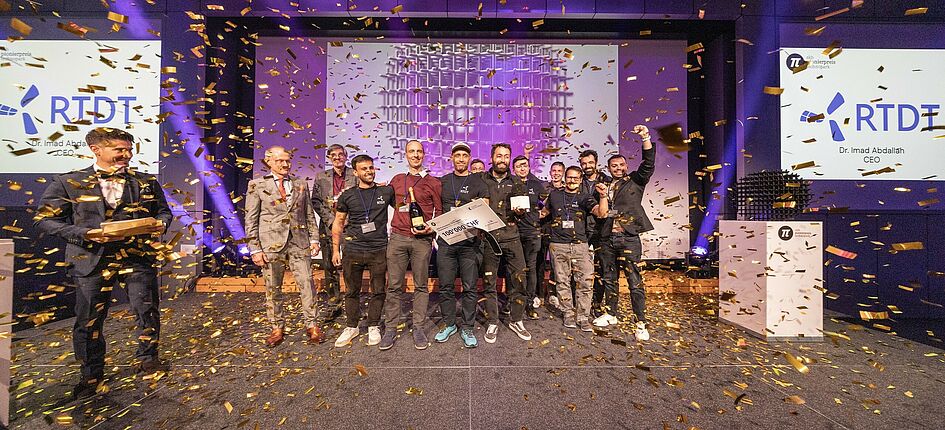
RDTD is the winner of the ZKB Technopark Pioneer Award 2026. Photo: courtesy of the TECHNOPARK Zurich Foundation
News
Zurich – Rrreefs has opened its financing round on the OOMNIUM platform. The spin-off of the Swiss Federal Institute of Technology in Zurich wants to raise 800,000 Swiss francs for the further international expansion of its proven and award-winning reef regeneration technology.
(CONNECT) The Zurich-based start-up rrreefs has announced the start of its seed financing round on the crowdfunding platform OOMNIUM on May 13, 2026. The spin-off of the Swiss Federal Institute of Technology in Zurich (ETH), founded by four women in 2021, plans to raise 800,000 Swiss francs to scale up its coral reef regeneration technology worldwide, according to a press release.
Rrreefs' modular reef system made of 3D-printed clay modules creates the conditions for corals, fish and other organisms to colonize independently. Unlike coral gardening, for example, and based on ETH research findings, the natural regenerative power of the ocean is catalyzed without permanent human intervention.
Rrreefs offers coral reef regeneration as a comprehensive end-to-end service: from reef analysis and regeneration to scientific monitoring, long-term involvement of local communities and biodiversity reporting. Over the past four years, the technology has reportedly demonstrated its high potential in five countries after just a few months in each case, both in terms of the colonization of new corals and a multiplication of the quantity of fish.
Since its commercial launch in 2023, rrreefs has acquired over 20 paying customers on four continents and generated sales of CHF 1.3 million. The company estimates its current project pipeline at around CHF 2.4 million.
Its customers include those responsible for sustainability and corporate social responsibility, tourism and hotel companies as well as landowners with access to a coral reef. Partner companies such as Melitta and Accor support rrreefs. According to the start-up, interest in the technology is also growing at government level, for example in Panama and the Philippines. ce/mm

The Rreefs team has launched its funding round on the OOMNIUM platform. Image: courtesy of rrreefs AG
News
Geroldswil ZH/Piacenza – FruitfulAI AG combines its expertise in computer vision for industrial plants with the technology of the Italian company 40Factory for networking machines via the Internet of Things. To this end, 40Factory has made a financial investment in FruitfulAI.
(CONNECT) FruitfulAI has closed a strategic investment round. In addition to the existing investor MFL Group from Molteno in northern Italy, the company 40Factory, also based in Piacenza in northern Italy, has joined as the main investor. FruitfulAI and 40Factory are now combining their technologies to close the feedback loop in industrial production, according to a press release. This is what makes "real industrial automation" possible.
40Factory has set up an infrastructure that networks process data, field signals, alarms and performance indicators from machines, production lines and systems and combines them into a comprehensive situational picture. So far, however, the visual level has been missing. This is where FruitfulAI comes in: its NEO platform enables contract manufacturers, machine builders and producers to gain insights from their machines' data. This ranges from the detection of quality defects and process monitoring using video analysis to the evaluation of visual data from different operating areas.
According to the press release, the combination of the two technologies gives manufacturers something "that neither company could offer alone": a complete digital suite that integrates machine data and visual intelligence in a single environment and feeds a common layer of agentic artificial intelligence (AI). "The future of industry will be characterized by understanding what is happening in production in real time - not just based on key figures, but by what machines actually see," FruitfulAI CEO Patrick Albrecht is quoted as saying. "Together, we are closing the gap to physical AI in manufacturing and making machines more powerful, efficient and autonomous."
According to 40Factory CEO Camillo Ghelfi, this makes it possible for the first time to really understand what is happening in the factory: "Industrial cameras generate huge amounts of data every day, but this data often remains disconnected from analysis and decision-making systems. The combination of AI video analytics, agent-based AI and Industrial IoT opens up a new level of visibility into what is happening on the shop floor. This will make the factory increasingly transparent, intelligent and autonomous." ce/mm
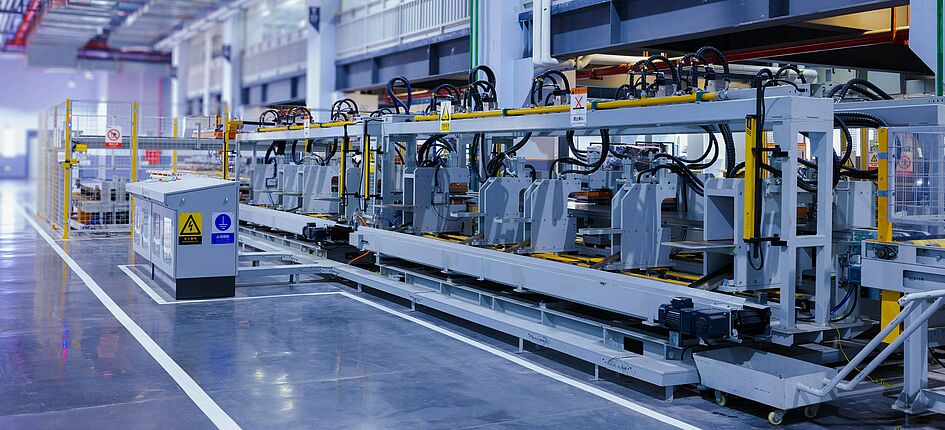
FruitfulAI’s technology makes it possible to see in real time what machines see. Stock image: Homa Appliances/Unsplash
You need to load content from reCAPTCHA to submit the form. Please note that doing so will share data with third-party providers.
More InformationYou are currently viewing a placeholder content from Turnstile. To access the actual content, click the button below. Please note that doing so will share data with third-party providers.
More InformationYou are currently viewing a placeholder content from Vimeo. To access the actual content, click the button below. Please note that doing so will share data with third-party providers.
More InformationYou are currently viewing a placeholder content from YouTube. To access the actual content, click the button below. Please note that doing so will share data with third-party providers.
More InformationYou need to load content from reCAPTCHA to submit the form. Please note that doing so will share data with third-party providers.
More Information