News
Opfikon/Schlieren, ZH — Treeless AG has raised 1.2 million Swiss francs in a funding round. The startup uses microorganisms to produce bio-based materials through natural growth processes and is preparing its first products for the cosmetics and adhesives markets.
(CONNECT) Treeless has closed its second funding round with 1.2 million Swiss francs. According to a press release, investors with experience in industrial scaling, manufacturing, finance, and advanced materials participated in the funding round. According to the company, demand significantly exceeded the available investment volume.
Treeless, a spin-off of the Swiss Federal Institute of Technology Zurich (ETH), uses bacteria and organic waste to produce nanocellulose. Using such highly functional materials, which are based on natural growth processes, the company aims to replace fossil-based and environmentally harmful substances in products such as cosmetics, adhesives, and coatings. Treeless sees further applications in modern composite materials.
Founded in 2023, the company—headquartered in Opfikon and with offices in Schlieren—is currently entering the commercialization phase. With the new capital, Treeless plans to accelerate its market launch and expand its technical and commercial teams. The startup is initially focusing on applications in cosmetics and sustainable adhesives. The first products are in the advanced stages of development and are being tested by customers.
A portion of the funds will be allocated to the further development of a modular production platform. Treeless is currently setting up an automated pilot plant designed to enable scalable, decentralized, and resource-efficient manufacturing. “We are very proud of the strong support we have received from investors who share our vision for a new generation of biofabricated materials,” said Adam Korczak, co-founder and CEO of Treeless. ce/as

Treeless has completed its second round of funding, raising 1.2 million Swiss francs. Stock image: fauxels/Pexels
News
Zurich — Researchers at the University Children’s Hospital Zurich have conducted a long-term study on combinations of drugs used to treat leukemia. Their drug response profiling aims to enable the individualisation of leukemia treatments.
(CONNECT) Researchers at the University Children's Hospital Zurich are working to individually optimise the combination of drugs used to treat acute lymphoblastic leukemia in children. To this end, a group of researchers at the hospital led by Fabio Steffen, head of the Department of Functional Precision Oncology, conducted an extensive study from 2016 to 2023 using data from 340 patients in 17 European countries, according to a press release from the University of Zurich. In conducting and analyzing the study, the researchers used computer-aided methods such as machine learning in combination with modern laboratory technology.
This resulted in approximately 135,000 individual data points. Researchers have now achieved initial success in analysing microscopy images of cancer cells using artificial intelligence. Their so-called Drug Response Profiling (DRP) provides a comprehensive overview of whether and how the various combinations of active ingredients work in each case.
According to the press release, patients responded to DRP-based therapy in about two-thirds of cases. "Given how resistant this disease is, this rate can be considered a success," says Steffen. The researcher cautions against jumping to conclusions, however. However, for certain medications, “thanks to drug response profiling, the first signs of an actual improvement in clinical benefit” are becoming apparent. The hospital is now also using the DRP procedure to treat other types of cancer, such as brain or bone tumors. ce/hs
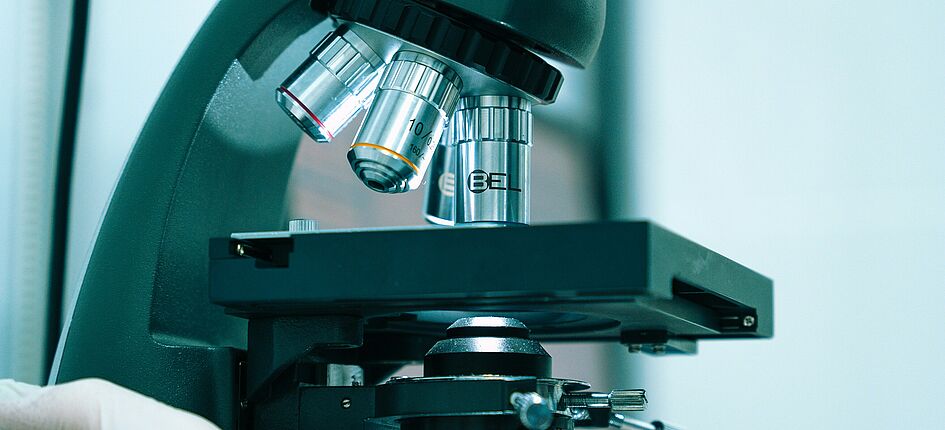
Researchers at the University Children’s Hospital Zurich are working to optimise the combination of active substances used in the treatment of acute lymphoblastic leukaemia in children on an individual basis. Stock image: Akram Huseyn/Unsplash
News
Schlieren, ZH — Molecular Partners, a life sciences company based in Schlieren, is developing additional cancer therapies. The relevant applications are to be submitted next year.
(CONNECT) Molecular Partners develops radioactively labeled therapeutics based on its proprietary DARPin technology. DARPins (Designed Ankyrin Repeat Proteins) are artificial proteins that can recognize and bind antigens. While the first drug candidates in the Radio-DARPin (RDT) therapeutic class are already in various stages of development, the Schlieren-based company has now announced in a press release that it will expand its pipeline in this area. As such, two Investigational New Drug (IND) applications are planned for the coming year.
A Phase 1/2a clinical trial is currently underway for the drug candidate MP0712, involving patients with various types of cancer. For the second RDT drug candidate, MP0726, first-in-human imaging is scheduled to begin in the second half of the year. MP0726 targets the mestothelin gene, which is associated with various types of cancer.
“We look forward to the first clinical data on MP0712 and to advancing our next Radio-DARPin candidates to their first human imaging studies in the second half of the year,” CEO Patrick Amstutz is quoted as saying in the press release.
Molecular Partners, based in the Bio-Technopark Schlieren-Zurich, was founded in 2004 by researchers from the University of Zurich (UZH). ce/jh

Molecular Partners develops radioactively labelled therapeutics based on the company’s proprietary DARPin technology. Image: courtesy of Molecular Partners AG
News
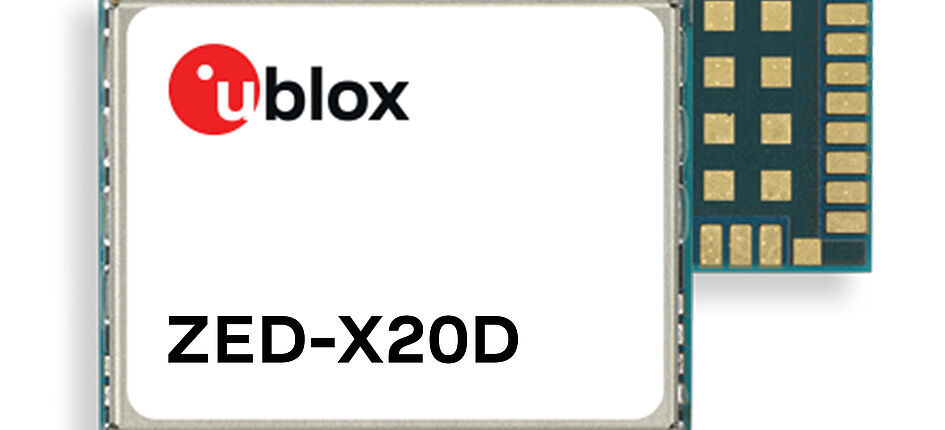
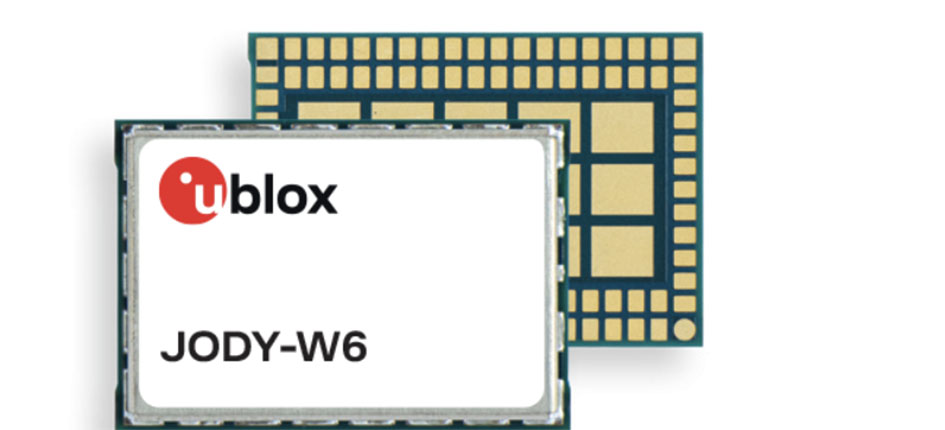
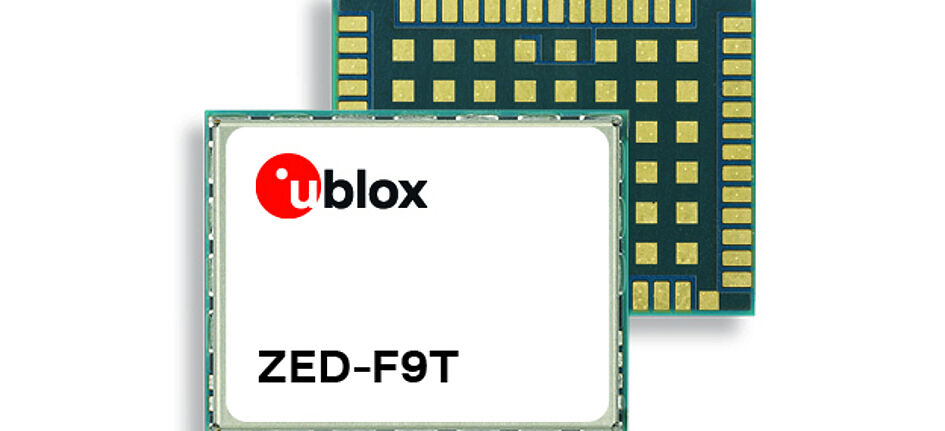
Thalwil, ZH — U-blox is offering the first products based on its F11 platform. For the first time, these chips, modules, and evaluation kits enable meter-accurate GNSS positioning using a selective dual-band system. This drastically reduces power consumption and thereby extends the service life of tracking chips.
(CONNECT) U-blox is launching its first F11 products. According to a company press release, the chips, modules, and evaluation kits use the Global Navigation Satellite System (GNSS) to enable meter-level positioning accuracy in all environments, whether outdoors, under tree canopies, or indoors.
According to the company, this is the first context-aware GNSS platform, combining extremely low power consumption with intelligent signal management. The use of the L1 and L5 frequencies is adjusted in real time to the environmental conditions: If signal issues arise—such as in built-up areas, near dense vegetation, or when moving between indoor and outdoor areas—the F11 products use L5 to ensure positioning accuracy.
Dual-band GNSS typically requires continuous processing of the L5 frequency, with a power consumption of 35 to 50 milliwatts. The The selective L5 mode of the F11 products activates L5 only when signal conditions improve positional accuracy. This achieves dual-band accuracy while consuming the same amount of power as a single-band system. According to the specifications, in typical configurations in LEAP (Low Energy Accurate Positioning) mode, this figure is 7 milliwatts.
Because, according to u-blox, this innovation extends the battery life of trackers from months to years, device manufacturers would no longer have to choose between battery life and positioning accuracy—or between dual-band capability and energy efficiency—for the first time. “With our new GNSS chips and evaluation platform, developers are already exploring how they can accelerate innovation in tracking, wearables, telematics, and industrial applications while benefiting from extremely low power consumption,” said Michael Ammann, Senior Director of Product Strategy and Support.
His company is a spin-off of the Swiss Federal Institute of Technology in Zurich, founded in 1997. At the end of 2025, u-blox was acquired by Advent, a Boston-based venture capital firm. Since January 1, 2026, Camila Japur and Andreas Thiel have been leading u-blox as co-CEOs. The company's headquarters remain in Thalwil. ce/mm
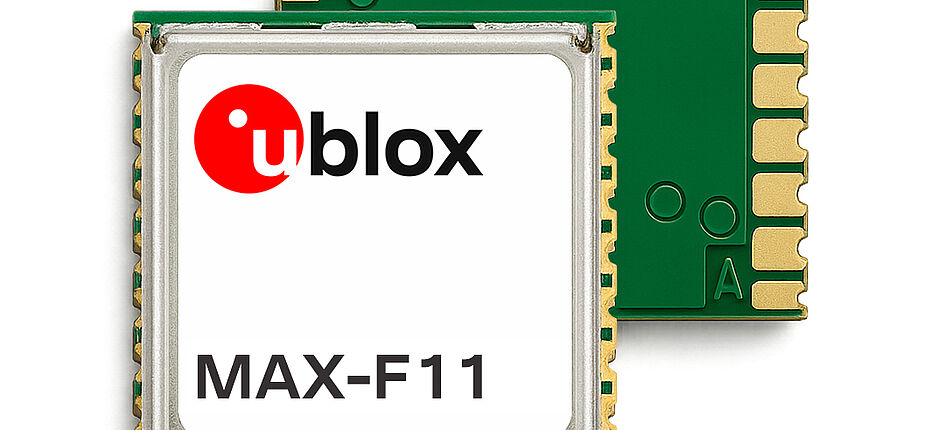
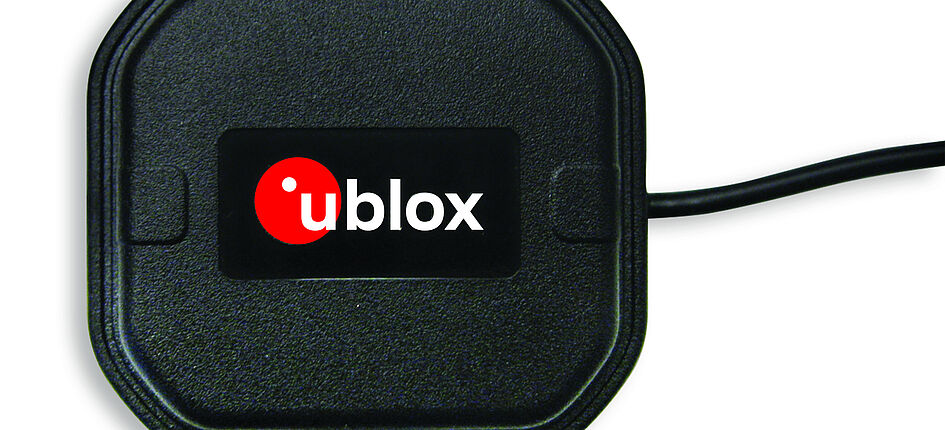
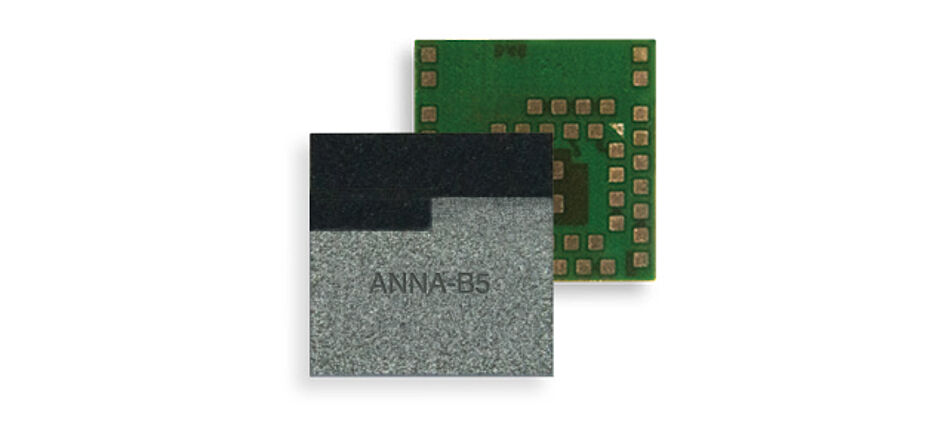
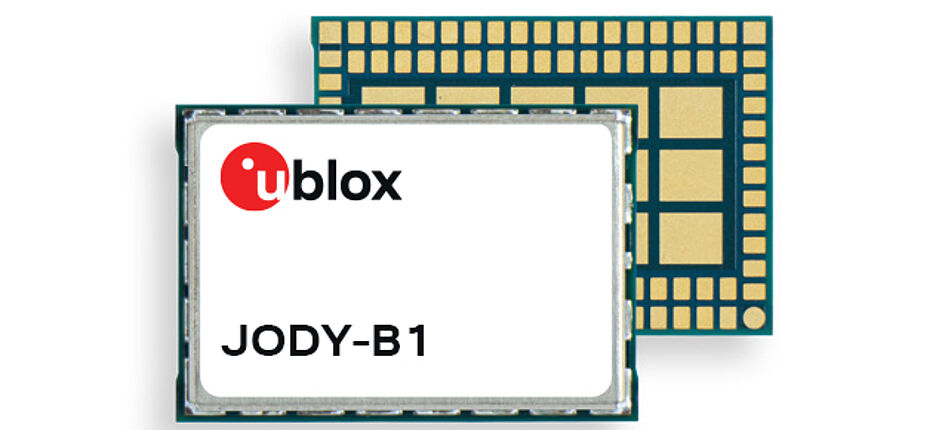
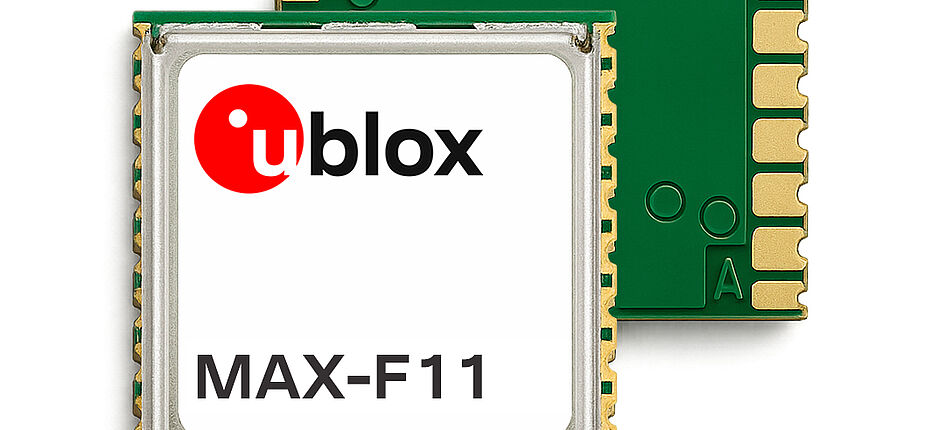
U-blox is launching its first F11 products, such as the MAX-F11 (pictured). Image: u-blox AG
News
Zurich/Bern/Geneva — An international consortium led by the Balgrist University Hospital in Zurich has launched a five-year project to research phage therapy. The EU is providing 15 million euros in funding for it. The Swiss Institute of Bioinformatics and the Universities of Zurich and Bern are also involved.
(CONNECT) The REPhRAME research project, led by Frankfurt University Medical Center and scheduled to run for five years, is receiving 15 million euros from the European research and innovation programme Horizon Europe. According to their statement, Balgrist University Hospital is playing a leading role in this effort. The international consortium also includes three other institutions from Switzerland: the decentralised Swiss Institute of Bioinformatics, as well as the Universities of Bern and Zurich. In total, the consortium brings together 16 partners from academia, clinical research, and industry across eight European countries.
REPhRAME is designed to address the growing problem of antibiotic resistance in recurrent urinary tract infections. A randomised clinical trial is investigating, for the first time, the combination of phage therapy and restoration of the gut microbiome. Initially, phages—viruses that specifically target and kill bacteria—are intended to combat the most common causes of urinary tract infections, namely certain strains of the intestinal bacterium Escherichia coli, thereby making it more difficult for new resistances to develop.
The second step is to restore the gut microbiome. INTESTIFIX 001, a product from the Cologne Microbiota Bank at the University of Cologne that is currently being tested in several clinical trials, is used for this purpose. In this process, gut bacteria from healthy donors are transferred to help restore the natural balance in the gut.
The Neuro-Urology Department at Balgrist University Hospital is one of the leading centres for the diagnosis and treatment of neuro-urological disorders. REPhRAME builds on their research and consistently advances it. "REPhRAME marks an important milestone for clinical phage research in Europe," says Dr. Shawna McCallin, who serves as co-director of the Phage Therapy & Research Group there. "This unique opportunity brings us a decisive step closer to the evidence-based use of phage therapy in clinical practice." ce/mm
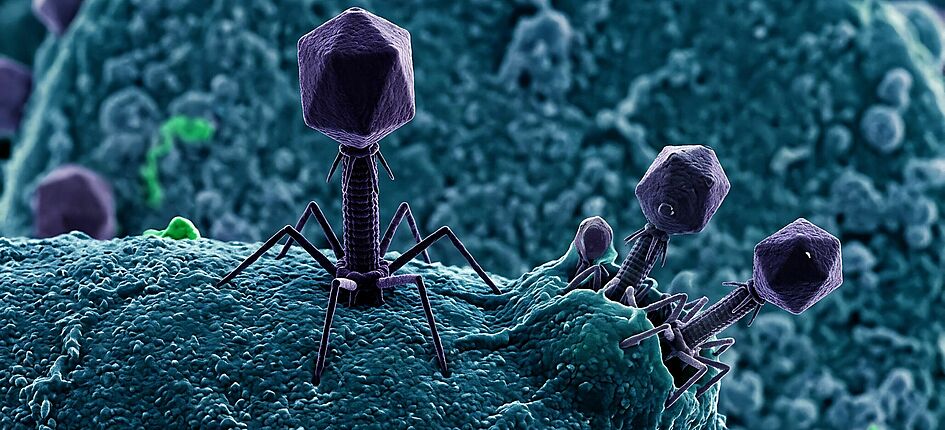
The REPhRAME research project is receiving 15 million euros from the European research and innovation programme Horizon Europe. Image: AdobeStock
News
The second 2026 issue of our FRZ magazine “mag” is dedicated entirely to construction, real estate, urban development, and New Zurich.
The Zurich airport region isn't just growing—it's also evolving in terms of quality, with new neighborhoods, modern work environments, sustainable infrastructure, smart buildings, and the transformation of existing sites.
Special attention is being given to the 12th ImmoSummit organized by FRZ (Zurich Airport Region), which took place on June 10, 2026, at THE HALL in Dübendorf.
Other highlights of this issue:
New Zurich: The development strategy launches a debate on how the Zurich airport region can continue to develop as a cohesive economic and living space.
Construction and Real Estate Industry: Digitalization, climate goals, the circular economy, modern building technology, and data-driven facility management are transforming the built environment.
The Workplace Is Going Smart: Peter Zanoni, Managing Director of HP Switzerland, discusses AI PCs, hybrid work, and the digital workplace of the future. FRZ’s Homebase: The Hilton Zurich Airport is presented as a destination for international conferences, meetings, and successful networking.

News
Zurich — Aylight has secured 4.5 million euros in a pre-seed funding round. The company develops multi-wavelength lasers at the chip scale. With this funding, the first prototypes are now set to be manufactured at a semiconductor factory.
(CONNECT) Zurich-based photonics company Aylight has announced the completion of a pre-seed funding round totaling 4.5 million euros. According to a press release, the company—founded in 2025 by Bahareh Marzban and Dmitry Kazakov—develops chip-scale multi-wavelength lasers. The funding will be used to manufacture the first prototypes at a semiconductor factory and to expand Aylight's research and development team. The funding round was led by Elaia and Swisscom Ventures, with participation from Verve Ventures and Plug and Play.
Data exchange between chips is increasingly limiting the scalability of artificial intelligence infrastructure. "Currently, each optical connection requires its own laser, and this approach does not achieve the throughput that data centers need," Aylight explains in the press release. Aylight's new laser technology could now solve this problem. "The chip emits a frequency comb—many precisely spaced wavelengths simultaneously—so that a single device can achieve the parallelism that previously required dozens of discrete lasers."
Aylight's technology enables distance measurements with depth resolution in the micrometer range. This would allow it to be used in various fields, such as semiconductor inspection and metrology, as well as in high-resolution 3D sensor technology for industrial automation and precision robotics.
“We are convinced that Aylight can offer a scalable technology that serves the rapidly growing market for optical connectivity in data centers and outperforms all existing solutions in this field,” Pär Lange, a partner at Swisscom Ventures, is quoted as saying in the press release. ce/nta

Aylight has announced the completion of a pre-seed funding round worth 4.5 million euros. Stock image: Ambre Estève/Unsplash
News
Schlieren, ZH/Vernier, GE — Microcaps AG and Givaudan AG have entered into a strategic partnership. Together, they aim to redefine industrial, precision microencapsulation and develop high-performance fragrances and cosmetic products.
(CONNECT) Microcaps, a Schlierem-based company specializing in precision microencapsulation, has announced a strategic partnership with and an equity investment from Givaudan, a manufacturer of flavors and fragrances based in Vernier. According to a press release, the collaboration is intended to strengthen Microcaps' encapsulation technology and open up new opportunities for the development of high-performance fragrances and cosmetic products.
“This partnership enables us to scale our technology and make scientific precision accessible to a broader market,” explain Alessandro Ofner and Michael Hagander, founders and co-CEOs of Microcaps, in the press release. "Together, we can redefine the importance of high-precision encapsulation for the fragrance and cosmetics industries."
The collaboration combines Givaudan's expertise in fragrance formulation with Microcaps' patented, state-of-the-art precision microencapsulation technology. According to the press release, the technology enhances the consumer experience by improving fragrance performance and enabling longer-lasting scents.
“Encapsulation is one of the most transformative technologies in our industry,” said Jeremy Compton, Global Head of Science & Technology Fragrances at Givaudan. “By combining Givaudan’s deep expertise in fragrance creation and innovation with our commitment to collaborating with Microcaps and its groundbreaking technologies, we can explore new ways to enhance performance and sustainability for consumers across a wide range of fragrance and skincare applications.”
Microcaps was founded as a spin-off of the Swiss Federal Institute of Technology Zurich (ETH) and is headquartered at the Bio-Technopark in Schlieren, Zurich. ce/nta
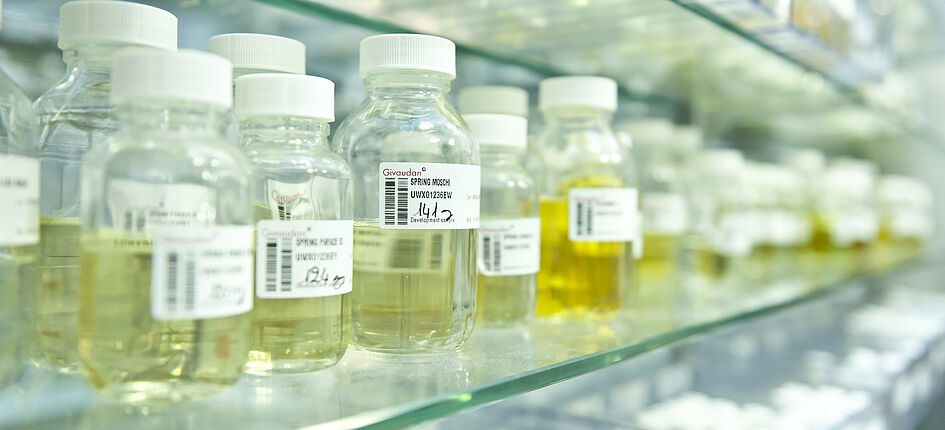
Microcaps has announced a strategic partnership with Givaudan, as well as a capital investment by the company. Image: Givaudan AG
News
Schlieren, Canton of Zurich — The startup incubator Venture Kick has provided ALP Bio with 150,000 Swiss francs in funding. The Schlierem-based company plans to use the new funding to scale up its platform for predicting antibody immune responses in collaboration with clinical partners.
(CONNECT) The startup incubator Venture Kick has provided ALP Bio (both based in Schlieren) with 150,000 Swiss francs in funding. According to a press release, the startup plans to further develop its platform for detecting immune responses to antibodies.
ALP Bio has developed human tonsil organoids in vitro and combined these models with artificial intelligence (AI). The self-learning system is designed to help drug developers assess and prevent the risks of immune reactions associated with antibodies at an early stage. This could help avoid costly testing and the termination of research programs in the late stages of development. According to studies, this so-called immunogenicity is considered one of the greatest risks in research, where approximately 3,000 antibody candidates reach the clinical trial phase each year. Setbacks are expected to result in costs amounting to hundreds of millions of dollars. According to estimates, the market for immunogenicity tests is projected to reach approximately $6.5 billion by 2030.
With the funding it has now received from Venture Kick, ALP Bio plans to finance its first pilot projects with pharmaceutical partners. “Venture Kick challenged us at every stage, just like real investors would, helped us refine our story, and opened doors that we couldn’t have opened on our own,” says Punit Mehra. Co-founder and CBO of ALP Bio, as quoted in the press release. “Winning all three rounds is a strong endorsement of what we’re building and gives us the means to prove it together with our initial partners.” ce/ww
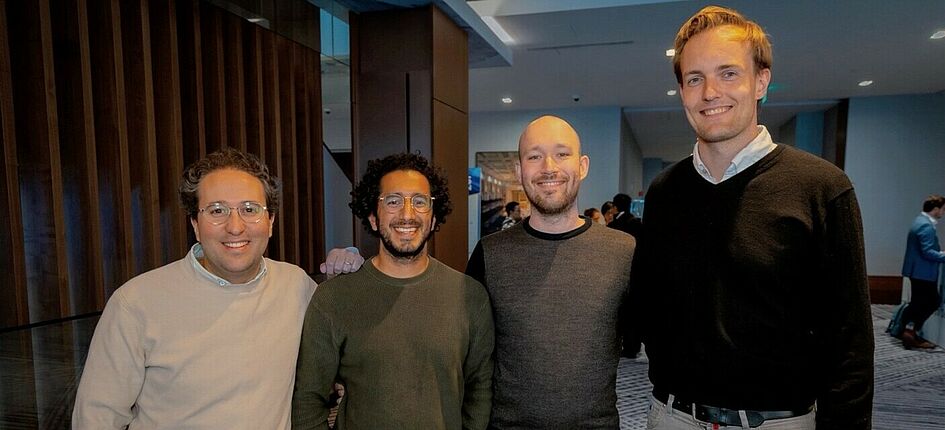
ALP Bio receives 150,000 Swiss francs from Venture Kick; Pictured: (from left to right) Co-founders Dr Lucas Schaus (CSO), Punit Mehra (CBO), Anatol Ehrlich (CTO) and Dr Christian Vahlensiek (CEO). Photo: Courtesy of Venturelab
News
Nerai Bioscience was founded as a spin-off of the University of Zurich to develop a scalable therapeutic approach for a wide range of rare, currently incurable genetic diseases that often affect children.
"Genetic scissors," as the CRISPR/Cas method is colloquially known, hold great promise in medicine, including in the treatment of rare genetic diseases. However, the capabilities of this method are still limited today—in part because it cannot access all DNA sequences. The UZH spin-off Nerai Bioscience AG aims to address this shortcoming in the foreseeable future.
The young company was born, as CEO Vincent Forster puts it, “from the fortunate convergence” of expertise from three modern disciplines brought by the specialists from the lab of Gerald Schwank, a UZH professor at the Institute of Pharmacology and Toxicology: First, the “targeted” evolution of the so-called “CRISPR” editor with high throughput for tailored gene therapy; second, machine learning and AI to further improve the editors. And third, technologies that allow them to be tested for multiple diseases at the same time. According to Foster, Nerai’s editors are designed to be applicable to multiple diseases—a strategy that could one day make personalised therapies more accessible.
The spin-off is currently working to advance its preclinical development and raise seed capital to move its gene therapy platform toward clinical application. The large number of rare and still incurable genetic diseases, which often affect children, motivates the team in its work. Forster hopes that one day such therapies will become so effective and accessible that no disease will be considered “too rare to be cured.”

Nerai Bioscience
News
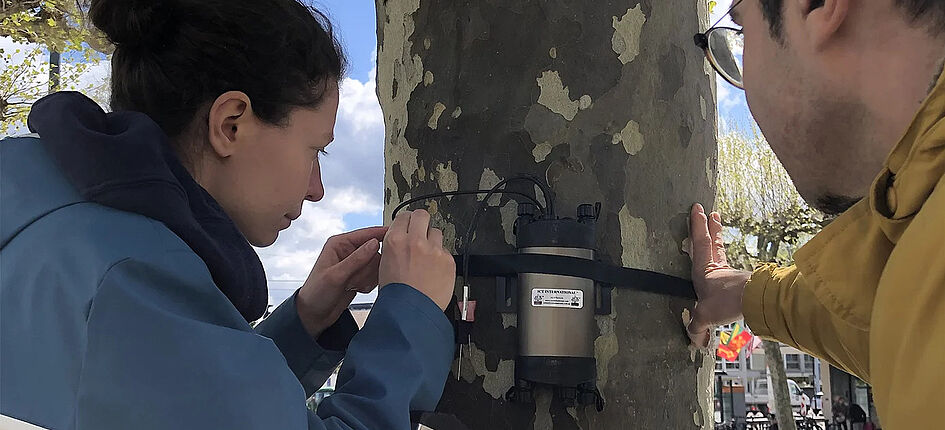
Uster, ZH — The city of Uster has installed sensors at twelve locations to measure the urban climate in order to highlight heat stress. The data will be incorporated into the planning of construction and transportation projects so that public spaces and streets can be used more comfortably on hot days.
(CONNECT) Uster has set up a temperature monitoring network with twelve sensors throughout the city. In addition to temperature, the monitoring stations also systematically record humidity, solar radiation, and air pressure.
According to a press release, the sensors are located, among other places, in the city centre, in heavily trafficked areas, and in quieter, greener areas such as shaded parks. The different locations are intended to show how much and for how long individual neighborhoods and areas heat up, and how often heat stress occurs there.
Based on data collected over the long term, the city aims to better analyse heat islands and compare the effects across different urban areas. The results are intended to serve as a basis for future construction and transportation projects and to identify which measures—such as planting additional trees, creating green spaces, or restoring unsealed areas—contribute to cooling.
The project is supported by the Center for Aviation (ZAV) at the Zurich University of Applied Sciences (ZHAW). The measurement data and sensor locations can be viewed in the Uster WebGIS. ce/as

Uster has set up a temperature monitoring network comprising twelve sensors across the town. Photo: Town of Uster
News
Entrepreneurship, Careers & Innovation at the Intersection of Art, Design and Business 2016–2026
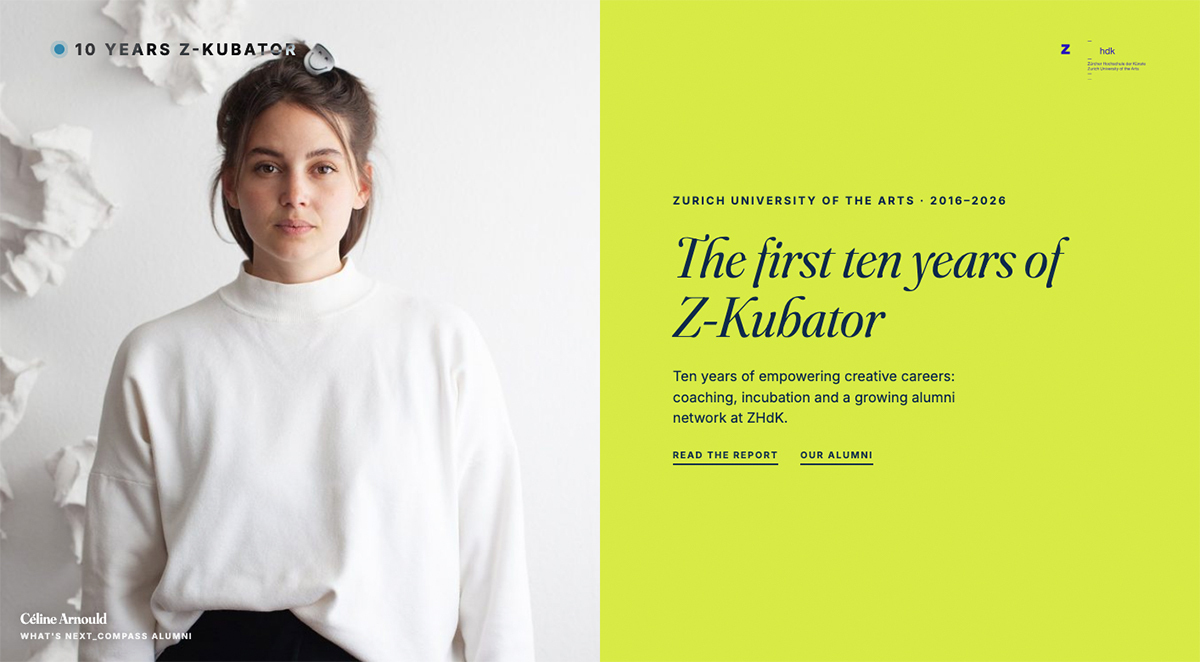
We are celebrating 10 years of Z-Kubator at Zurich University of the Arts (ZHdK). Over the past decade, more than 1,200 students and alumni were supported, while the programmes have stimulated over CHF 2.5 million in alumni fundraising. If you are curious to discover more facts and figures from our first ten years, take a look at the anniversary report. There, you also get insight into testimonials from 40 of our alumni and hear from them how the Z-Kubator has supported their journeys.
You need to load content from reCAPTCHA to submit the form. Please note that doing so will share data with third-party providers.
More InformationYou are currently viewing a placeholder content from Turnstile. To access the actual content, click the button below. Please note that doing so will share data with third-party providers.
More InformationYou are currently viewing a placeholder content from Vimeo. To access the actual content, click the button below. Please note that doing so will share data with third-party providers.
More InformationYou are currently viewing a placeholder content from YouTube. To access the actual content, click the button below. Please note that doing so will share data with third-party providers.
More InformationYou need to load content from reCAPTCHA to submit the form. Please note that doing so will share data with third-party providers.
More Information