News
Schlieren, ZH/Villejuif — Molecular Partners, a biotech company based in Schlieren, has administered its drug candidate to the first cancer patients. As part of a Phase 1/2a clinical trial, the radiopharmaceutical therapy developed in collaboration with Orano Med targets a protein found in several types of tumors.
(CONNECT) Molecular Partners has announced that the first patient has received a dose of its drug candidate MP0712 and that additional patients have been enrolled. Founded in 2004 as a spin-off of the University of Zurich and based in the Schlieren-Zurich Bio-Technopark, the company is developing this active ingredient in collaboration with its strategic partner, Orano Med. Since May 2026, the radio-pharmaceutical company's official headquarters has been located in the European cancer research cluster in the French city of Villejuif, near Paris.
The drug candidate is currently being tested in the United States as part of an ongoing multicentre Phase 1/2a trial. Currently, five study centers there are actively recruiting patients with various types of cancer. This is because the so-called Radio-DARPin (Designed Ankyrin Repeat Protein) candidate MP0712 targets the tumor-associated protein Delta-like Ligand 3 (DLL3). It is found in more than 85 percent of tumors in patients with small-cell lung cancer, as well as in numerous other aggressive neuroendocrine cancers, but is rarely found in healthy tissue.
Additional study sites are expected to be added later this year. Initial clinical data are expected in the coming months, with more comprehensive data on safety and efficacy expected in 2027. “The treatment of the first patients in this study is an important step for Orano Med and our collaboration,” Orano Med CEO Dr. Frédéric Desdouits is quoted as saying. It highlights the drug's potential to treat a wide range of cancers.
Dr. Patrick Amstutz, CEO of Molecular Partners, also expressed his satisfaction: “Now that the first patient is undergoing repeat treatment and the first cohort has been recruited, we are determining the clinical safety profile of this novel therapy in real time. Working closely with the investigators in our study, we remain on track to publish initial study data in 2026 while paving the way for the further development of other Radio-DARPin candidates.” ce/mm
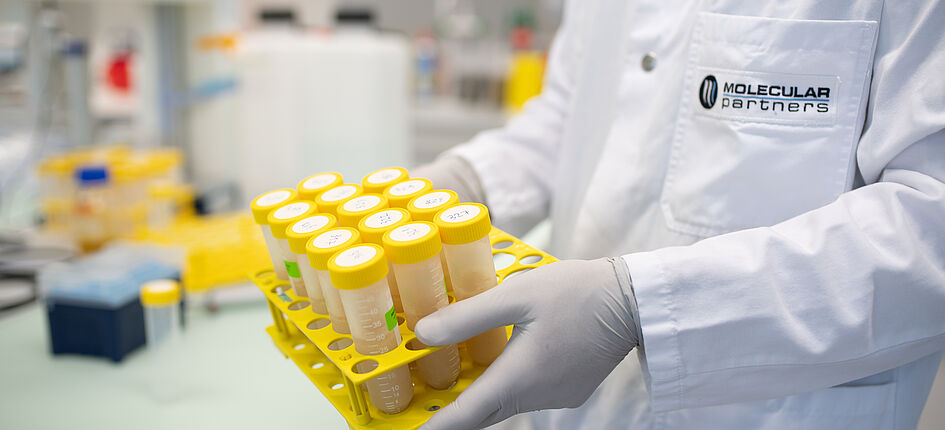
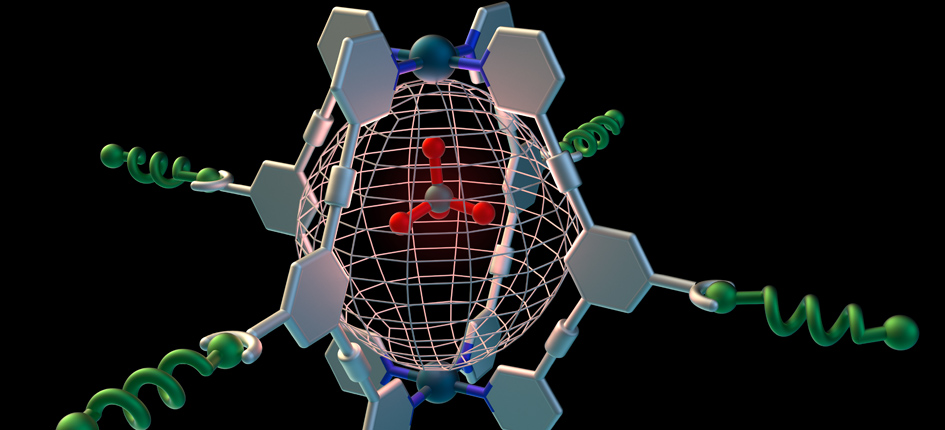
Molecular Partners administers the drug candidate MP0712 to its first cancer patient. Image: courtesy of Molecular Partners AG
News
Zurich — Researchers at the Swiss Federal Institute of Technology in Zurich (ETH) have developed pixels that both control and analyse light, meaning they function as both a camera and a display. To achieve precise control, the team uses the interference of light waves on a surface modelled to have a wave-like shape.
(CONNECT) A research team led by David Norris, a professor at the Optical Materials Engineering Laboratory at ETH, has developed pixels that, for the first time, can do two things: they can both control and analyse light. According to a report by ETH, this applies not only to the intensity of the light, but also to its phase and polarisation. As a result, these so-called bidirectional pixels could, for example, be used in the future to create camera displays that combine both functions in a single device.
The new findings have now been published in the scientific journal *Nature*. They are based on what is known as the interference of light waves. Norris and his team use this effect to precisely control light using a material with a wave-like surface. They developed this method, which is accurate to the nanometer, several years ago. The interference of light waves can then create patterns and images.
Researchers can use the mathematically simple Fourier analysis to determine what these images look like and what surface pattern is needed for a specific image. The oscillation phase can also be precisely controlled. According to the report, this even makes it possible to produce donut-shaped beams of light with a hole in the center.
Light is used in many technologies, from television to cell phone cameras to fiber-optic internet. “Our new control and analysis pixels could therefore become a useful tool in many fields,” says Norris. It is even conceivable that these pixels could respond to a captured image without going through a computer and emit corresponding light patterns.
Norris cites the extension of the method to a matrix consisting of multiple Fourier pixels as a short-term goal. This could then make it possible to develop complex camera-display devices that operate like conventional cameras or displays with a large number of pixels. A patent application has been filed for this research, which is scheduled for this year’s has been nominated for a Spark Award. ce/mm

Researchers at ETH have developed pixels that can not only generate images but also analyse them. Stock image: Sam Roy/Unsplash
News
Schlieren, ZH/Paris — Memo Therapeutics is selling its monoclonal antibody Potravitug to the Paris-based biotech company Ipsen for up to 700 million euros. All remaining assets and employees will be transferred to the new company, Memorises Bio. It is held by the shareholders of Memo Therapeutics AG.
(CONNECT) Memo Therapeutics, a spin-off from the Swiss Federal Institute of Technology Zurich, has secured an exit: The biotech company, based at the Bio-Technopark in Schlieren-Zurich, is being acquired by the Paris-based biopharmaceutical company Ipsen. According to a press release, the acquisition focuses on Potravitug, a novel monoclonal antibody against the BK polyomavirus developed by Memo Therapeutics, for which Phase 3 clinical trials are scheduled to begin later this year.
Ipsen will acquire all of the shares of Memo Therapeutics AG. A prerequisite for this is that the assets and employees of Memo Therapeutics AG that are not related to Potravitug be transferred in advance to Memorises Bio AG, which will be newly established on June 19, 2026. It is owned by the shareholders of Memo Therapeutics AG and is headquartered at the same address in Schlieren.
Upon completion of the transaction, which is scheduled for the third quarter, Ipsen will pay 200 million euros. Including certain development, regulatory approval, and sales milestones, the total potential compensation amounts to over 700 million euros.
Potravitug is a novel monoclonal antibody that inhibits the reactivation of BK polyomavirus (BKPyV) in kidney transplant recipients. This widespread virus, which almost everyone carries in an inactive, asymptomatic form, can be activated by a weakened immune system and lead to kidney disease (nephropathy). This occurs relatively frequently in immunosuppressed kidney transplant recipients and can lead to graft loss. Potravitug would be the first treatment for polyomavirus-associated nephropathy.
“Today marks a turning point in the history of Memo Therapeutics AG and confirms years of scientific innovation,” Memo Therapeutics CEO Erik van den Berg is quoted as saying. “We are very pleased to have brought Ipsen on board to further develop this important drug. Thanks to its extensive expertise in the development and marketing of drugs for rare diseases, Ipsen can ensure that this groundbreaking compound reaches its full potential,” said van den Berg.
This transaction is also a success for Verve Ventures, a venture capital firm operating out of Zug and Zurich—an early-stage investor that has increased its investment in every funding round: “An acquisition by a global leader in rare diseases is exactly the kind of exit that validates our approach in the life sciences,” Verve stated in a press release: “Swiss science, backed by European capital, acquired by a leading European company.” ce/mm

The Paris-based biotech firm Ipsen has acquired Memo Therapeutics AG. Image: Ipsen Pharma
News
Zurich — Researchers at the University of Zurich (UZH) are using a new, high-performance nuclear magnetic resonance spectrometer to analyse complex biomolecular structures. The goal is to gain insights through basic research in molecular biology for the benefit of medicine or the development of new pharmaceutical compounds.
(CONNECT) Researchers at the University of Zurich (UZH) are using a new nuclear magnetic resonance (NMR) spectrometer, installed in November 2025, to analyze complex biomolecular structures. According to a press release, the team of scientists led by Oliver Zerbe intends to analyse these structures in order to gain insights for both basic biochemical research and medicine and pharmacology.
According to the operating principle of a nuclear magnetic resonance spectrometer, the spins of atoms such as carbon or hydrogen align in a magnetic field. If radio waves are directed at such a sample—for example, organic molecules suspended in a liquid—their echoes can be measured as an NMR spectrum. The larger these molecules are, the more complex the spectrum is. For research purposes, this means building an NMR spectrometer with a high resonance frequency in order to detect all signals reflected by the sample separately. This is possible with the new facility at UZH, which can generate a magnetic field strength of 25.8 tesla. “The resolution of this spectrometer is simply much higher than that of previous devices—similar to a larger camera sensor,” Oliver Zerbe, co-leader of the NMR team, is quoted as saying in the press release. "This allows us, for example, to better understand how substances bind to large, complex molecules in bacterial cells."
Zerbe's team is currently investigating the antibacterial effects of the naturally occurring protein thanatin. Insights from NMR spectroscopy are expected to offer ways to modify thanatin so that it prevents the formation of bacterial protective coats. Another area of research is the structural characterisation of intrinsically disordered proteins (IDPs), which do not have a fixed structure but consist largely of flexible chains. Among other things, IDPs act as signal transmitters during cell division. A prominent example of an IDP is the p53 molecule, which has been studied worldwide and, under normal conditions, prevents cells with damaged genetic material from dividing.
The 1.2-gigahertz NMR spectrometer is one of three such instruments currently available to researchers in Europe. The cost of 13.5 million Swiss francs is shared by UZH, the Swiss Federal Institute of Technology Zurich (ETH), and the University of Basel under a joint usage agreement (Swiss High-field NMR Facility). ce/ww
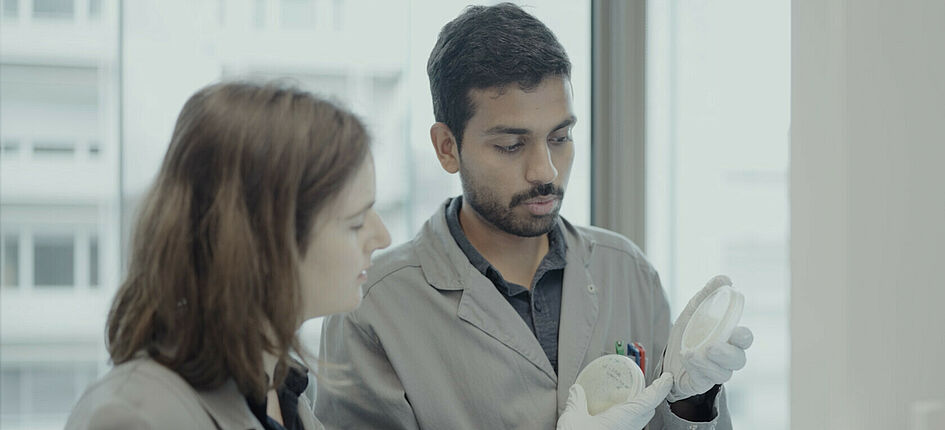
Ricarda Törner (left) and Arihant Yadav are working on the analysis of complex biomolecular structures. Photo: UZH
News
Schlieren, ZH/Baar, ZG/Cambridge/Boston — Neurimmune successfully completes a long-term study on a device for removing fibrils from the heart. She confirms that his human monoclonal antibody reduces amyloid deposits in the heart in patients with ATTR-CM. No such treatment option currently exists.
(CONNECT) According to a press release, a novel human monoclonal antibody called Cliramitug has successfully completed a long-term follow-up study. It is intended for use in treating the rare disease amyloid transthyretin cardiomyopathy (ATTR-CM). In this form of amyloidosis, the misfolded protein tranylthyretin aggregates and is deposited in the heart in the form of so-called fibrils (amyloids). This potentially life-threatening condition manifests as progressive heart failure. So far, treatments have been able to slow the progression of the disease, but there is still no drug that can remove these fibrils from the heart. That is what Cliramitug is designed to do.
According to the study, which has now been published, “no apparent drug-related serious adverse events” occurred during treatment with Cliramitug over a period of more than one year. Certain markers indicated a reduction in cardiac amyloid burden, as well as improvements in cardiac biomarkers and cardiac function.
“The time- and dose-dependent improvements in structural, functional, and biomarker endpoints confirm our previous observations and underscore the therapeutic potential of cliramitug as a novel, amyloid-reducing therapy for ATTR-CM,”, said Dr. Christoph Hock, Medical Director at Neurimmunes. “Together with our clinical investigators and collaboration partners at Alexion and AstraZeneca Rare Disease, we are pleased to present the detailed results of the open-label Phase 1 extension study to the scientific community.”
In 2022, Neurimmune entered into an exclusive global collaboration and licensing agreement with Alexion for Cliramitug. Alexion is a subsidiary of the British pharmaceutical company AstraZeneca that specializes in rare diseases; its Swiss subsidiary, AstraZeneca AG, is based in Baar. Neurimmune was spun off from the University of Zurich in 2006 and is based in the Bio-Technopark Schlieren-Zurich. ce/mm
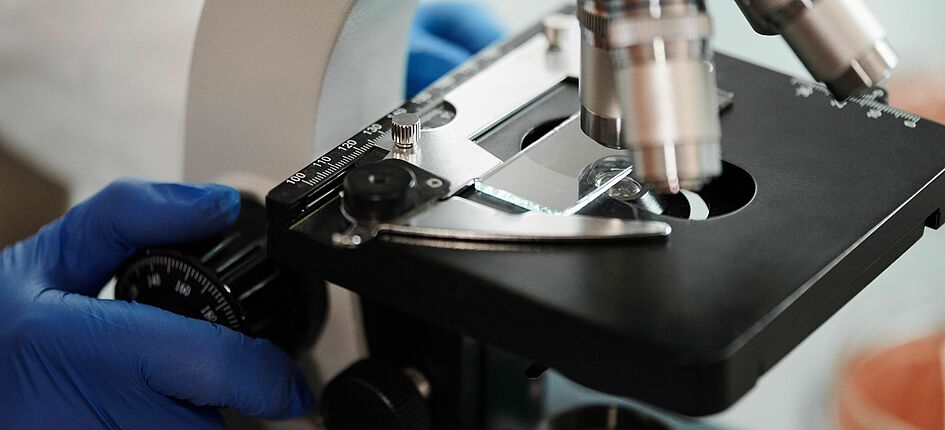
Neurimmune reports a successful long-term study with cliramitug. Stock image: Edward Jenner/Pexels
News
Schlieren, Canton of Zurich — AL-S Pharma presented clinical data from its Phase 2 study AP-101-02 at the 2026 ENCALS Congress. The study investigated the antibody AP-101 in patients with amyotrophic lateral sclerosis (ALS). The data suggest a slower progression of the disease and longer survival.
(CONNECT) AL-S Pharma presented clinical data from the global Phase 2 AP-101-02 trial at the 2026 European Network to Cure ALS (ENCALS) Congress in Madrid, according to a press release. The study is investigating the drug AP-101 in patients with sporadic ALS and those with SOD1 mutations. AP-101 is a drug developed from human antibodies that specifically targets misfolded forms of the SOD1 protein. This is intended to slow the spread of disease-related protein deposits in the nervous system and promote their breakdown.
According to the press release, the clinical data from the Phase 2 trial provide evidence of a clinically significant slowing of disease progression as well as prolonged survival among treated patients. These findings were supported by a reduction in key biomarkers of neuroaxonal damage, including serum neurofilament light chain (NfL) and phosphorylated neurofilament heavy chain (pNfH) in cerebrospinal fluid (CSF) after six months of treatment. The safety profile was largely consistent with that of the placebo group. “The consistency observed across multiple biomarkers and clinical measures provides a strong rationale for the further development of AP-101 as a potential disease-modifying therapy,” said Angela Genge, Chief Medical Officer of AL-S Pharma.
AL-S Pharma is now planning a Phase 3 trial with AP-101, which is scheduled to begin in the first quarter of 2027. The active ingredient has already been granted orphan drug status by the U.S. Food and Drug Administration (FDA), the European Medicines Agency (EMA), and Swissmedic.
AL-S Pharma is a subsidiary of the biotech company Neurimmune, which founded it in 2016 in partnership with the Canadian venture capital fund TVM Capital Life Science. AL-S Pharma is part of Neurimmune based at the Schlieren-Zurich Bio-Technopark. ce/ja
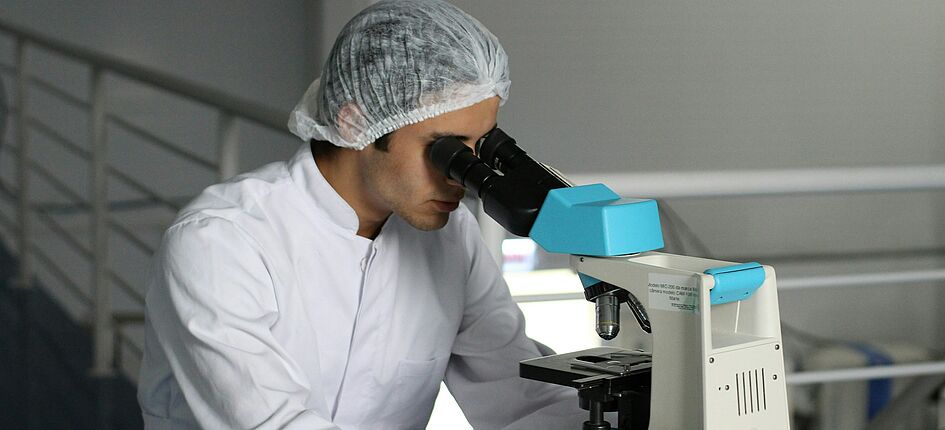
AL-S Pharma has presented clinical data from the global Phase 2 trial AP-101-02. Stock image: Lucas Vasques/Unsplash
News
Dübendorf, ZH — Researchers at the Swiss Federal Laboratories for Materials Testing and Research (Empa) have developed a process that reinforces defective steel parts using 3D printing. The optimised geometry of the imprint is crucial to the repair effect.
(CONNECT) Researchers at Empa’s Engineering Structures division in Dübendorf aim to use 3D metal printing to repair and, in the future, redesign load-bearing steel components in structures. The focus is on the Wire Arc Additive Manufacturing (WAAM) process, in which metal is applied layer by layer to damaged areas, according to a press release.
In the WAAM process, a welding wire is applied layer by layer to the damaged area of a steel component using an electric arc. The key factor in the effectiveness of the repair is not the amount of material applied, but the geometry of the reinforcement. In a series of experiments, two-layer, stepped reinforcement structures proved to be particularly effective.
The advantage of the WAAM process is that damaged areas can be reinforced locally and effectively without having to replace the entire defective component. According to the statement, localised repairs are particularly important in the context of infrastructure projects such as bridges or structural frameworks, since the steel components installed there can hardly be replaced due to the constant load they bear.
Practical application remains a challenge: Damaged components are usually firmly integrated into the structure and would often have to be removed and transported to a workshop for repair. Although mobile robot systems are currently under development, further progress is needed before they can be widely used directly on construction sites.
In the long term, the researchers see further potential applications for the WAAM process. These include metallic damping elements for bridges, buildings, and technical facilities, as well as lightweight, heavy-duty components for mechanical engineering.
In addition, Empa is investigating the use of shape-memory alloys. These materials can return to their original shape after being deformed, and when combined with 3D metal printing, they open up new possibilities for adaptive and material-efficient metal components. ce/ja
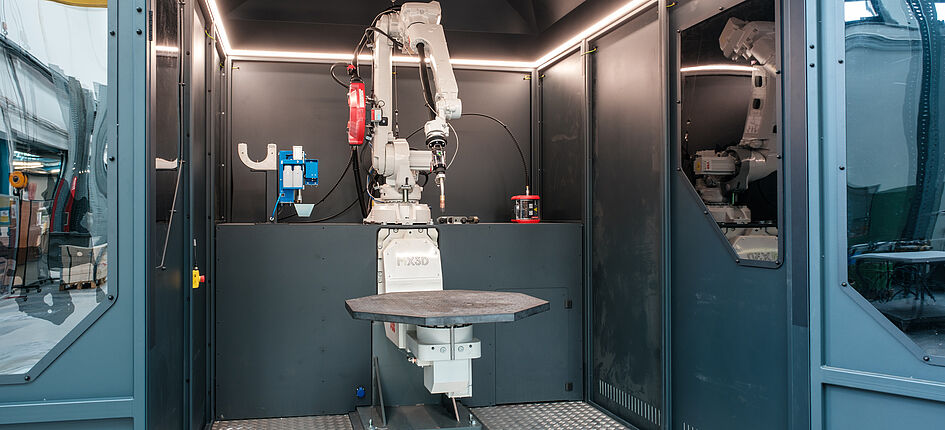
Researchers at Empa have developed the Wire Arc Additive Manufacturing process. Image: Empa
News
Fehraltdorf, ZH/Lincoln — Celerion is expanding its laboratory in Fehraltdorf. With this move, the company, headquartered in the U.S. state of Nebraska, is responding to the growing global demand for bioanalytical services. The Swiss laboratory supports Celerion’s research in the United Kingdom and the United States.
(CONNECT) Celerion is expanding its bioanalytical laboratory at its Swiss site in Fehraltdorf, near Zurich. According to a press release from the Lincoln, Nebraska-based company, this investment strengthens Celerion’s ability to meet the growing global demand for bioanalytical services, accelerate study completion, and provide access to specialised scientific expertise in complex drug development programmes. Plans call for targeted investments in state-of-the-art equipment and specialised scientific personnel.
"This expansion reflects both the growth of the bioanalytical market and the rising demand from our customers worldwide," said Dr. Chad Briscoe, Executive Vice President of Global Bioanalytical Services at Celerion. Celerion's Swiss laboratory is integrated with the company's clinical research units in the United States and the United Kingdom, which, according to the company, enables efficient sample management and the rapid delivery of high-quality data.
“As therapeutic approaches continue to evolve, our clients need bioanalytical partners who can keep pace with increasingly complex development programmes,” said Susan Thornton, who founded Celerion in 2010 and has served as its CEO ever since. "This investment ensures that we remain well-positioned to deliver the expertise, quality, and responsiveness needed to accelerate the development of new drugs." ce/mm
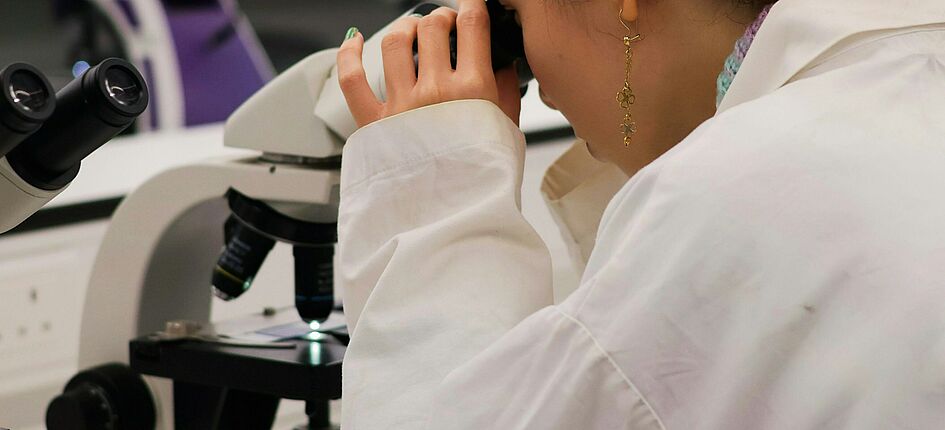
Celerion is expanding its bioanalytical laboratory at its Swiss site in Fehraltdorf. Stock image: Faustina Okeke/Unsplash
News
Stettlen, Bern — The following five companies have been nominated for the tenth edition of the Prix SVC Zurich Economic Region and will advance to the finals on November 24, 2026: Digitalparking (Schlieren), PAWI Packaging (Winterthur), PKZ Burger-Kehl & Co. (Urdorf), Rolf Schlagenhauf (Meilen), and ViCOLLECTIVE (Eglisau).
(CONNECT) The Prix SVC Zurich Economic Region 2026 has announced its finalists. The independent, locally based jury has selected five companies for the awards gala: Digitalparking AG from Schlieren, PAWI Packaging Schweiz AG from Winterthur, PKZ Burger-Kehl & Co. AG from Urdorf, Rolf Schlagenhauf AG from Meilen, and ViCOLLECTIVE AG from Eglisau. The ceremony honoring the nominees and the winning company will take place on November 24 at the Kongresshaus in Zurich.
With this award, the Swiss Venture Club (SVC) SME network, headquartered at Bernapark in Stettlen, honours exemplary companies that stand out for their innovative products and services, their corporate culture, the quality of their employees and management, and a proven track record of sustained success. “With these five companies, the Zurich economic region impressively demonstrates how deeply entrepreneurial success is rooted in our region,” said Christopher Blaufelder, jury president and McKinsey partner, in an SVC press release. "The nominees embody competitiveness and innovation and make a significant contribution to the strength of our business community."
The origins of Digitalparking date back to 1956. Today, the Schlieren-based family-owned company is the only full-service provider of paid parking in Switzerland. With over 15,000 installations throughout Switzerland, its offerings include barrier systems, parking meters, and app and cloud solutions.
PAWI Packaging Switzerland is part of PAWI Group AG, which was founded in Winterthur in 1960. The company, which remains family-owned to this day, develops and manufactures high-quality packaging solutions made of cardboard and paper.
PKZ Burger-Kehl & Co. is Switzerland's oldest independent fashion house. It has been family-owned for 145 years, with the fifth generation serving on the board of directors and CEO Manuela Beer at the helm. The company employs 650 people across its 41 women's and men's stores.
The Rolf Schlagenhauf Crafts Group, which specialises in painting, plastering, and masonry work, exterior wall insulation, parquet and flooring installations, and comprehensive renovations, is led by the CEO of the same name, representing the third generation of the family. It employs a total of 310 people at several locations, including numerous apprentices.
ViCOLLECTIVE brings together the two Swiss brands ViCAFE and VIVI (formerly Vivi Kola) under one roof. ViCAFE operates 18 espresso bars, along with its own roastery and coffee academy. VIVI grew out of the Vivi Kola brand, which was revived in 2010. The company is growing by 15 to 20 percent annually. ce/mm
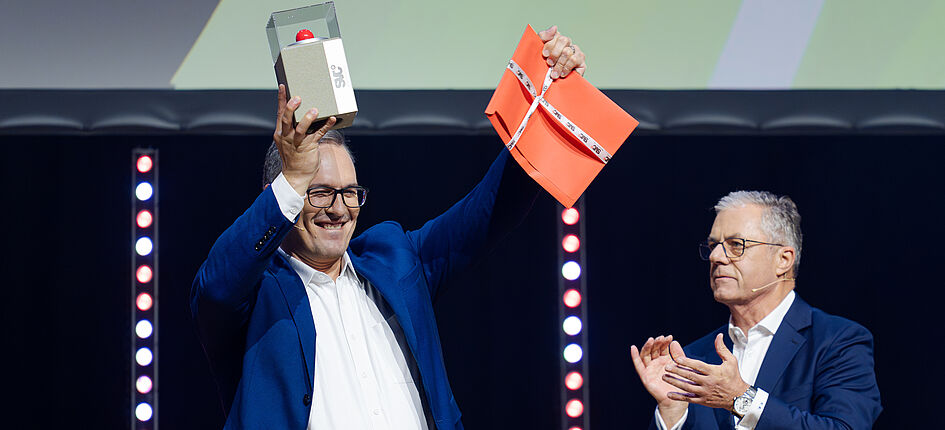
Hawa Sliding Solutions has won the 2024 SVC Zurich Economic Region Award. Photo: SVC/Keystone/Manuel Lopez
News
Kloten, ZH — NextBusiness AG raised $3 million from Swiss investors in its first funding round. With this move, the startup aims to accelerate the further development of its accounting solution, called Infinity. The goal is for the accounting to run practically on its own starting in 2030.
(CONNECT) NextBusiness AG, based in Kloten, has raised $3 million in its first round of financing. The money is being channelled into the ambitious goal of the startup, founded in 2023: so-called autonomous accounting. "By 2030, corporate accounting should run practically on its own," CEO Stefan Wittwer explains in a press release. As part of the “fight against manual bookkeeping,” his company developed Infinity, an artificial intelligence (AI)-powered solution that is already available online.
The round was led by the Zurich-based venture capital firm EquityPitcher. In addition, Zurich-based venture capital firms Tenity Group and BackBone Ventures, as well as business angels—including early Facebook investor Daniel Gutenberg and Amorana founder and *The Lion's Den* investor Lukas Speiser—have also invested. "The AI race is about to begin, and we've found the best partners to win it," CEO Stefan Wittwer is quoted as saying in a press release. They had to turn down several interested venture capital firms.
Sascha Horrig, a founding partner of EquityPitcher, considers Infinity—as the young company, founded by students from the Zurich Oberland, calls itself—to be “one of the most ambitious software startups in the country.” It has “an extremely customer-centric product approach: step by step toward becoming a true game-changer for every small and medium-sized business.”
Co-founder Raksmey Oum, like his fellow founders, is convinced that Infinity is in the right place at the right time: “Everything needed for a tech unicorn is right here in Zurich. Switzerland now has a great opportunity to make a major impact in the field of AI with local companies—if we have the courage to do so. Infinity is ready.” ce/mm
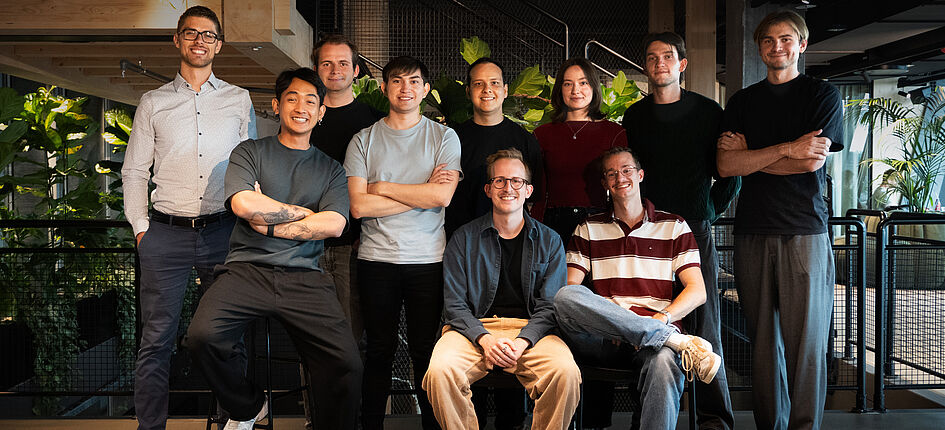
The NextBusiness team has raised $3 million in its first round of funding. Image: Courtesy of NextBusiness AG
News
Zurich/New York – Zurich Soft Robotics has won two prizes at the Architzer A+Product Awards 2026 for its dynamic, intelligent solar façade, Solskin. The solar facade received awards from both the international jury and the audience.
(CONNECT) The dynamic, intelligent solar facade Solskin from Zurich Soft Robotics, a company based in A spin-off of the Swiss Federal Institute of Technology Zurich (ETH), based at Technopark Zurich, has won two awards at this year's Architizer A+Product Awards. According to a press release, the product received both the Jury Winner Award in the Architectural Design category, presented by an international jury, and the Popular Choice Winner Award in the Smart Design & Technology category.
The Solskin solar facade, developed by the startup founded in 2022, consists of numerous small, thin photovoltaic panels mounted on actuators. These, in turn, are mounted on a metal support grid and are moved individually by compressed air. This allows the panels to track the sun and increase solar power output compared to static panels.
The award, presented by the jury, recognises Solskin's contribution to quality and innovation in the built environment. According to the press release, functionality and architectural expression improved the building's performance. The Audience Choice Award highlights the adaptive intelligence of the solar facade. Thanks to its shading capabilities, Solskin can reduce cooling loads in the summer and provide optimal natural light in the winter. ce/ww
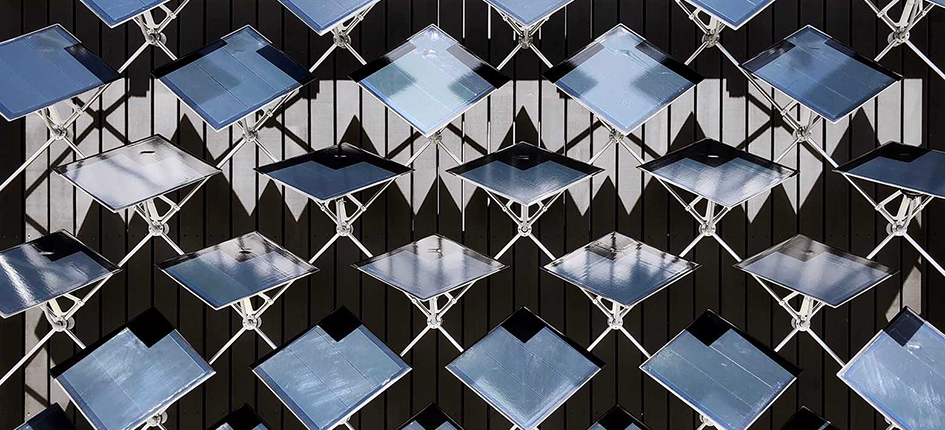
The dynamic, intelligent solar façade ‘Solskin’ by Zürich Soft Robotics has won two awards at this year’s Architizer A+Product Awards. Image: ETH Zurich/Arno Schlüter
News
Zurich – The Zurich AI Festival 2026, which begins on September 28, will feature a broader range of topics this year. Through October 3, the conference will also cover climate, global regulation, robotics, health, and finance. The partnership with Choose Europe is expected to boost the organisation’s international profile.
(CONNECT) According to the organisers, the Zurich AI Festival 2026 is intended to respond to the changing landscape of competition among host cities. According to a press release, the Greater Zurich Area is no longer competing solely with its European neighbours, but rather “with regions that invest more quickly, recruit talent more aggressively, and already view AI as an economic policy tool.”
That is why this festival week aims to bring the topic, in all its facets, to the entire region and to explore it from every angle through dozens of events. In terms of content, it will cover an even broader range of topics than its first edition last year. The discussion will now also cover climate, global regulation, robotics, health, and finance. In addition, interested parties can visit development departments at Google, the Balgrist Campus, or the Swiss Federal Institute of Technology in Zurich (ETH).
The festival is supported by the City and Canton of Zurich, Zurich Tourism, and its two organisers, the ETH AI Center and the economic development agency Greater Zurich Area AG. The organisers are collaborating with the Choose Europe initiative, in which Europe's most competitive economic regions join forces to compete for investment on the global stage.
They are expecting around 7,000 participants this year. The full program will be released in the coming weeks. ce/mm

The Zurich AI Festival 2026 will take place from 29 September to 3 October 2026 in the Zurich economic region. Image: Courtesy of Greater Zurich Area AG
You need to load content from reCAPTCHA to submit the form. Please note that doing so will share data with third-party providers.
More InformationYou are currently viewing a placeholder content from Turnstile. To access the actual content, click the button below. Please note that doing so will share data with third-party providers.
More InformationYou are currently viewing a placeholder content from Vimeo. To access the actual content, click the button below. Please note that doing so will share data with third-party providers.
More InformationYou are currently viewing a placeholder content from YouTube. To access the actual content, click the button below. Please note that doing so will share data with third-party providers.
More InformationYou need to load content from reCAPTCHA to submit the form. Please note that doing so will share data with third-party providers.
More Information