News
Schlieren, Canton of Zurich — On June 24, 2026, Venturelab announced the establishment of the Swiss Champions Fund during the 20th-anniversary celebration of its Venture Leaders programme. As a result, four or five of the most promising deep tech startups in this programme will receive Series A or Series B funding each year going forward.
(CONNECT) At the celebrations marking the 20th anniversary of the Venture Leaders programme held on 24 June at the startup space in Schlieren, Venturelab announced the funding of the Swiss Champions Fund. According to a press release, this fund will become the main sponsor of Venture Leaders and will invest exclusively in companies from this program. He will serve as the lead or co-investor in Series A and Series B funding rounds. The fund's target size is approximately 100 million Swiss francs, and the first investments are scheduled to take place in 2027.
Each year, four to five of the most promising startups are expected to receive an initial investment of 3 to 5 million Swiss francs. The Swiss Champions Fund will be the first Swiss fund to focus specifically on this growth phase and the Venture Leaders pipeline. It is managed by the venture capital firm TIE Advisory Partners, based in St. Gallen.
As Venturelab calculates in its press release, venture capital invested in Swiss startups has more than tripled since 2016, rising from about 940 million to 3 billion Swiss francs. However, access to larger funding rounds and international lead investors remains one of the key challenges facing the Swiss startup ecosystem. This forces many founders to relocate to London, Berlin, or the United States, thereby giving up significant stakes in their companies. The Swiss Champions Fund is intended to fill this gap.
“Switzerland doesn’t have an innovation problem, but rather a problem accessing scaling capital,” Christian Winkler and Michael Wieser, the managing partners of the Swiss Champions Fund, are quoted as saying in the press release. “World-class companies have been emerging here for years. With the Swiss Champions Fund, we aim to become the growth partner for the most successful Venture Leaders companies and support them during their critical growth phases.” ce/mm
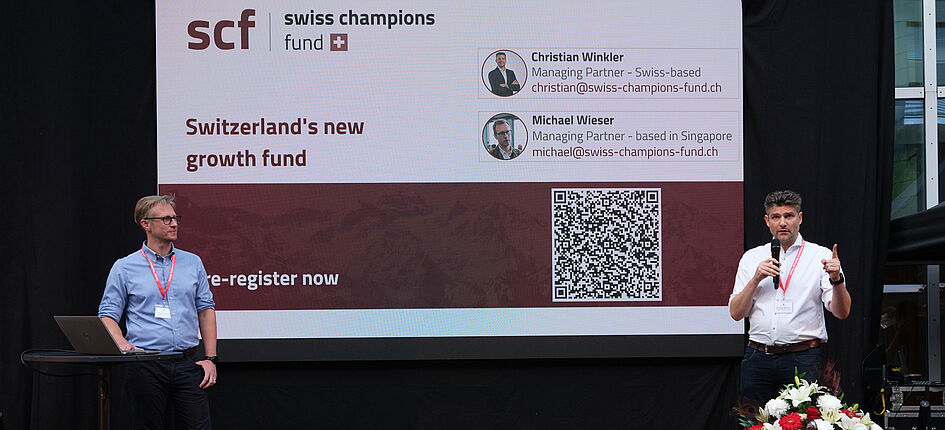
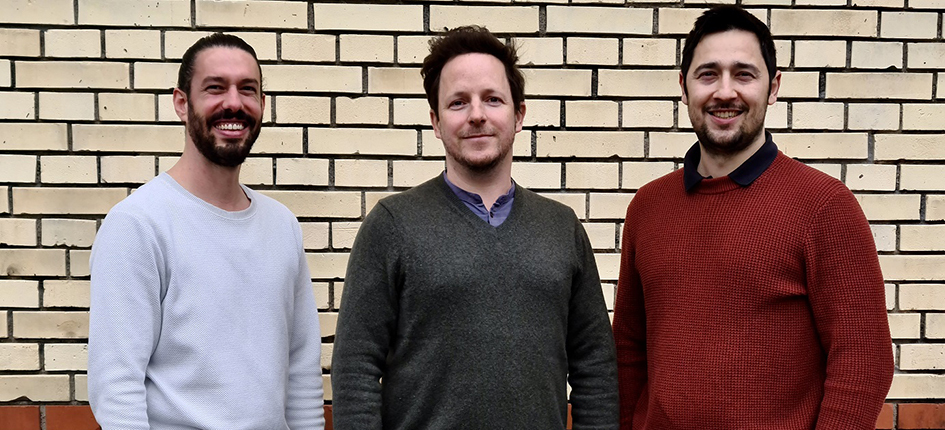
Venturelab announces the Swiss Champions Fund at the celebrations marking the 20th anniversary of the Venture Leaders programme; pictured: Michael Wieser (left) and Christian Winkler. Photo: courtesy of Venturelab AG
News
Schlieren, ZH/Renens, VD/Zurich — Fore ai won this year’s Sword Startup Challenge. The Zurich-based company specialising in automated testing solutions for the financial sector came out on top among the five finalists.
(CONNECT) Fore ai won the Sword Startup Challenge 2026. The Zurich-based company, which provides automated testing solutions for the financial sector, was selected by a jury from Sword Group Switzerland and Venturelab from among five finalists, according to a press release.
Sword Group, a technology company operating globally, is based in Luxembourg and has a presence in Switzerland through Sword Switzerland. Sword Switzerland is represented in Switzerland. Sword, in collaboration with the startup incubator Venturelab AG, based in Schlieren, held its second scheduled The Startup Challenge has been held since January. Following an evaluation phase in March, five startups were selected for the challenge: Aisot Technologies of Zurich, Divizend from Weinfelden, TG, fore ai, Qubera from Zurich and TransferChain, based in Baar, ZG. Over the following weeks, the startups received guidance from Venturelab experts to develop business synergies, explore use cases, and present potential commercial applications.
Fore ai was recognised for its financial software and its ability to improve companies' software quality and reduce the effort required for manual testing. As part of the prize, fore ai will have the opportunity, through Sword, to attract venture clients and reach out to potential customers and partners.
“Being selected by industry experts and a company like Sword confirms that we are meeting a real market need,” Simon Hecker, co-founder of fore ai, is quoted as saying in the press release. “The award also gives us valuable visibility and access to a network that we wouldn’t have been able to reach so quickly otherwise.” ce/ww

Fore ai has won the Sword Startup Challenge 2026. Stock image: Giorgio Trovato/Unsplash
News
Au, ZH/Baar, ZG — Araris Biotech of Au and Taiho Oncology of Baar have treated the first patient with an antibody-drug conjugate developed by Araris as part of their Phase 1 trial. It is indicated for the treatment of B-cell malignancies associated with non-Hodgkin lymphoma, a malignant disease of the lymphatic system.
(CONNECT) The European subsidiary based in Baar Taiho Oncology, a subsidiary of the Tokyo-based pharmaceutical company Taiho and the biotech company it acquired in March 2025 Araris, based in Au, has begun administering a drug to treat non-Hodgkin's lymphoma. According to a press release, the first patient has now received a dose of the antibody-drug conjugate (ADC), known in the study as ARC-02, as part of a recently initiated Phase 1 clinical trial. It targets the CD79b protein. Mutations in this gene play a role in the development of certain lymphomas and are therefore a key target for specific cancer therapies.
ARC-02 selectively binds to CD70b-positive B cells and delivers monomethyl auristatin E, a clinically validated anticancer drug, directly to the tumor cells. This is the first clinical candidate to be conjugated to an active ingredient using Araris's novel AraLinQ ADC platform and its proprietary Arastatin technology. It is designed to be released precisely within the cancer cell while minimizing damage to healthy tissue.
“The administration of ARC-02 to the first patient marks a crucial milestone for Araris, as we are now entering the clinical phase and beginning to translate our innovative ADC platform into potential benefits for patients,” Dr. Philipp Spycher is quoted as saying. He is the CSO and scientific founder of Araris, a spin-off from the Swiss Federal Institute of Technology Zurich and the Paul Scherrer Institute. “Although ARC-02 is initially being developed for hematologic malignancies,” said Dr. Isabella Attinger-Toller, CTO and co-founder of Araris. “However, the differentiated safety profile observed in preclinical studies could also support broader application in other indications, including autoimmune diseases.”
This first application of the innovative Araris platform marks Taiho’s entry into the clinical development of ADCs for oncology, emphasises Harold Keer, Medical Director of Taiho Oncology: “We look forward to the results of this study and to advancing additional Araris compounds into the clinical phase.” ce/mm
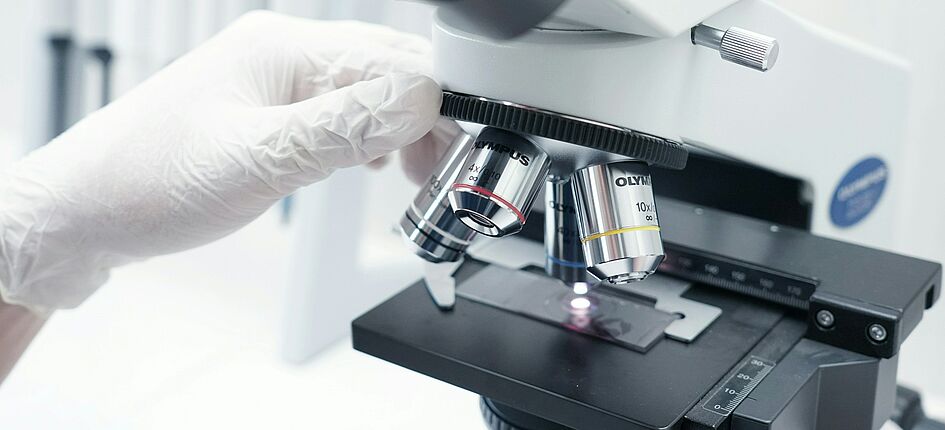
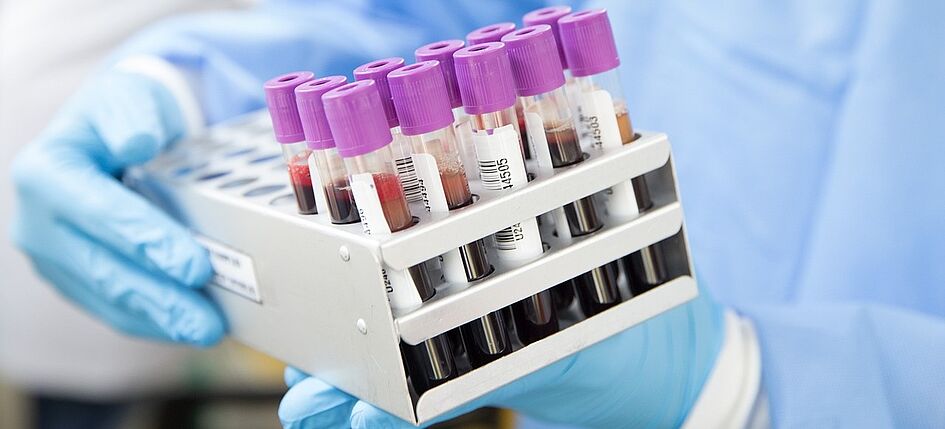
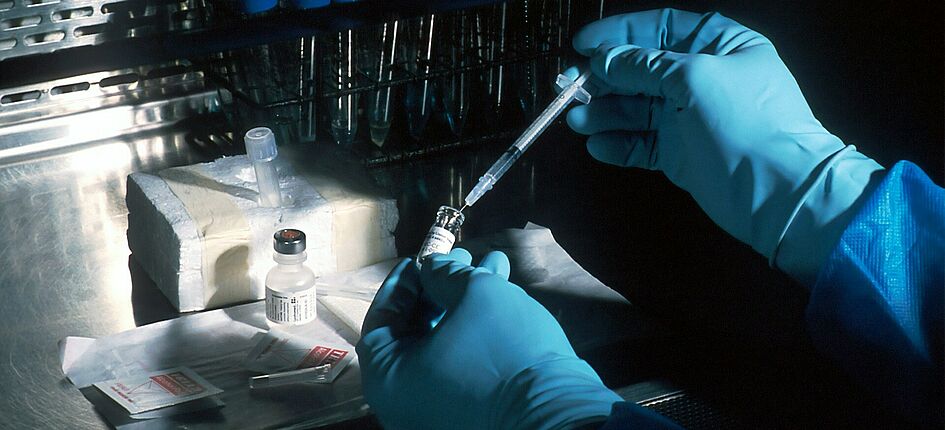
Araris and Taiho have begun administering a drug to treat non-Hodgkin’s lymphoma. Stock image: Indra Projects/Unsplash
News
Schlieren, ZH/Murrells Inlet/Utrecht — The marketing team at Kuros Biosciences and its advertising agency, Mark Partners, have won two awards at the Aster Awards in the United States. The campaign and storytelling for MagnetOs, a synthetic bone substitute, received an award.
(CONNECT) The marketing team at Kuros Biosciences has been honoured with two Aster Awards. The communications professionals working for the medtech company were awarded gold certificates. Gold awards are presented to projects and campaigns that receive the highest scores from a panel of experts for outstanding creativity and excellence in healthcare communication. According to a press release from Kuros, the Aster Awards, organized by Creative Images of Murrells Inlet, South Carolina, are “the most prestigious competition for advertising, marketing, and communication” in the U.S. healthcare marketing industry.
The award recognised the campaign surrounding the Phase 1 study published in the journal *Spine* for Kuros’ flagship product, the synthetic bone substitute MagnetOs, which stimulates bone growth at the cellular level. "Behind this is 'a team committed to telling the MagnetOS story in a simple, memorable, and evidence-based way—and, above all, to forging emotional connections with our customers,'" said Kuros.
According to Kuros, the company's advertising agency, Mark Partners, based in the Dutch city of Utrecht, also played a major role in this honour. As she explains, she was brought on board during the company's founding phase and developed a striking, memorable, and distinctive brand identity for Kuros. In particular, the frequent use of illustrations instead of photos is intended to give the brand a unique and impactful look while also allowing for flexibility across all forms of communication.
Kuros Biosciences AG was founded in 1985 as a spin-off of the University of Zurich and the Swiss Federal Institute of Technology Zurich and is based in the Bio-Technopark Schlieren-Zurich. ce/mm

The marketing team at Kuros Biosciences has been honoured with two Aster Awards. Stock image: fauxels/Pexels
News
Winterthur – Burckhardt Compression is supplying compressors for the first industrial liquid CO2 specialty vessel. It will transport liquefied gas from across Europe to the Northern Lights terminal—the first cross-border infrastructure for LCO2—in Øygarden, western Norway.
According to its notice has received a major contract for Northern Lights. The global supplier of reciprocating compressors, headquartered in Winterthur, will provide compression solutions for this project. It provides the world's first cross-border infrastructure for the capture, transport, and permanent storage of CO2 on an industrial scale. The consortium is backed by the energy companies Equinor, Shell, and TotalEnergies. The CO2 is captured at industrial facilities throughout Europe, liquefied, and transported by special ship to the terminal in Øygarden, western Norway. From the terminal, the liquefied natural gas is pumped through an approximately 100-kilometer-long undersea pipeline into a reservoir and permanently stored in saline cavities at a depth of about 2,600 meters below the seafloor (Carbon Capture and Storage/CCS). After it began operations in 2025, the storage capacity of the first phase was 1.5 million metric tons of CO2 per year. Due to high demand, the second phase has been launched, which is intended to expand capacity to 5 million metric tons per year.
Specially developed liquid CO2 (LCO2) transporters play a crucial role in this process: where a fixed pipeline infrastructure is not feasible, they enable the transport of large quantities of captured emissions. “The transport of CO2 on an industrial scale is becoming a cornerstone of economically viable carbon capture and storage,” said Andreas Brautsch, president of the Systems Division at Burckhardt Compression. "This project demonstrates how proven compressor solutions can help translate climate goals into a reliable operational infrastructure."
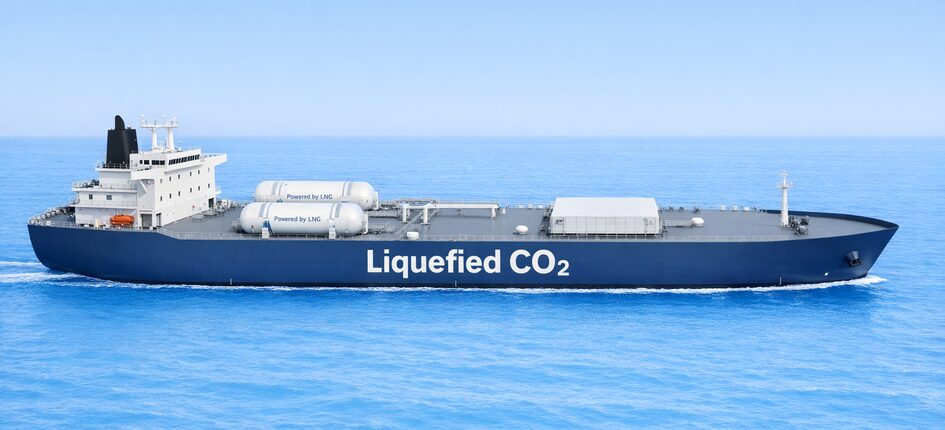
Burckhardt Compression has secured a major contract for the first industrial CO₂ tanker for the Northern Lights CCS project. Image: AI-generated/Burckhardt Compression AG
News
Zurich — The Swiss Federal Institute of Technology Zurich (ETH) has shown that the cultivation of coconuts, oil palms, and soybeans contributes significantly more to the loss of animal and plant species than previously thought. However, the steadily rising consumption does not cause species extinction in the places where these oils are consumed.
(CONNECT) In a new study, ETH estimates that oil crops account for the loss of about 1.5 percent of global biodiversity. According to a statement from the university, this means that, among these crops, oil palm, soy, and coconut are primarily responsible for more species extinction than previously thought. Together, they account for about 75 percent of the loss of biodiversity caused by oil crops.
These are the findings of the research team led by Stephan Pfister, who is a professor of quantitative sustainability assessment at ETH. In this world-first study, the group investigated the extent to which the increasing cultivation and consumption of oil crops threaten animal and plant species.
To this end, the team analyzed global data on production, trade, and land use that had been collected over several decades. It also created maps of global oilseed cultivation based on satellite data, agricultural statistics, and global datasets. In addition, the researchers calculated the extent to which various forms of land use threaten animal and plant species.
In addition, the study highlights the impacts of oilseed cultivation along global supply chains. This makes it possible to understand, for example, how soy from Brazil is used as animal feed in China or Europe “and thus ultimately enables high meat consumption.”
Between 1995 and 2020, biodiversity loss increased by 80 percent—but not primarily due to global population growth, explains doctoral candidate and co-author Shuntian Wang: “Per-capita consumption is the most significant driver of biodiversity loss. Yet a large portion of this loss does not occur in the place where consumption takes place.”
Tropical regions are particularly affected. However, 80 percent of these effects are caused by the EU, China, and the U.S. “One key strategy is to invest in improved production methods and the protection of ecosystems in producing countries,” said Pfister. Above all, however, our consumption habits must change. ce/mm
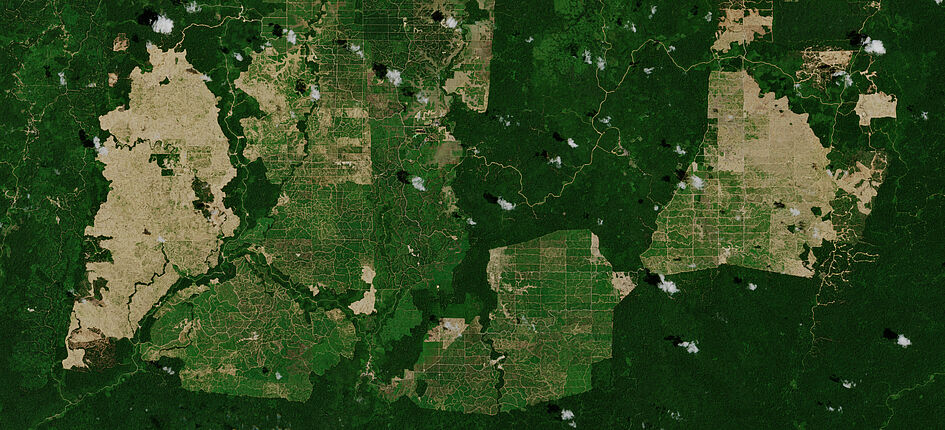
In a new study, ETH estimates that the loss of biodiversity caused by oil crops amounts to around 1.5 per cent of global biodiversity. Image: ESA
News
Wallisellen, ZH — Computer Vision AG has raised 700,000 Swiss francs in a first round of funding to finance its growth. The health tech company has developed software for interpreting tomographic scans. The new capital is intended to support the launch of Emeralgo in Europe and the United States.
(CONNECT) Computer Vision AG is moving forward with the international launch of its software for interpreting tomographic scans. The health tech company from Wallisellen has raised approximately 700,000 Swiss francs in the first round of growth financing, according to a report on startupticker.ch. Computer Vision plans to use the funds to roll out the Emeralgo software in Europe and the United States. The second phase of growth financing will continue through the end of June.
Emeralgo is designed for use in radiology. The software assists local specialists in interpreting CT scans by highlighting and organizing image information. According to the report, this can shorten an examination by up to 30 minutes. According to the company, Emeralgo is already in use in Switzerland at the Baden Cantonal Hospital and the Medical Radiological Institute (MRI) in Zurich.
In the United States, computer vision received approval from the Food and Drug Administration (FDA) last year for automated MRI analysis of the lumbar spine. “With FDA approval, we have laid the groundwork for scaling Emeralgo internationally,” René Balzano, founder and CEO of Computer Vision, is quoted as saying in the report on startupticker.ch. "Our focus is now on systematically expanding into new markets and building sustainable revenue in the key healthcare markets." ce/hs

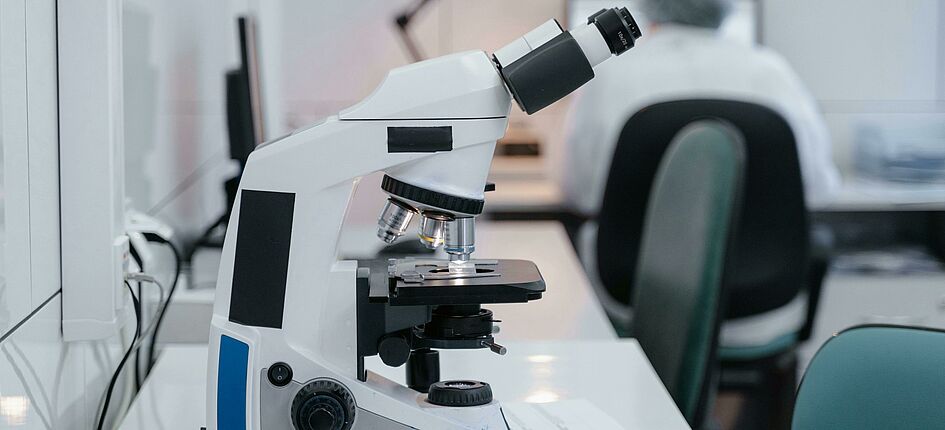
Computer Vision has developed software for interpreting tomographic scans and raised 700,000 Swiss francs in an initial funding round to finance its growth. Stock image: Anna Shvets/Pexels
News
Opfikon, ZH — Nanoflex Robotics has been selected by the European Innovation Council to receive funding from its fund. The spin-off from the Swiss Federal Institute of Technology in Zurich is receiving 12.5 million euros for its electromagnetically remote-controlled instruments for endovascular procedures.
(CONNECT) Nanoflex Robotics is one of 1,000 companies from across Europe that applied and will receive funding from the European Innovation Council (EIC). As the Opfikon-based company has now announced, it has been awarded 12.5 million euros through its funding program, the EIC Accelerator. Of that amount, 10 million euros is venture capital, and Nanoflex will receive an additional 2.5 million euros as a grant.
The EIC has announced that a total of 38 startups and SMEs from 16 EU and associated countries have been selected to receive funding from its fund. It is part of the EU's Horizon Europe research and innovation funding program.
Nanoflex Robotics is developing a robotic platform for endovascular surgery. Using magnetic navigation, his platform guides highly flexible guidewires through the blood vessels. At the same time, it lays the foundation for specialised patient care. According to the company, this funding will enable Nanoflex Robotics to complete the clinical validation required for CE marking in Europe and bring the first commercial version of its platform to market.
"Our unique, electromagnetically controlled robotic platform navigates blood vessels faster and more precisely than previous devices," CEO Matt Curran is quoted as saying in the article. “We are honoured to receive the EIC’s support, which is a strong endorsement of our mission to bridge the care gap between rural and urban areas.”
In addition to Nanoflex Robotics, three other Swiss startups made it onto the list of 38 selected companies: BTRY from Dübendorf, Canton of Zurich—a spin-off founded in 2023 by the Swiss Federal Laboratories for Materials Science and Technology (Empa) and the Swiss Federal Institute of Technology Zurich (ETH)— is driving the industrial production of ultra-thin thin-film solid-state batteries in Europe.
Founded in 2022, the ETH spin-off 8inks, based in Winterthur, is developing a new production method for lithium-ion batteries using high-precision, multi-layer curtain coating, which enables electrode production that is ten times faster. And Perovskia Solar, based in Aubonne, VD —spun off from Empa in 2020—specialises in ultra-thin, digitally printed, and custom-made perovskite solar cells that efficiently harness ambient light to power devices in the Internet of Things (IoT). ce/mm
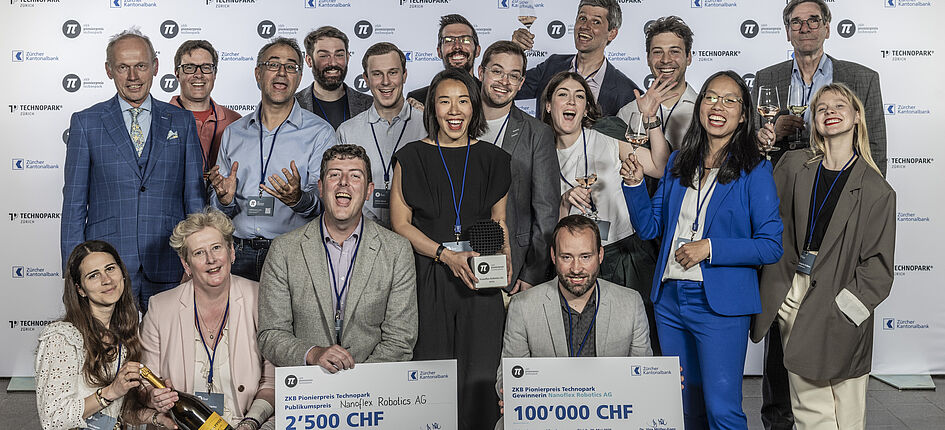
Nanoflex Robotics has been selected by the European Innovation Council to receive funding from its fund; pictured: the Nanoflex Robotics team at the ZKB Pioneer Award Technopark 2025. Photo: courtesy of the Technopark Zurich Foundation
News
Zurich/Guangzhou — Chinese technology provider WeRide and Uber plan to launch a robotaxi service in the greater Zurich area. The service is set to launch as early as this year, provided the Federal Office of Transportation gives the green light. WeRide also provided the technology for the iamo pilot project in Furttal.
(CONNECT) According to a press release, Chinese technology provider WeRide and U.S. ride-hailing service Uber plan to launch a robotaxi service in the greater Zurich area. The two companies plan to launch the service later this year.
During the initial phase, the autonomous taxis will be available for booking through the Uber app. Rydera AG, which was founded in May, is responsible for operating the vehicles.
Approval from the Federal Roads Office (FEDRO) is required before the service can be launched. ASTRA had already given the green light in November 2025 for the use of WeRide autonomous vehicles, which are operating in the Furttal as part of the cantonal iamo pilot project.
WeRide has already put autonomous vehicles on the roads in 40 cities across twelve countries worldwide. In partnership with Uber, the Guangzhou-based company launched robotaxis in Abu Dhabi and Dubai in the United Arab Emirates in December 2024, followed by robotaxis in the Saudi capital, Riyadh. Zurich is the second city in Europe, after Madrid, where the two companies plan to offer their autonomous taxi service.
As part of their current partnership, both companies plan to launch robotaxis in a total of 15 cities worldwide.
Europe is a priority for WeRide, according to Jennifer Li, CFO and Head of International at WeRide, as quoted in the press release. "Zurich's status as a global economic hub and premium market makes the city an attractive location for commercialisation as we scale up autonomous mobility in partnership with Uber."
Sarfaz Maredia, Global Head of Autonomous Mobility & Delivery, shares this view. "Switzerland is a key market for autonomous mobility. It combines forward-looking regulation with a demand for high-quality taxi services." ce/ug
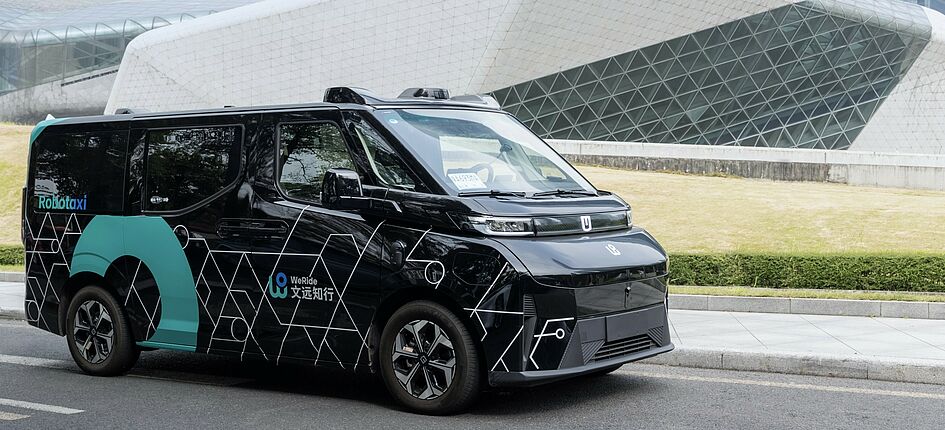
A WeRide robotaxi in action. Image: Courtesy of WeRide
News
Rapperswil-Jona, SG/Embrach, ZH — SIC Group AG has acquired Kyburz. Through this change in ownership, the companies aim to expand internationally in the commercial vehicle mobility sector. The location, brand name, and management will remain the same. Company founder Martin Kyburz is retiring.
(CONNECT) The Kyburz Switzerland AG has been acquired by the investment firm SIC Group AG of Rapperswil-Jona as part of a succession plan that has been in the works for some time, the provider of sustainable mobility solutions announced in a press release. The company’s values, strategic direction, Embrach location, brand, and customer and supplier relationships will remain unchanged. The company will continue to be led by CEO Dr. Stefan Breu, COO Flurin Vicentini, and CSO Michael Heegewald.
To take the next step in its growth toward sustainable mobility and the circular economy, Kyburz has joined forces with a strong owner “that upholds the company’s values and ensures its long-term success,” according to company founder Martin Kyburz, who is stepping down due to retirement. CEO Dr. Stefan Breu states that the acquisition has created “new opportunities for international expansion.”
Kyburz specialises in the development, production, sales, and service of electric commercial vehicles. According to the report, these small electric vehicles are in use in numerous electric delivery fleets across many European countries and Australia. Over the past 20 years, the DXP, DXC, DX2, and PLU vehicle platforms have achieved international success. As a result, the areas of fleet management, digitalisation, and battery technology were expanded.
The independent company Traconiq, based in Dällikon, Canton of Zurich, emerged from the fleet management division; it develops and markets telematics and fleet management solutions for commercial vehicle fleets. Through its research and development of a process for the direct recycling of lithium-ion batteries, Kyburz has solidified its position in the market for sustainable mobility solutions. ce/heg
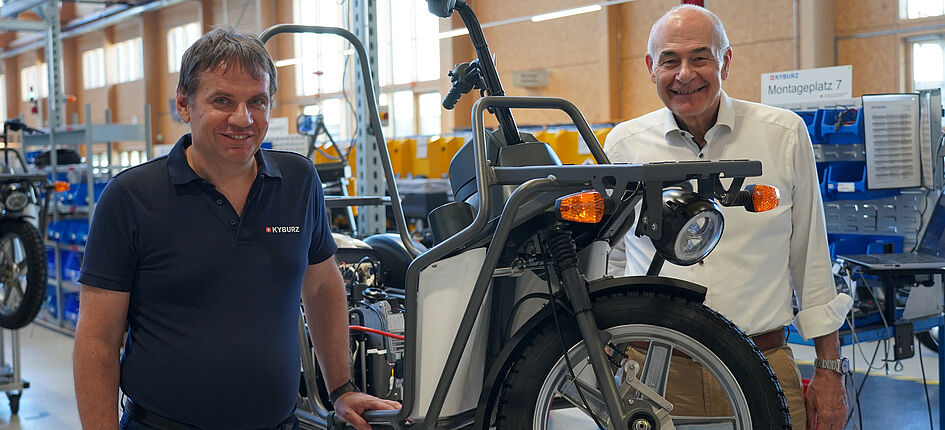
Die SIC Group AG hat Kyburz übernommen; im Bild (v.l.n.r) Martin Kyburz (Gründer der KYBURZ Switzerland AG) und Stefano Zatti (Verwaltungsrat der SIC Group AG). Bild: KYBURZ Switzerland AG
News
Zurich – Companies with more than 250 employees account for less than 1 percent of all companies in the canton of Zurich. However, they account for 39 percent of all jobs and 42 percent of value added. This is according to a study conducted as part of the Zurich Economic Monitoring Program.
(CONNECT) The canton of Zurich is home to approximately 112,500 companies. Of these, large companies with more than 250 employees account for less than 1 percent. This is shown in the study “Strong Together: SMEs and Large Companies in the Canton of Zurich,” which was published as part of the latest Zurich Economic Monitoring report.
The roughly 600 large companies account for 39 percent of the 738,000 jobs, measured in full-time equivalents. They also account for 42 percent of the canton's economic output and 51 percent of its corporate income tax revenue. With value added of 205,000 francs per full-time position, they also have the highest labor productivity.
Microenterprises with up to nine employees account for 88 percent of all businesses, but provide only 19 percent of all jobs and 14 percent of value added. Their productivity is 139,000 francs per full-time equivalent.
Small businesses with between 10 and 49 employees account for 21 percent of both jobs and value added. They generate 189,000 francs per full-time position. Medium-sized companies with between 50 and 249 employees account for 2 percent of all companies and represent 22 percent of both jobs and value added. They generate 195,000 francs per position.
Large companies and SMEs are closely intertwined. Large companies source more than 50 percent of their intermediate inputs from SMEs. Conversely, more than 40 percent of all intermediate inputs they produce themselves are destined for SMEs. In general, nearly two-thirds of total revenue comes from business with other companies. Between 70 and 80 percent of all intermediate inputs are sourced from Switzerland.
Carmen Walker Späh emphasizes the importance of small and medium-sized enterprises. “SMEs are indispensable to our region,” the district president and director of economic affairs is quoted as saying in a press release about the study. However, she also points out the enormous contribution made by large companies. “They create numerous jobs, strengthen local value chains and supply chains, and thus make a decisive contribution to the international competitiveness of our business location.” ce/ug
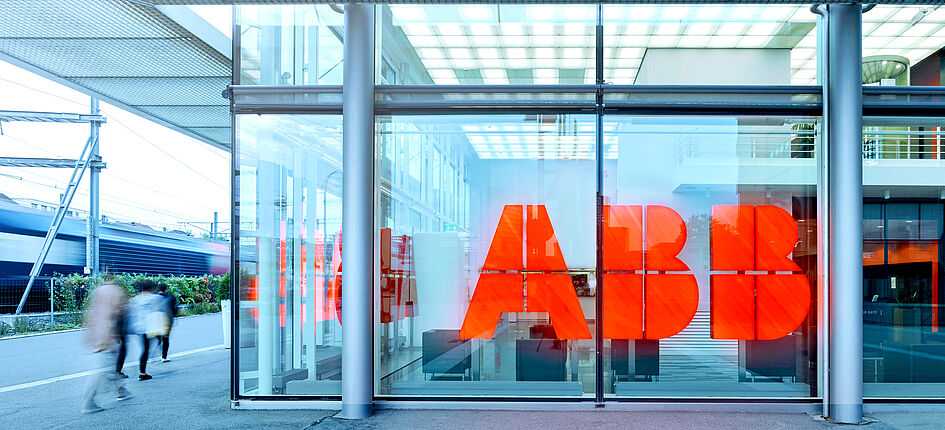
Large companies such as ABB account for 42% of economic output and 51% of corporation tax revenue in the canton of Zurich. Image: ABB
News
Dübendorf, ZH/Lausanne — Two Swiss teams are participating in the seventh edition of the European Rocketry Challenge for student rocket projects in Portugal: ARIS from Dübendorf and the EPFL Rocket Team from Lausanne. The rockets from the 25 teams from all over Europe will be launched from October 15 to 21.
(CONNECT) The Swiss Academic Space Initiative (ARIS) at the Swiss Federal Institute of Technology Zurich and the EPFL Rocket Team at the Swiss Federal Institute of Technology Lausanne are competing in the seventh edition of the rocket competition for European university teams. The European Rocketry Challenge (EuRoC) will take place from October 15 to 21 at two locations in the Lentejo region of Portugal: in Constância at a rocket-building site, where the teams will exchange ideas and refine their projects, and at the Santa Margarida military camp, 9 kilometers away, which features a rocket launch facility.
The evaluation criteria include, among other things, the best technical performance, the best spectral signature, and performance in the two categories for the target flight altitude—three and nine kilometers—as well as in various engine categories. In addition, special prizes are awarded, such as last year's Payload Award from the European Space Agency (ESA).
According to a press release from the Portuguese Space Agency, the event organizer, a total of 61 student teams applied to participate in EuRoC 2026. The jury selected 25 of them based on their technical maturity. Three of the Portuguese entries made it into the competition: RED from Lisbon, North Space from Porto—comprising students from several Portuguese universities—and the MAST project group from the University of Minho in northern Portugal. MAST is one of five junior teams in the field.
ARIS is launching its ASTERIA rocket project. Using its two-component liquid-fuel propulsion system, ARIS aims to become the first Swiss student team to launch a two-component rocket to an altitude of 9 kilometers at EuRoC 2026. According to a project report by the team, ASTERIA embodies “a vision for the future of student aerospace engineering in Switzerland.” Students from the University of Zurich (UZH), the Zurich University of Applied Sciences (ZHAW), the Lucerne University of Applied Sciences and Arts (HSLU), and the Zurich University of the Arts (ZHdK) are also involved with ARIS.
The EPFL Rocket Team also flies a cryogenic two-component liquid-fuel rocket, the Firehorn 2. The project aims to compete in the 3-km liquid-fuel category. A flight at an altitude of 9 kilometers is scheduled to take place next year. According to the specifications, the structure is designed to span 30 kilometers. The team had won the second edition of EuRoC in 2021, in part due to its successful landing maneuver, and last year it won the 9-km solid-fuel rocket category.
“This year’s entries were all technically impressive,” said Marta Gonçalves, director of education and science programs at the Portuguese Space Agency. “More and more teams are developing their own liquid and hybrid propulsion systems instead of relying on commercial solid-fuel propulsion systems. This trend shows just how far this ecosystem has come—and it made the selection process really difficult.”
Germany has the most participants, with four teams from Stuttgart, Munich, Aachen, and Darmstadt. Like Portugal, Spain is also represented by three projects, which are based in Seville, Madrid, and Terrassa. Greece is represented by two student groups from Thessaloniki and Athens. Two teams each will also be traveling from Poland (Wrocław, Warsaw) and Italy (Milan, Pisa). Teams from Austria (Graz), Belgium (Ghent), Hungary (Budapest), Ireland (Cork), the United Kingdom (London), and Malta are also competing. ce/mm

ARIS and the EPFL Rocket Team are taking part in the European Rocketry Challenge. File photo: ESA
You need to load content from reCAPTCHA to submit the form. Please note that doing so will share data with third-party providers.
More InformationYou are currently viewing a placeholder content from Turnstile. To access the actual content, click the button below. Please note that doing so will share data with third-party providers.
More InformationYou are currently viewing a placeholder content from Vimeo. To access the actual content, click the button below. Please note that doing so will share data with third-party providers.
More InformationYou are currently viewing a placeholder content from YouTube. To access the actual content, click the button below. Please note that doing so will share data with third-party providers.
More InformationYou need to load content from reCAPTCHA to submit the form. Please note that doing so will share data with third-party providers.
More Information