News
Zurich – Rivia has received 13 million euros in venture capital in an oversubscribed Series A financing round. The 13-person team from Zurich intends to further scale its agentic system for data integration in clinical trials and expand its international presence, particularly in the USA.
(CONNECT) Rivia has secured Series A financing in the amount of 13 million euros. The round was led by the Berlin-based venture capital firm Earlybird. Existing investors Speedinvest from Vienna, Amino Collective from Berlin and Nina Capital from Barcelona also participated.
As the IT company Rivia, which was founded in Zurich in 2022 and is based in Technopark Zurich, further announces via the EU Startups platform, it intends to use the fresh capital to accelerate its team growth, drive forward the scaling of its agentic data engine for clinical trials and expand its international presence, particularly in the US. Rivia was founded on the conviction that new drugs can be brought to market with a fraction of today's capital.
Recent advances in artificial intelligence enable large language models to support workflows and decisions - but only if data is standardized, structured and correctly coded. This is where Rivia comes in with its data engine of the same name.
"Clinical trials are among the most complex and costly workflows in healthcare, yet the infrastructure is still fragmented and manual," Christian Nagel from investor Earlybird is quoted as saying. "Rivia has developed an intelligent clinical trial platform that standardizes data and integrates compounds directly into key workflows. We are convinced that this approach has the potential to fundamentally improve the conduct of trials, reducing costs while increasing speed and data integrity."
Rivia speaks of possible cost savings of up to 50 percent. "This is our own problem that we are solving here," says Rivia CEO and co-founder Erik Scalfaro in a podcast. "We in the founding team are drug developers ourselves. This was therefore an urgent need and a great opportunity for us when we founded the company four years ago." ce/mm

Rivia has secured €13 million in Series A funding. Stock image: Ketut Subiyanto/Pexels
News
Schlieren ZH/Copenhagen – Dr. Angela Genge, Medical Director of AL-S-Pharma, presented the encouraging results of the Phase 2 clinical trial for an antibody against ALS at the Alzheimer’s and Parkinson’s Conference in Copenhagen on March 19, 2026. The Phase 3 trial is scheduled to start at the end of 2026.
(CONNECT) AL-S Pharma presented additional Phase 2 data for its antibody AP-101 at the Alzheimer's & Parkinson's Conference in the Danish capital Copenhagen. On the morning of March 19, 2026, Dr. Angela Genge, Medical Director of the Schlieren-based biotech company AL-S Pharma, informed the participants about the encouraging results of this randomized, double-blind and placebo-controlled study in her presentation, according to a press release. It was conducted in the USA, Canada, the UK, South Korea and the European Union.
AP-101 is directed against the progression of amyotrophic lateral sclerosis (ALS), an incurable degenerative disease of the motor nervous system that is associated with increasing muscle weakness and muscle atrophy. The average survival time is around three to five years.
Specifically, the antibody targets a specific genetic cause of ALS, namely a misfolding in the superoxide dismutase 1 (SOD1) gene. The global Phase 2 study reportedly confirmed the safety and tolerability of AP-101. According to the study, early treatment with the antibody extended the survival time and delayed the need for ventilation. This was accompanied by a stabilization of the disease.
"These data show something we rarely see in ALS - objective evidence of clinically meaningful disease modification that directly correlates with prolonged survival," Dr. Genge said at the conference. "The results of the Phase 2 study with AP-101 confirm the hypothesis that targeted inhibition of misfolded SOD1 is a disease-modifying approach in ALS."
The Phase 3 clinical trial is in preparation and is scheduled to begin at the end of 2026. AP-101 has already been granted orphan drug status for an accelerated approval process by the US Food and Drug Administration (FDA), the European Medicines Agency and Swissmedic.
AL-S Pharma was founded in 2016 by the biotech company Neurimmune and the Canadian venture capital fund TVM Capital Life Science from Montreal and has since been financed by both to bring AP-101 to market maturity. AL-S Pharma is based at its parent company Neurimmune. The company, which was spun off from the University of Zurich in 2006, is based in the Bio-Technopark Schlieren-Zurich. ce/mm
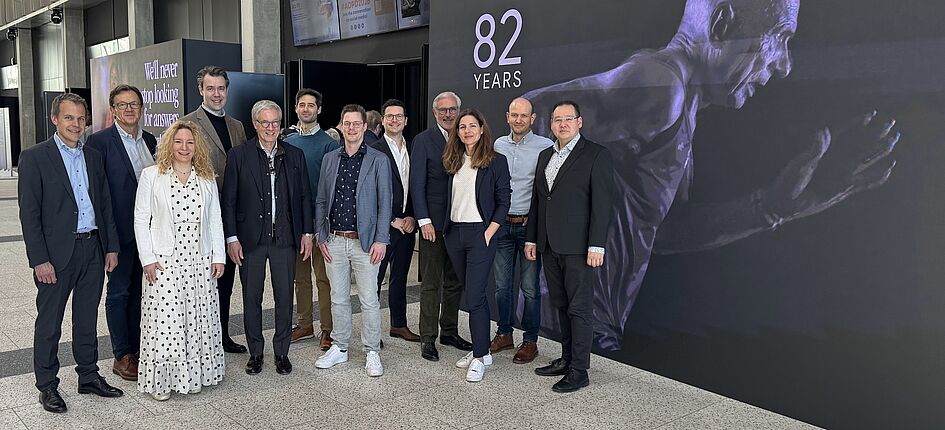
AL-S Pharma, founded by Neurimmune, presented additional Phase 2 data on its antibody AP-101 at the Alzheimer’s & Parkinson’s Conference in Copenhagen. Image: courtesy of Neurimmune AG
News
Schlieren ZH – Venturelab AG has selected ten biotech start-ups for the Venture Leaders Biotech 2026 funding program. The members of the Swiss national start-up team are traveling to Boston to present themselves to investors and industry partners in the USA.
(CONNECT) Venturelab AG, based in Schlieren, has selected ten start-ups to take part in a roadshow in Boston from May 31st to June 5th as part of the Venture Leaders Biotech 2026 program, as detailed in a press release. The aim is to network the start-ups internationally and facilitate their access to capital, partnerships and the American market.
A jury of investors and experts selected the so-called Swiss national start-up team from over 70 applications. "I am delighted to be part of this new edition and to support the team in raising capital and expanding internationally," says Jordi Montserrat, Managing Partner at Venturelab.
Several of the Venture Leaders Biotech 2026 are developing new therapeutic approaches: Baxiva (Schlieren) is working on vaccines against bacterial infections, Biodelphis Therapeutics (Lausanne) on peptide-based agents against disease-relevant enzymes and GlioCART GmbH (Allschwil BL) on CAR-T therapies against brain tumors. Translation-X GmbH (Basel) develops active substances that are intended to correct misregulations in protein production.
Immitra Bio GmbH (Plan-les-Ouates GE) is developing a platform for gene editing directly in the body. Baio Labs (Ecublens VD) is using generative artificial intelligence (AI) to develop new active ingredients, NanoZymeX (Basel) is working on lipid nanoparticles for the targeted transport of therapeutic enzymes and UNOMR (Zurich) is analyzing proteins using nanoprene technology at the single-molecule level. Bioscibex (Monthey VS) develops disposable bioreactors to simplify antibody production and Visienco (Root LU) AI-supported systems for the automated analysis of organoids.
On May 4th, the team will hold its first pitches at the Swiss Biotech Days in Basel. The program is organized by Venturelab and supported by partners from research and industry. ce/as
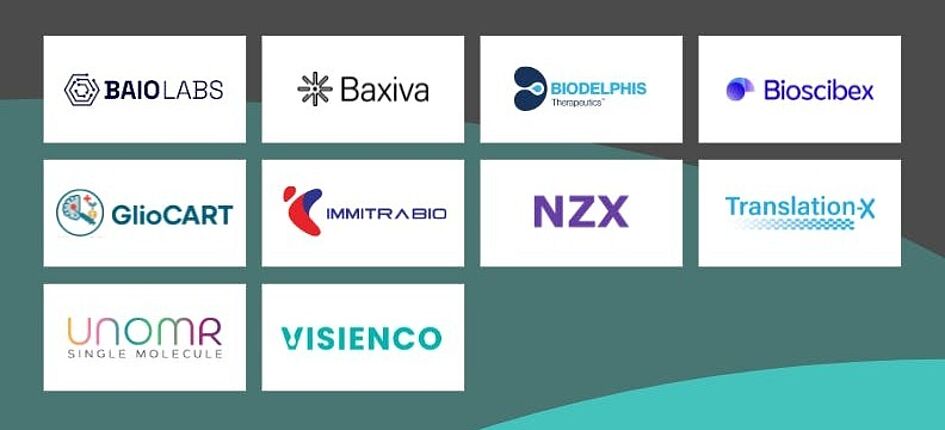
Venturelab has selected Baxiva, Biodelphis Therapeutics, GlioCART GmbH, Translation-X GmbH, Immitra Bio GmbH, Baio Labs, NanoZymeX, UNOMR, Bioscibex and Visienco for the Venture Leaders Biotech 2026 programme in Boston. Image: courtesy of Venturelab AG
News
Dübendorf ZH/Zurich/Seewen SZ – Researchers from Switzerland are working with European partners on the development of concrete elements that can be produced using 3D printers. The material used is virtually cement-free and can store carbon dioxide as it hardens.
(CONNECT) Researchers from the Structural Engineering Laboratory at the Swiss Federal Laboratories for Materials Science and Technology (Empa) are working on the development of concrete elements that are produced using a 3D printer. The construction elements are stable and virtually cement-free without traditional steel reinforcement, according to a press release. The material is designed to store carbon dioxide as it hardens.
The research work is part of the European CARBCOMN project (Carbon-negative compression dominant structures for decarbonized and de-constructable concrete buildings). In addition to Empa, researchers from the Swiss Federal Institute of Technology in Zurich (ETH) and the Empa spin-off re-fer from Seewen and other European partners are involved in the development.
The material for 3D printing comes from recycled industrial waste, such as steel slag. A special process is used to produce geometrically optimized moulds. Iron-based shape memory alloys (Fe-SMA) from re-fer are used as reinforcements. To harden this concrete, carbon dioxide is injected into a combustion chamber, which combines chemically with the concrete mix. "We combine unique expertise here - 3D printing, structural performance and our specialty: iron-based shape memory alloys," Empa researcher Moslem Shahverdi is quoted as saying in the press release. "On the one hand, we use digital production methods to build in a resource-saving way. Secondly, we are replacing conventional cement with binders with a lower CO2 footprint." The concrete parts are also designed in such a way that they can be dismantled after use and reused elsewhere.
Launched in 2024, the four-year project is funded by Horizon Europe and brings together eleven leading research institutions and architecture firms from across Europe. According to the press release, this also includes the University of Ghent, the Technical University of Darmstadt, the Greek University of Patras as well as Zaha Hadid Architects from London, Mario Cucinella Architects from Bologna and the companies Tesis from Penta di Fisciano in Italy, orbix from Genk and incremental 3D from Innsbruck. ce/ww

Empa is working on the development of concrete elements produced using a 3D printer. Image: Empa
News
Baar ZG/Zurich – Sika is supporting the Living Lab HIL of the Swiss Federal Institute of Technology in Zurich (ETH) during the first three project phases. The teaching and research building for architecture and building sciences (HIL) is being renovated and extended as a real-life case study for circular and digital construction.
(CONNECT) Sika is participating in the ETH Living Lab HIL as a funding partner in the three project phases Exploration (2026), Synthesis (2027) and Transfer (2028), according to its press release. The renovation, energy upgrade and extension of the teaching and research building for architecture and civil engineering (HIL) on the Hönggerberg campus is being prepared in these stages. The major project should be completed by 2035.
According to the ETH, the need for renovation and the changed space requirements clearly argued in favor of a core renovation with dismantling down to the supporting structure. Instead, the university wants to be more careful with its inventory and focus on CO2 reduction, digitalization and the circular economy. It is developing the construction project internally, with knowledge and findings from its own teaching and research and with industry partners.
In this "globally unique lighthouse project", according to Sika, the Baar-based specialty chemicals company for construction and industry is not only providing financial support. The promotion of the project also includes an active and close technical exchange between Sika and the ETH project teams. It is carried out via the ETH Foundation.
Sika wants to contribute to "driving the transformation towards sustainable construction methods", according to its Head of Innovation and Sustainability Patricia Heidtman. "The Living Lab HIL offers a unique platform that actively combines research and practice and noticeably accelerates innovation."
Industry and science must work together to achieve the climate targets, says Mathias Kohler, ETH Professor of Architecture and Digital Fabrication. "In cooperation with Sika, we are testing new solutions in the Living Lab HIL, which will be implemented in the renovation phase of the ETH building from 2030." ce/mm

Annette Oxenius (left), Vice-President for Research at ETH, and Patricia Heidtman, Chief Innovation & Sustainability Officer at Sika, reaffirm their collaboration at the Living Lab HIL. Photo: courtesy of ETH Foundation/Valeriano Di Domenico
News
Zurich/Bern – Natalie Spross from the Zurich-based Spross Group has been named CEO of the Year at the Swiss Economic Forum’s SEF.WomenAward. Young Entrepreneur of the Year is Deana Mohr from MUVON Therapeutics in Zurich. The honorary prize was awarded to Karin Lenzlinger, President of the Zurich Chamber of Commerce.
(CONNECT) Three Swiss female entrepreneurs have been recognized for their exceptional entrepreneurial achievements at this year's sixth edition of the SEF.WomenAward. The prize is awarded in the categories Entrepreneur/CEO of the Year and Young Entrepreneur of the Year. In addition, the Swiss Economic Forum (SEF), a platform of NZZ Connect, recognizes a personality with many years of entrepreneurial experience and special commitment to women in business with an honorary award.
During the gala evening at The Circle in Zurich, the award for Entrepreneur/CEO of the Year went to Natalie Spross. She has been CEO of Spross Holding AG since 2013. In the opinion of the WEF, it shapes a modern corporate culture with foresight and responsibility and at the same time strengthens social responsibility towards employees. In doing so, it is providing important impetus for the future-oriented development of the construction industry. "You are not only the first woman to head the Spross Group, but also the creator of an impressive change," laudator Sabine Magri is quoted as saying in a statement from the SEF. "As the successor to your grandfather and father, you have successfully led the traditional family business, which began 125 years ago as a commercial nursery, into the present day with skill, determination and a good feel for the needs of the market."
Young Entrepreneur of the Year was Deana Mohr-Haralampieva. The co-founder and CEO of the biotech company MUVON Therapeutics, a spin-off of the University of Zurich, convinced the jury "with her vision and drive". According to the Swiss Economic Forum (SEF), it is thus driving forward innovative approaches to the regeneration of muscle tissue. In addition to the company's scientific excellence, laudator Angela Bucher praised Mohr's "courage to question funding logic, to convince investors of a long underestimated billion-dollar market and to position women's health not only as an economic opportunity, but also as a social necessity".
Karin Lenzlinger, President of the Zurich Chamber of Commerce, received the honorary award for her entrepreneurial life's work. She is "an impressive personality who has shaped entrepreneurship, responsibility and sustainable business for many years", the SEF said, explaining its choice. Laudator Anja Bates praised Lenzlinger as a "leader who takes responsibility further - not only for Switzerland as a business location and for companies, but also for people. And this attitude has characterized your work for many years." Bates also traced Lenzlinger's path from primary school teacher to CEO of the family business Lenzlinger Söhne from Nänikon ZH. Today, she contributes her experience to various boards of directors and foundation boards. ce/mm
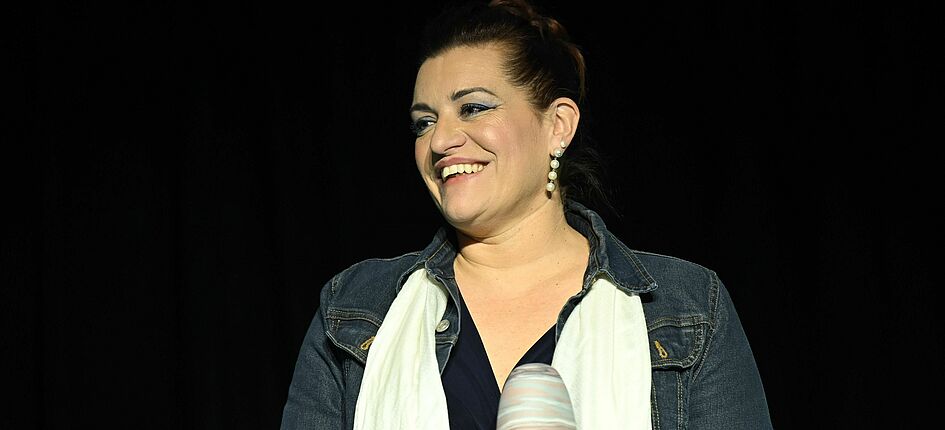
Natalie Spross of the Zurich-based Spross Group has been named CEO of the Year at the Swiss Economic Forum’s SEF.WomenAward. Photo: Neue Zürcher Zeitung AG/Swiss Economic Forum
News
Zurich/Espoo – Zurich Instruments and IQM are building a demonstrator based on the NVIDIA NVQ-Link that combines quantum hardware, control electronics and classical acceleration in a single operating architecture. This is intended to create a basis for scalable and fault-tolerant quantum computers.
(CONNECT) Zurich Instruments and the Finnish company IQM Quantum Computers want to create the basis for the complete system integration of quantum computing on an industrial scale. To this end, they have announced the joint construction of a first demonstrator for real-time quantum error correction (QEC). It is based on the new NVQLink platform presented by Californian chip manufacturer Nvidia in October 2025. According to a statement from the two partners, this project represents a significant milestone on the road to scalable and fault-tolerant quantum computing designed for use in companies and data centers.
The demonstrator combines IQM's 20-qubit superconductor quantum computer, Zurich Instruments' new ZQCS quantum control system and NVQLink-enabled GPU (graphics processing unit)-accelerated classical computing in a single operating architecture. According to the partners, the project thus creates a practical basis for future NVQLink-based products.
"The new demonstrator is more than just a step forward in error correction," IQM CEO Jan Goetz is quoted as saying. "It's about creating momentum for a future in which fault-tolerant quantum systems are accessible and effective for organizations everywhere."
"We developed the ZQCS precisely for this moment: to operate quantum systems reliably and integrated into the supercomputing infrastructure," says Andrea Orzati, CEO of Zurich Instruments, which was founded in 2008 as a spin-off of the Swiss Federal Institute of Technology in Zurich and is based at Technopark Zurich. "By working with IQM and NVIDIA NVQLink, we are demonstrating the operation of logical qubits with real-time interfaces to classic computing systems - and combining individual building blocks into a functional platform for QEC."
Tim Costa, Vice President and General Manager for Quantum at Nvidia, describes the required connectivity between quantum processors and accelerated computing as challenging. "But IQM and Zurich Instruments' work with the NVIDIA NVQLink platform shows that such low-latency, high-throughput integrations are now possible." ce/mm

Zurich Instruments and IQM are developing a demonstrator for integrated, scalable and fault-tolerant quantum computing using NVIDIA NVQLink. Image: IQM Quantum Computers
News
In sectors such as construction, catering and care, one in three jobs remains unfilled. While large corporations invest millions in digital recruiting, local SMEs often remain invisible. vonMedia and Gryps are launching an initiative to change this.
The classic job advertisement in the local paper is dying out. If you want to reach 14- to 18-year-olds today, you have to be present where Generations Z and Alpha spend their time: on Tiktok or Instagram. However, professional video recruiting has often been unaffordable and too much effort for plastering companies or local nursing homes. A production including advertising strategy quickly costs a five-figure sum on the market - a financial risk that small businesses shy away from in the face of rising costs.
The gap between big and small is closing
The result of this digital divide: while major banks and insurance companies are vying for talent with specialized teams, the skilled trades and hospitality industry are lacking the specialists of tomorrow. To break this trend, the procurement platform Gryps and the agency vonMedia are launching the "Apprenticeship Boost".
The highlight: The initiative bundles the demand from thousands of SMEs. This pooling model reduces the cost of recruiting videos to such an extent that they are affordable even for the smallest companies. "We are transforming the tedious search into active finding," say the initiators.
Authenticity beats high gloss
This is not about polished commercials, but about real everyday working life. Short, authentic clips are intended to show young people at eye level what an apprenticeship in the skilled trades or healthcare sector really means. The aim is barrier-free communication: applications are made where young people communicate anyway - purely digitally and without bureaucratic barriers.
The "apprenticeship boost" is therefore more than just a campaign. It is a rescue package for SMEs, the backbone of the Swiss economy. If training capacities in the industry collapse, the shortage of skilled workers will become even more acute in the future. Interested businesses can now join the pooling model to become visible on Tiktok or Instagram.
News
Dietikon ZH – The new Swiss embassy in Cameroon’s capital Yaoundé is being built in a CO2-friendly way using local clay. A mineral activator from Oxara turns it into pressed clay bricks. Oxara thus makes circular and low-CO2 clay construction faster, simpler and scalable.
(CONNECT) The go-ahead has been given for the construction of the new Swiss embassy in the Cameroonian capital Yaoundé, and Dietikon-based Oxara AG is playing a key role in the project, according to a press release. The public building is made of pressed clay bricks. Oxara supplies its stabilizer Oxabrick Loko for the locally abundant red raw material.
The embassy building was designed by the Basel architectural firms Caesar Zumthor Architekten and Nord Architekten and comprises a chancellery, residence and connecting building grouped around a courtyard. The buildings are to be constructed sustainably using local resources.
Oxara, which was founded in 2019, has started a series on its website in which it reports on the progress of the construction work. "In western Africa, clay is perceived as a sign of poverty and rurality, while concrete dominates as a status symbol in the cities," Oxara's project manager Jonathan Ensslin is quoted as saying. "It therefore sends out a signal that the new Swiss embassy is being built with clay."
The non-toxic mineral activator from Oxara turns clay into a stable and water-repellent building material. According to the company, this makes earth buildings faster, less labor-intensive and scalable. At the same time, they are circular and low in CO2.
Tests in the Oxara laboratory had shown that the material is well suited for use with Oxabrick Loko. However, the laboratory results could not initially be reproduced on site. With the help of local materials researcher Bernadin Beauderic Kenne Diffo, who had already got to know Oxara during his doctorate at the Swiss Federal Institute of Technology in Zurich, the mixing ratios were adjusted. A trial wall with around 7000 clay bricks is currently being completed. Construction work on the new embassy will then begin. ce/mm

Oxara is contributing to the construction of the Swiss Embassy in Cameroon with low-carbon clay bricks; pictured is the Oxara team. Photo: Courtesy of Oxara AG
News
Ecublens VD/Zurich/Dübendorf ZH/Freiburg – A team from the Swiss Federal Institute of Technology in Lausanne, together with other researchers from Switzerland, has developed a process for producing bone replacements using 3D printing. The material can be loaded after just four days.
(CONNECT) The Laboratory for Soft Materials at the Swiss Federal Institute of Technology in Lausanne (EPFL) has developed a bone-like material that can be produced using a 3D printing process. According to a report by the university, it is used at room temperature. This is significantly less energy-intensive than previous high-temperature processes and allows the use of enzymes for rapid mineralization.
The resulting bone-like, porous scaffolds can support the average weight of an adult human on an area of just 1.5 x 1.5 centimeters after just four days. For this project, the EPFL team collaborated with colleagues from the Swiss Federal Institute of Technology in Zurich, the Swiss Federal Laboratories for Materials Science and Technology and the University of Fribourg.
However, it appears that not only bone replacement but also bone regeneration is possible. This is because the researchers detected collagen and osteocalcin in the pores created by melting, enzyme-free gelatine microfragments 14 days after colonizing scaffolds with human stem cells in a bone growth-promoting medium. Both are indicators of cell growth, i.e. bone regeneration.
"Our idea was to develop a 3D-printable and injectable 'ink' that can be mineralized into scaffolds with mechanical properties similar to those of the highly porous cancellous bone found in human vertebrae and the ends of long bones such as the femur," explains lab head Esther Amstad. "We hope that the combination of mechanical performance, bioactivity and energy-efficient processing of our technology will open up new avenues for bone tissue engineering." ce/mm

A team from the Swiss Federal Institute of Technology in Lausanne, in collaboration with other researchers from Switzerland, has developed a 3D printing process for bone-like substitutes. Image: EPFL
News
Longevity – the targeted extension of a healthy lifespan – is becoming a key field of innovation in the healthcare sector worldwide. While top international clinics and research institutions are investing billions in new technologies, a small company near the Zurich Viadukt is showing how these developments can be applied to people’s everyday lives.
Longevity becomes a global healthcare market
The desire to live healthier for longer is increasingly becoming a global driver of innovation. Biotechnology, MedTech and preventive medicine technologies aim not only to treat diseases, but also to extend healthy lifespans. Accordingly, the market is growing dynamically: the global longevity sector is already estimated at over 30 billion US dollars and is likely to grow significantly further in the coming years. At the same time, specialized longevity clinics and prevention centers are springing up around the world, offering diagnostic programmes, regenerative therapies and personalized health strategies. The topic is also becoming increasingly important in Switzerland. Rising life expectancy - at over 83 years, it is one of the highest in the world - is increasing interest in technologies and approaches that not only extend years of life, but above all healthy years of life.
From international clinics to urban health hubs
For a long time, longevity programs were mainly found in exclusive health resorts or specialized medical clinics. Programs at international longevity institutes can quickly cost tens of thousands of francs and are often aimed at a small global elite. At the same time, however, a new generation of urban healthcare providers is emerging, making biohacking, recovery and preventive medicine technologies more accessible. One example of this is Cryodukt in Zurich. The company was set up by founder Paula Kasper and is located at Viadukt, in the middle of a dynamic urban district that stands for creative industries, start-ups and innovation. For Kasper, longevity is not just about lifespan, but about quality of life. "Longevity doesn't just mean living longer," she says. "It's about staying energetic, resilient and productive for as long as possible."
Technologies for regeneration and cell energy
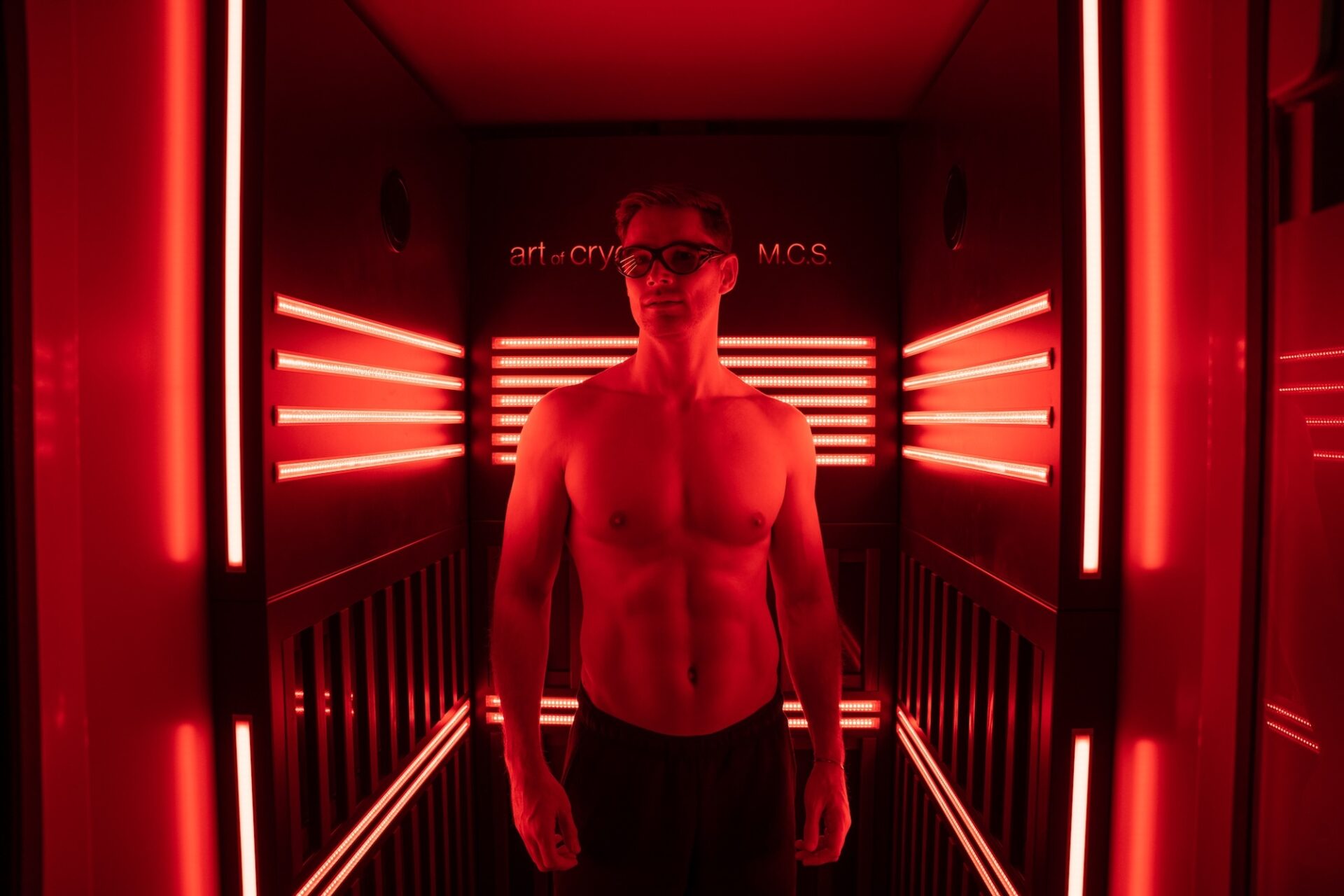
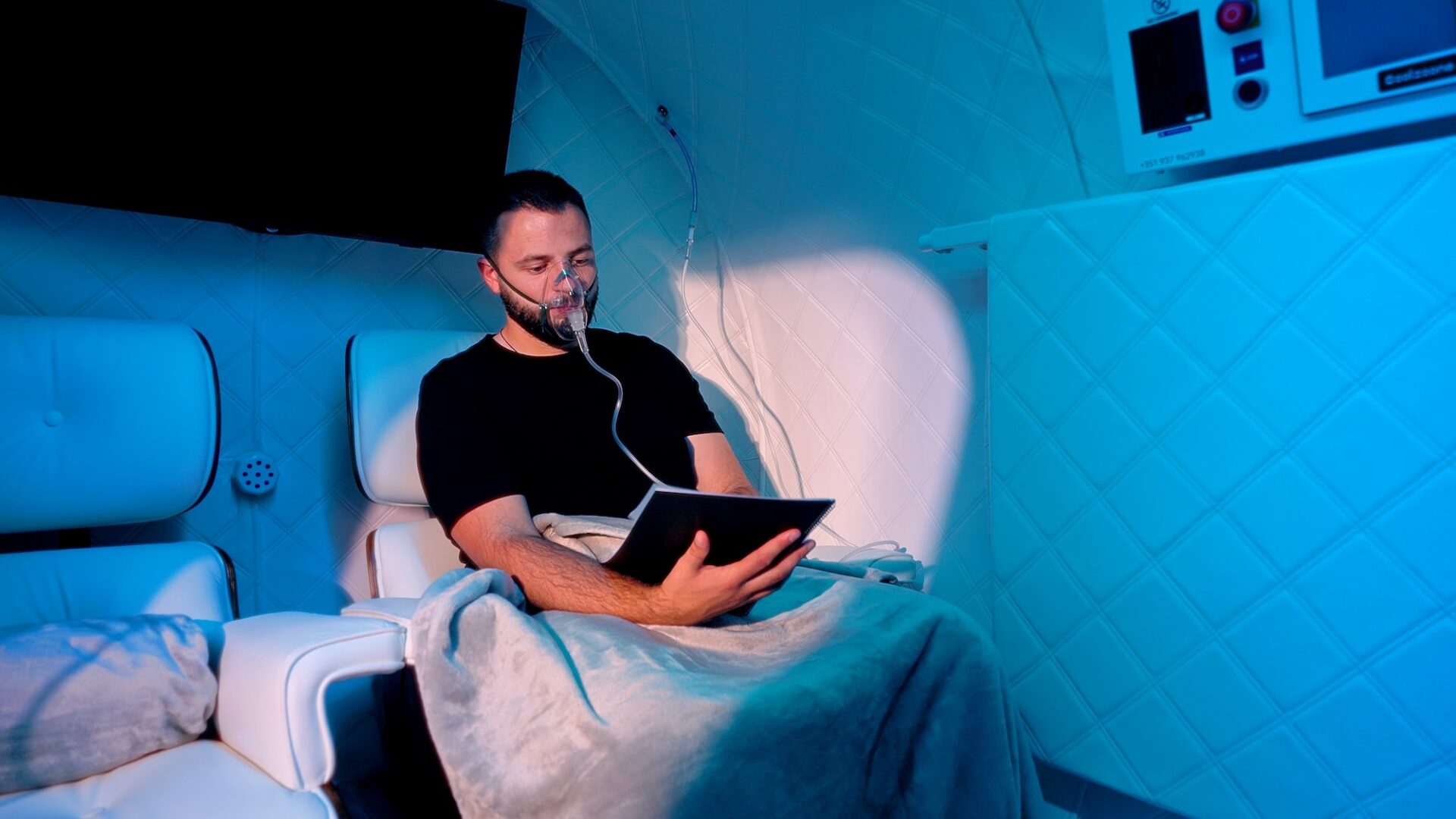
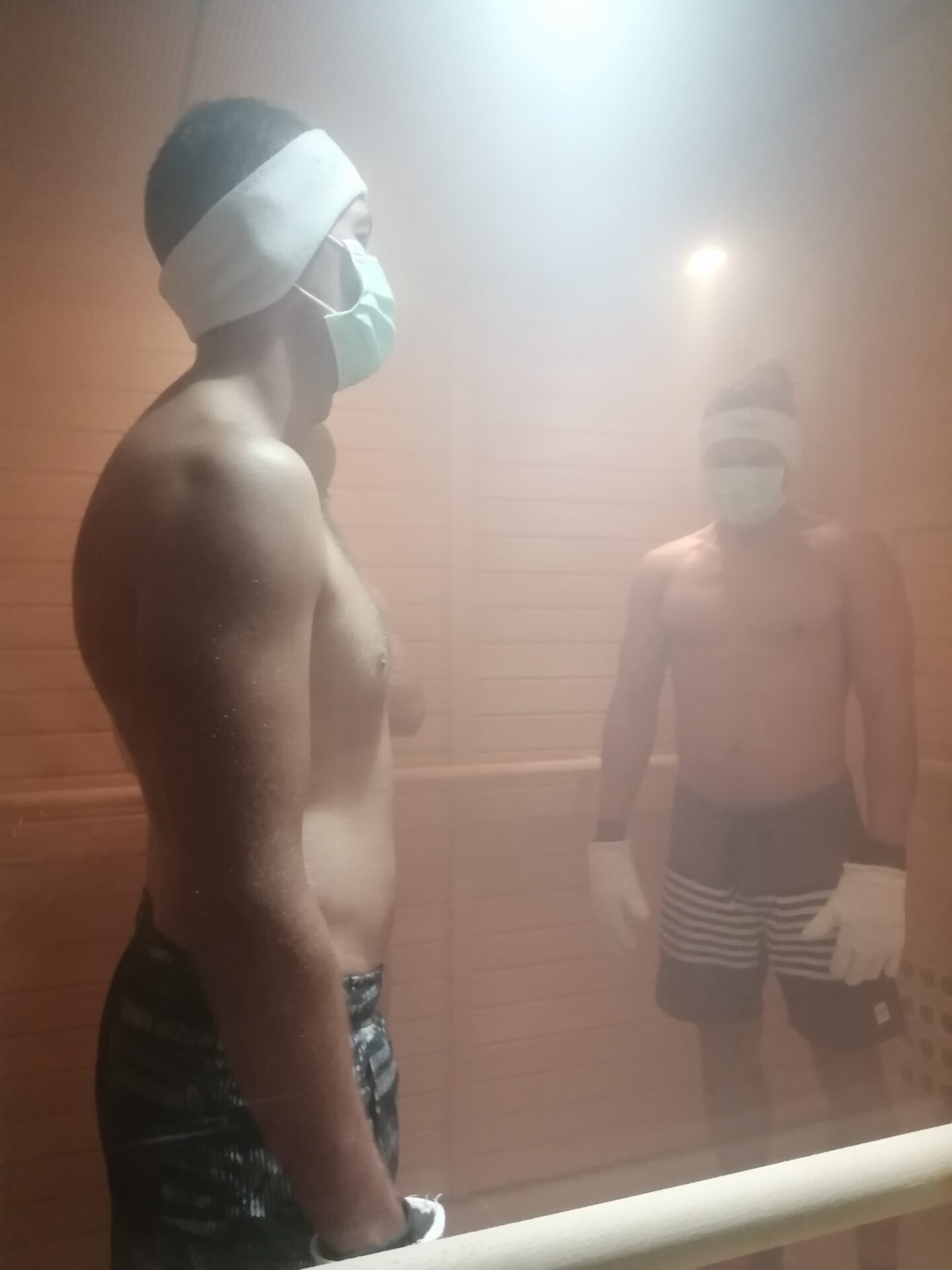
Cryodukt focuses on technologies that were originally used primarily in top-class sport or in specialized medical facilities. Whole-body cryotherapy, in which the body is exposed to temperatures of up to around -110 degrees Celsius for a few minutes, plays a central role. This short-term extreme cold activates various physiological reactions, such as increased blood circulation or anti-inflammatory processes. Many people use this method to regenerate after exercise, to help with pain or inflammation or to improve performance in general. Cryodukt combines cryotherapy with other technologies such as infrared and light therapy, hyperbaric oxygen therapy or IHHT, which can support regenerative processes in the body. "Many of these technologies work on a cellular level and support the body's natural regeneration processes," explains Kasper. "If we combine them sensibly, the result is a holistic approach to energy, recovery and long-term health."
Zurich as a center for health innovation
It is no coincidence that a concept like Cryodukt is being created in Zurich. The region is one of the leading European innovation centers for MedTech, digital health and life sciences. Institutions such as ETH Zurich and the University of Zurich are driving forward research in areas such as biomedicine, health data and personalized medicine. At the same time, numerous health tech start-ups are emerging in the region, developing new technologies for prevention, diagnostics and therapy. Initiatives and platforms in the Zurich innovation ecosystem promote the exchange between research, start-ups, investors and healthcare providers. This creates an environment in which new healthcare solutions can not only be developed, but also brought into real application more quickly. Cryodukt is part of this development. While start-ups are developing technologies and research institutions are delivering new scientific findings, places are also emerging where people can actually experience these innovations and integrate them into their everyday lives.
Biohacking and longevity as a new health culture
The growing popularity of biohacking and longevity reflects a broader cultural shift. More and more people want to actively shape their health instead of just reacting to medical treatment. For Kasper, this is precisely the core of Cryodukt's approach. "The future of health is not just about treating illness," she says. "It also lies in giving people tools with which they can consciously support their energy, regeneration and long-term vitality." In the heart of the urban environment of Zurich's Viadukt, Cryodukt demonstrates how global trends in longevity, biohacking and technology-based prevention are also becoming visible at a local level - as part of a health innovation ecosystem that combines research, entrepreneurship and practical application.
News
It is now also easier for businesses in French-speaking Switzerland to keep surplus food in circulation: The B2B marketplace circunis.ch, which has already been established in German-speaking Switzerland for two years, now also enables producers and buyers in French-speaking Switzerland to sell or buy surplus goods.
Processing or preserving food surpluses and side streams: A vision that many in the food industry support, but which was previously only possible with a great deal of additional effort. For two years now, the B2B marketplace Circunis has been offering an easily accessible solution for German-speaking Switzerland: producers register their surplus food online and food processing, system and care catering and wholesalers can request it there and buy it at attractive conditions. The B2B marketplace, which is made possible by the Migros Pioneer Fund and the Seedling Foundation, is now also opening up to companies in French-speaking Switzerland.
A marketplace of national importance
Around two thirds of avoidable food losses in Switzerland occur in agriculture, processing and the wholesale and retail trade. Switzerland aims to halve avoidable food losses by 2030 with the Federal Office for the Environment FOEN's action plan. Circunis is making a concrete contribution to this, as the B2B marketplace has been establishing the basis for a cycle in dealing with food surpluses since 2024. And with the opening to French-speaking Switzerland, food surpluses are now visible and tradable at a national level for the first time. A sustainable system for Switzerland cannot stop or start at the Röstigraben. Cooperation is needed throughout Switzerland.
Successes in German-speaking Switzerland lead to nationwide opening
The B2B marketplace has successfully established itself in German-speaking Switzerland over the past two years: In its first year of operation alone, over 42 tons of surplus food were brokered, 84 businesses use the marketplace regularly and Circunis is an active member of various industry organizations and associations. "By opening up, interested companies have access to circunis.ch will have even more different products to choose from in future - and producers will have a much better chance of quickly finding suitable buyers for their surpluses," says Co-Managing Director Aline von Jüchen, emphasizing the benefits.
New Co-Managing Director is the contact person for French-speaking Switzerland
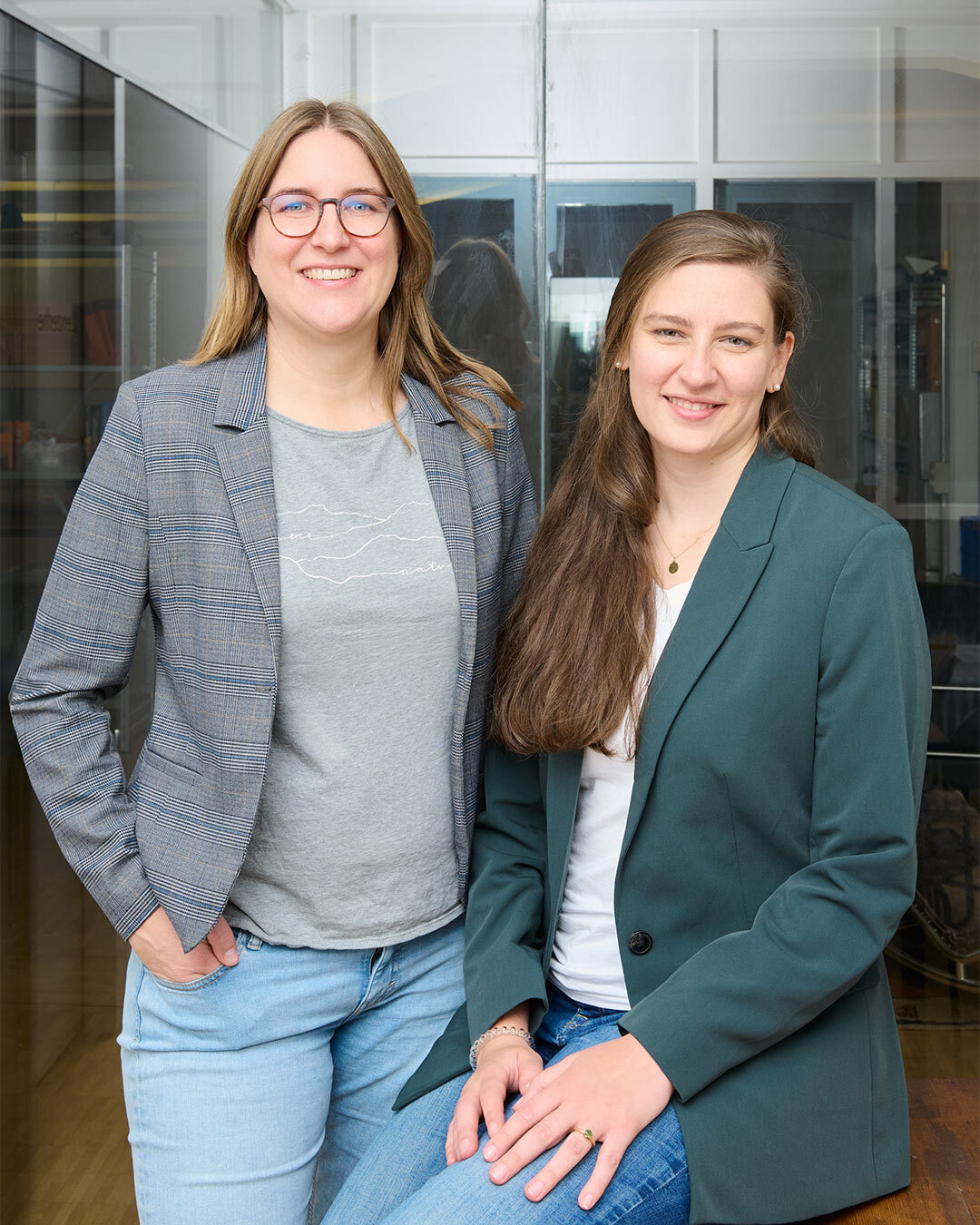
The new Co-Managing Director Aline von Jüchen is responsible for expansion and customer care in French-speaking Switzerland. She previously managed various projects at the University of Applied Sciences Northwestern Switzerland FHNW in the area of food and bypass recycling and has been a new member of the Circunis management team since March 1, 2026 - together with the previous Managing Director Olivia Menzi. Aline von Jüchen is at home in both the Valais and the German-speaking part of Switzerland and manages to bridge the gap across the Röstigraben.
Interested companies can find the B2B marketplace and all information at circunis.ch.
You need to load content from reCAPTCHA to submit the form. Please note that doing so will share data with third-party providers.
More InformationYou are currently viewing a placeholder content from Turnstile. To access the actual content, click the button below. Please note that doing so will share data with third-party providers.
More InformationYou are currently viewing a placeholder content from Vimeo. To access the actual content, click the button below. Please note that doing so will share data with third-party providers.
More InformationYou are currently viewing a placeholder content from YouTube. To access the actual content, click the button below. Please note that doing so will share data with third-party providers.
More InformationYou need to load content from reCAPTCHA to submit the form. Please note that doing so will share data with third-party providers.
More Information