News
Dübendorf ZH – Researchers at the Swiss Federal Laboratories for Materials Science and Technology (Empa) are working on the development of MXenes. These two-dimensional materials should enable applications in energy storage as well as in medicine.
(CONNECT) Researchers from four laboratories at the Swiss Federal Laboratories for Materials Science and Technology (Empa) are working on the investigation and production of two-dimensional materials. The findings are expected to have applications ranging from storing energy and eliminating carbon dioxide to medical therapies, according to a press release.
These so-called MXenes have structures similar to those of graphene. In contrast to these, however, they consist not only of carbon atoms, but of one or more transition metals in combination with nitrogen or carbon. They are produced in layered ceramic crystals, so-called MAX phases. Intermediate layers are dissolved using strong acid. The remaining structures are then separated from each other in an ultrasonic bath. The result is MXenes, which are predestined for numerous applications in various masses.
The four laboratories Functional Polymers, High-Performance Ceramics, Building Energy Materials and Components and nanotech@surfaces are involved in the research. "We cover the entire spectrum, from basic research and modeling to the production of MAX phases and MXenes through to applications," research manager Jakob Heier from the Laboratory for Functional Polymers is quoted as saying in the press release. "It is a great strength of Empa that all these competencies come together at one institute."
The researchers envisage the absorption and conversion of carbon dioxide, catalysis, energy storage and sensor technology as areas of application. In medicine, certain MXenes promise antimicrobial effects or targeted cancer therapy. "With their flexibility and adaptability, MXenes offer such great advantages that applications will not be long in coming," Jakob Heier is convinced. ce/ww
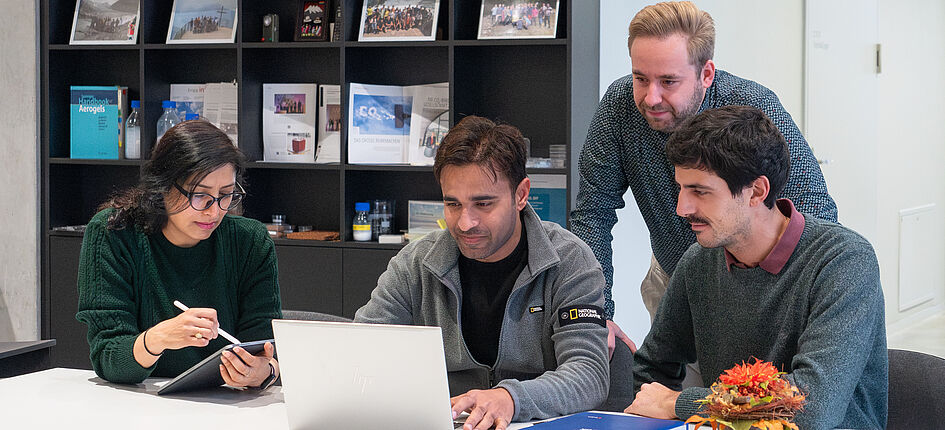
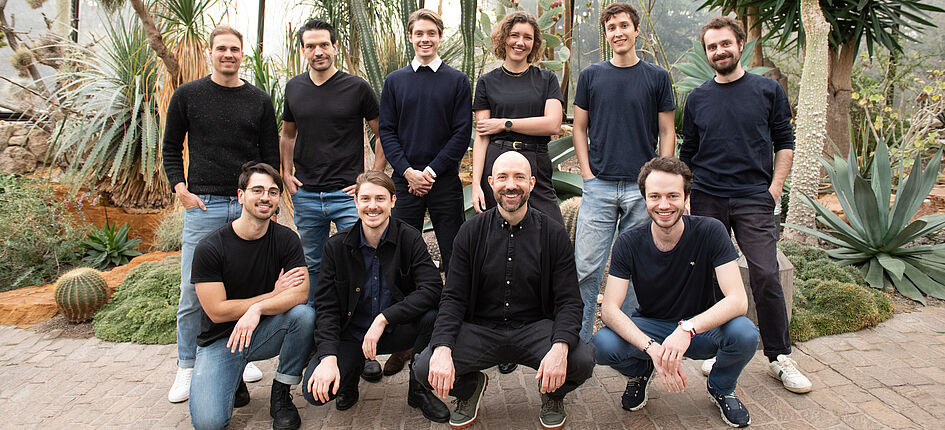
Postdoctoral researchers Afsheen Zahra Syedah, Aamir Iqbal, Nick Goossens and Cesare Roncaglia (from left) from four different Empa laboratories are working together on MXenes. Photo: Empa
News
Zurich – Prevision Medicine has added multiple myeloma to its drug screening program. The Zurich-based techbio start-up uses its PrevisionOne platform to identify the most effective personalized treatments for cancer using a small sample of bone marrow.
(CONNECT) Prevision Medicine is expanding its portfolio of personalized drug tests to include multiple myeloma (MM). Effective treatment of this incurable bone marrow disease requires prompt and carefully coordinated therapy decisions. Prevision Medicine's MM drug screening test systematically evaluates available treatment options for primary tumors and healthy cells to determine the most effective combination for each patient, according to a statement.
The start-up, which is based at Technopark Zurich and associated with the Biopôle Lausanne life sciences cluster, creates such an individual profile within an average of 72 hours of receiving a small bone marrow sample. This MM test is based on the results of a comprehensive clinical observational study recently published in "Nature Cancer" and conducted in collaboration with the University Hospital Zurich. The study shows that image-based ex vivo drug testing, known as pharmacoscopy, can accurately predict the clinical responses of patients to both standard therapies and complex immunotherapy-containing treatment regimens.
"Despite significant therapeutic advances, the treatment of multiple myeloma remains very complex and requires careful selection of combination therapies for each individual patient," CEO Dr. Philip Zimmermann is quoted as saying. "PrevisionOne's high-throughput drug screening capabilities enable oncologists to manage this complexity with functional and data-driven therapeutic decisions for MM patients, identifying the most effective treatment combinations."
According to the information provided, Prevision Medicine has already successfully launched its drug screening solutions for the indications acute myeloid leukemia and glioblastoma. The Techbio start-up is working on further expanding its platform to include additional indications with high demand. ce/mm
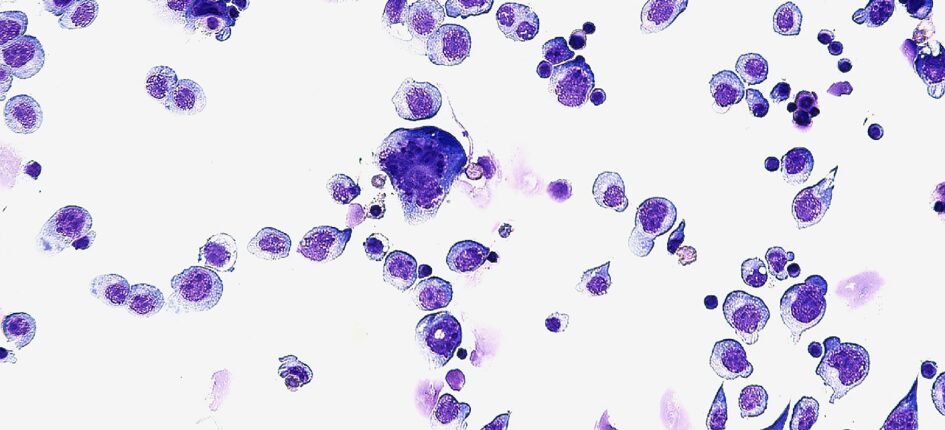
Prevision Medicine uses AI to determine the most effective therapies for each individual patient based on cell images. Image: zVg/Prevision Medicine AG
News
Zurich – The HWZ University of Applied Sciences in Business Administration Zurich has conducted a three-day study tour as part of the EMBA Digital Leadership program. The participants gained insights into the innovation landscape in Switzerland at five research institutions.
(CONNECT) The HWZ University of Applied Sciences in Business Administration Zurich (HWZ) organized a three-day study tour as part of its EMBA Digital Leadership course. The participants visited institutions such as the Swiss Federal Institutes of Technology in Zurich (ETH) and Lausanne (EPFL), digitalswitzerland, Deep Tech Nation and the European Organization for Nuclear Research (CERN), according to a press release.
The aim of the tour was to give participants an understanding of how innovation ecosystems work, how to promote digital innovation and how this affects mechanisms in their own companies. In addition, the study tour promoted the exchange of ideas between the participants and the formation of stable networks among the managers.
"For me as the course director here at the HWZ, it was crucial when starting this cohort to convey that digital leadership means being able to read innovation ecosystems, classify technology and build bridges - between research, the market and society," Valerio Stallone, Head of the Department of Marketing & Digital at the HWZ and course director of the EMBA Digital Leadership HWZ, is quoted in the press release. The EMBA Digital Leadership is aimed at practice-oriented, motivated managers with proven professional experience. The training consists of a 16-month executive program. ce/ww
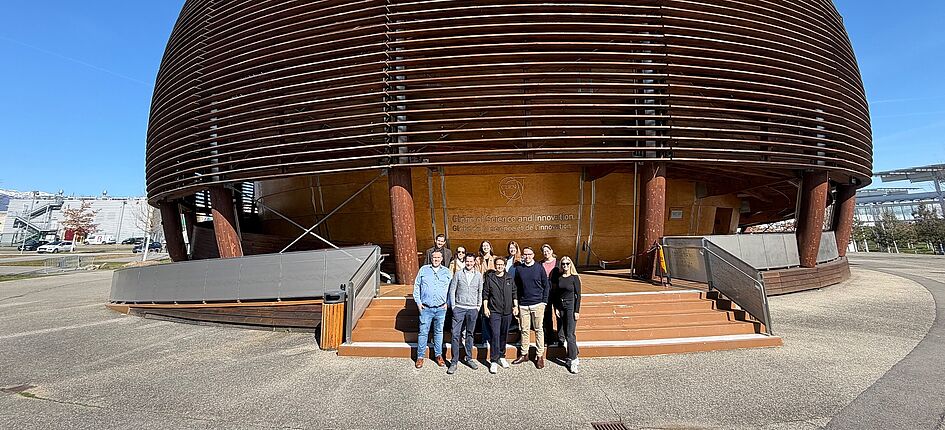
As part of its EMBA Digital Leadership programme, HWZ organised a three-day study tour to institutions such as ETH, EPFL, digitalswitzerland, Deep Tech Nation and CERN. Image: zVg/HWZ Zurich University of Applied Sciences Business School
News
Zurich – A team at the Swiss Federal Institute of Technology in Zurich (ETH) has found a way to combine poorly soluble protein fragments into a complete protein using a synthesis robot. The element boron plays the decisive role here. This should pave the way for new cancer therapies.
(CONNECT) Chemists at ETH Zurich have opened a door to the production of new cancer therapies that was previously firmly closed: according to a statement from the university, their new method now makes it possible for the first time to combine even poorly soluble protein fragments, which make up many proteins that are important for modern medicine and science, into new complete and functioning proteins.
With the methods known to date, this only works if these particles are dissolved in comparatively high concentrations. Poorly soluble proteins, on the other hand, clump together easily and therefore cannot be produced automatically in the laboratory.
For their new approach, the team led by Jeffrey Bode, Professor at the ETH Laboratory of Organic Chemistry, made use of the special properties of a chemical compound containing the element boron. The new linking method is 1000 times faster than conventional methods and therefore also works at 1000 times lower concentrations. This prevents the proteins from clumping together.
After many years of research, the team succeeded in protecting this boron compound from strong acids by chance - when a doctoral student tested a method that the team believed would not work. "This kind of fundamental research, in which we can venture into unknown scientific territory without any prospect of success, is only possible thanks to unrestricted funding from the Swiss National Science Foundation and ETH," Bode is quoted as saying.
Thanks to the ETH method, clumping-prone antibodies, protein drugs or medically important membrane proteins can now be produced using laboratory robots. In 2020, Bode himself co-founded the ETH spin-off Bright Peak Therapeutics, based in the Switzerland Innovation Park Basel Area, which uses the technologies developed in his research group to develop immunotherapies to fight cancer. An initial therapeutic agent is already undergoing clinical trials. The new boron-based method could help to further expand the start-up's product pipeline. ce/mm
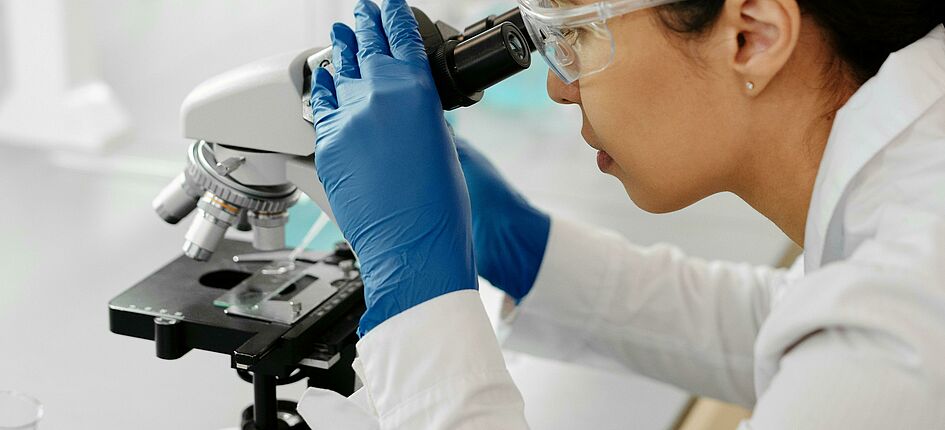
Chemists at ETH Zurich have found a way to use a synthesis robot to link poorly soluble protein fragments together to form a complete protein. Symbolic image: Edward Jenner/Pexels
News
Zurich – A study by the University of Zurich (UZH) shows which regions of the brain are active when assessing the behavior of another person. These mechanisms for controlling social adaptation are relevant for understanding mental disorders such as autism or borderline personality disorder.
(CONNECT) In a UZH study, a team of researchers used a computer model to investigate how strategically people assess their counterparts, how they may adapt their behavior and which brain regions play a role in this. To this end, over 550 people were observed in various game situations in the Schnick-Schnack-Schnuck game based on the rock-paper-scissors principle.
According to a UZH report, it was found that most people react flexibly when the other person changes their behavior. However, there was a wide range between the participants. Some were often able to recognize which strategy their counterparts were using, while others took much longer to correctly assess their opponent.
Certain brain regions were always more active when the test subjects reconsidered their assessment of the other person. "At these moments, the activity in these brain areas changes measurably," says Gökhan Aydogan, postdoctoral researcher at the Department of Economics. These activity patterns can be used to predict the extent to which a person will adjust their assessment. The researchers therefore speak of a neuronal fingerprint of adaptive mentalizing. In the study, this prediction was successful for almost 90 percent of the participants.
"Our findings could help to assess social thinking skills more objectively in the future," explains Christian Ruff, UZH Professor of Neuroeconomics and Decision Neuroscience." This is particularly relevant for personality disorders in which social interactions are difficult, such as autism or borderline personality disorder. "In the long term, such brain-based markers could also help to assess and further develop therapies in a more targeted manner." ce/mm
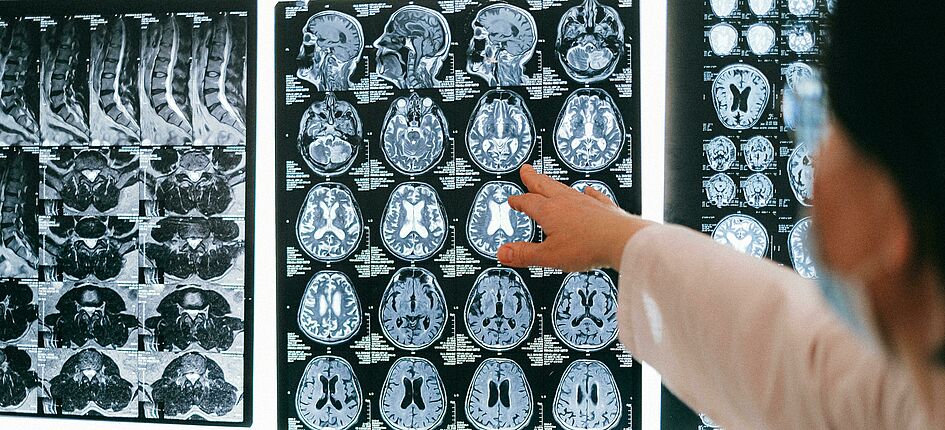
In a study conducted at UZH, a team of researchers used a computer model to investigate how strategically people assess their counterparts, how they may adjust their behaviour, and which regions of the brain play a role in this process. Symbolic image: Anna Shvets/Pexels
News
Schlieren ZH – Pregnolia has received financial support from the European Union’s EIC Accelerator program. With additional investments from private investors, the medtech company from Schlieren raised 3.4 million Swiss francs and successfully completed its third financing round.
(CONNECT) Pregnolia has received 3.4 million Swiss francs in its third financing round. As CEO and founder Dr. Sabrina Badir explains, a large part of this comes from the EIC Accelerator program of the European Innovation Council (EIC), to which her company was accepted. "Being selected as one of Europe's most competitive deep tech programs recognizes cervical rigidity as a novel biomarker for improving obstetric care and highlights the importance of innovation for maternal health," Badir said. In addition, private donors also participated in the round.
Founded in 2016 as a spin-off of the Swiss Federal Institute of Technology in Zurich and the University Hospital Zurich, the medtech company has developed a CE-marked measuring system that can be used to accurately determine the stiffness of the cervix. If the cervix is soft, the risk of premature birth is increased. "Our mission is to integrate an objective assessment of cervical stiffness into clinical care to enable better decision-making during pregnancy," explains Badir. "Our vision is for every gynecological practice to have a Pregnolia system in addition to the ultrasound machine," says the company's self-description.
As the start-up promoter Venturelab, which is also based in Schlieren, calculates in its own press release on Pregnolia's financing round, there are 60,000 to 65,000 premature births every year in Switzerland alone, and the figures are continuing to rise. For Pregnolia, the EIC Accelerator Grant means "a step forward, from research to a broader clinical application". Pregnolia was Venture Kick winner, Venture Leader Biotech and among the Top 100 Swiss Startups for five consecutive years. ce/mm
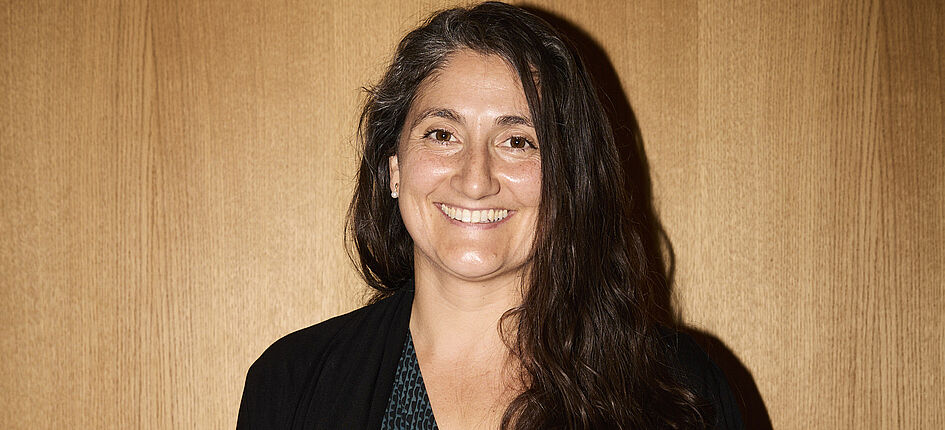
CEO and founder Dr Sabrina Badir receives investments of CHF 3.4 million for Pregnolia. Image: zVg/Venturelab Ltd.
News
Bern/Kloten ZH – The Federal Office for the Environment (FOEN) has registered zirkulit Beton AG’s climate protection programme for the permanent storage of CO2 in circular concrete as a project to increase the sink capacity in Switzerland. It comprises several CO2 storage facilities operated by zirkulit partners in Switzerland.
(CONNECT) The climate protection programme of zirkulit Beton AG from Kloten is now officially registered as a project to increase sink performance, according to a press release. This makes it the first project for CO2 storage in circular concrete to be approved by the FOEN in Switzerland. The programme includes several CO2 storage facilities that are operated in zirkulit partnerships with concrete manufacturers at various locations in Switzerland.
As part of the programme, biogenic CO2 is captured from Swiss biogas plants, transported to recycled concrete plants and brought into contact with granulate from demolished concrete in the storage layers developed by zirkulit. The CO2 reacts with the cement paste contained in the concrete granulate to form calcium carbonate and is thus permanently mineral-bound. This granulate is then used to produce circular concrete.
"This creates a permanent carbon sink in a durable building material", says zirkulit Beton AG, "a key lever on the way to net zero in the building sector". This underlines its claim to actively contribute to the transformation towards a circular and climate-friendly construction industry.
The programme is financially supported by the Climate Cent Foundation. Together with the partners of zirkulit Beton AG, it is promoting the project as one of five national pilot projects for negative emission technologies and carbon capture and storage. Climate Cent is providing a total of CHF 50 million for this purpose. Financing is provided as part of a multi-year supply contract for the CO₂ reductions achieved through the programme. ce/mm

zirkulit Beton AG’s climate protection programme has now been officially registered as a project to increase carbon sequestration capacity. Image: zirkulit Beton AG
News
Zurich/New York – Zurich-based proptech start-up OPTIML is combining its decision intelligence platform with the sustainability data infrastructure of New York-based company Scaler, which is also active in Europe. This should make it easier for institutional real estate investors to manage their properties in a way that preserves value.
(CONNECT) OPTIML and Scaler have agreed a strategic partnership. According to a press release, the aim is to combine Scaler's infrastructure for sustainable real estate data with OPTIML's decision-making intelligence. This is intended to provide portfolio managers with a data-based, verifiable and dynamic basis for decisions on refinancing and capital allocation and to provide information on a sensible sequence for sustainable investments in the portfolio.
The new partners want to contribute their respective expertise. Scaler provides a data infrastructure for buildings and portfolios that includes operational, technical and sustainability data. The proprietary Real Estate Decision Intelligence (REDI) software from OPTIML, a spin-off from the Swiss Federal Institute of Technology in Zurich (ETH), combines this data with digital building models in engineering quality.
In addition to optimizing investments and their sequencing, the partners cite the harmonization of asset and portfolio data flows across systems and regions, improving the analysis of retrofit and investment scenarios, and strengthening reporting to regulators and investors with verifiable and decision-relevant results as further benefits of their collaboration.
"By combining Scaler's data infrastructure with OPTIML's decision intelligence, we offer portfolio managers a closed-loop system in which every investment decision is based on real performance data and continuously optimized as conditions change," says Scaler co-founder and CIO Luc Van De Boom. The partnership closes the gap between operational data and institutional capital decisions, explains OPTIML co-founder and CEO Dr. Evan Petkov: "Data alone does not create an advantage. Investors need optimization and governance to turn this data into actionable measures. Together, we provide real estate professionals with a living decision-making system for the world's largest asset class." ce/mm
OPTIML (pictured) and Scaler have agreed on a strategic partnership. Image: zVg/OPTIML AG
News
Kloten ZH/Irvine – The Kloten-based biopharmaceutical company NewcelX is collaborating with California-based Eledon Pharmaceuticals. Eledon’s expertise in transplantation medicine is expected to accelerate NewcelX’s development plan for stem cell therapy for type 1 diabetes.
(CONNECT) NewcelX AG has announced a research collaboration with Eledon Pharmaceuticals. According to a statement, the collaboration aims to integrate the monoclonal antibody Tegoprubart developed by Eledon into NewcelX's stem cell therapy for type 1 diabetes. Under the name NCEL-101, this therapy represents the therapeutic lead program of NewcelX.
It is designed as a scalable, immediately available treatment to correct the lack of functional and insulin-producing cells. NCEL-101 is based on a validated platform for human pluripotent stem cells. It is intended to restore functional insulin production through scalable, ready-to-use cell replacement. Eledon's anti-CD40L monoclonal antibody Tegoprubart is expected to improve the survival and longevity of transplanted cells, thereby advancing a potential functional cure for type 1 diabetes.
According to the information provided, over 100 transplant patients have already been treated with Tegoprubart. According to NewcelX, this experience provides clinically sound findings and data that are relevant for cell replacement therapies.
As Executive Chairman and CEO Ronen Twito emphasizes, Eledon's transplant experience provides his companies with "clinically sound insights that may lead to a clearer regulatory pathway and a more efficient development plan for NCEL-101". NewcelX CSO Prof. Michel Revel sees this collaboration as an important strategic milestone for his company "as it enhances the company's translational clinical programs and expands collaborations with established leaders in immunobiology and transplantation medicine". ce/mm
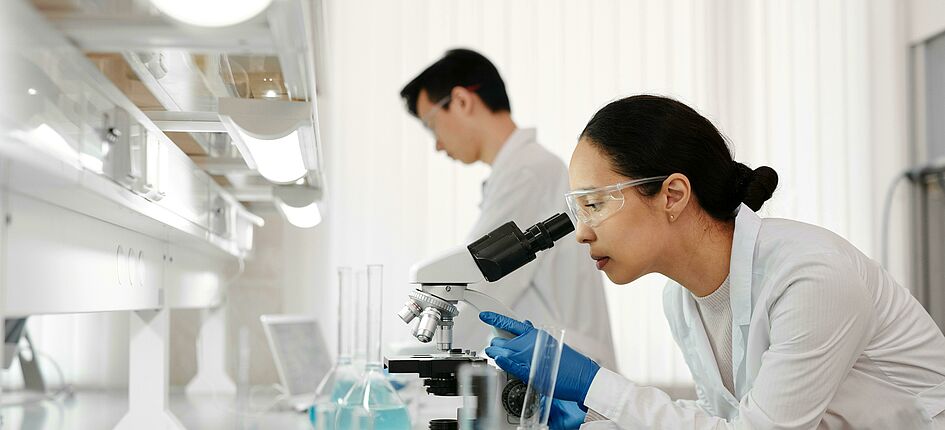
NewcelX is collaborating with Eledon Pharmaceuticals to accelerate the development of a potential functional cure for type 1 diabetes by integrating the antibody tegoprubart into its stem cell therapy NCEL-101. Symbolic image: Edward Jenner/Pexels
News
Zug/Zurich – The Zug-based Unita Capital Group has invested a six-figure sum in Selma Finance. The fintech from Zurich uses artificial intelligence to offer digital pension advice for investors and retirees.
(CONNECT) The Zug-based Unita Capital Group has invested a six-figure sum in Selma Finance, according to a statement. The Zurich-based fintech wants to use this to further develop its digital asset management.
For example, the advisory processes for long-term investors based on artificial intelligence (AI) are to be expanded and new offers are to be created for newly retired people. "The investment is a strong sign of confidence in our approach of using fintech and AI to make long-term investing and retirement easier and more accessible," Patrik Schär is quoted as saying. He is CEO and co-founder of Selma Finance.
Selma's portfolios are managed automatically on the basis of data and supplemented by AI-supported financial advice. According to the entrepreneurial investment club Unita Capital, Selma is thus addressing a market that is actively growing due to demographic change and the increasing demand for digital pension advice. Selma impresses "with its mix of clear product vision, demonstrable growth and strong positioning".
According to Marco Grüter, Principal and Board Member of Unita Capital, Selma Finance "combines a scalable fintech business model with the sensible use of artificial intelligence. We were particularly impressed by the clear product vision and the growth potential in an exceptionally dynamic market environment." ce/mm

The Unita Capital Group from Zug has invested a six-figure sum in Selma Finance. Image: zVg/Unita Capital Group AG
News
Zurich is one of Europe’s leading innovation hubs for MedTech and digital health. However, for new technologies to have an impact, they need to find their way into the everyday lives of healthcare professionals and patients. The Küsnacht-based company Halo Health connects precisely these worlds – and creates a new interface in the health innovation ecosystem.
Innovation needs access to practice
The Zurich region is rapidly developing into an international center for MedTech and digital health. Start-ups, research institutions and technology companies are developing innovative solutions for prevention, diagnostics and therapy here.
However, there is often a crucial gap between technical innovation and practical application. Technologies must be integrated into real treatment situations, understood by healthcare professionals and accepted by patients.
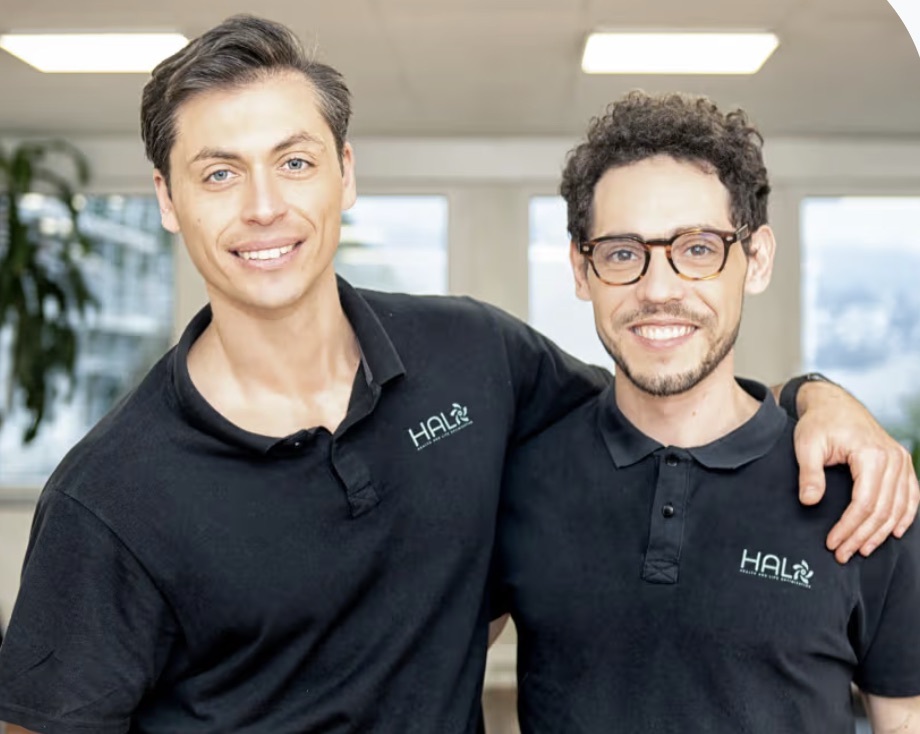
This is exactly where Halo Health comes in. Founded by Davide Crocè and Ferdinando Arcà, the company sees itself as an interface between health innovation, therapeutic practice and patients. Many innovations today are created in research laboratories or technology companies, explains Crocè, but their actual benefits only become apparent in direct contact with people. Halo Health therefore wants to create precisely this connection and bring innovation to where it can be used by patients in their everyday lives.
Holistic Health as a platform for innovation
Halo Health's approach is based on a holistic understanding of health. Therapy, exercise, prevention and lifestyle are not viewed in isolation, but as interconnected elements of a sustainable health model.
Halo Health combines modern diagnostics, data-based body analysis, exercise therapy and personalized training programs to develop individual health solutions. Technologies play an important role here - but only if they are integrated into therapy processes and health programs in a meaningful way.
For co-founder Ferdinando Arcà, it is precisely this interaction that is crucial. Health is the result of many factors - from physical exercise and therapeutic care to long-term prevention. Technology can play an important role here, he says, but only if it is integrated into therapy processes and health programs in a meaningful way.
The holistic health approach thus creates an environment in which new technologies - such as digital applications, data-based training methods or innovative MedTech solutions - are not used in isolation, but become part of a comprehensive healthcare concept.
A bridge for medtech and digital health companies
Access to real-life application scenarios is becoming increasingly important, especially for companies in the MedTech and digital health sectors. Innovations must be developed and continuously improved together with health practitioners.
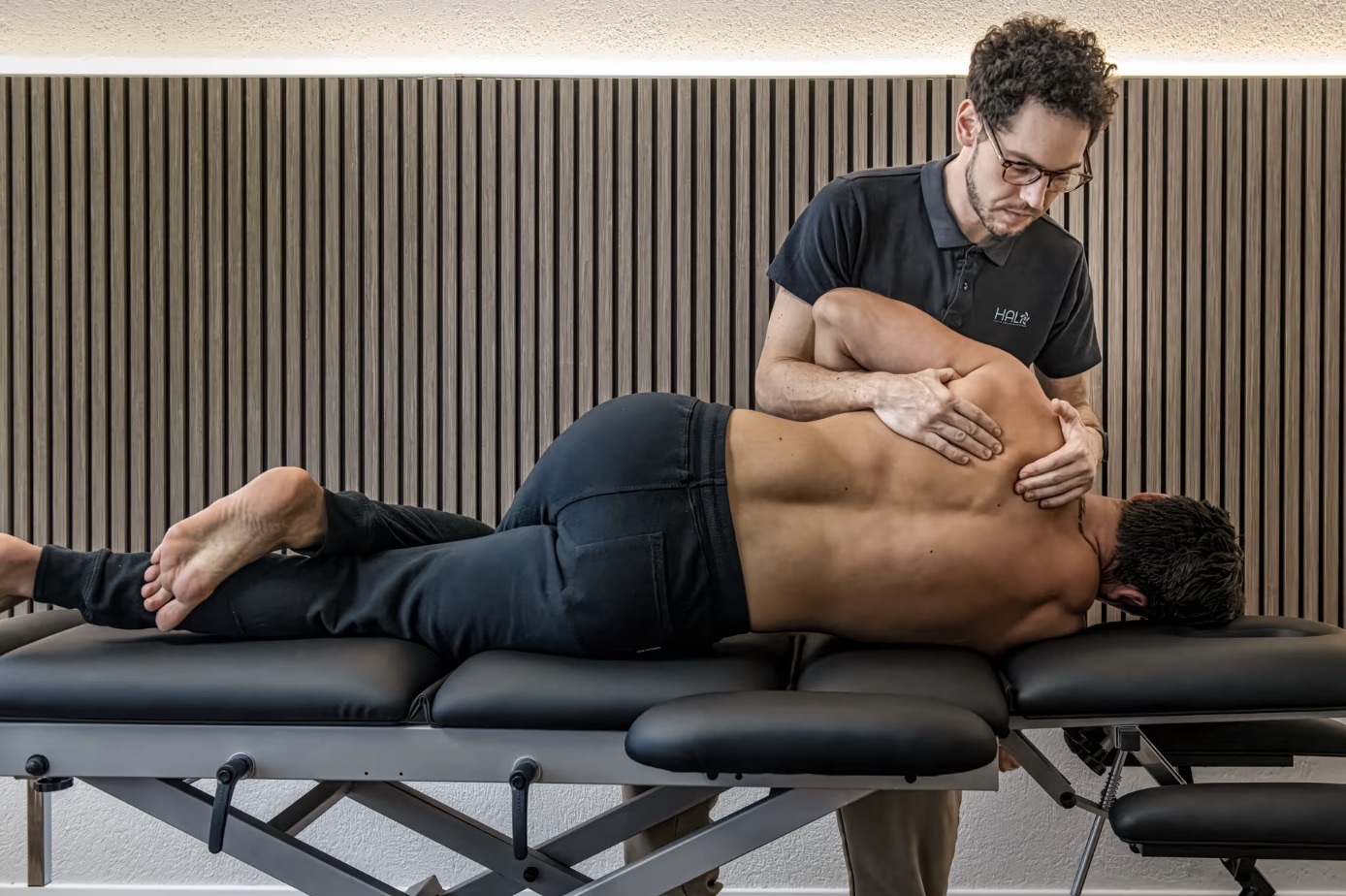
Halo Health offers a practical environment for this. Therapists, exercise and healthcare professionals work directly with patients here - a setting in which new technologies can be used in a real healthcare context.
Innovation in the healthcare sector must not stop in the laboratory, emphasizes Crocè. It is crucial that new solutions arrive where people are actually being cared for.
A building block in the Zurich Health Innovation Ecosystem
In the highly innovative environment of the Canton of Zurich, more and more solutions are being developed at the interface of technology, medicine and prevention. For these innovations to have an impact, we need places where technology development and healthcare come closer together.
Halo Health sees itself as just such a bridge builder in the Zurich Health Innovation Ecosystem. The aim is to create a space in which innovation, therapy and prevention come together. The future of the healthcare system is where technological possibilities and human care are combined in a meaningful way.
With this approach, Halo Health combines MedTech, digital health and personal care - and brings innovation to where it ultimately needs to go: to the patients.
Screenshot
Screenshot
News
Egg ZH – Hyperscale Power has closed a financing round with 5 million euros. The start-up wants to use this to accelerate the development of its prototype of a new type of semiconductor transformer. It is ten times smaller than conventional transformers and is designed to save a lot of space in data centres, for example.
(CONNECT) Hyperscale Power has successfully completed a seed financing round. According to its press release, the deep-tech start-up from Egg near Zurich, which was founded in 2025, raised 5 million euros. The round was led by the German venture capital firms World Fund from Berlin and Vsquared from Munich.
Hyperscale Power is working on a prototype solid-state transformer (SST) for efficient, compact and reliable next-generation power conversion. It is intended to open up an infrastructure bottleneck by replacing the conventional copper and iron transformer-rectifier systems, which have remained virtually unchanged since the end of the 19th century and require an enormous amount of space, with compact AC-AC converters using semiconductors.
"Our mission is to rethink the power supply of the systems that will drive the next industrial revolution," co-founder Dr. Daniel Rothmund is quoted as saying. "Data centres, charging stations for electric vehicles and large-scale renewable energy projects all face the same bottleneck: the efficient and safe conversion of huge amounts of electricity." In addition, there are long delivery times of 18 to 24 months and more.
According to Hyperscale Power, this creates a clear gap in the market for compact semiconductor transformers with high power density. "The SST from Hyperscale Power makes this quantum leap possible: It is around ten times smaller and requires around 90 percent less material," the press release states. "The result is shorter operating times, lower operating costs, lower emissions and a platform that is ideal for electric vehicle charging, solar energy conversion and the rapidly growing energy requirements of GPU-based AI infrastructures."
Jakob Lingg from investor Vsquared Ventures is convinced that Hyperscale Power has "the right team and the right technology" with the two company founders' expertise in solid-state transformers in the medium-voltage range and their "distinctive entrepreneurial approach" to "conquer this market at exactly the right time". The two founders are also building on their roots in Swiss precision engineering and their proximity to the Swiss Federal Institute of Technology in Zurich. Both secure them "long-term access to Europe's leading technical talent". ce/mm

Hyperscale Power has successfully completed a seed funding round of €5 million. Stock image: fauxels/Pexels
You need to load content from reCAPTCHA to submit the form. Please note that doing so will share data with third-party providers.
More InformationYou are currently viewing a placeholder content from Turnstile. To access the actual content, click the button below. Please note that doing so will share data with third-party providers.
More InformationYou are currently viewing a placeholder content from Vimeo. To access the actual content, click the button below. Please note that doing so will share data with third-party providers.
More InformationYou are currently viewing a placeholder content from YouTube. To access the actual content, click the button below. Please note that doing so will share data with third-party providers.
More InformationYou need to load content from reCAPTCHA to submit the form. Please note that doing so will share data with third-party providers.
More Information