News
Zurich – The Zurich-based start-up ScyAI has raised 2 million euros in an early financing round. The ScyAI platform creates quantified, verifiable risk profiles for companies, which they can use to prove their specific risk quality to insurance companies and thus save on premiums.
(CONNECT) ScyAI has closed a pre-seed financing round with 2 million euros. According to an article in the "Menlotimes", to which the Zurich start-up refers in its report, the round was led by the climatetech fund AENU and the venture capital firm PT1, both from Berlin. Unicorn founders David Helgason (founder of Unity), Maex Ament and Philip Stehlik (Taulia, Centrifuge) and four other investors via the Munich-based angel investor alliance better ventures have also invested via the British company Anti Ordinary Ventures.
ScyAI was founded in August 2025 by a team with experience in the insurance industry and risk technology, acquired at Swiss Re, Deloitte, PwC and EuroChem, among others. The company has developed a platform that creates quantified and verifiable risk profiles for companies with extensive physical infrastructure.
ScyAI combines operational data with external hazard models. This allows companies to prove their specific risk quality to insurance companies on the basis of key figures that are also used by insurers. As a result, premiums are no longer calculated on a broad and defensive basis, but on a case-specific basis. Early adopters of the methodology reported premium reductions of 30 to 50 percent and savings in the seven-figure range.
"Physical risks are becoming a key operational and financial issue for companies," says Bernhard Rannegger, founder and CEO of ScyAI. "Our mission is to make these risks measurable, understandable and controllable - so that corporate risk teams and insurance teams can make better decisions and evolve from a cost center to a strategic capital manager for resilience." ce/mm

The ScyAI team has completed a pre-seed financing round worth €2 million. Image: zVg/ScyAI AG
News
Schlieren ZH – Oxyle has received this year’s Green Business Award for its innovative technology for the permanent removal and destruction of perpetual chemicals (PFAS) in water. This award recognizes companies that combine ecological impact with economic success.
(CONNECT) The Schlieren-based start-up Oxyle has been honored with the Green Business Award 2026. The spin-off from the Swiss Federal Institute of Technology in Zurich, founded in 2020, has developed a technology that not only removes PFAS from water, but also destroys them completely.
"The classification of PFAS contamination is still new and much is unclear," jury president and former Federal Councillor Doris Leuthard was quoted as saying in a press release. "One thing is certain: In addition to political solutions to prevent PFAS, we also need approaches like those of Oxyle, which permanently break down chemicals that are already in circulation."
PFAS are odorless and tasteless, but highly toxic chemicals that are extremely persistent. Due to their water-, grease- and dirt-repellent properties, they are used in countless everyday products, such as outdoor clothing, cosmetics, Teflon pans, dental floss and toilet paper. Studies show that PFAS can be detected in over half of Switzerland's groundwater monitoring wells and in people's blood, even on the Matterhorn.
"Water conservation has long been a personal concern of mine," says founder and CEO Dr. Fajer Mustaq, who grew up in the Indian capital of Delhi. Her entire team, which now numbers 30 people, shares this concern with conviction.
The Green Business Award is regarded as the most prestigious sustainability prize in Switzerland and offers the finalists a unique opportunity to finance their growth, according to the press release. "With the Green Business Award, we want to give visibility to companies that show that sustainability is a business opportunity," says Cédric Habermacher, Director of Green Business Switzerland. "Our finalists show what is possible when business takes responsibility." ce/mm
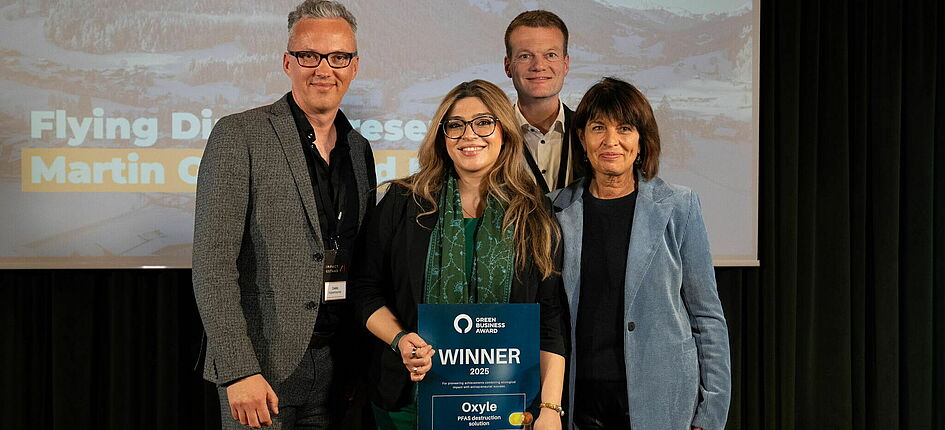
(from left to right) Cédric Habermacher (Green Business Switzerland), Fajer Mushtaq (Oxyle), Reto Knutti (jury member) and Doris Leuthard (jury chair) celebrate Oxyle's victory at the Green Business Awards 2026. Image: Green Business Switzerland
News
Rapperswil-Jona SG/Richterswil ZH – Researchers and developers at OST – Ostschweizer Fachhochschule and Carrosserie Rusterholz from Richterswil have produced a rescue ladder made of carbon. The new ladder makes it easier for fire departments and rescue teams to work in the field.
(CONNECT) Researchers at OST - Ostschweizer Fachhochschule and Carrosserie Rusterholz from Richterswil have developed a new ladder made of carbon. The new rescue ladder is easy to handle and reduces deployment times in emergencies, according to a press release.
At present, 150 of these ladders are already in use in 16 cantons. Almost all of Schutz & Rettung Zurich's emergency vehicles are equipped with the new ladder, including those at the airport. In addition to the improved application possibilities, production has also been optimized. Whereas Carrosserie Rusterholz had previously produced 20 rescue ladders per year, a new process enables 200 ladders to be produced in the same period.
The carbon ladder, known as the Carbon Rescue Tool, was further developed for series production by a team led by Gion Barandun from OST together with Carosserie Rusterholz. The ladder weighs only 50 kilograms instead of the previous ladders made of wood or aluminum weighing up to 120 kilograms. "The difference is clearly that it is much lighter. Today, we can set up a ladder with two people if necessary, instead of four to six people as in the past," the deputy commander and trainer of the Rapperswil-Jona fire department, Clot Müller, is quoted as saying in the press release. As well as being quicker to erect, the new ladder also offers major advantages in terms of stability and increased safety.
Series production has been significantly improved with a new milling machine developed by Marcel Jucker at Carrosserie Rusterholz. The series version was then tested by Dominik Stapf, Head of Testing Technology at the Institute of Materials Engineering and Plastics Processing (IWK). ce/ww
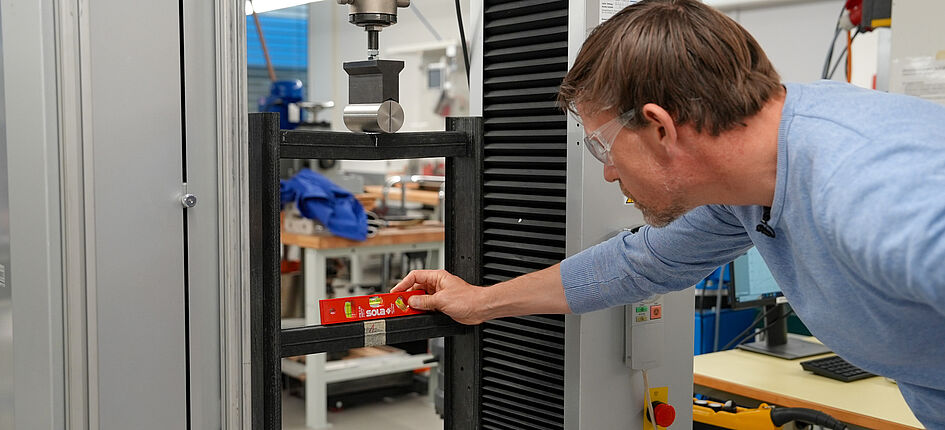
Dominik Stapf (lecturer in mechanical engineering at OST – University of Applied Sciences of Eastern Switzerland) inspects the new carbon ladder. Image: zVg/OST – University of Applied Sciences of Eastern Switzerland
News
Embrach ZH – Kyburz has upgraded its DXCargo electric cargo tricycle and has now received CH type approval for it. The chassis of the DSC 3.0 has been fundamentally redesigned, the drive has been reinforced with a 48-volt system, the electronics have been further developed and the load volume has been increased to 1.3 cubic meters.
(CONNECT) The new and improved electric DXCargo from Kyburz Switzerland AG now has a CH type approval. The DXC 3.0, a further development of version 1.2, is now based on a fundamentally revised chassis, according to a statement from the specialist for electric mobility and transportation solutions for the last mile.
In addition, the three-wheeler with box body for goods to be delivered has a more powerful drive with a 48-volt system, enhanced vehicle electronics and a load volume that has been increased from 1.0 to 1.3 cubic meters. In addition, the permissible trailer load has been increased from 200 to 230 kilograms. The PAH-F trailer from Kyburz is already approved with this trailer load.
As Kyburz goes on to explain, the modifications were clearly noticeable. The more powerful drive accelerates better and is more efficient on inclines. The revised display also offers additional functions, including for easier diagnosis in everyday life. ce/mm

The electric DXCargo from Kyburz Switzerland AG has been upgraded and now has Swiss type approval. Image: zVg/KYBURZ Switzerland AG
News
Schlieren ZH/Livermore – Fixposition from Schlieren is cooperating with Topcon for its next generation of satellite-based positioning systems. The Californian company will equip drones with Fixposition’s visually supported technologies for high-precision positioning.
(CONNECT) Fixposition has announced a collaboration with Topcon Positioning Systems at the Geo Week 2026 trade fair. It will take place in Denver in the US state of Colorado until February 18th, 2026. According to a press release, the Schlieren-based specialist for visual real-time kinematics (RTK) and visually supported positioning will provide the Californian company with its solutions. The technologies of the spin-off from the Swiss Federal Institute of Technology in Zurich, which was founded in 2017, are to be integrated into the high-precision satellite-based positioning systems of the Californian company Topcon.
Topcon provides high-precision GNSS (Global Navigation Satellite System) positioning technologies for geomatics, construction and agriculture applications worldwide, said Ron Oberlander, head of Topcon's Geomatics platform. The integration of Fixposition's visual positioning technologies helps his company to create added value for its customers.
"Fixposition has developed a technology that improves satellite positioning and benefits users even when working indoors and transitioning between indoor and outdoor areas without disrupting workflow by combining RTK GNSS with Artificial Intelligence to ensure positioning accuracy. We see this AI-powered technology as an innovative integration into our next-generation GNSS solutions."
Zhenzhong Su, CEO and co-founder of Fixposition, said: "We are proud to deliver Fixposition's xFusion, vision and multimodal fusion positioning technology to support Topcon's next generation GNSS solutions. We look forward to bringing this new solution to market and helping surveying professionals in geomatics, construction and agriculture achieve faster results and accomplish more without compromising quality, even in environments where GNSS connectivity is difficult." ce/mm

Topcon and Fixposition announce collaboration. Image: Topcon Positioning Systems/Fixposition AG
News
Schlieren ZH/Princeton – InSphero from Schlieren has entered into a partnership with PharmaNest. With the North American digital pathology company, InSphero aims to provide a transferable measure of the effectiveness of anti-fibrotic therapies and thus make animal testing superfluous.
(CONNECT) InSphero, together with the Princeton, New Jersey-based company PharmaNest, aims to predict the therapeutic effects of antifibrotic therapies in humans, according to its announcement. After all, according to the company specialising in the typing of fibrosis, fibrosis is responsible for 45 percent of all deaths.
However, the disease is often overlooked in its early stages because the necessary tools to detect changes, manage treatment and develop new therapies are lacking in this area. PharmaNest has developed FibroNest, the first image analysis platform that decodes the architecture of fibrosis and converts microscopic structures into usable biomarkers for drug development and clinical insights.
By combining PharmaNest's FibroNest digital pathology platform with InSphero's 3D spheroid models, both aim to create and provide a transferable metric for fibrotic changes and thus for antifibrotic therapies. This integration will enable precise phenotyping of fibrosis severity and remodeling in liver fibrosis associated with metabolic dysfunction-associated steatohepatitis (MASH) and other fibrotic 3D in vitro models. InSphero specialises in such spheroids: These three-dimensional, spherical cell aggregates imitate tissue and microtumors in vitro, which makes them ideal for drug screening and cancer research.
"This partnership agreement is the realisation of our previous joint efforts to achieve the necessary integration of AI applications for liver spheroids that will bring benefits to users," Dr. Francisco Verdeguer, InSphero's Vice President of Liver Diseases, is quoted as saying in the press release. This strategic move will reportedly enable InSphero to better serve pharmaceutical, biotechnology and scientific customers looking to replace animal testing with scalable, human-relevant models.
InSphero is a spin-off of the University of Zurich and the Swiss Federal Institute of Technology Zurich and is based in the Bio-Technopark Schlieren-Zurich.ce/mm
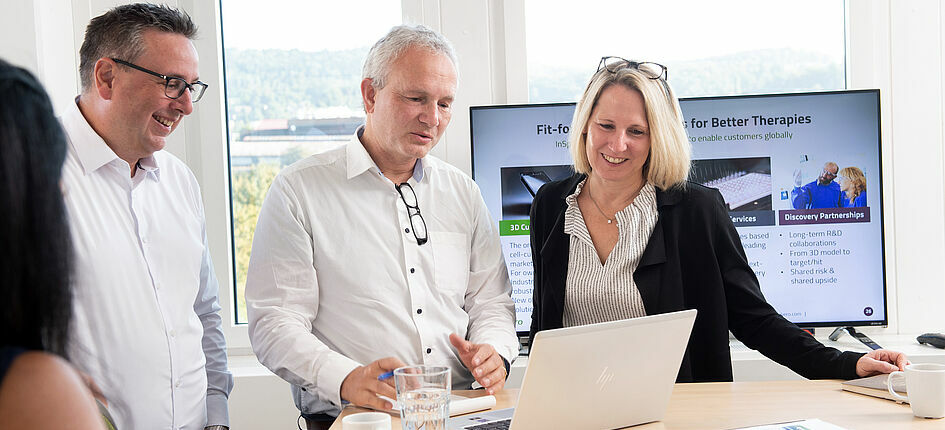
(from left to right) Dr Jan Lichtenberg (CEO and co-founder), Dr Wolfgang Moritz (head of external collaborations, co-founder) and Dr Frauke Greve (senior product manager) want to work with PharmaNest to predict the therapeutic effects of anti-fibrotic therapies in humans. Image: zVg/InSphero AG
News
Zurich – The Grisons cross-country skier Dario Cologna is the new investor and brand ambassador for KA-EX. The four-time winner of Olympic gold, world championships and the Tour de Ski is thus banking on the further international scaling of the Zurich-based company’s cortisol-reducing sports regeneration drink.
(CONNECT) The Zurich-based company ph. AG has won Dario Cologna as an investor and brand ambassador for KA-EX. "Dario not only contributes capital, but also his experience from top-class sport, with a clear focus on energy, regeneration and sustainable performance," says a statement from the company.
Cologna thus joins former cyclist Fabian Cancellara, the professional cycling team Tudor Pro Cycling and ski racer Lara Gut-Behrami. She has also won a gold medal at the Olympic Games and was world champion. They are now all part of the team that represents the KA-EX brand to the outside world.
KA-EX was founded in 2016 by Pedro Schmidt with the idea of improving inadequate regeneration, which is caused by stress-related increases in cortisol, among other things. Prior to this, the graduate of the Swiss Federal Institute of Technology in Zurich had spent five years researching a now patented combination of active ingredients that has been proven to improve regeneration and sleep quality. This established itself particularly in competitive and professional sport.
According to the information provided, KA-EX has become one of the best-selling food supplements in Switzerland and is sold by Coop, Migros, Denner, Spar and numerous fitness studios. According to the company, turnover tripled year-on-year in 2025. According to ph., the current annualized turnover is around 7.5 million dollars.
Following the successful market launch in the USA at the end of 2022, KA-EX is now aiming for further scaling there. To this end, a pre-series B swarm financing round is starting these days on the Swiss platform Conda. The subsequent Series B financing round is planned as the final equity round. From 2027, further growth is to be financed primarily from operating cash flow. ce/mm

Dario Cologna becomes an investor and brand ambassador for KA-EX and supports the brand's international expansion. Image: Nicholas Iliano/ph. AG
News
Zurich – The financial services providers LatticeFlow and Unique have jointly developed a technical tool for monitoring systems supported by artificial intelligence for banks. The draft complies with the requirements of the Swiss Financial Market Supervisory Authority (FINMA).
(CONNECT) The Zurich-based financial services providers LatticeFlow AG (LatticeFlow AI) and Unique AG (Unique AI) have developed a joint concept for the implementation and evaluation of banking systems supported by artificial intelligence (AI). According to a press release, the draft complies with the guidelines of the Swiss Financial Market Supervisory Authority (FINMA).
The draft translates the FINMA principles into concrete technical assessments. LatticeFlow's Investment Insights Agent, which was developed by Unique AI, was used for this purpose. With its measurable controls, the draft shows how banks can move from guidelines and abstract principles to auditable evidence.
"Trust in AI comes from concrete evidence, not abstract guidelines. By linking FINMA's guidelines and principles with sound technical assessments, we provide banks with the data they need to make informed decisions and accelerate AI adoption safely and responsibly," Petar Tsankov, CEO and co-founder of LatticeFlow, a spin-off from the Swiss Federal Institute of Technology in Zurich (ETH), is quoted as saying in the press release. Sina Wulfmeyer, Chief Data Officer at Unique AI, sees the new draft as a "commitment to the development of an AI that meets the requirements of the strictly regulated Swiss financial sector and can be used in practice without hesitation". ce/ww
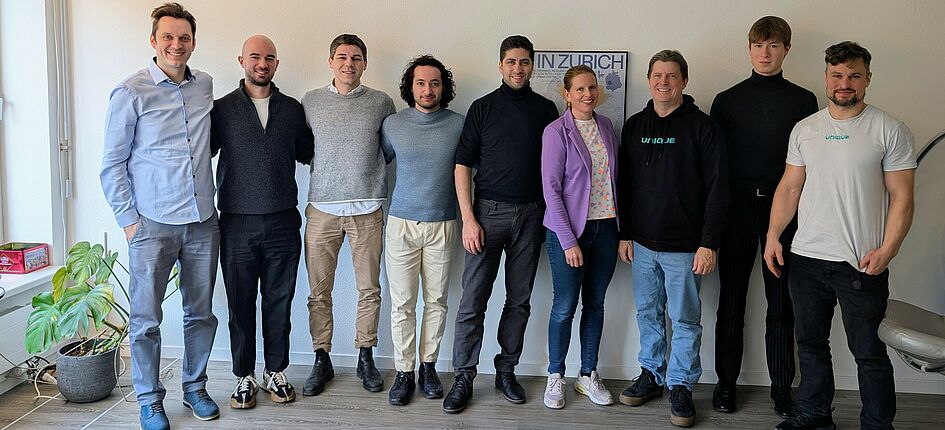
The teams at LatticeFlow AG and Unique AG have developed a joint concept for implementing and evaluating banking systems supported by artificial intelligence. Image: zVg/LatticeFlow AG
News
Zurich – The Zurich-based Porters Group can further develop its back-office software for financial services with seed capital of 2.7 million euros. With the help of artificial intelligence, it should enable real scaling without increasing the number of staff.
(CONNECT) Porters has closed a pre-seed financing round with 2.7 million euros. Founded in 2025, the start-up develops software that uses artificial intelligence (AI) to help banking teams manage regulated and time-critical workflows more efficiently. According to a press release, Porters' platform makes it easier for fintechs and banks to execute compliant banking transactions on a large scale by offering end-to-end banking services powered by artificial intelligence. At the launch, Porter's platform will offer, among other things, the processing of account freezes, insolvency management and the processing of requests for information.
"Our focus is simple," Porters said in the release: "Speed + accuracy + enriching the compliance context to enable internal teams to move from manual case handling to exception handling and impactful tasks, while reducing the risk of losses and fines."
In an article by Tech.eu, to which the company refers, Porters co-founder Konstantin Kotulla states that many banking transactions are still processed manually despite many years of digitization efforts. "We are solving this problem by developing an AI-based service that not only automates tasks, but also enables real scaling without the need for additional personnel," says Kotulla. "This will maintain the robustness and compliance required by banking institutions. This funding accelerates our mission to redefine financial services operations for the AI era." ce/mm
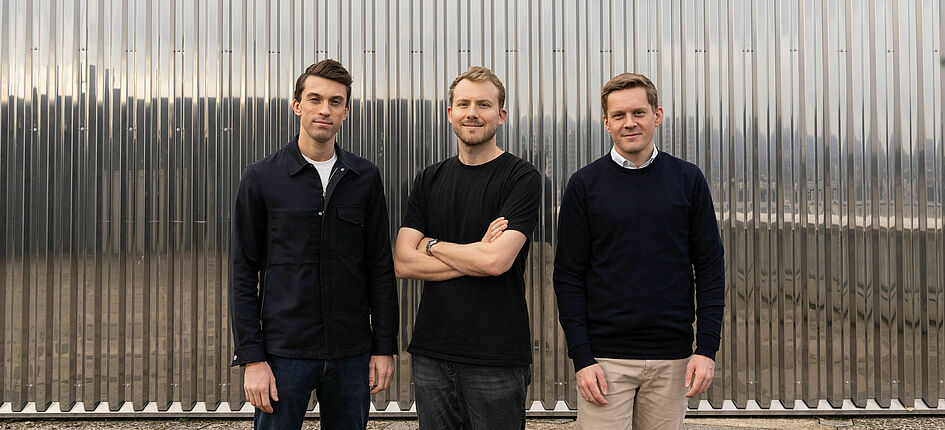
(from left to right) Co-founders Christopher Barth, Konstantin Kotulla, and Michael John have completed a pre-seed financing round with Porters worth €2.7 million. Image: zVg/Porters Group AG
News
Zurich/Doha – Xaidi has signed a cooperation agreement with Hamad Bin Khalifa University (HBKU) in Qatar. The healthcare provider wants to support Qatari doctors in the treatment of autism.
(CONNECT) Xaidi, based in Zurich, has signed a cooperation agreement with Doha-based Hamad Bin Khalifa University(HBKU). According to a press release, the healthcare provider wants to support Qatari doctors in the treatment of autism. The agreement was signed at the Web Summit Qatar 2026 in Doha by Dr. Mounir Hamdi, Dean of HBKU's College of Science and Engineering (CSE), and Dr. Peter Owotoki, co-founder of Xaidi Ltd.
Xaidi was founded jointly by parents of autistic children in Nairobi and young autistic adults in Zurich. The company was founded as part of the Artificial Intelligence for Health program initiated by Google. With the new agreement, Xaidi, which also has a head office in Doha, intends to expand its presence in Qatar. In particular, the company's expertise in digital healthcare will be put to good use.
"Xaidi is an example of a human-centered approach to innovation that is accessible to all," Peter Owotoki is quoted as saying in the press release. "We are delighted to be working together to translate sound research findings into practical digital tools that support neurodiverse people and their families, while contributing to Qatar's long-term national health goals." ce/ww
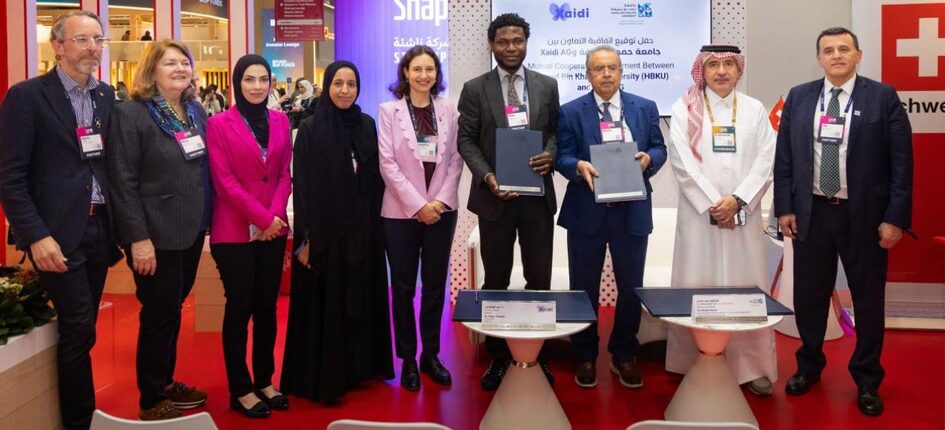
Xaidi has signed a cooperation agreement with Hamad Bin Khalifa University (HBKU) in Doha. Image: zVg/Xaidi AG
News
Zurich/St.Gallen – For a project of Innovation Zurich’s Innovation Sandbox for Artificial Intelligence (AI), Schweizerische Südostbahn and irmos technologies used sensors to collect information about an old bridge. It shows that data-based monitoring of infrastructure has great potential.
(CONNECT) Innovation Zurich has published the new report of its Innovation Sandbox for AI. Under the title "Sensor-based bridge monitoring - data collection and forecasting for infrastructure maintenance", Innovation Zurich, the joint initiative of the Division of Business and Economic Development of the Canton of Zurich, Greater Zurich Area and Switzerland Innovation Park Zurich, investigated what data-based monitoring of infrastructure buildings can achieve in terms of risk assessment and modernization strategies. According to the report, data-based monitoring approaches are not yet an integral part of the established standards-based condition assessment, which is usually extremely conservative.
In a pilot project, Schweizerische Südostbahn from St.Gallen and irmos technologies AG, based in Technopark Zurich, examined the Reidholz bridge on the Wädenswil-Einsiedeln line as an example. It was built in 1910 and rebuilt in 1953. The railroad company wanted to clarify whether an extension of use from ten to 20 years would be technically possible and economically viable. It also examined whether the methodology could be applied to comparable bridges in the portfolio.
Using easy-to-install sensors from irmos technologies, which are specially tailored to the requirements of bridge monitoring, the research partners collected data from real operations in a test phase lasting several months. In addition, cameras were used to document train types, speeds and train compositions and to validate the modeled traffic loads.
The results show that even short measurement periods enable robust statements to be made about fatigue and stiffness and make it easier to weigh up between extending the service life and replacing the structure. This is because "based on sensor data, the system helps infrastructure operators to identify risks at an early stage and plan maintenance measures in a targeted manner," summarizes irmos founder and CEO Dr. Panagiotis Martakis.
The report concludes that it is crucial that data collection is not an end in itself and that data-based methods solve a specific operational problem, such as the question: How long does the bridge actually last compared to standard-based estimates? The method offers the greatest added value when it goes beyond individual cases: monitoring entire bridge portfolios enables comparisons, prioritization and long-term investment strategies. To achieve this, the infrastructure operators need to build up their expertise. ce/mm

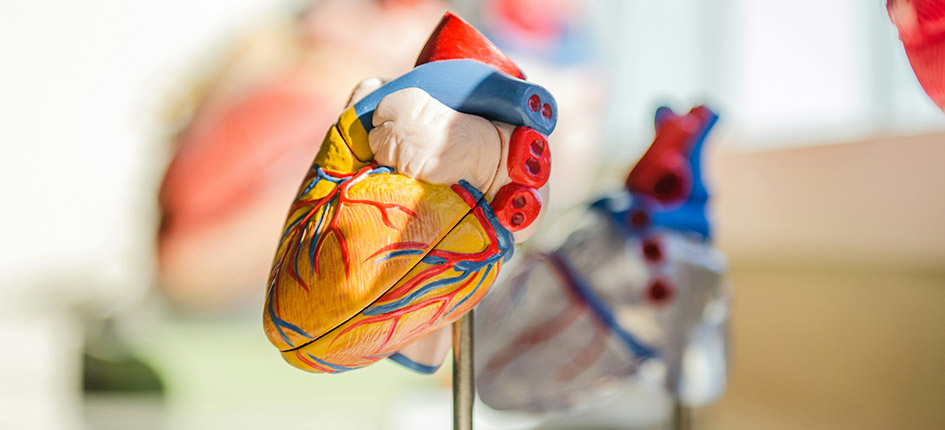
Innovation Zurich has published the new report from its AI Innovation Sandbox. Symbolic image: Tara Winstead/Pexels
News
Schlieren ZH/Melbourne – The Australian biotech company CSL is paying Memo Therapeutics from Schlieren up to CHF 265 million for the development and distribution of a first drug. The basis for this cooperation and option agreement is Memo’s proprietary Dropzylla technology.
(CONNECT) Memo Therapeutics and CSL have entered into a research collaboration. According to a press release, this strategic collaboration also includes an exclusive option and license agreement for Memo's recombinant polyclonal IgG (recombinant polyclonal human immunoglobulin) technology. It comprises the financing of research and development work by Memo, access to its technologies and, if the option is exercised, a license fee and milestone payments for development and distribution. In total, CSL's payments to Memo could amount to up to CHF 265 million for the first product, plus a license fee in the single-digit million range.
Memo describes its core competencies as being based on its proprietary Dropzylla technology, a discovery platform for copying antibody repertoires with high-throughput screening capabilities. By retrieving and expressing antibody genes from millions of B cells at single cell resolution and maintaining heavy and light chain pairing, Dropzylla also enables the development and production of recombinant polyclonal IgG.
"IgG immunotherapies are used to treat a variety of diseases, including congenital or acquired immunodeficiencies and autoimmune diseases," Memo CEO Erik van den Berg is quoted as saying. "This collaboration with CSL is further validation of our proprietary Dropzylla technology platform and our shared goal of driving innovative IgG solutions."
Memo Therapeutics is a spin-off of the Swiss Federal Institute of Technology in Zurich and is based in the Bio-Technopark Schlieren-Zurich. ce/mm
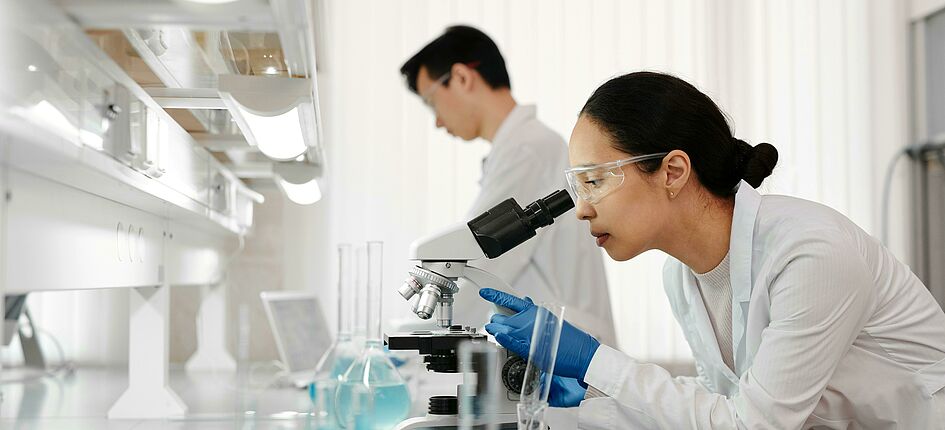
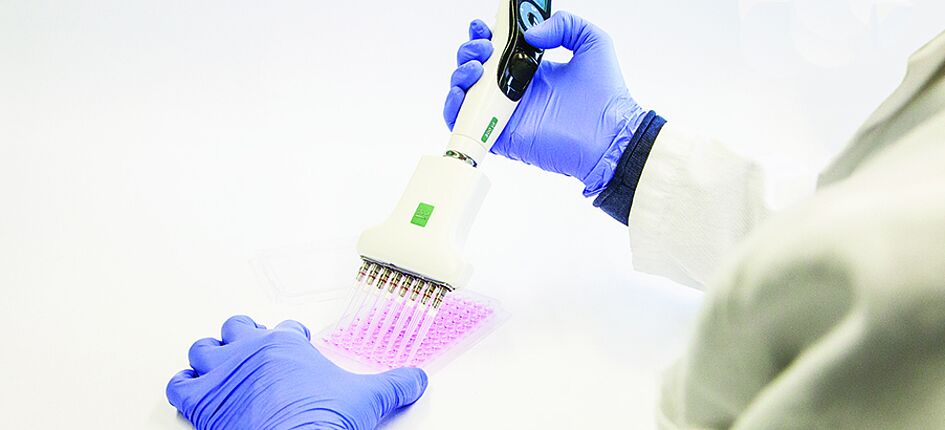
The biotech companies Memo Therapeutics and CSL have entered into a research collaboration. Symbolic image: Edward Jenner/Pexels
You need to load content from reCAPTCHA to submit the form. Please note that doing so will share data with third-party providers.
More InformationYou are currently viewing a placeholder content from Turnstile. To access the actual content, click the button below. Please note that doing so will share data with third-party providers.
More InformationYou are currently viewing a placeholder content from Vimeo. To access the actual content, click the button below. Please note that doing so will share data with third-party providers.
More InformationYou are currently viewing a placeholder content from YouTube. To access the actual content, click the button below. Please note that doing so will share data with third-party providers.
More InformationYou need to load content from reCAPTCHA to submit the form. Please note that doing so will share data with third-party providers.
More Information