News
Schlieren ZH – InSphero has received the Supplier Performance Recognition Award from Scientist.com for the third time in a row. This recognition of InSphero’s qualities as a drug testing supplier is based on performance metrics from its on-demand three-dimensional microtissue platform.
(CONNECT) InSphero can boast the Supplier Performance Recognition Award for the third year in a row, according to its press release. The award is presented by the Californian company Scientist.com, which describes itself as the largest life science marketplace in the world.
As the Schlieren-based manufacturer and marketer of 3D microtissues for drug testing writes, this recognition "unlike typical award programmes, is based solely on platform performance metrics that reflect the actual activities and results of global research and development teams".
Indicators such as response rate, order processing, customer satisfaction and scope of services were the decisive factors. "Overall," says InSphero, "this indicates a clear trend: Advanced in-vitro models are not only being evaluated, they are also being used."
InSphero was founded in 2009 as a spin-off of the University of Zurich and the Swiss Federal Institute of Technology Zurich and is based in the Bio-Technopark Schlieren-Zurich. ce/mm
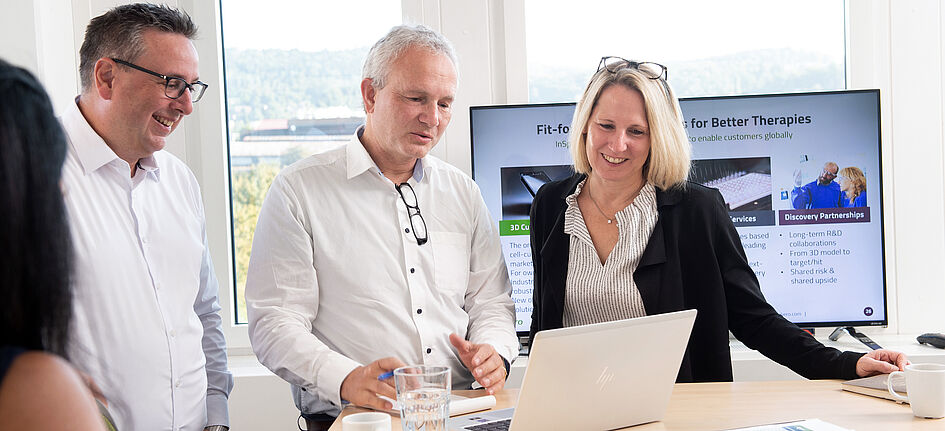
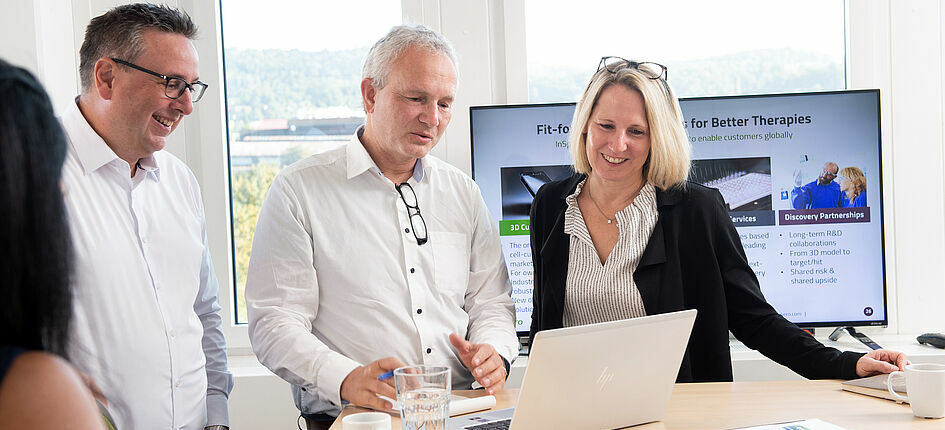
(from left to right) Dr Jan Lichtenberg (CEO and Co-Founder), Dr Wolfgang Moritz (Head of External Collaborations, Co-founder) and Dr Frauke Greve (Senior Product Manager) have received the Supplier Performance Recognition Award from Scientist.com for the third time in a row with InSphero. Image: zVg/InSphero AG
News
Zurich – Researchers at the University of Zurich are investigating the risks of developing Alzheimer’s dementia. In their study, they found that gender-dependent personal factors are partly responsible for developing Alzheimer’s disease.
(CONNECT) Researchers from the Institute of Regenerative Medicine at the University of Zurich (UZH) have investigated the risks of developing Alzheimer's dementia in a long-term study. They found that the probability of developing the disease is both gender-dependent and correlated with personal factors, according to a statement from UZH.
In the study, test subjects between the ages of 50 and 89 were observed over a period of time. It turned out that disease-related factors affected women and men differently. In addition to organic causes such as the deposition of harmful proteins such as beta-amyloid in the cerebral vessels, many socio-economic and other external factors have an impact on the onset and progression of the disease. For example, plenty of exercise, lively social contacts, a varied, healthy diet, mentally stimulating hobbies, education and a high socio-economic status can reduce the risk of dementia. "Ultimately, a combination of many individual factors always determines whether you develop Alzheimer's or not," Anton Gietl, geriatric psychiatrist at UZH, is quoted as saying in the press release.
For early detection of the disease, determining the immune cells responsible can explain the extent to which amyloid deposits are present in the brain. The study also identified two blood markers that indicate a higher risk of cognitive changes. According to research leader Valerie Treyer, early detection accompanied by such examinations could enable effective prevention of the disease. "However, if the disease is already present," says Treyer, "it can usually only be delayed with existing therapies, but not reversed." ce/ww
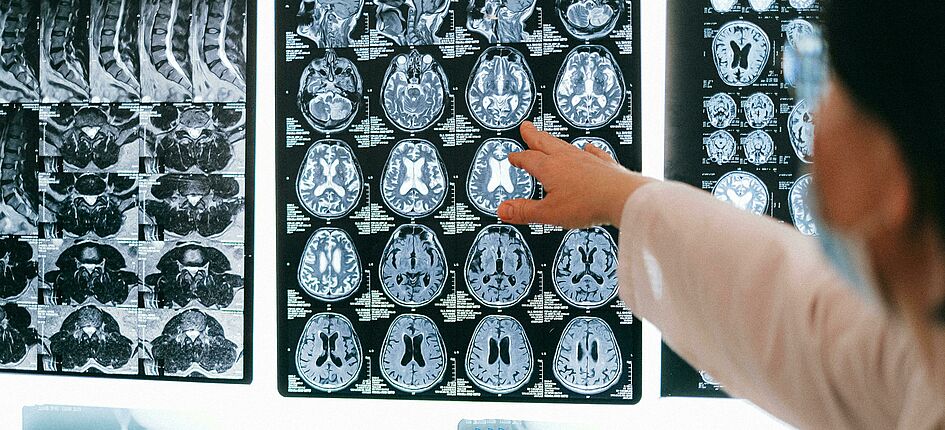
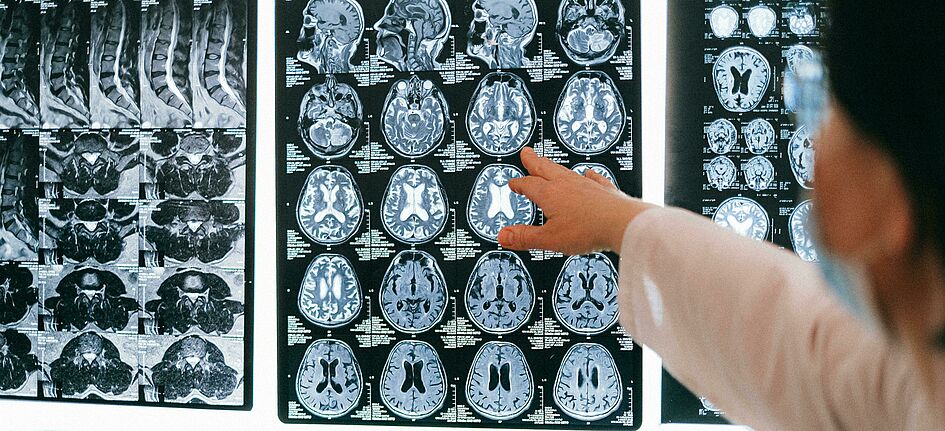
Researchers at the Institute for Regenerative Medicine at the University of Zurich (UZH) have conducted a long-term study to investigate the risks of developing Alzheimer's dementia. Symbolic image: Anna Shvets/Pexels
News
Schlieren ZH – Kuros Biosciences has achieved several important milestones in the USA and the EU. The company, which specializes in bone healing and tissue regeneration, is now also informing investors about this at two conferences, the Octavian Seminar in Davos and the Baader Helvea Swiss Equities Conference in Bad Ragaz.
(CONNECT) Kuros Biosciences has announced the achievement of a number of milestones. The Schlieren-based company, which specializes in bone healing and tissue regeneration, will now be presenting these to investors at two events, on 15 January at the Octavian Seminar in Davos and on 16 January at the Baader Helvea Swiss Equities Conference 2026 in Bad Ragaz SG.
As the company has now announced, it received certification for its bone replacement products MagnetOs Granules and MagnetOs Putty in accordance with the European Medical Device Regulation (MDR) on December 22, 2025. With certification by one of the world's strictest regulatory frameworks for medical devices, Kuros has secured market access in the EU.
In addition, Kuros reports that all five formulations of MagnetOs in the US have recently received approval from several large Integrated Delivery Networks. Such system-level approvals "reduce barriers to entry and position MagnetOs for broader adoption in major U.S. health systems," Chief Business Officer John Griffin is quoted as saying.
Kuros also mentions a preclinical study recently published in "Clinical Spine Surgery" on the use of MagnetOs Flex Matrix for lumbar spine fusion in sheep. According to the results, after twelve weeks the histology showed 100 percent fusion with MagnetOs compared to 33 percent with a common synthetic product.
"These milestones reflect the strength and consistency of our strategy to build sustained access through key approvals in U.S. healthcare systems, obtain one of the world's most rigorous regulatory certifications, and continue to expand the differentiated evidence portfolio for MagnetOs," said Kuros CEO Chris Fair. "Together, these achievements strengthen our position as an evidence-based biotech company and support the continued global roll-out of MagnetOs and our long-term growth objectives." In October, Kuros announced sales growth of 70 percent for 2025.
Kuros Biosciences AG was founded in 1985 as a spin-off of the University of Zurich and the Swiss Federal Institute of Technology Zurich and is based in the Bio-Technopark Schlieren-Zurich. ce/mm
Kuros Biosciences has announced the achievement of a series of milestones. Symbolic image: fernandozhiminaicela/Pixabay
News
Zurich/Winterthur – Researchers are working on the development of computer-based assistive technologies for people with disabilities. Automated speech processing enabled by artificial intelligence is intended to give people with visual, hearing or cognitive disabilities better access to information.
(CONNECT) Researchers at the Institute of Computational Linguistics at the University of Zurich (UZH) are working on the development of computer-based assistive technologies for people with disabilities. According to a press release, the flagship project led by Sarah Ebling involves UZH, the Zurich University of Applied Sciences (ZHAW) based in Winterthur and the Zurich University of Applied Sciences for Special Needs Education as educational institutions. Practical partners include the Swiss Broadcasting Corporation (SRG), various federal offices, the Swiss Federation of the Deaf and Zurich Insurance. The project, which began in 2022, is funded by the Swiss Innovation Agency (Innosuisse) and is endowed with CHF 12 million over a period of four years.
The aim of the research work is to improve computer-aided technologies in order to make information and services more accessible to people with disabilities. For example, visually and hearing impaired people will be offered information on television with audio-visual assistance created by artificial intelligence. "The collaboration between research and industry was sometimes very challenging. It was necessary to balance the different expectations with foresight," Sarah Ebling is quoted as saying in the press release.
The results will be presented to the public on January 20. The project is scheduled for completion at the end of April 2026. The technologies developed will then be further developed by implementation partners from industry. According to Sarah Ebling, more events at UZH should also be interpreted into sign language in order to promote the inclusion of people with disabilities in the education sector. ce/ww
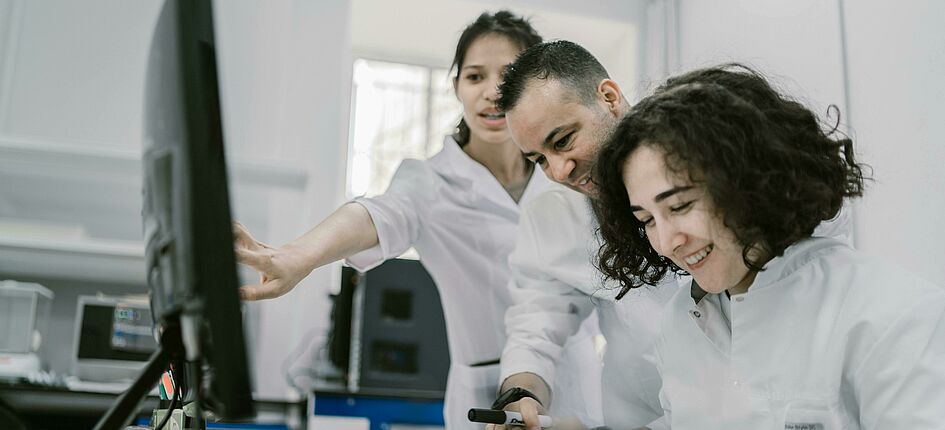
Researchers at the Institute of Computational Linguistics at the University of Zurich (UZH) are working on the development of computer-based assistive technologies for people with disabilities. Symbolic image: Mikhail Nilov/Pexels
News
Schlieren ZH/Evanston – In a qualitative study, Memo Therapeutics shows the impact of the BK virus on the quality of life of kidney transplant recipients. The resulting improved understanding should also represent a decisive step towards improving treatment outcomes.
(CONNECT) The biotech company Memo Therapeutics has collaborated with Northwestern University in Evanston, Illinois, to conduct a study on the impact of BK viruses on the quality of life of kidney transplant patients. According to a press release, the experiences of twelve affected people were recorded. This qualitative study was published in the "Journal of Patient-Reported Outcomes".
The study looked at physical and other life impairments, emotional stress and patients' interactions with the healthcare system. The aim was to improve patient care and information prior to surgery. In addition to better disease management, the study should also lead to better socio-psychological support.
"Understanding the impact of the BK polyomavirus on the daily lives of kidney transplant patients helps us identify areas where we can better support patients during their treatment," Courtney Hurt, senior project manager at Northwestern University's Feinberg School of Medicine, is quoted as saying in the press release. "This conceptual model forms the basis for the development of patient-reported outcome measures that truly reflect what is important to kidney transplant patients." CMO Jürgen Beck is convinced that the study is "a decisive step towards improving treatment results and quality of life".
The drug potravitug developed by Memo Therapeutics was designated an orphan drug by the EU in December 2025 for the treatment of rare diseases. Potravitug had already been granted fast-track status by the US Food and Drug Administration (FDA) in 2023. The drug, a human monoclonal antibody, is aimed at combating the BK polyomavirus, particularly in kidney transplant patients.
Memo Therapeutics is a spin-off of the Swiss Federal Institute of Technology in Zurich and is based in the Bio-Technopark Schlieren-Zurich. ce/ww
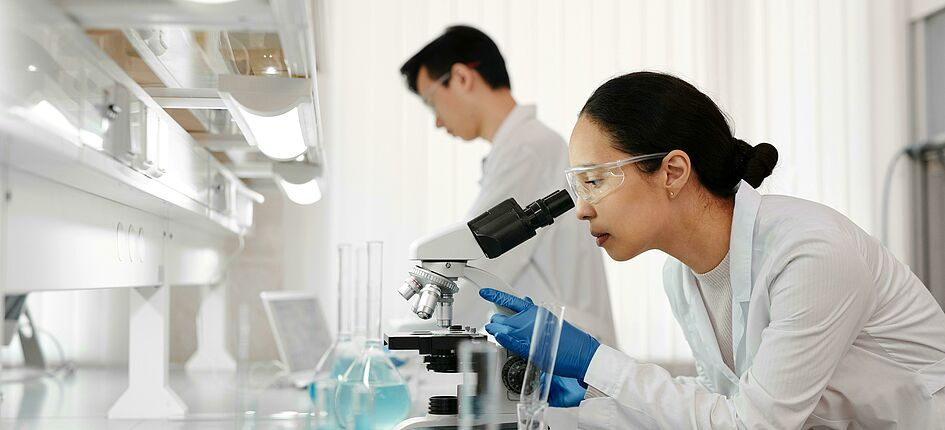
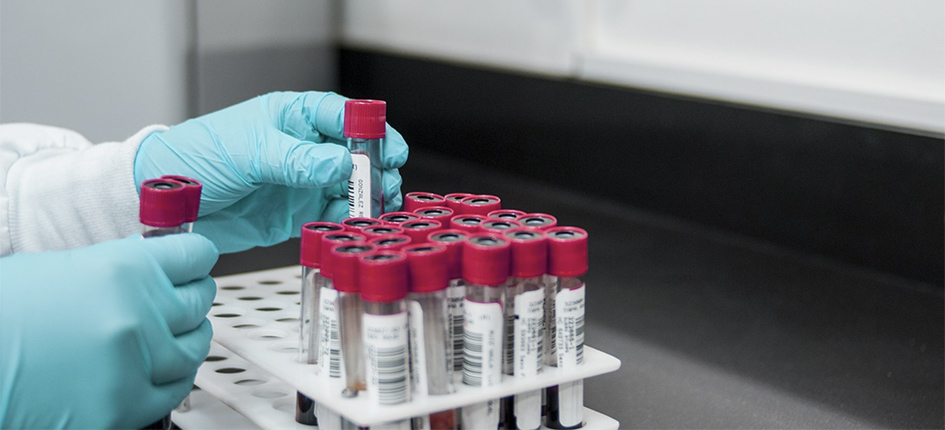
Biotech company Memo Therapeutics demonstrates the impact of BK virus on the quality of life of kidney transplant recipients in a study. Symbolic image: Edward Jenner/Pexels
News
Schlieren ZH – Virometix will continue the development of its vaccine candidate for the prevention of pneumococcal disease. The company, led by CEO Anna Sumeray, reports robust immune responses to all three target antigens and an excellent safety profile after Phase I clinical trials.
(CONNECT) Virometix has announced positive data from its Phase I study of V-212. This is a fully synthetic and serotype-independent vaccine candidate for the prevention of pneumococcal disease, which is currently in the clinical phase.
According to Virometix, the main results announced for the first quarter of 2026 now demonstrate an excellent safety profile and robust immune responses to all three target antigens of the vaccine. Therefore, the biotech company is encouraged to continue the development of V-212, both as a single vaccine and in combination with approved pneumococcal conjugate vaccines (PCVs).
Given the urgent need for such a vaccine, CEO Anna Sumeray says she is "very pleased to announce positive results confirming the superior safety profile and immunogenicity of V-212". The data also demonstrated the effective use of synthetic virus-like particles (SVLPs) for the development of self-adjuvanted broad-spectrum vaccines, which are also easy to scale up. According to Sumeray, Virometix is convinced that V-212 has the potential to close the gaps in existing PCV coverage.
Virometix was founded in 2009 as a spin-off of the University of Zurich and is a member of the Bio-Technopark Schlieren-Zurich. The privately held company is developing a new generation of fully synthetic vaccines to trigger targeted and protective immune responses against infectious diseases and cancer. ce/mm
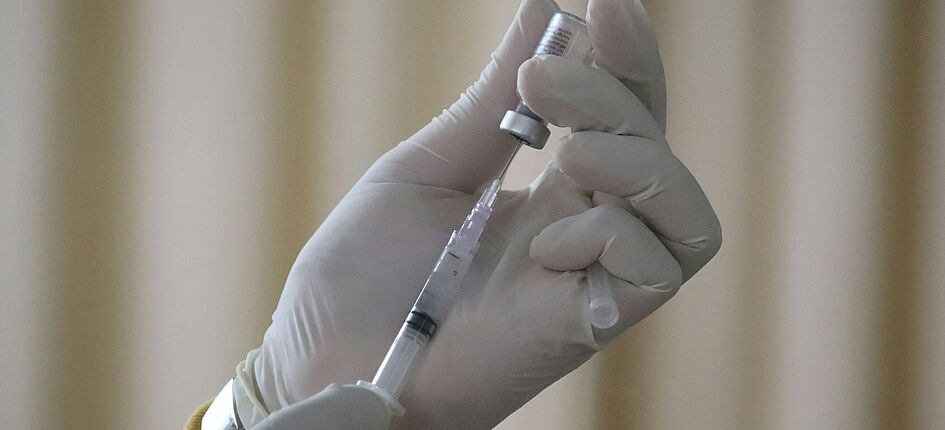
Virometix has announced positive data from its Phase I trial of V-212. Symbolic image: Mufid Majnun/Unsplash
News
Zurich – Siemens has already received over 1,000 bookings for its StudyHub in Zurich for January 2026. This year, the company increased the number of free study spaces for individuals and group rooms. The HR team now offers career sessions once a week.
(CONNECT) According to a company press release, over 1,000 students have already secured a place to study at Siemens ' Zurich StudyHub in January 2026. There, students can concentrate on their preparations at individual study stations and in group rooms during the intensive examination phase, including WLAN, coffee and other drinks and snacks. All services are provided by Siemens, while catering is donated by the Valora Group.
According to a company statement, this is Siemens' response to the high demand for additional learning opportunities in the Zurich region. During exam periods, long queues formed outside Zurich's universities and libraries.
The study spaces can be booked online. The individual places are fully booked. There is capacity for group rooms. These can be booked in the morning or afternoon for a minimum of five and a maximum of ten people.
In this second year of the Study Hub, Siemens is making an additional offer: its HR team holds a so-called Career Session once a week. Siemens employees from the Human Resources department will be on hand to give tips on CVs and to answer questions and provide information on career opportunities. ce/mm
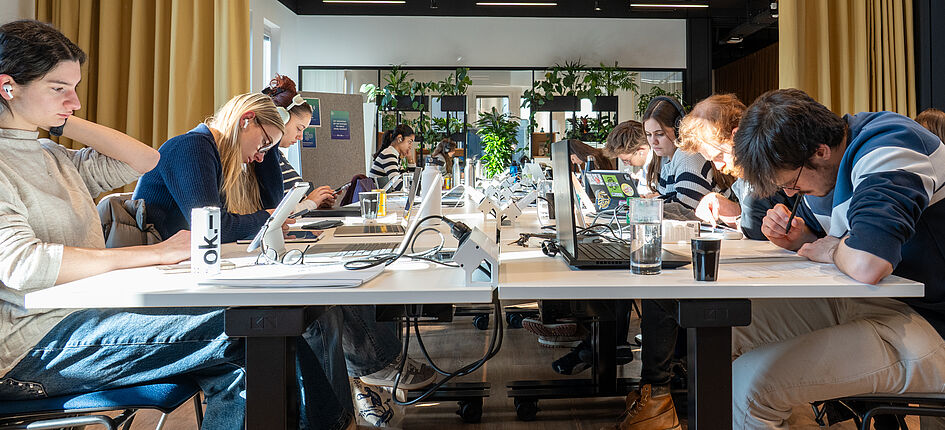
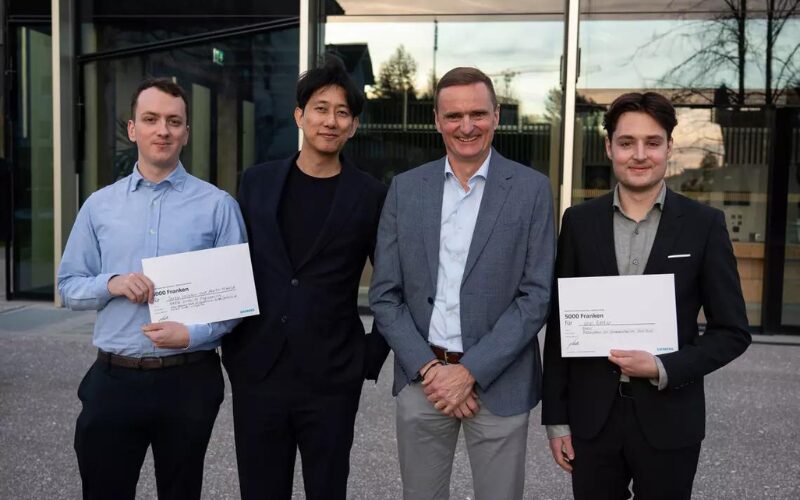
Over 1,000 students have already secured a study place at Siemens' StudyHub in Zurich for January 2026. Image: Siemens Switzerland Ltd.
News
Zurich/Medellín – Herencia Solutios AG is planning to build a village in Colombia where dementia research, medical care and social programmes will be integrated. The new spin-off of the Swiss Federal Institute of Technology in Zurich (ETH) wants to scale up the concept worldwide.
(CONNECT) The two neuroscientists Caroline Lustenberger and Rafael Polanía are developing early detection diagnostics for Alzheimer's dementia in their ETH spin-off Herencia. "To diagnose Alzheimer's, we record the movements of the pupils under specific conditions, because they are our window to the brain," Lustenberger is quoted as saying in an ETH report. In future, the eye-tracking device is to be replaced by the smartphone. This should allow an early and globally scalable assessment of Alzheimer's risk.
So far, you can only see the damage when it's too late, says Lustenberger. This is one of the reasons why previous clinical studies by pharmaceutical companies on Alzheimer's therapies have been negative. "We want to intervene long before the first damage is visible."
The two Herencia founders are working with the neuroscience group at the University of Antioquia in the Colombian capital Medellín in the search for possible therapies to combat this dementia, which is becoming increasingly widespread worldwide. The group has been conducting research for years in a village where people develop dementia at an early age due to a particular genetic predisposition. Group leader Francisco Lopera discovered three gene variants in the genetic material of a woman who died healthy at the age of 77 despite a genetic predisposition to Alzheimer's. These variants protect against dementia. To this end, he worked together with researchers from Harvard University. These findings are now being used to develop gene therapies.
The group and Herencia developed the Villa Aliria project village concept to bring together research, diagnostics, therapy and care in a holistic way. The University of Antioquia is providing the land near Medellín for this purpose. "We are now close to translating the findings from the Alzheimer's cohort in Medellín into a globally scalable model," says Lustenberger. Strong partners are now being sought for this. ce/mm
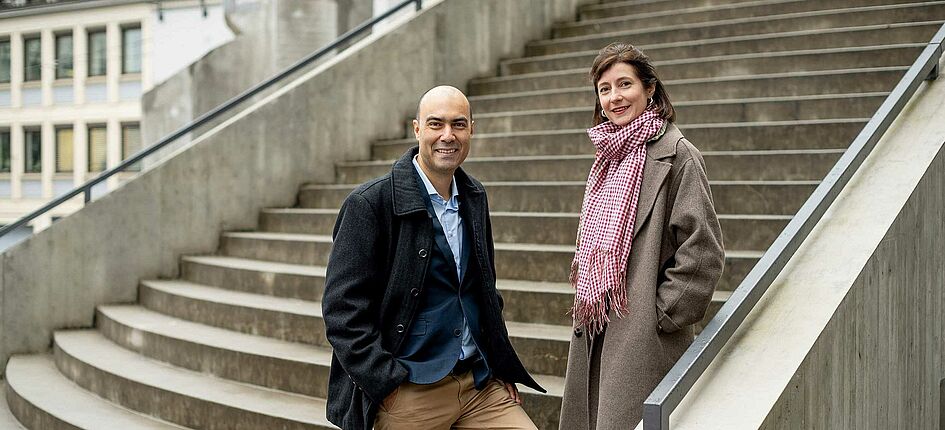
Rafael Polanía and Caroline Lustenberger want to establish an entire network dedicated to Alzheimer's disease. Image: Daniel Winkler/ETH Zurich
News
Zurich – The Zurich-based start-up Ahead Health has closed a financing round with seed capital of 6 million dollars. The funds will be used to expand the network of partner clinics. They offer early detection of Ahead Health using MRI, blood analysis and artificial intelligence.
(CONNECT) Ahead Health has received 6 million dollars in an early financing round. The round was led by RTP Global. According to a report by startupticker.ch, Tiny VC, Pareto 20 and prominent entrepreneurs such as Kai Eberhardt from Oviva, Stef van Grieken from Cradle, Thomas Wolf from Hugging Face, Michiel Bakker from the Massachusetts Institute of Technology and Google DeepMind as well as Cody Gakpo, member of the Dutch national football team and Liverpool FC player, also took part.
Ahead is active in preventive healthcare. With its artificial intelligence-based and self-learning platform, MRI and blood tests are analyzed and searched for indicators that may point to diseases and abnormalities. This should lead to cancer, brain diseases, endometriosis and cardiovascular problems being detected earlier than with conventional healthcare services. "Crucially," says the company, "Ahead Health's whole-body magnetic resonance imaging (MRI) scan and blood tests take just 30 minutes, result in a personalized health plan and the entire process is digital and seamless."
Vinsensius Vega, CTO and co-founder of Ahead Health, believes "that proprietary, hard-to-access data is the future of AI. We want to help people build and understand this data set safely and securely - embedded in the local healthcare system they belong to." The aim is for more and more health insurance companies to cover these services, as the Bern KPT already does in some cases.
As a licensed medical practice, the start-up is already working with five clinics in Switzerland and Germany, with a further 25 in Switzerland soon to follow, as well as partner clinics in Germany, Austria and the Netherlands. The fresh capital will also be used to improve the platform, add new test modalities and expand the engineering team. ce/mm
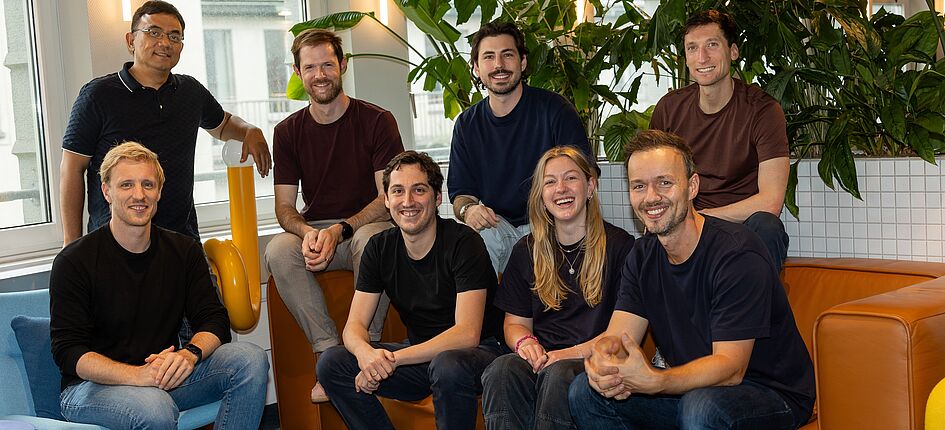
The Ahead Health team has received $6 million in early-stage funding. Image: zVg/Ahead Health AG
News
Winterthur – The KI Power Swiss initiative is expanding its team with six new trainers, thereby extending its regional range of courses. The initiative’s public courses are now also offered in Zurich, Basel, Lucerne, Olten, Solothurn, Schaffhausen and Berne.
(CONNECT) The KI Power Swiss initiative launched in spring 2025 is significantly expanding its offering in German-speaking Switzerland after a successful start. From now on, the initiative's public courses will not only be offered in Winterthur, Aarau and St. Gallen, but also in Zurich, Basel, Lucerne, Olten, Solothurn, Schaffhausen and Bern, according to a press release. Companies and institutions can also take part in private courses at all locations. KI Power has expanded its team to include six new trainers.
The initiative has set itself the goal of making artificial intelligence (AI) understandable, applicable and effective for companies, institutions and private individuals through courses, workshops and project support. The organization now offers a new 12-week program tailored to SMEs. The aim is to train employees in AI and convey an "AI first" mindset.
With the expansion of AI Power, there are also changes in the team. Nando Bosshart, one of the co-founders of the initiative, has decided to no longer participate in KI Power in the future. Patrik Breitenmoser is another of the new additions to the team. The former CTO of jobs.ch is now supporting the initiative in developing resilient solutions for the "secure, scalable use of AI" while systematically building up AI expertise, according to the press release. ce/nta
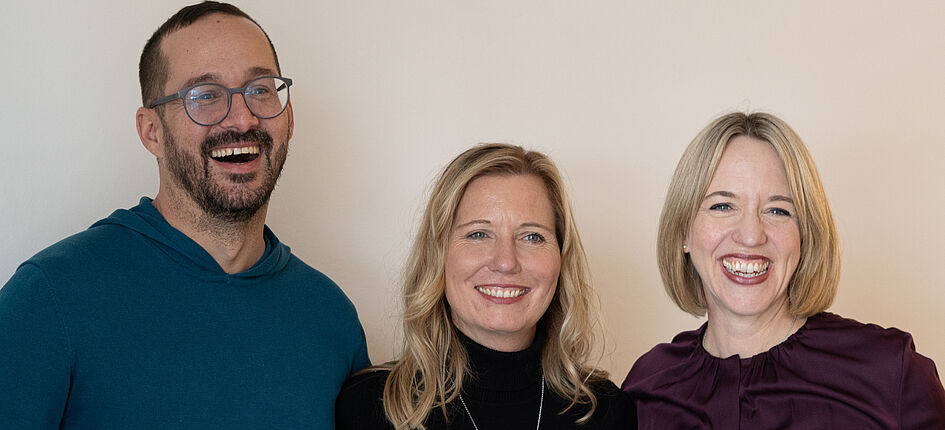
The KI Power Swiss team, comprising Patrik Breitenmoser (left), Manuela Hug (centre) and Antonia Zahner (right), is driving forward the expansion of the initiative with new courses in several cities in German-speaking Switzerland. Image: zVg/KI Power Swiss
News
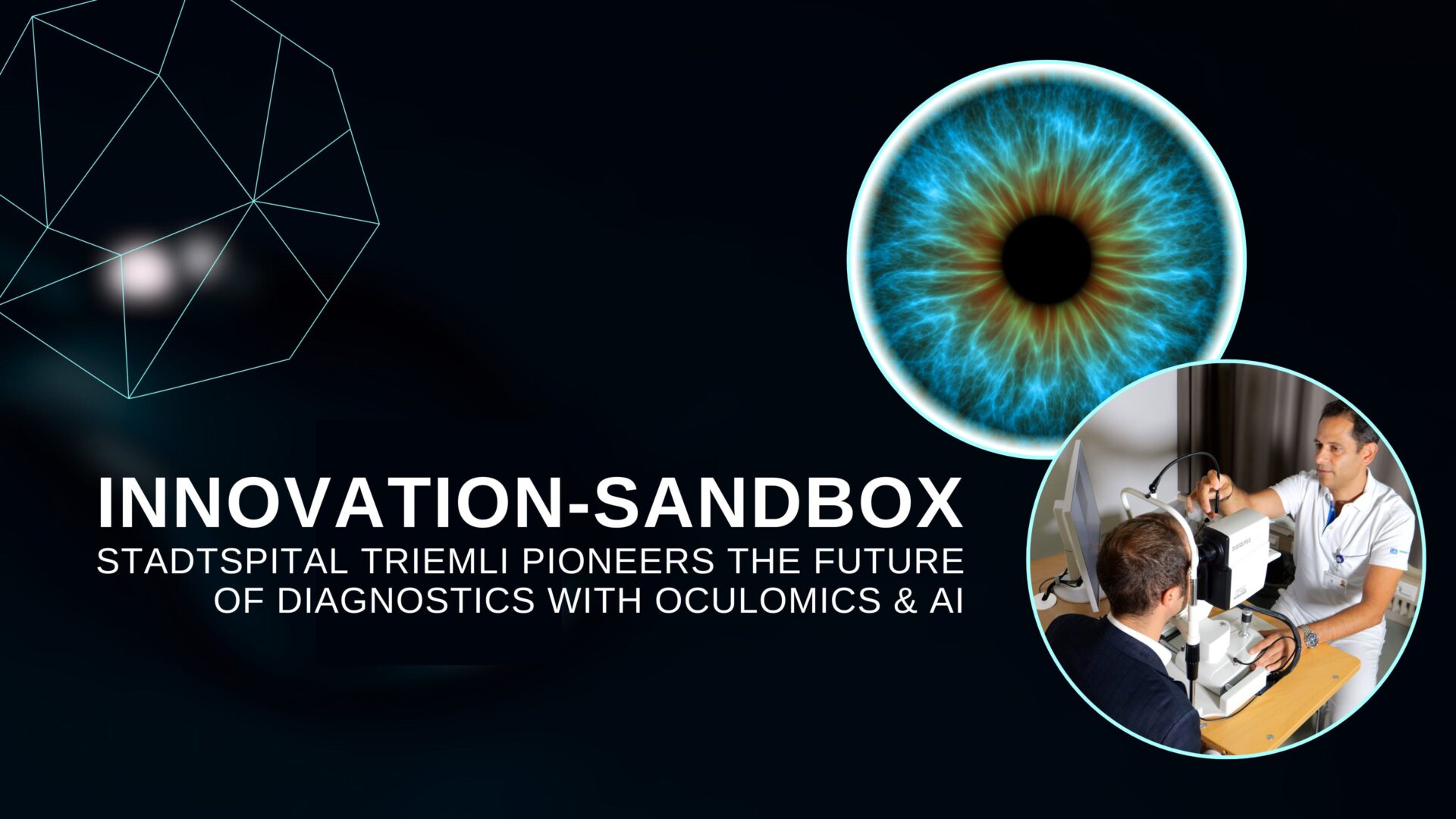
The new report of the Innovation Sandbox for AI is now public!
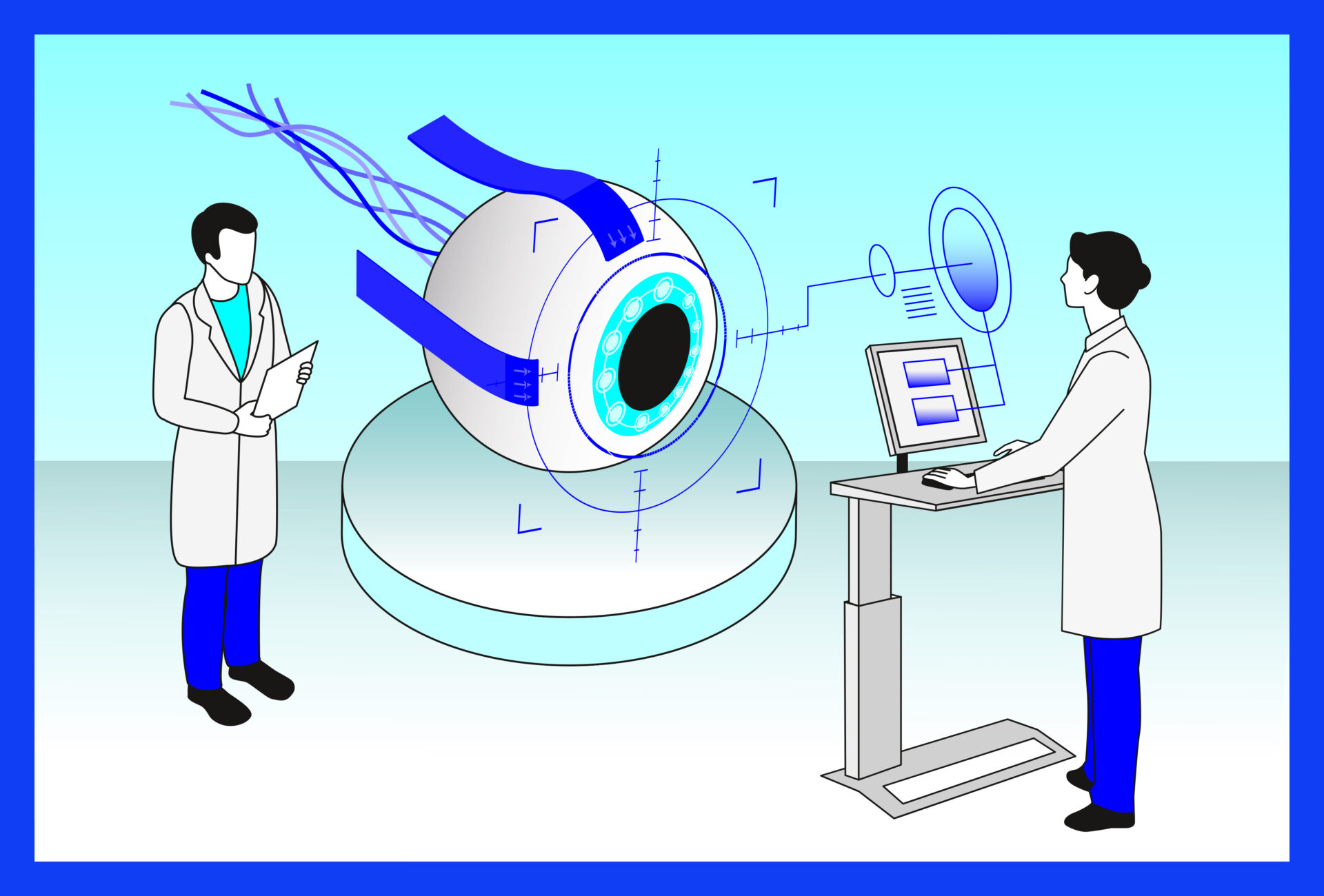
Under the title "Digital Eye Clinic – Bringing AI diagnostics into practice", it highlights nine key areas:
Diabetic retinopathy is one of the leading causes of preventable blindness, but screening is costly and difficult to scale. AI diagnostics can help here by automating routine examinations and supporting specialists. The team therefore examined existing AI tools and, as none met the clinic's requirements, developed its own AI platform using an open source tool.
The results provide healthcare organizations with a practical framework for evaluating AI diagnostic tools and show that open source solutions can be successfully deployed in public hospitals.
News
Bern – At the EIC Info Day Switzerland 2026, Euresearch will present the opportunities and funding for which Swiss researchers can apply under Horizon Europe. This event on February 4 at the Kursaal in Bern will bring together EU institutions with deep tech companies and investors.
(CONNECT) At its EIC Info Day Switzerland 2026, Euresearch will provide information on how deep-tech innovators can gain access to the European Innovation Council (EIC) programmes under Horizon Europe. To this end, the national advisory and information network for European research and innovation programmes commissioned by the State Secretariat for Education, Research and Innovation invites you to the Kursaal in Bern on February 4.
In November 2025, Switzerland rejoined Horizon Europe and other EU research programs. The agreement puts researchers and organisations from Switzerland on the same level as those in EU member states. This year's budget provides a total of 1.4 billion euros for scientific and technological breakthroughs, innovations and scale-up financing.
The all-day information event brings together the European Commission, the European Innovation Council and the Executive Agency for SMEs, the European Investment Bank, deep-tech entrepreneurs, investors and key players from research and development. "During the event, we will outline how to access all opportunities of the EIC Work Program 2026 across all technology maturity levels," Angelo Wille, Deputy Head of Unit in the EU Commission's Directorate-General for Research and Innovation, is quoted as saying.
"The 2026 work programme offers unprecedented opportunities for researchers and companies based in Switzerland - whether they are researching groundbreaking science and its applications, developing deep tech solutions or seeking substantial equity investments for their growth," says Euresearch Director Dr. Francesco Kienzle. This information day should help newcomers to understand what is available and how they can benefit from it. ce/mm
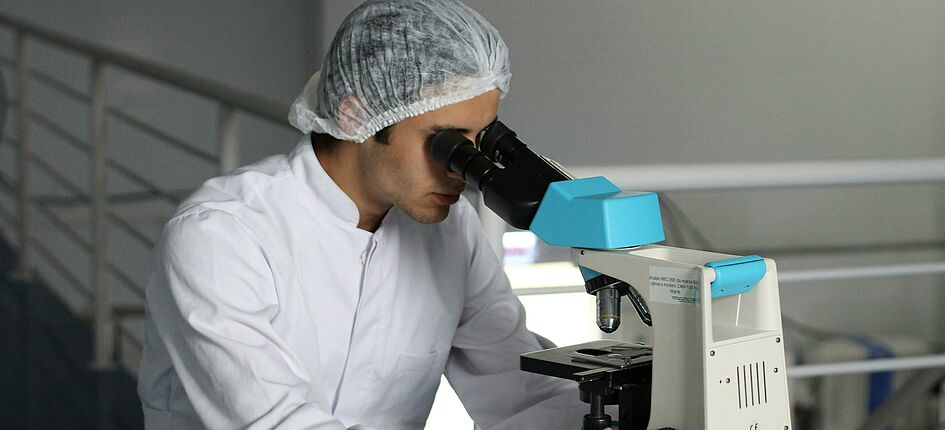
At the EIC Info Day Switzerland 2026, Euresearch will provide information on how researchers can access programmes under Horizon Europe. Symbolic image: Pixabay/Pexels
You need to load content from reCAPTCHA to submit the form. Please note that doing so will share data with third-party providers.
More InformationYou are currently viewing a placeholder content from Turnstile. To access the actual content, click the button below. Please note that doing so will share data with third-party providers.
More InformationYou are currently viewing a placeholder content from Vimeo. To access the actual content, click the button below. Please note that doing so will share data with third-party providers.
More InformationYou are currently viewing a placeholder content from YouTube. To access the actual content, click the button below. Please note that doing so will share data with third-party providers.
More InformationYou need to load content from reCAPTCHA to submit the form. Please note that doing so will share data with third-party providers.
More Information