News
Zurich — Researchers at the University of Zurich are searching for a way to halt the growth of tumor cells. One new approach could be to disrupt the cellular metabolism of cancer cells, thereby preventing them from multiplying. The research is being conducted as part of the National Research Priority “Children & Cancer.”
(CONNECT) In order for cancer cells to multiply unchecked, they must reprogramme the metabolism of healthy cells and use it to develop their own DNA. Researchers at the University of Zurich (UZH) and the Children's Hospital Zurich are currently looking for new ways to stop the growth of these dangerous cancer cells. To this end, they aim to directly interfere with the metabolism of tumor cells and halt it, according to a press release.
Cancer cells use polyamine metabolism to reproduce components of their DNA and then multiply. In conventional cancer treatment, chemotherapy is used to disrupt this metabolic process. These therapies are effective in adults, but not in cases of cancer affecting children and adolescents. Raphael Morscher and his team, who work at the University of Zurich and the Children's Hospital, are researching the metabolic mechanisms of neuroblastoma, a type of cancer that affects 15 to 20 children in Switzerland each year. These neuroblastomas are malignant tumors that develop from immature nerve cells in the abdomen, chest, or along the spine. “In high-risk cases, only half of the affected children survive despite high-dose chemotherapy, stem cell transplantation, surgery, radiation therapy, and immunotherapy,” Morscher is quoted as saying in the press release.
The research team led by Morscher and Sarah Cherkaoui has developed a drug called difluoromethylornithine (DFMO) that can inhibit the metabolic processes involved in the production of polyamines. These polyamines are composed of the amino acids proline and arginine. Experiments with mice also showed that a diet low in proline and arginine can more than double the drug's effect.
The research is being conducted as part of the National Research Priority " Children & Cancer." In the coming years, Morscher plans to conduct even more detailed research into the metabolism of cancer cells as part of this research focus in order to develop effective therapies. ce/ww

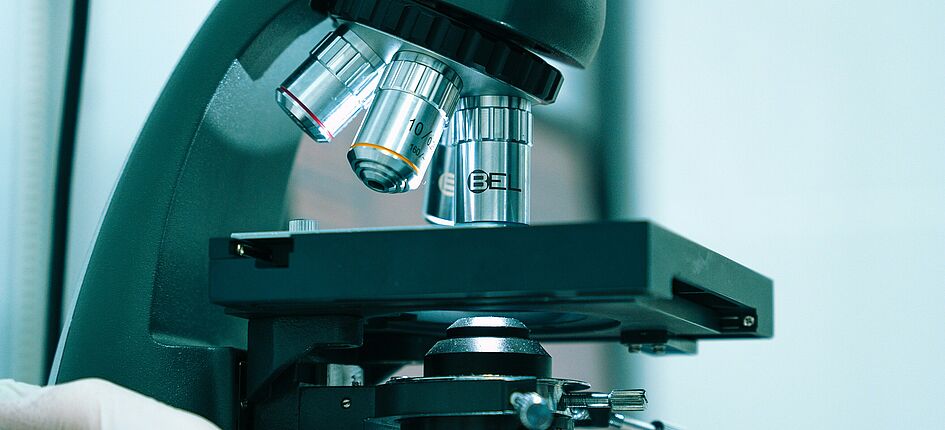
Researchers at UZH are investigating an approach that could halt cancer by disrupting tumour metabolism. Stock image: Ousa Chea/Unsplash
News
Dübendorf, ZH/Zurich — The two digital health platforms, Compassana and Well, will merge on January 1, 2027, to form Compassana-Well AG. The partnership is intended to streamline collaboration in the healthcare sector and facilitate digital access to services.
(CONNECT) According to an announcement, the two health platforms Compassana and Well will merge to form Compassana-Well AG in early 2027. CSS, DocMorris, Galenica, Groupe Mutuel, Helsana, Hirslanden, Medbase, Swica, Trifork, and Visana continue to participate in this program. KPT health insurance is now available. The partners in this joint venture bring together expertise in health insurance, outpatient and inpatient care, pharmaceuticals, and technology. Together, the affiliated health insurance companies cover approximately 70 percent of insured persons in Switzerland.
The merger broadens the base for this business, according to the press release. Expanding the range of services for health insurance providers, hospitals and hospital groups, healthcare regions, physician networks, and pharmacies is a key component of the new corporate strategy. This is intended to give customers access to a broader technology base, additional expertise, and a growing number of users.
“We are combining the strengths of both platforms and laying the groundwork for digital access that helps people navigate the system and simplifies collaboration in the healthcare sector,” said Marc Werner, Chairman of the Board of Directors of WELL Gesundheit AG. "User-friendliness, freedom of choice, and the responsible handling of health data are at the heart of this."
The shared platform is to be developed in such a way that it can be integrated with the Swiss Health Data Space and the planned electronic health record. “The increasing complexity of the healthcare system calls for consistent collaboration among all stakeholders,” said Marcel Napierala. He is the chairman of the board of directors of Bluespace Ventures AG in Dübendorf, the company behind Compassana. “By joining forces, we are driving digital transformation forward in Switzerland.” ce/mm

The digital health platform Compassana-Well will bring together expertise from the fields of health insurance, outpatient and inpatient care, pharmacy and technology. Stock image: Pixabay
News
Zurich — Dieter Egli, Director of Economic Affairs for the Canton of Aargau, is the new president of the Zurich Metropolitan Conference. Claudio Bernold, the mayor of Frauenfeld, was elected vice mayor. Changes also took place in the Metropolitan Council as a result of the local elections.
(CONNECT) According to a press release, the Zurich Metropolitan Conference (MKZ) has reorganized its leadership. The association's general meeting elected Dieter Egli, a member of the Aargau Cantonal Government and head of the Department of Economic Affairs and Internal Affairs, as its new president. He will succeed Marc Mächler, the Director of Finance for the Canton of St. Gallen.
“I am very pleased about the trust placed in me and look forward to helping shape the Zurich Metropolitan Conference as its president in the future,” Egli is quoted as saying in the press release. “The MKZ brings together cantons, cities, and municipalities across political boundaries, thereby creating an important forum for addressing shared challenges and shaping the future of our living and economic region.”
The new vice president is Claudio Bernold, mayor of Frauenfeld, who is taking over from Jörg Kündig, the former mayor of Gossau, Zurich.
There were also changes in the Metropolitan Council due to elections in some cities and municipalities. For example, the new mayors of Zurich and Winterthur—Raphael Gotta and Stefan Fritschi—are among its members; they are succeeding their predecessors, Corine Mauch and Michael Künzle. Monika Keller, president of the Association of Zurich Municipal Mayors and mayor of Greifensee, is now also a member of the Metropolitan Council.
Christian Marxt, a private lecturer in the Department of Management, Technology, and Economics at the Swiss Federal Institute of Technology in Zurich, addressed the topic of innovation at the association's general meeting. He recommended placing greater emphasis on the efficiency of innovation. "Switzerland already ranks among the top countries in innovation rankings," he is quoted as saying in the press release. “To move forward, we must reduce the regulatory burden, speed up the approval process, and lower risk aversion. We need to provide even more targeted support for research that can be scaled up; otherwise, it will not lead to lasting prosperity.”
The Metropolitan Conference promotes cooperation in the Zurich area. It currently includes eight cantons and about 130 cities and municipalities. ce/ug
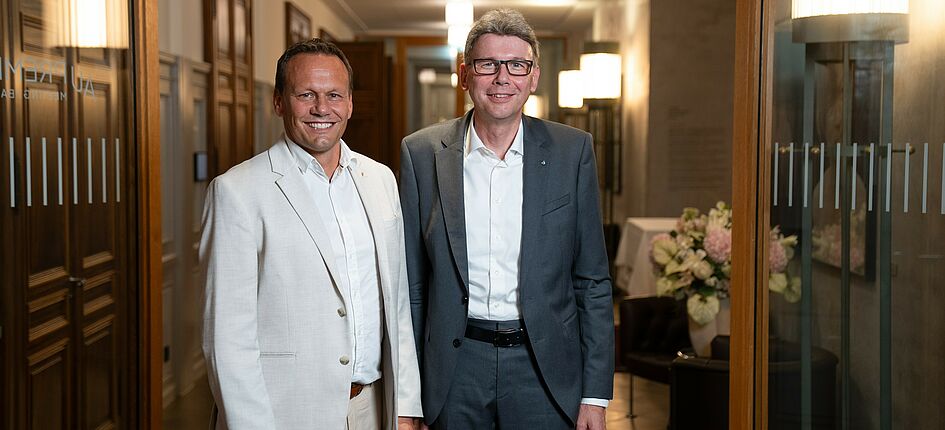
Claudio Bernold, Mayor of Frauenfeld (left), is the new Vice-President of the Metropolitan Conference, whilst Dieter Egli, a member of the Aargau Cantonal Government, is the new President. Photo: courtesy of the Zurich Metropolitan Conference
News
Villigen AG/Adliswil, ZH — The Paul Scherrer Institute (PSI) has begun operating a demonstration plant on its campus for the sustainable aviation fuel “aerobrew.” The innovative catalytic production process was developed by researchers at PSI and Metafuels in Adliswil.
(CONNECT) The PSI and Metafuels, a company based in Adliswil that was officially founded in 2021, have inaugurated a demonstration plant on the PSI campus for their highly efficient kerosene. There, the new aerobrew technology is now being operated for the first time in a practical plant design. According to a press release from the PSI, more than 150 guests from the fields of science, politics, industry, and the energy sector attended the ceremony, including Dieter Egli, a member of the Aargau Cantonal Government, Francine Zimmermann, Director of the Federal Office of Civil Aviation, and Jens Fehlinger, CEO of Swiss International Airlines.
Aerobrew is an innovative catalytic process for producing synthetic aviation fuel (SAF). It was developed and patented by PSI researchers and the Metafuels team. PSI Director Christian Rüegg describes the facility's inauguration as an important milestone toward more sustainable aviation. “We are proud that our cutting-edge research is making a decisive contribution to the move toward industrialisation,” he added. "With this facility, we will be able to further optimise the technology and lay the groundwork for industrial production," said PSI researcher Marco Ranocchiari.
The Aerobrew process does not require any fossil-based raw materials. In this process, hydrogen is produced from water using sustainable energy. This is converted into green methanol using carbon dioxide derived either from biogenic sources or, in the long term, from the atmosphere. Aerobrew technology produces sustainable kerosene from green methanol.
“International travel and global supply chains will continue to rely on air travel in the future,” explains Metafuels CEO Saurabh Kapoor. "That's why we've developed a product that can be integrated into existing airport infrastructure, used in conventional engines, and at the same time significantly reduce climate-damaging emissions." Metafuels plans to begin operating the first commercial plant using Aerobrew technology in 2030. ce/mm
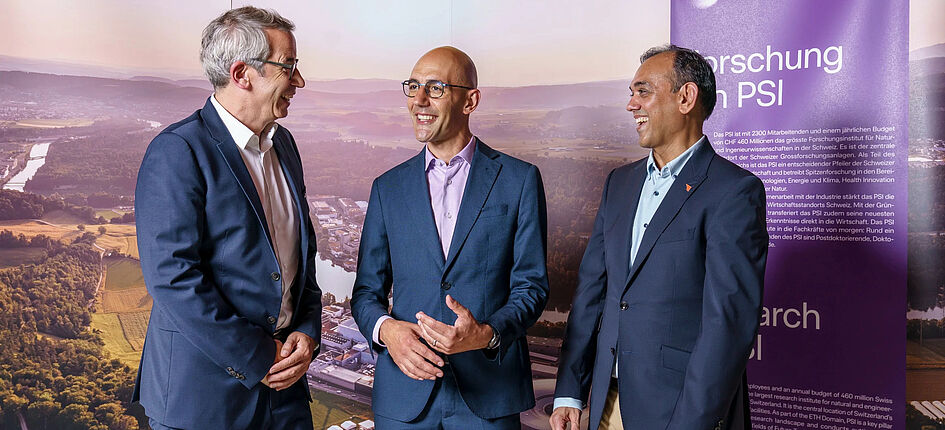
PSI Director Christian Rüegg, PSI researcher Marco Ranocchiari and Metafuels CEO Saurabh Kapoor (from left to right) at the inauguration of the aerobrew demonstration plant. Photo: Markus Fischer/Paul Scherrer Institute
News
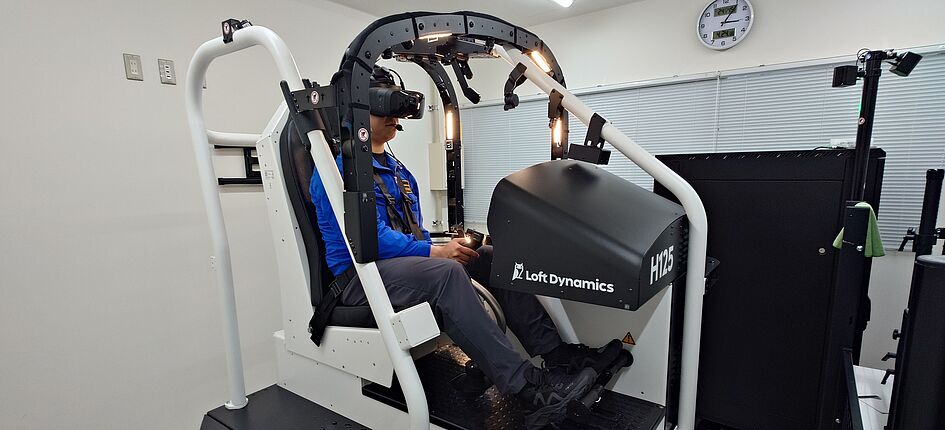
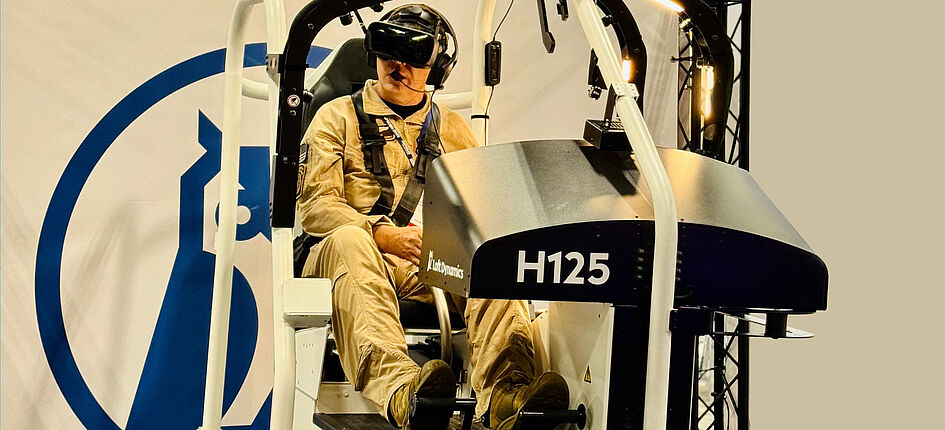
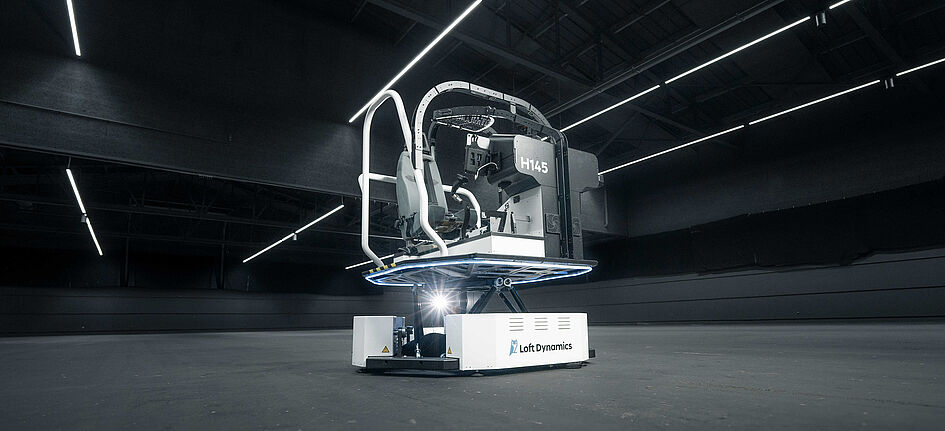
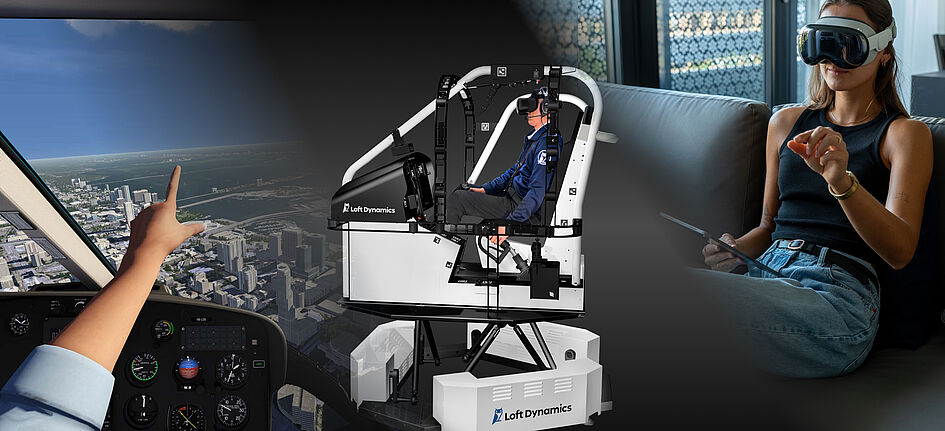
Dübendorf, ZH/Gifu — Just a few weeks after its European market launch, Kawasaki Heavy Industries is investing in Loft Dynamics’ Multi-Pilot Virtual Reality Simulator for the H145 helicopter. This marks the first time that immersive H145 pilot training has been used in the Asia-Pacific region.
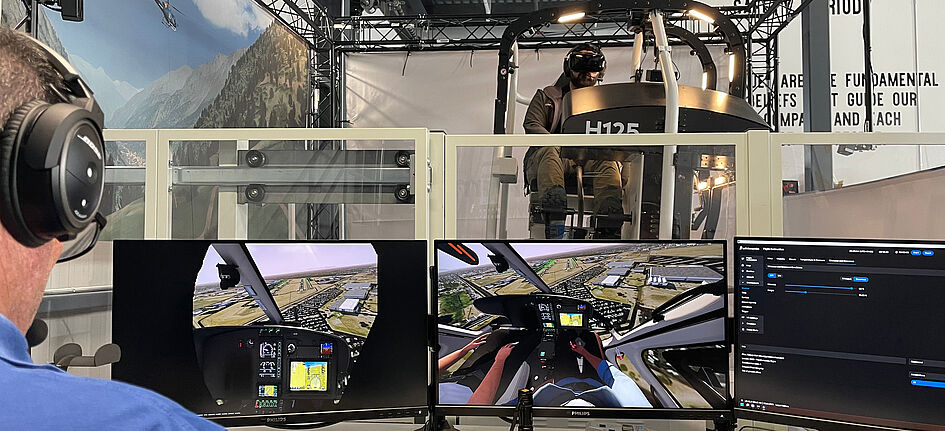
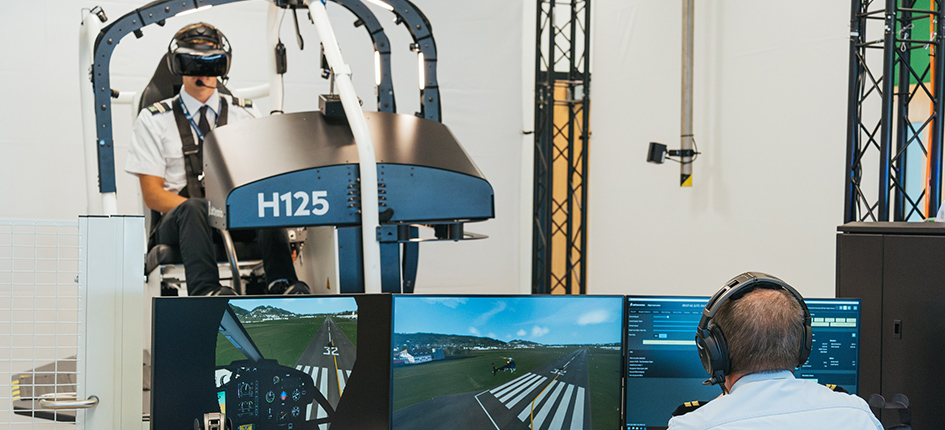
(CONNECT) Loft Dynamics has announced that its new H145 Multi-Pilot Virtual Reality (VR) simulator is to be installed at Kawasaki Heavy Industries' training centre in Gifu, Japan. Kawasaki will use it there for initial training, instrument flight training, cockpit teamwork training, as well as for regular training sessions and exams for pilots in emergency medical services, law enforcement, disaster response, and other safety-critical fields.
The first fully immersive flight simulator for multiple H145 crew members had been launched just a few weeks ago. On July 21, 2026, Loft Dynamics, a manufacturer based at the Switzerland Innovation Park Zurich, announced that Babcock France - one of the leading private operators of civilian air rescue services in France - had become its first customer to sign a contract for the flight simulator at the Farnborough International Airshow.
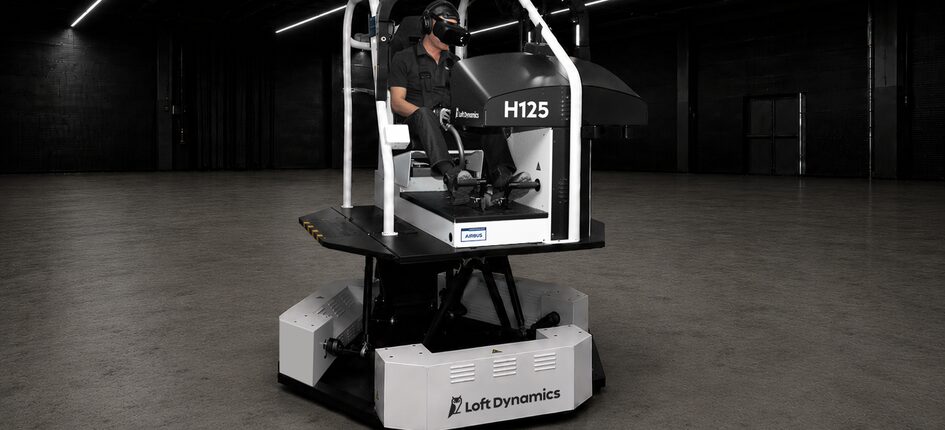
The new multi-crew simulator for the helicopter built by Airbus Helicopters is an upgraded version of the H145 simulator. It is the world's first—and so far only—full-motion VR flight simulator certified by the major aviation authorities, the Federal Aviation Administration (FAA) and the European Union Aviation Safety Agency (EASA). According to a statement, he also obtained the Japan Civil Aviation Bureau (JCAB) FTD Level 7 qualification in Japan in May 2026.
Kawasaki will now be the first organisation in the Asia-Pacific region to use the new simulator. Kawasaki has been contributing to the development, manufacturing, and customer service of the Airbus BK117/H145 family for nearly five decades. The company also offers Airbus Helicopters-certified H145 training courses throughout Japan and the Asia-Pacific region.
"The H145 Multi-Pilot VR simulator from Loft Dynamics significantly expands our capabilities in this area," said Hitoshi Kawaguchi, head of the BK117/H145 program at Kawasaki. "By combining immersive multi-pilot training with aircraft data provided by the original manufacturer, we can offer pilots more opportunities to develop their skills, prepare for complex missions, and train using the same procedures they would follow in a helicopter."
Loft Dynamics CEO Sebastien Borel describes Kawasaki's decision to deploy the new simulator as "an important step toward establishing aircraft-specific VR training for multiple crew members in the Asia-Pacific region." According to Borel, however, this decision also reflects a much broader shift: VR is “well on its way to becoming the global standard in aviation training.” ce/mm
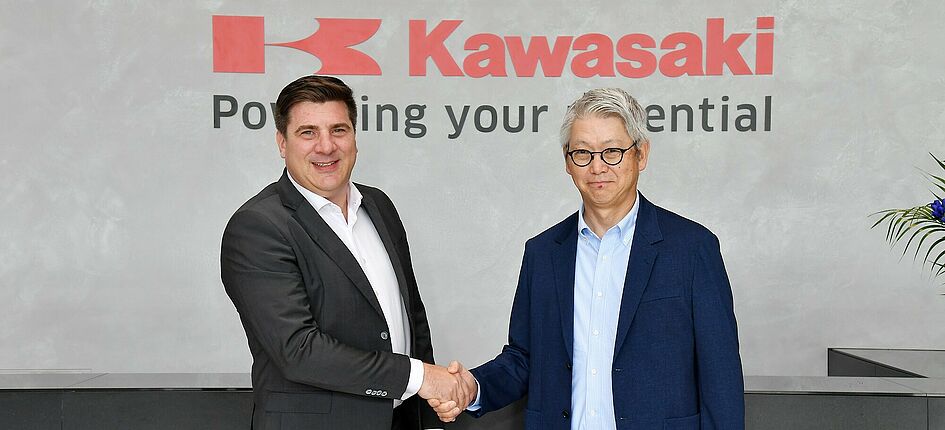
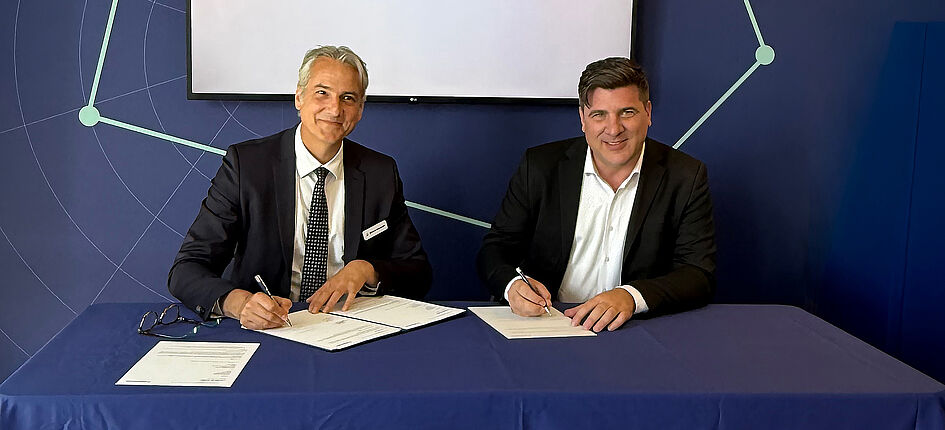
Sebastien Borel, CEO of Loft Dynamics (left), and Hitoshi Kawaguchi, head of the BK117/H145 programme at Kawasaki. Photo: Loft Dynamics
News
Zurich — Timly is adding two new features to its enterprise inventory management software. With Timly MCP, your preferred artificial intelligence connects to your Timly account. And the Timly AI Assistant accepts requests made in natural language in the chat window.
(CONNECT) In the future, Timly's business customers will no longer have to click through the inventory management software to find out where a circular saw is currently located or what the inventory value is at a specific location. Instead, according to a press release, they now have the opportunity for the first time to query their inventory using natural language.
You can choose to do this using your preferred artificial intelligence (AI) tool, such as ChatGPT, Claude, or Euria, or directly in the Timly app. Actions such as assignments, creating new objects, or updating inventory can also be triggered by voice command.
According to Timly, this means that users no longer have to operate the software themselves, but instead let the AI do the work for them. On command, it can customise a dashboard to meet your specific needs or take on recurring tasks like an agent, such as regularly checking minimum distances or creating maintenance tickets when they're due.
This is made possible by two new features that Timly is integrating into its B2B software. With Timly MCP, a company's preferred AI connects directly to its Timly account. It is based on a Model Context Protocol (MCP) server developed by Timly as an open standard, which can be integrated with other enterprise systems such as ERP or CRM. To do this, the Timly AI Assistant—which is fully integrated into the Timly software—opens as a chat window within the familiar interface. For security reasons, the chat runs on an AI service that is separate from the core system and is hosted entirely on European infrastructure.
CEO and founder Philipp Baumann describes the two new features as a crucial step: “Users no longer need to know how to perform a task in the software—they simply say what they want to achieve.” For customers, this means “less searching, fewer clicks, and faster processes—with AI that not only provides information but also actively collaborates.” ce/mm

Timly allows you to use your own language to manage your inventory. Stock image: tianya1223/Pixabay
News
Stäfa, Canton of Zurich — The Sonova Group announces the launch of its Phonak EON portfolio. The three smaller and lighter EON models offer AI-powered improvements in speech clarity, reduced listening effort, and advancements in wind noise reduction.
(CONNECT) Sonova Holding AG is expanding its range of hearing solutions to include the EON portfolio from its core brand, Phonak. It includes three models: the EON Sphere, Sonova’s third-generation real-time AI hearing aid, as well as the EON R and the CROS EON R for single-sided hearing loss. They build on two earlier generations of Sonova’s proprietary real-time AI technology.
According to a press release, EON offers significant improvements in speech clarity powered by artificial intelligence (AI). This is intended to double the likelihood that users will understand every word, regardless of the direction it comes from. Listening effort is expected to be reduced by up to 37 percent, and wind noise by up to 50 decibels.
According to the information provided, the newly developed hypersonic chip, combined with a further-trained deep neural network, also makes the EON Sphere 37 percent more energy-efficient. With everyday use, the battery life is up to 38 hours. This makes it possible to create a device that is a quarter smaller and 20 percent lighter than the previous generation. In addition, the EON portfolio offers “the most comprehensive connectivity solution on the market.”
“Artificial intelligence remains a key area where Sonova continues to set itself apart,” Sonova’s head of development, Anders Rosengren, is quoted as saying. "Our leadership in AI is based on years of audiological research, proprietary data, and complete end-to-end control over the entire technology stack." EON builds on this foundation “and enables high-performance real-time AI in a smaller, more efficient design.”
Phonak EON will be available in the U.S. from August 24, 2026, through licensed hearing care professionals. Other markets, including Germany, France, the United Kingdom, Australia, and others, will follow in September. ce/mm

Sonova’s EON models are said to offer significant AI-powered improvements in speech clarity. Image: Sonova
News
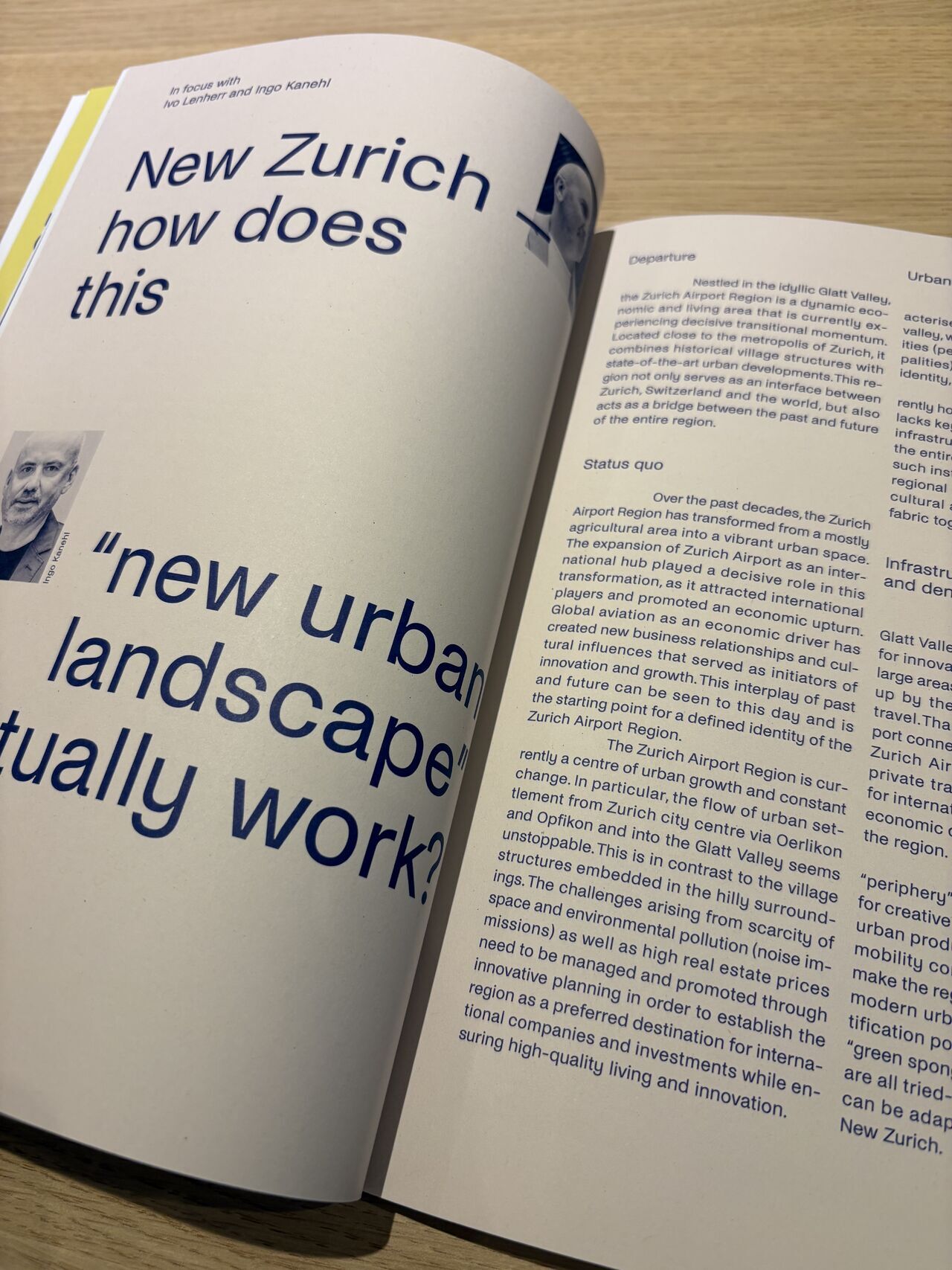
English Edition of the New Zurich Strategy Reader Now Available
The English edition makes the explanation of the development strategy for New Zurich accessible to an international audience. The Strategy Reader summarises the results of a four-year strategy process and thus provides insights into the future of the Zurich airport region and its transformation into an internationally connected innovation ecosystem.
This reader is particularly relevant for partners interested in initiatives such as the Convention Hub New Zurich, as well as for anyone following the development of leading clusters in the fields of space, robotics, and AI.
News
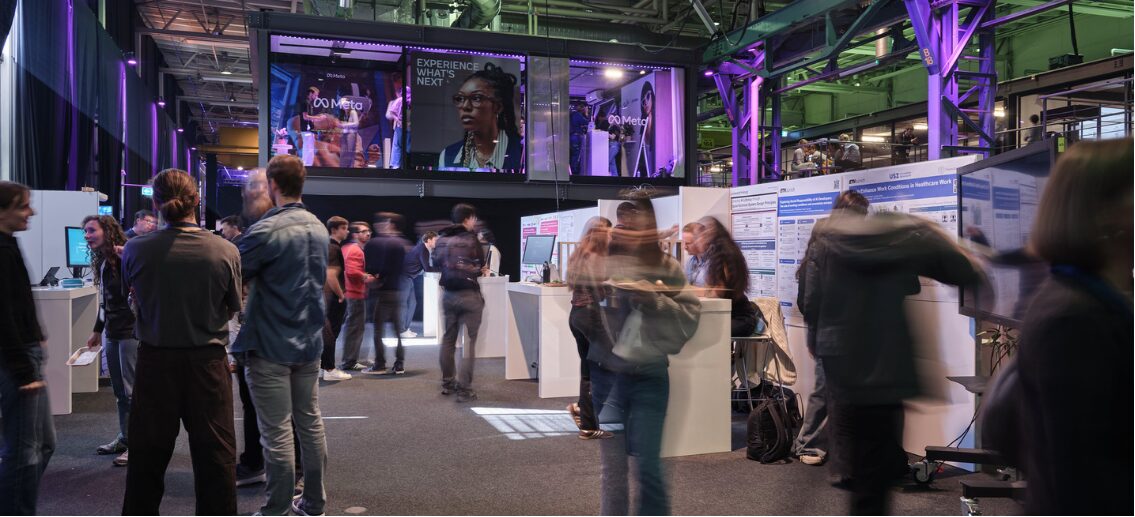
Zurich – The Zurich AI Festival combines world-class technology with Swiss reliability. From September 28 to October 3, more than 40 events in the greater Zurich area will focus on the question of what it takes to make artificial intelligence (AI) trustworthy and reliable.
(CONNECT) The entire artificial intelligence (AI) ecosystem will come together at the Zurich AI Festival from September 28 to October 3 to discuss AI across a wide range of topics. The festival week is aimed at everyone involved in AI—from visionary female founders and investors to technology pioneers and students, as well as those responsible for regulating AI or interested in discussing it.
The festival builds on the success of its first edition last year, when more than 6,500 people and over 300 speakers participated in 26 events held at 17 venues in and around Zurich. The international share was 48 percent. The program for the second week of the festival was expanded to include more than 40 events. In addition, this year's topics will include climate, global regulation, robotics, health, and finance.
According to the event presentation, the concept of responsible AI should not simply be ticked off as a box, and ethical AI should not be just a slogan. Instead, the focus will be on “the actual work”: “AI developed by top talent in a country whose reliability is in itself a competitive advantage.”
The centerpiece of the Zurich AI Festival is the AI + X Summit, which will take place on October 1 at StageOne in Zurich-Oerlikon. At that event alone, 2,000 attendees, more than 150 speakers in over 50 sessions, and 65 summit partners are expected. The highlight for the general public is Public Night on 1 October. From 5:30 pm, visitors can explore innovative applications, try out hands-on demonstrations and meet the researchers, developers and entrepreneurs who work with AI. From 6.30 pm, there will be an exclusive stage programme. The evening will culminate in the AI Challenge 2026 awards ceremony, which celebrates young talent from across Switzerland for their innovative AI projects.
The AI+X Summit is organised by the Swiss Federal Institute of Technology Zurich, the Zurich University of Applied Sciences, and the University of Zurich. According to this year's theme, the Main Stage, the Innovator Stage, workshops, exhibitions, and networking events will all focus on deep tech innovations for the next generation.
The entire festival is supported by City and Canton of Zurich, from Zurich Tourism and the two organisers ETH AI Center and the location marketing agency Greater Zurich Area. They are working with the initiative "Choose Europe," a collaboration in which Europe's most competitive economic regions join forces to compete for business on the global stage. This is intended to give the festival even greater international appeal. ce/mm
News
Dübendorf, ZH/Abu Dhabi — Researchers at the Swiss Federal Laboratories for Materials Testing and Research (Empa) and Khalifa University are working on the development of biopolymers that would make sand less susceptible to erosion. The goal of the research is to prepare soils in which microorganisms and plants can grow.
(CONNECT) Researchers at the Swiss Federal Laboratories for Materials Science and Technology (Empa) and Khalifa University of Science and Technology in Abu Dhabi are working on an approach to improve soil conditions in sandy deserts. In a first step, the scientists introduced certain bacteria and fungi into the sand, which form network structures between the grains of sand and thus give them greater cohesion, according to a press release.
The team from Empa’s Cellulose and Wood Materials Laboratory and the University of Abu Dhabi hoped that this “inoculation” would cause the introduced microorganisms to form long polymer chains that would permeate the sand and result in a stronger bond. As a result, these structures are better able to store water. To test the theory, two experiments were designed. It turned out that the samples containing bacteria allowed water to seep through six times more slowly than in the sample of pure sand.
In a second approach, the researchers had cellulose-producing bacteria produce geotextiles. The mats produced in this way were layered with sand, which ultimately slowed water permeability by a factor of 28. “This approach allows us to introduce organic matter and water into the sand and stabilise it somewhat,” Gustav Nyström, head of the Cellulose and Wood Materials Laboratory and co-author of this study, is quoted as saying in the press release. "Ideally, this promotes the growth of additional microorganisms and plants, thereby initiating the process that makes the soil more stable and fertile." Blaise Tardy, a professor at Khalifa University, sees the desert in Abu Dhabi as an ideal research site: the sand is already there, and nutrients—such as sugar—can be extracted from food and municipal waste. The study was published in the journal *Carbohydrate Polymers*. ce/ww

Thanks to the biofibres, the sand samples were better able to retain their shape and hold onto water for longer. Image: Khalifa University
News
Zurich — Starting September 16, 2026, people with a long-term vision will be able to build communities on wemakeit. They receive monthly payments from these contributors through the crowdfunding platform. The key is continuous, direct communication without algorithms or rewards.
(CONNECT) According to a press release, the Zurich-based crowdfunding platform wemakeit will launch a new form of crowdfunding on September 16, 2026: Instead of a one-time donation for a specific project, musicians, athletes, activists, scientists, and other creatives can now also build their own communities that provide them with ongoing funding.
Anyone who wants to benefit from this should create a community page on wemakeit, introduce themselves and their work, and explain why people should support them. Those who wish to support the project choose one of three contribution tiers of their choice and join the community. In return, they receive rewards. “The best rewards are found in everything you do and are already there: behind-the-scenes glimpses, process updates, and exclusive photos,” explains wemakeit, the Swiss solution for ongoing community funding. Vibrant and direct communication—free of algorithms and advertising—between the person receiving support and their supporters is considered the key to successfully building a community.
The seven-member, almost entirely female leadership team at wemakeit is introducing this new concept, “because conditions for passionate people have become tougher in recent years: fewer grants, less funding for public service, greater dependence on Big Tech, and pressure from algorithms,” explains Co-CEO and Head of Marketing Bianca Zeuner in the press release. "Doers aren't deterred by this; they look for other ways."
When asked about the difference between wemakeit Communities and Patreon —a global online platform that operates in a similar way—she points out that wemakeit is a funding platform, not a content platform: “You’re not hiding anything completely new behind a paywall. You just keep doing what you do. That way, projects can be realized over the long term with courage and conviction. Together with your supporters, you create a social impact that ensures a future fit for our grandchildren.” ce/mm

In future, Wemakeit will also enable long-term crowdfunding for creative people. Stock image: aszak/Pixabay
News
Düsseldorf/Berlin/Munich — Four Swiss companies are among the ten nominees for The Spark technology award: Jua, terralayr, Proxima Fusion, and Sphere Energy. It is awarded by *Handelsblatt* and McKinsey to startups that have the potential to bring about fundamental and sustainable change in markets.
(CONNECT) The German business newspaper“Handelsblatt”and the consulting firm McKinsey have announced the finalists for their Spark Award – The 2026 Technology Award Announced. Among them are Jua.ai from Zurich and terralayr from Zug, two startups founded in Switzerland in 2022. In addition, two German companies—Proxima Fusion (Munich/Villigen AG) and Sphere Energy (Grossaitingen/Zurich)—are represented; both maintain important subsidiaries in Switzerland.
This year marks the 11th time the Spark Award has been presented to exceptional and innovative startups from Germany, Austria, and Switzerland whose ideas have the potential to fundamentally and sustainably transform markets. The awards ceremony will take place on November 5 in Munich.
Jua.ai is working on creating a universal simulation engine for the physical world. The startup already operates a weather forecasting model, which is now being expanded to cover the entire Earth system—for example, to model fluid dynamics around vehicles and turbines and to simulate wildfires and floods.
Terralayr, headquartered in Zug with a branch office in Berlin, develops and operates large-scale battery energy storage systems (BESS) and received 192 million euros in financing in 2026. Terralayr is not only the fastest-growing BESS operator in Germany, but its LAYR platform also makes energy flexibility tradable and scalable. This contributes to grid stability and helps balance electricity prices.
Proxima Fusion is Europe's highest-valued stellarator company and the first spin-off from the Max Planck Institute for Plasma Physics. In 2026, it received 411 million euros in funding for its development of fusion power plants based on QI-HTS stellarators. At its facility at the Switzerland Innovation Park Innovaare (Villigen), Proxima Fusion has been working with the Paul Scherrer Institute since 2024 to develop high-temperature superconducting magnet technology for the stellarator.
Sphere Energy has created an operating system and an associated data platform that use artificial intelligence to make industrial product development almost as fast as software development. To do this, the startup combines distributed development data from test benches or simulations with field data and makes it usable.
Also nominated are the Berlin-based startups Apheris, deepset, and Qdrant, as well as Focused Energy (Darmstadt), Lidrotec (Bochum), and Q.ANT (Stuttgart). ce/mm

The Spark Award recognises exceptional and innovative start-ups whose ideas have the potential to bring about fundamental and lasting change in markets; four companies with a strong presence in Switzerland have been nominated, two of which are based in Zurich. Featured image: qimono/Pixabay
You need to load content from reCAPTCHA to submit the form. Please note that doing so will share data with third-party providers.
More InformationYou are currently viewing a placeholder content from Turnstile. To access the actual content, click the button below. Please note that doing so will share data with third-party providers.
More InformationYou are currently viewing a placeholder content from Vimeo. To access the actual content, click the button below. Please note that doing so will share data with third-party providers.
More InformationYou are currently viewing a placeholder content from YouTube. To access the actual content, click the button below. Please note that doing so will share data with third-party providers.
More InformationYou need to load content from reCAPTCHA to submit the form. Please note that doing so will share data with third-party providers.
More Information