News
Zurich — Five teams at the Zurich University of Applied Sciences, specialising in artificial intelligence and digital transformation, worked on a so-called “shopping companion” for Bring! Worked in labs. This specific project gives the client a glimpse of up-and-coming creative talent.
(CONNECT) According to a press release, students in the part-time Bachelor’s programme in Business Administration at the Zurich University of Applied Sciences (HWZ) have, as part of their major in AI & Digital Transformation, worked on a project for the Zurich Bring it! Labs worked on. As part of this specialisation, which focuses on artificial intelligence and digital transformation, five teams developed a shopping companion for the Bring! app.
The Mobiltech company Bring! According to the company, Labs, with its shopping list app Bring! and its deals app Profital, guides 21 million consumers worldwide “through every stage of the shopping process, from inspiration to planning to purchase.” Students in the AI & Digital Transformation major were tasked with developing the Shopping Companion, an app designed to help young families with their grocery shopping, reduce stress, and make everyday family life easier.
Based on analyses of their media usage and consumer behavior, the groups developed ideas for the ideal shopping companion and tested prototypes with potential users. The project was supplemented by requirements related to UX writing and digital analytics.
“The different approaches have not only confirmed our own research and focus, but have also revealed additional aspects,” said Juan-Pablo Schmid, Chief Commercial Officer at Bring! Labs, following a pitch to the client's teachers and experts. One of the concepts presented completely won over the jury with its highly professional presentation and was rated as “ready for immediate implementation.”
“At universities like the HWZ, this kind of collaboration allows us to reach motivated students who can bring a fresh perspective to a specific challenge,” Schmid continued. "This creates real added value." ce/mm

Students at the Zurich University of Applied Sciences have developed ideas for an ideal shopping companion for Bring! Lab. Stock image: StockSnap/Pixabay
News
Wädenswil, Canton of Zurich/Niederbipp, Canton of Bern — Researchers at the Zurich University of Applied Sciences (ZHAW) have developed a biorefinery that produces biomethane, biochar, and process heat from liquid bio-waste. TELA GmbH, the paper mill, could thus meet 7 percent of its energy needs.
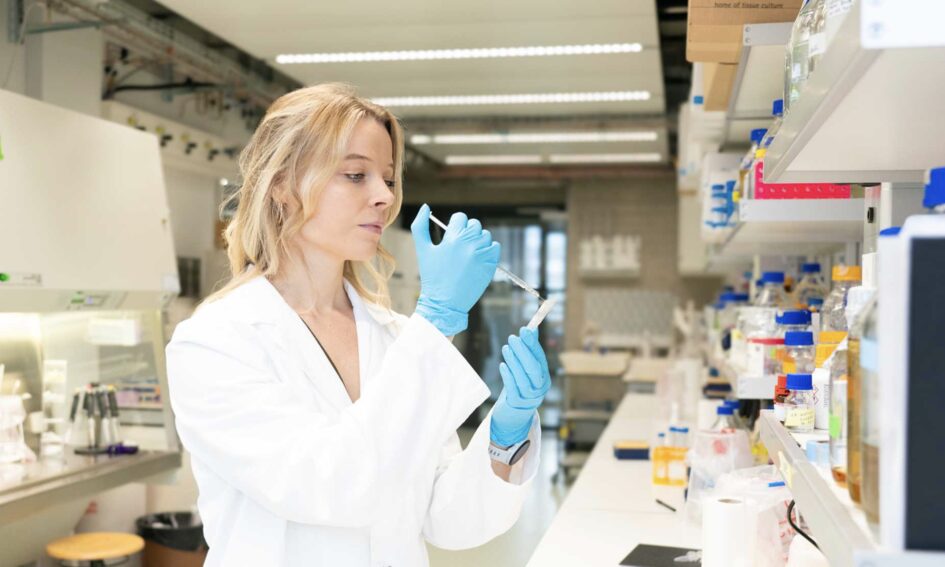
(CONNECT) A research team at the Wädenswil-based According to a press release, the ZHAW Institute of Chemistry & Biotechnology has succeeded in achieving the comprehensive recovery of liquid organic industrial waste. Such waste, which is high in energy value due to its high carbon content, is generated, for example, in paper mills, dairies, slaughterhouses, or during the production of fruit juices.
The biorefinery project, known as VARESI, involves a three-stage process for energy production. It was tested in a practical setting at the ZHAW campus in Wädenswil using dewatered paper sludge. In the first step, fermentation produces methane, which can be used in heating systems or combined heat and power plants to generate both electricity and heat.
In the second step, the carbon in the fermentation residues is converted into biochar under pressure and heat (hydrothermal carbonisation, HTC). It can be used as a climate-neutral fuel. The liquid components of the fermentation residues provide process water for Step 3, which has been further enriched with carbon through the HTC process. This is then used to produce additional methane through further fermentation. Microbiologically unusable carbon is filtered and carbonised. What remains is purified water that can be used in industry.
To demonstrate the benefits of this process, the research team calculated how much energy the TELA GmbH paper mill in Niederbipp, Bern, would generate through this innovative method of recycling its liquid waste. According to this, approximately 34,000 megawatt-hours of thermal energy could be produced annually from the roughly 20,000 metric tons of dry matter in their paper and bio-sludge. That is 12,600 megawatt-hours more than with the conventional treatment process involving dewatering and incineration. The additional energy output is equivalent to 7 percent of the paper mill's total energy demand in 2023. Replacing natural gas could reduce annual CO2 emissions by about 13 percent.
In their final project report, the researchers suggest that energy yield could be further increased if the HTC process were tailored even more precisely to the specific substrate in the future. Project Manager Hajo Nägele considers the VARESI concept to be a key technology. It opens up the possibility of the cost-effective construction and operation of decentralised biorefineries for locally generated wet biomass. This innovative process concept could also support decarbonisation in sectors such as wastewater treatment and agriculture, and can be efficiently combined with the recovery of nutrients such as nitrogen and phosphorus. ce/mm
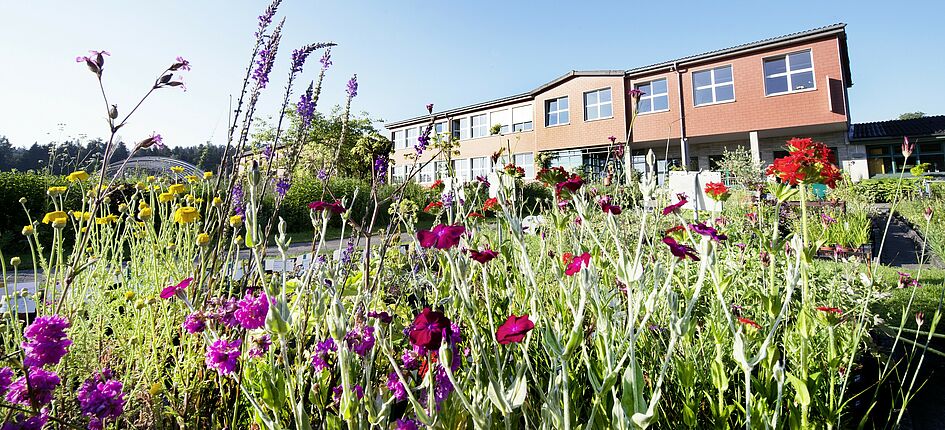
ZHAW researchers have tested the process at the Wädenswil site. Photo: Frank Bruederli/ZHAW
News
Zurich/Schlieren, ZH/Ingelheim — The German life sciences company Boehringer Ingelheim has acquired Zurich-based Evax AG. The startup develops vaccines for horses.
(CONNECT) Zurich-based Evax AG is now part of Boehringer Ingelheim, according to a press release. Evax, which also has a branch at the Schlieren-Zurich Bio-Technopark and was founded at the University of Zurich, develops vaccines for horses that are used, for example, to treat allergic skin conditions. Evax will be part of the Boehringer Ingelheim Animal Health division of the German life sciences company.
“We are very pleased to become part of Boehringer Ingelheim Animal Health and to benefit from its innovative strength, supply capabilities, and commercial expertise as we move forward with the next phases of delivering novel therapeutic options in areas of unmet need for horses,” Dr. Antonia Gabriel, founder and CEO of Evax, is quoted as saying in the press release.
Allergies and skin conditions that are difficult to treat can affect a horse's health. Therapeutic vaccines containing virus-like particles are designed to stimulate the horses' immune systems to produce neutralizing antibodies, thereby treating the underlying cause of the disease. “We are very pleased to potentially be able to offer horse owners the first innovative treatment option for allergic skin conditions that targets the underlying cause of the disease. This could lead to a longer duration of action, better treatment outcomes, as well as greater comfort and improved treatment adherence,” said Saskia Kley, Global Head of Equine at Boehringer Ingelheim. ce/jh

Evax develops vaccines for horses. Stock image: Christine Mendoza/Unsplash
News
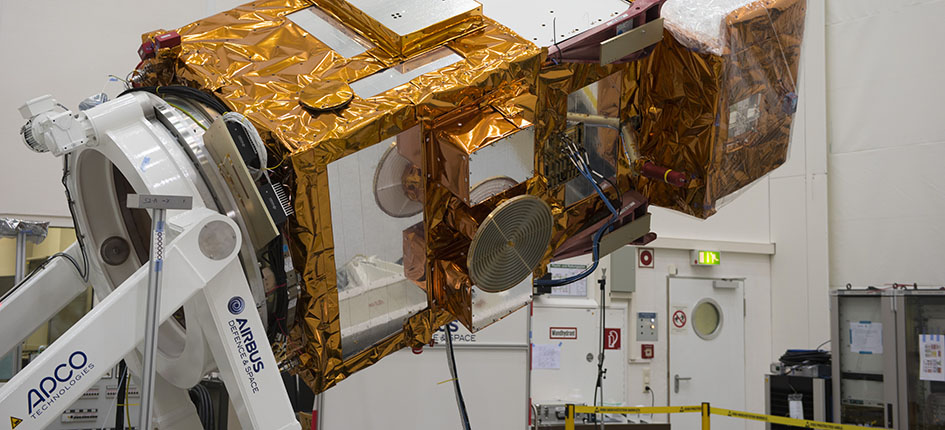
Lausanne/Dübendorf, Canton of Zurich — The Swiss space programme will be the focus of the 2026 Technology Days. On September 22 and September 24, two events in Lausanne and Dübendorf will offer insight into the Swiss space industry. The topics range from historical developments to current perspectives.
(CONNECT) The 2026 Technology Days aim to provide a comprehensive overview of the Swiss space industry. Two events—one on September 22 in Lausanne and another on September 24 in Dübendorf—will explore the history of the Swiss space programme and its technological and economic prospects, according to a press release. The Technology Days are organised annually by Swiss Engineering, the professional association of engineers and architects, in collaboration with the Swiss Academy of Engineering Sciences (SATW), the Swiss Federal Laboratories for Materials Testing and Research (Empa), the Swiss Technology Industry Association (Swissmem), and the Swiss Center for Electronics and Microtechnology (CSEM).
On September 22, the Palais de Rumine in Lausanne will highlight the diversity of Switzerland's space programme. Grégoire Bourban of Space Exchange Switzerland provides an overview of the Swiss space industry. Dr. Eleonore Cassandra Poli of CSEM demonstrates how advanced space technologies are being applied on Earth. Loé Maire of the University of Zurich explains the importance of remote sensing for the environment, climate, and disaster preparedness. Muriel Richard of the startup ClearSpace is presenting the European Space Agency's (ESA) first mission to actively remove space debris. Didier Manzoni, President of Swissmem’s Swiss Space Industries Group, will conclude the event with an overview of the strategic importance of the Swiss space industry.
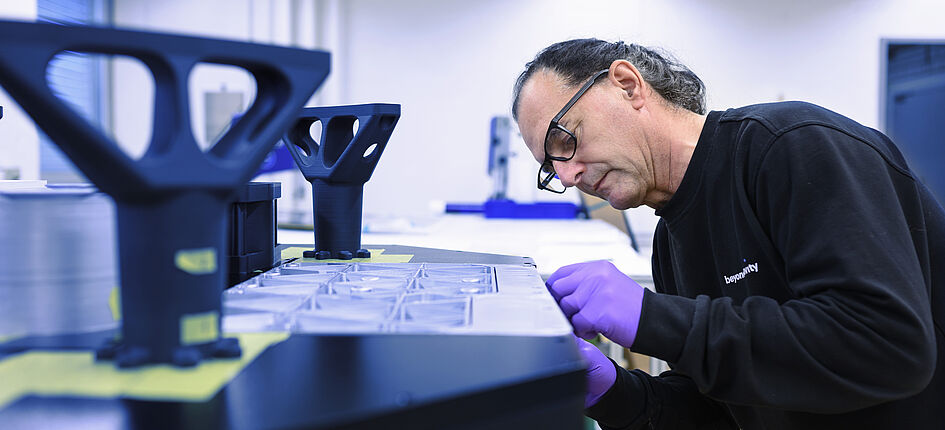
On September 24 in Dübendorf, the focus will be on Switzerland's position in the international space market. David Blum of the State Secretariat for Education, Research, and Innovation (SERI) highlights the strategic importance of space exploration for Switzerland. Prof. Dr. Antonia Neels of Empa demonstrates which innovative materials can withstand the extreme conditions of space. Carmen Meiller of the University of Zurich provides insights into the role of Swiss research in Earth observation. Benjamin Gresse of Thales Alenia Space Switzerland presents high-precision Swiss space technologies. In closing, Dr. Philipp Oettershagen of Beyond Gravity will highlight the trends shaping the international New Space market and discuss the significance of these developments for Europe and Switzerland. ce/ja
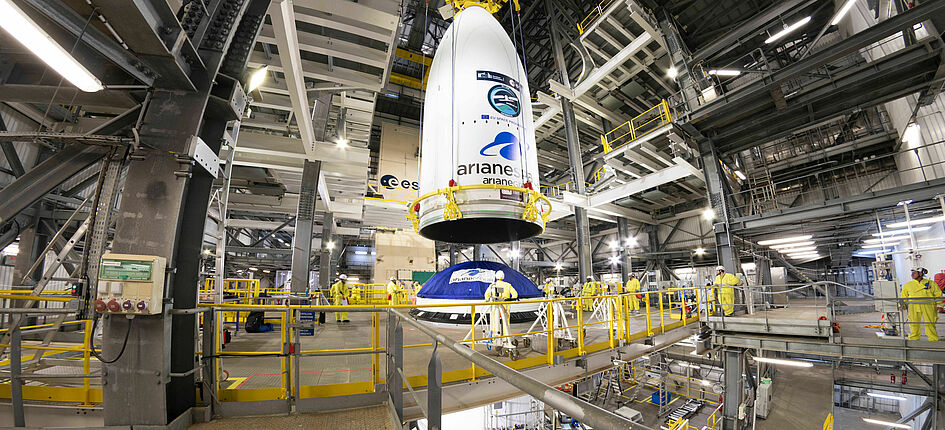
The nose cone of the Ariane rocket is one of Switzerland’s best-known space technology products. Image: ESA
News
Winterthur/Wallisellen, ZH/Lüscherz, BE – From September through the end of January, the Casinotheater will be testing a hearing aid from accessify.live. The audio is transferred to the cell phone, where it can be accessed. The solution supplements the existing hearing loop in rows two through eight.
(CONNECT) The Casinotheater Winterthur offers additional assistance to people with hearing impairments. According to a press release, starting in September, the theater will be testing a solution offered by the Lüscherz-based organisation accessify.live and Wallisellen-based iRewind AG.
With this solution, the audio from the presentation is streamed to the cell phone. Users gain access via a QR code and can select the sound they want. You can access it through your own hearing aid or other hearing devices. Access is available throughout the theater.
The solution will be tested through the end of January. It supplements the existing hearing loop, which can be used in rows two through eight. The test is supported by the Meier Siblings Foundation in Basel.
The accessify.live association holds the copyrights to modules designed to make it easier for people with disabilities to attend major events and theaters. The video solutions provider iRewind continues to develop these solutions, adds commercial elements, and scales the overall solution. ce/ug

From September, the Casino Theatre in Winterthur will be trialling a hearing aid from accessify.live. Photo: Casino Theatre AG Winterthur
News
Zurich/Munich — Ludwig Maximilian University of Munich will use Positrigo’s PET imaging system for the brain in its clinical trial on Alzheimer’s disease. In addition, the university plans to use NeuroLF in other studies as well. Positrigo calls this a milestone.
(CONNECT) NeuroLF, Positrigo’s positron emission tomography (PET) system for the brain, will play a key role in a clinical study conducted by Ludwig Maximilian University of Munich (LMU). According to a press release from the company, which is based at Technopark Zurich, the brain scanner was approved by the sponsor for this Phase 2 study. It is performed on adults with early-stage Alzheimer's disease associated with Down syndrome.
“We are pleased that a leading sponsor of clinical trials has officially accepted NeuroLF as the imaging platform for its research project,” Dr. Dr. med. Matthias Brendel is quoted as saying. He is a professor of translational molecular imaging at LMU, a senior physician in neuronuclear medicine, and the associate director of the Department of Nuclear Medicine. "This is an important step toward expanding the use of specialised PET imaging of the brain in clinical research, and we plan to consider using NeuroLF—wherever appropriate—for further studies at LMU as well."
Positrigo describes this study approval as another important milestone for the company, which was spun off from the Swiss Federal Institute of Technology Zurich in 2018. Ultimately, however, according to Positrigo co-founder and CEO Dr. Jannis Fischer, the mission goes beyond research: “We are committed to making modern PET imaging of the brain widely available in routine clinical practice so that more patients can benefit from earlier and more precise diagnoses. With the availability of new disease-modifying therapies, timely molecular diagnosis will be crucial to ensuring that patients receive the appropriate treatment at the right time.” NeuroLF has already been approved by regulatory authorities in the EU and the U.S. ce/mm

NeuroLF is Positrigo’s positron emission tomography (PET) system for the brain. Image: courtesy of Positrigo AG
News
Zurich — Dagsmejan is launching the world’s first sleepwear with built-in collagen. This world-first product made from botanical fibers is designed to support skin regeneration and increase skin hydration by more than 40 percent overnight.
(CONNECT) Dagsmejan presents the first sleepwear featuring Nattcollagen technology. This process permanently embeds marine collagen peptides into the exceptionally soft and breathable eucalyptus fibers of the new Night Renew collection. In a press release, the Zurich-based textile company cites independent clinical tests showing that its products increase skin moisture by over 40 percent and improve skin smoothness by 12 percent.
In addition, the new fabric has received the highest rating for skin compatibility with the Dermatest 5-star seal. “While we sleep, the skin’s natural renewal processes are in full swing,” co-founder and CEO Catarina Dahlin is quoted as saying. “With Night Renew, we wanted to develop the most advanced beauty-sleep fabric ever created—one that works every night simply by wearing it.” The collection includes long- and short-sleeved shirts, long pants, shorts, and nightgowns, as well as collagen-enriched sleep masks and pillowcases.
Dagsmejan was founded in 2016 by Dahlin and Andreas Lenzhofer. The textile company specializes in scientifically tested, temperature-regulating, and sustainable functional sleepwear. For example, the players on the Swiss national ice hockey team wear Dagsmejan at every major tournament to ensure they get the best possible rest at night.
Dagsmejan is regularly recognized as one of Switzerland's most innovative companies. In 2023, it was named Switzerland’s fastest-growing startup by the *Financial Times*. That same year, Catarina Dahlin was named "SEF Female Entrepreneur of the Year" by the Swiss Economic Forum (SEF). ce/mm

Dagsmejan presents the first range of sleepwear featuring Nattcollagen technology. Image: courtesy of Dagsmejan Ventures AG
News
Zurich — Researchers at the Swiss Federal Institute of Technology Zurich (ETH) have demonstrated in a new study how cement production can be combined with the direct removal of CO2 from the atmosphere. This could reduce CO2 emissions from cement production by up to 78 percent by 2050.
(CONNECT) In a study, ETH researchers have demonstrated how cement production can be used to remove CO2 from the atmosphere. According to a press release, the study by Vittoria Bolongaro and the group led by André Bardow, professor of energy and process systems engineering, demonstrates that cement production can be combined with calcium looping DAC. In calcium looping, the furnace used for calcination is powered by electricity rather than fossil fuels. At the same time, the CO2 produced during calcination can be captured directly, since it is not mixed with combustion exhaust gases, according to the press release.
The process can also capture CO2 from the ambient air (Direct Air Capture/DAC). When water is added, quicklime turns into slaked lime, which once again absorbs CO2 from the atmosphere and reverts to limestone. Through repeated cycles, additional CO2 can be removed from the atmosphere. The captured CO2 is then compressed and permanently stored underground.
"We were able to show that the technology's carbon footprint is net negative—in other words, that commercial calcium-looping DAC plants with CO2 storage remove more CO2 than they emit over their entire lifecycle," Bolongaro is quoted as saying.
To integrate DAC into existing cement plants, additional contact points are needed above all to capture CO2 from the ambient air. In addition, the calcining furnace must be powered by low-carbon or carbon-free energy.
The study's calculations are based on future scenarios through 2050 and assume significant progress in decarbonizing the electricity supply. In addition, key components—particularly indirectly heated electric calcining furnaces—are not yet in widespread industrial use. It therefore remains to be seen whether the process can be operated profitably. ETH researchers believe it is possible to reduce CO2 emissions from cement production by up to 78 percent by 2050. The results thus demonstrate, above all, the climate benefits of combining cement production with direct air capture. ce/ja
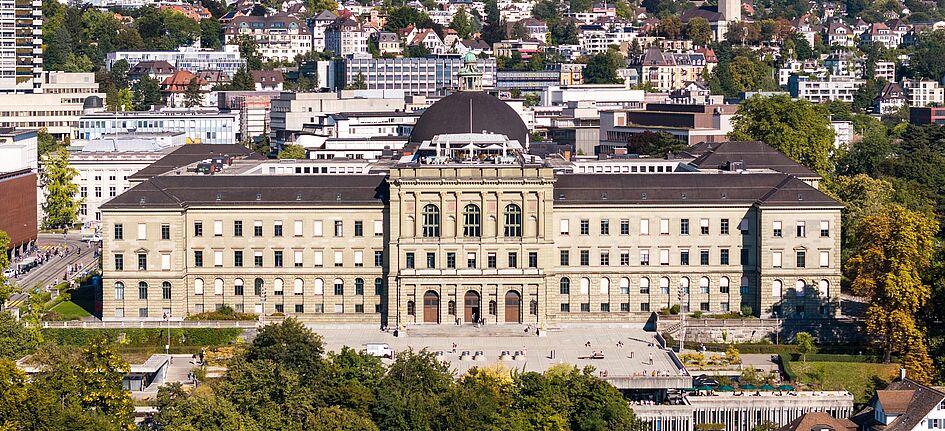
In a study, ETH researchers have demonstrated how cement production can be used to remove CO₂ from the atmosphere. Image: Alessandro Della Bella/ETH Zurich
News
Schlieren, Canton of Zurich — A jury has selected the ten cleantech startups for the 2026 Swiss National Startup Team. During a trip to Munich organised by Venturelab, you will meet investors, have opportunities for strategic networking, and attend workshops led by experts.
(CONNECT) Ten of Switzerland's most promising cleantech startups will represent Swiss innovation at the Venture Leaders Cleantech Roadshow in Munich from 9 to 13 November 2026. According to a press release, they were selected from more than 70 applications. The programme, organised by Venturelab, is designed to support the company's international growth.
The roadshow will offer the selected startups meetings with high-profile investors, strategic networking opportunities, and workshops led by experts. The programme is supported by Axpo, the Swiss Federal Institutes of Technology in Zurich and Lausanne, Helbling Technik, Rentsch Partner, Vischer, and the Canton of Vaud.
Among this year's Venture Leaders at the Cleantech Roadshow is Divea (Sitten). The startup enables next-generation molecular separation processes through adjustable pores in an atom-thin layer of graphene. GraphEnergyTech (Ecublens, VD) uses its graphene-based electrode materials to replace expensive and carbon-intensive metals in solar energy, energy storage, and printed electronics.
Kuafu (Zurich) uses its integrated AI platform to connect grid and building operators, optimise energy resources, and accelerate decarbonisation. New Generation Tanks (Renens, VD) develops ultralight, recyclable high-pressure tanks for industrial gas storage for drones, satellites, and decarbonised mobility. PeelPack (Zurich) offers bio-based and compostable thermoplastics made from potato processing byproducts that can be used in existing plastic production facilities.
ProSeed Ingredients (Sitten) uses its microwave systems to make drying and thermal processes faster, more energy-efficient, and more precise. Sixteen44 (Saint-Sulpice, VD) breaks down methane at high-emission sites. Thermal Transformer (Freienbach, SZ) converts low-temperature waste heat into usable cooling and reduces electricity consumption by up to 98 percent compared to conventional cooling systems.
Winduction (Zurich) enables wireless charging of electric buses through their wheels during regular bus stops. And Windworks (Lausanne) helps agricultural and industrial businesses reduce electricity costs and emissions with vertical-axis wind turbines that efficiently harness variable winds at low altitudes.
“The strength of this year’s team once again demonstrates the remarkable diversity and quality of the Swiss cleantech sector,” Jordi Montserrat, managing partner at Venturelab, is quoted as saying in the press release. "Their technologies address global climate and energy challenges while creating enormous business potential." ce/mm
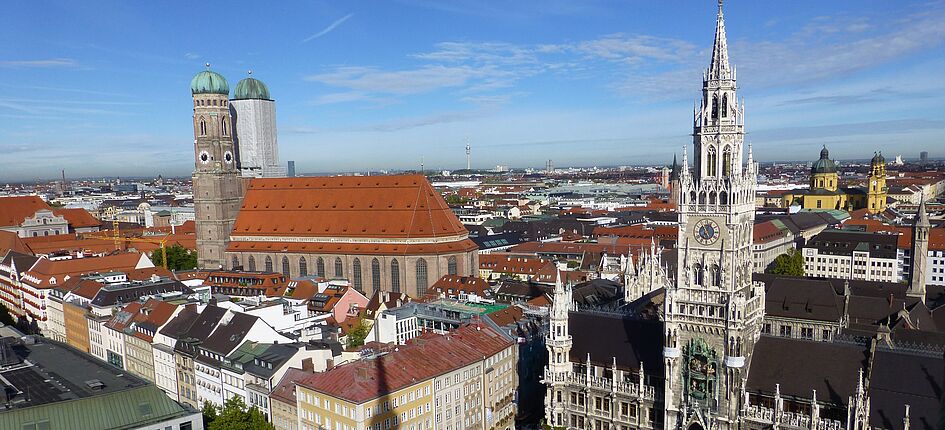
Venturelab is bringing ten Swiss cleantech start-ups to Munich in November. Stock image: flyupmike/Pixabay
News
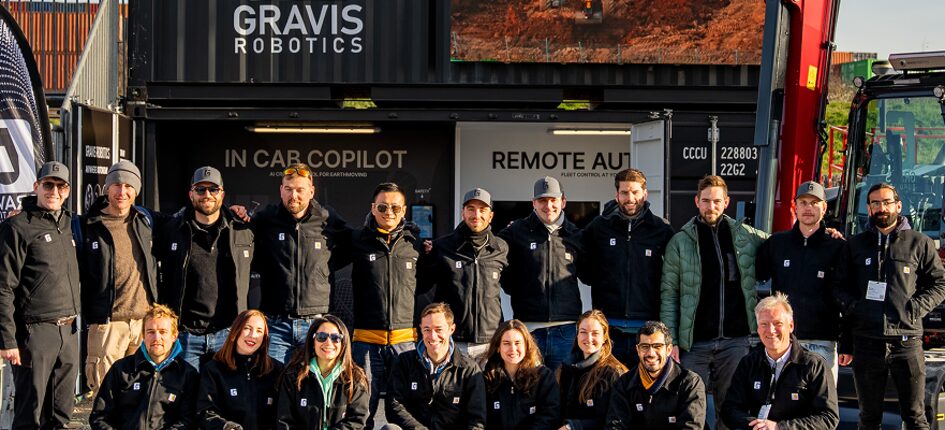
Zurich/Tokyo — Tokyo-based SoftBank is investing $200 million in Gravis Robotics. With what Gravis calls the largest Series A funding round in the history of construction robotics, the ETH spin-off aims to scale up the global rollout of its physical artificial intelligence for autonomous excavators.
(CONNECT) Zurich-based Gravis Robotics AG has raised $200 million in a Series A funding round. According to a statement from Gravis, this is the largest investment ever raised in a Series A funding round in the construction robotics sector. The investor is SoftBank. Tokyo Investment Holding is best known as a global holding company and investor. Their Vision Funds are among the world's largest technology investment funds.
Gravis, a robotics company spun off from the Swiss Federal Institute of Technology Zurich (ETH) in 2018, states that its mission is to “bring software-defined intelligence to an industry that has relied on purely mechanical hardware for decades.” Gravis provides software for autonomous construction machinery that serves as an operating system for mixed fleets of machines. It runs on a control system called Gravis Rack, which is used by machinery manufacturers such as Caterpillar, Case, Develon, John Deere, Hitachi, Volvo, and others. The same core software can control a compact excavator just as easily as a machine five times its size, without the need for any custom programming.
The flexible software platform offers the full spectrum of capabilities, ranging from manual control supported by artificial intelligence to fully autonomous operation. In fully autonomous mode, operators can monitor entire fleets of robots simultaneously. Regardless of the mode, every machine equipped with Gravis functions as a continuous location sensor while in operation and automatically performs surveying and hazard mapping in the background.
“Whether it’s housing construction, the modernization of energy grids, or the expansion of data centers, every project begins with earthwork,” CEO and co-founder Ryan Luke Johns is quoted as saying. This bottleneck has slowed down the entire construction industry so far. “Our machines are designed for the chaotic, unpredictable reality of construction sites, which push conventional automation systems to their limits. With SoftBank’s support, we can hire the best construction workers and engineers, deploy the autonomous technology developed by Gravis on every major construction site, and grow faster than anyone would have thought possible.” ce/mm

Gravis Robotics will scale up the global introduction of its artificial intelligence for autonomous excavators. Symbol image: Didgeman/Pixabay
News
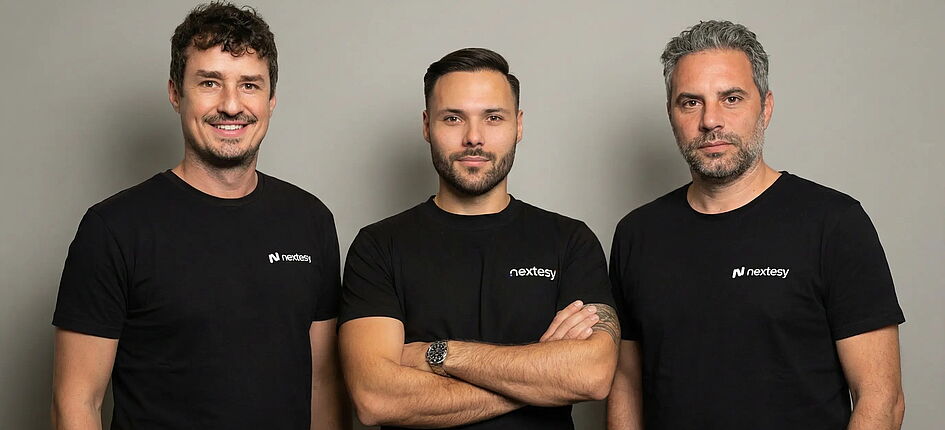
Zurich — The Zurich-based startup nextesy AG has surpassed the 2,000-customer mark. The company, which operates in the field of artificial intelligence (AI), attributes its success to specific features of its business administration platform designed for freelancers, startups, and small and medium-sized enterprises.
(CONNECT) The Zurich-based startup nextesy has surpassed the 2,000-active-customer mark shortly after its official market launch in late April 2026, according to a press release. The startup, with roots in the ecosystems of the Swiss Federal Institute of Technology Zurich (ETH) and the University of St. Gallen (HSG), develops artificial intelligence-based software solutions that automate administrative business processes for SMEs, startups, freelancers, and fiduciaries.
The company attributes its rapid success in particular to the innovative nature of various features that were not previously available in this form on the Swiss market. According to customer feedback, the high AI booking accuracy of 98 percent, for example, is particularly popular. Automating accounting—which involves steps ranging from classifying and renaming documents to extracting all relevant information—significantly reduces the amount of manual post-processing required.
With nextesy, customers can also submit receipts directly via WhatsApp for automated processing thanks to WhatsApp integration, without having to access an external portal. Finally, thanks to the global full-text search, all content on the nextesys platform is fully searchable, which is not the case with Swiss competitor products, according to the press release. "We're pleased that demand is so high, especially because it can be attributed in part to specific features that we've consistently developed with an AI-first approach," says Dr. Milan Kuzmanovic, Chief AI Officer at nextesy.
Going forward, the company plans to scale its infrastructure in order to expand its customer base while maintaining the same high level of quality. ce/ja
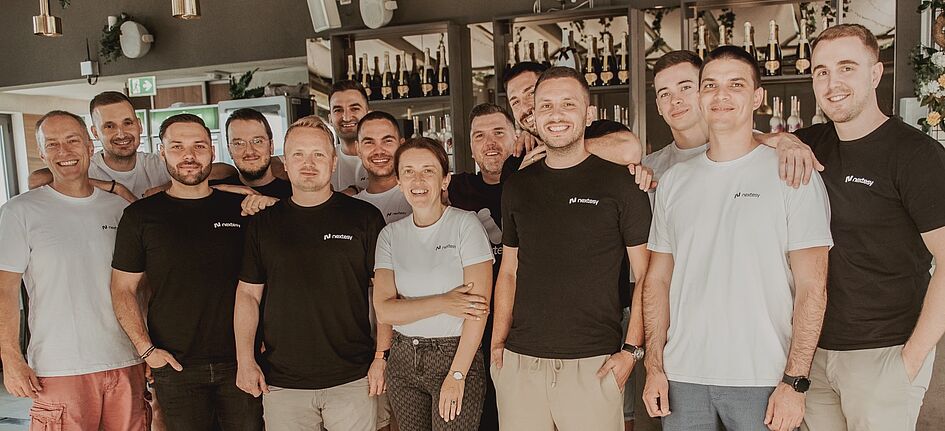
The nextesy team has reached the 2,000-customer milestone. Image: nextesy AG
News
Zurich — Aisot Technologies AG has raised 2 million Swiss francs in a seed extension funding round. Felix Haldner, a former partner at Partners Group, has joined as a new investor in the company, which specialises in AI-powered portfolio intelligence.
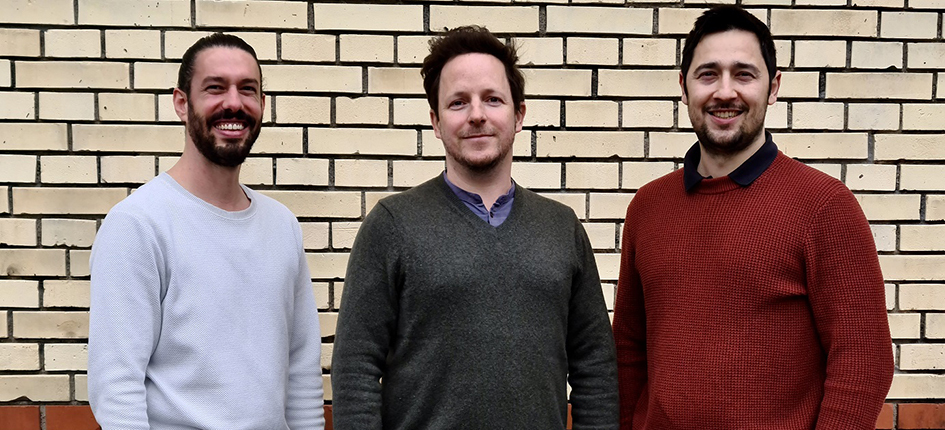
(CONNECT) According to a press release, Aisot Technologies AG is bolstering its growth in the field of artificial intelligence (AI)-powered portfolio intelligence with a seed extension round of financing totaling 2 million Swiss francs. The spin-off from the Swiss Federal Institute of Technology Zurich (ETH) develops AI-powered solutions for portfolio optimisation and risk management for asset managers, wealth managers, and family offices.
This allows large asset managers to identify additional market signals, while smaller firms benefit from access to professional data and AI infrastructure for portfolio construction and personalisation without having to operate it themselves.
The seed extension funding round was led by existing investors, including family offices and experienced angel investors. A new addition to the team is Felix Haldner, a former partner at Partners Group and former president of the Swiss Funds & Asset Management Association (SFAMA).
“We are convinced that Aisot Technologies’ solutions can deliver significant efficiency gains for asset managers and wealth managers in areas such as analysis, portfolio management, and product development,” Haldner is quoted as saying. “Aisot Technologies’ models also provide signals across various investment strategies, with the aim of helping to optimise returns.” ce/ja

Aisot Technologies AG has raised 2 million Swiss francs in a seed extension funding round. Stock image: Ketut Subiyanto/Pexels
You need to load content from reCAPTCHA to submit the form. Please note that doing so will share data with third-party providers.
More InformationYou are currently viewing a placeholder content from Turnstile. To access the actual content, click the button below. Please note that doing so will share data with third-party providers.
More InformationYou are currently viewing a placeholder content from Vimeo. To access the actual content, click the button below. Please note that doing so will share data with third-party providers.
More InformationYou are currently viewing a placeholder content from YouTube. To access the actual content, click the button below. Please note that doing so will share data with third-party providers.
More InformationYou need to load content from reCAPTCHA to submit the form. Please note that doing so will share data with third-party providers.
More Information